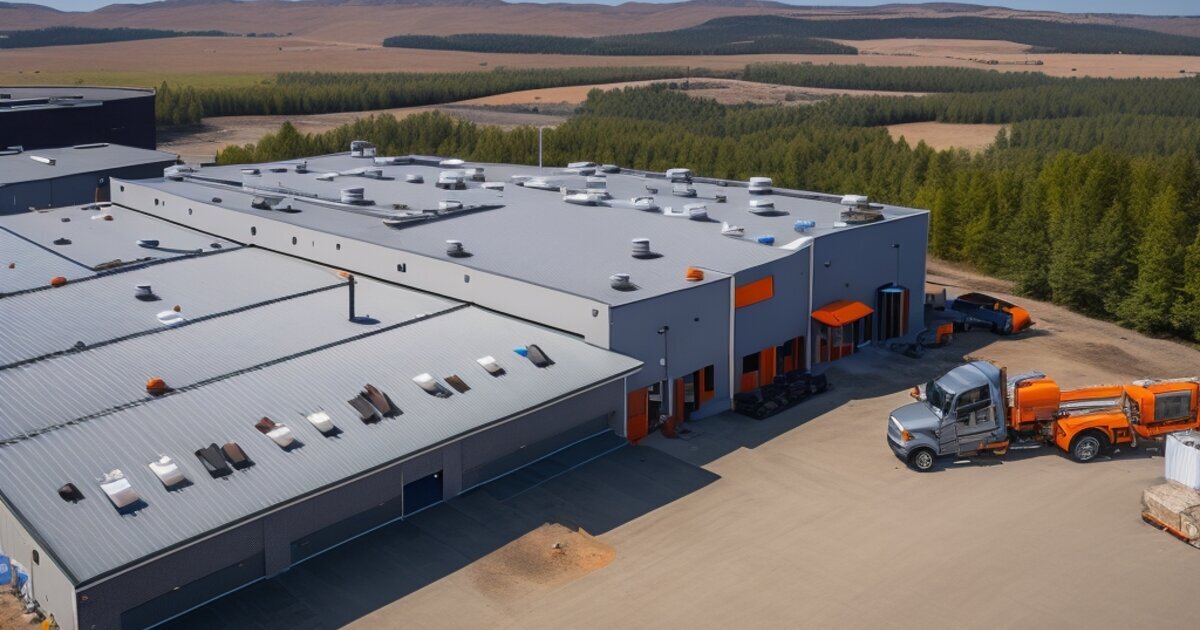
Commercial Painting Project Management: A Facility Manager's Guide
Learn the key phases of commercial painting project management, from planning and contractor coordination to quality control, scheduling, and closeout.
Read the Guide →Topic Cluster
Practical guidance on planning, budgeting, scheduling, and managing commercial painting projects — from contractor selection and RFP writing to phased schedules for 24/7 operations, new construction, tenant improvements, and maximizing ROI.
37 articlesLearn the key phases of commercial painting project management, from planning and contractor coordination to quality control, scheduling, and closeout.
Read the Guide →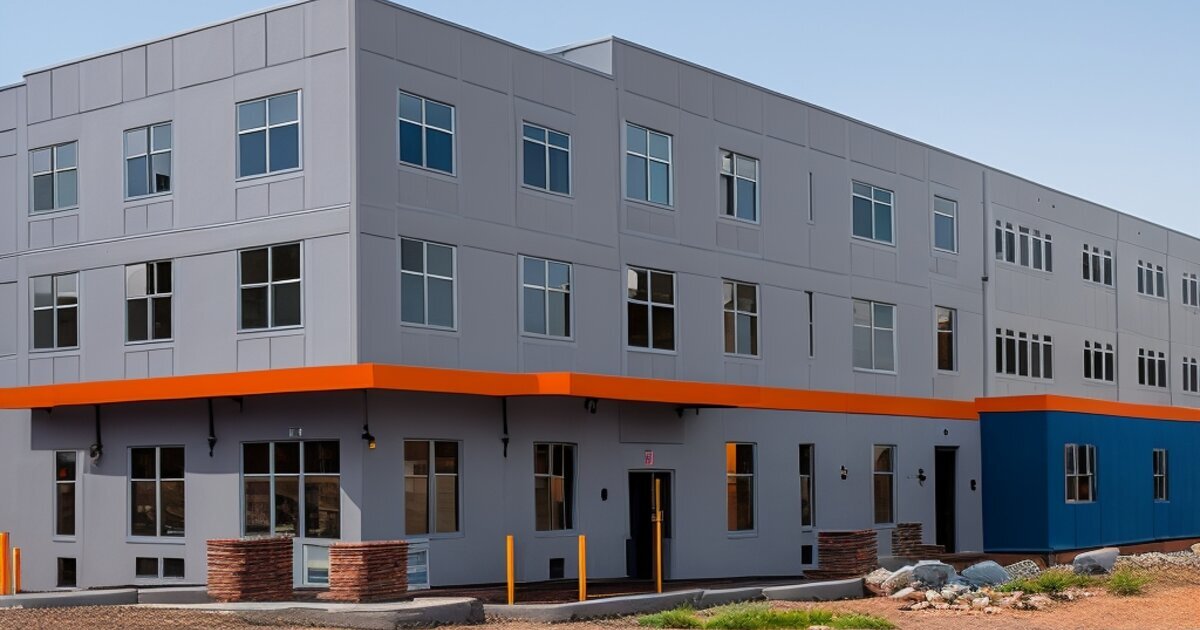
Deliver commercial painting projects on accelerated schedules without sacrificing quality, safety, or long-term coating system performance durability.
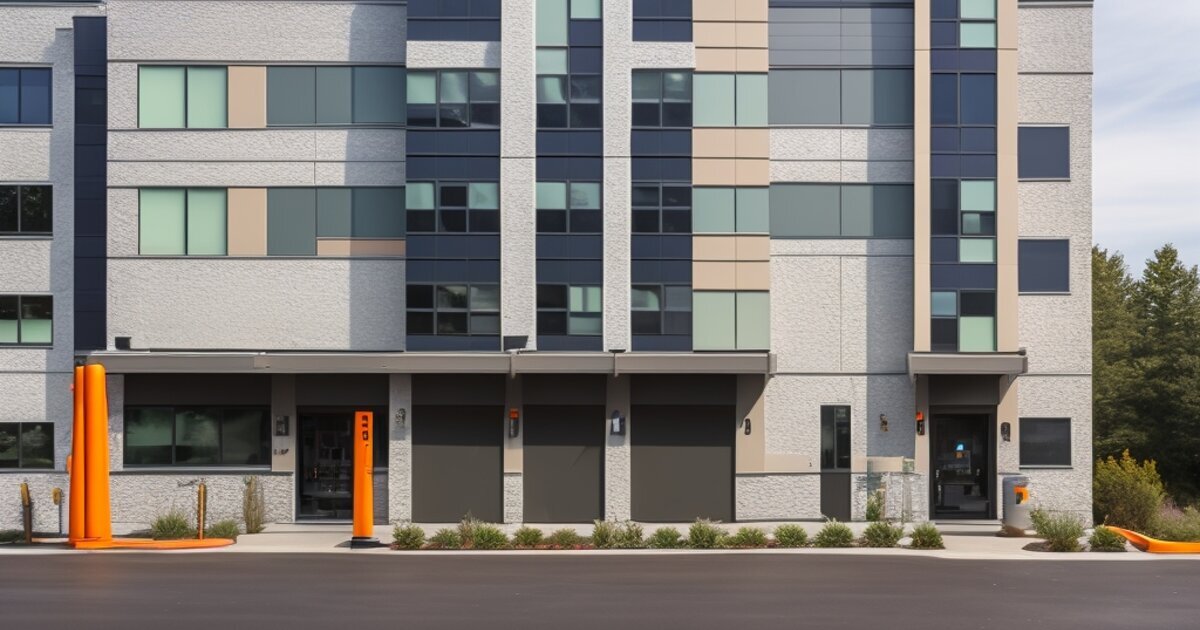
How commercial painting contractors execute tenant improvement projects—coordinating trades, meeting fast-track schedules, and delivering move-in ready spaces.
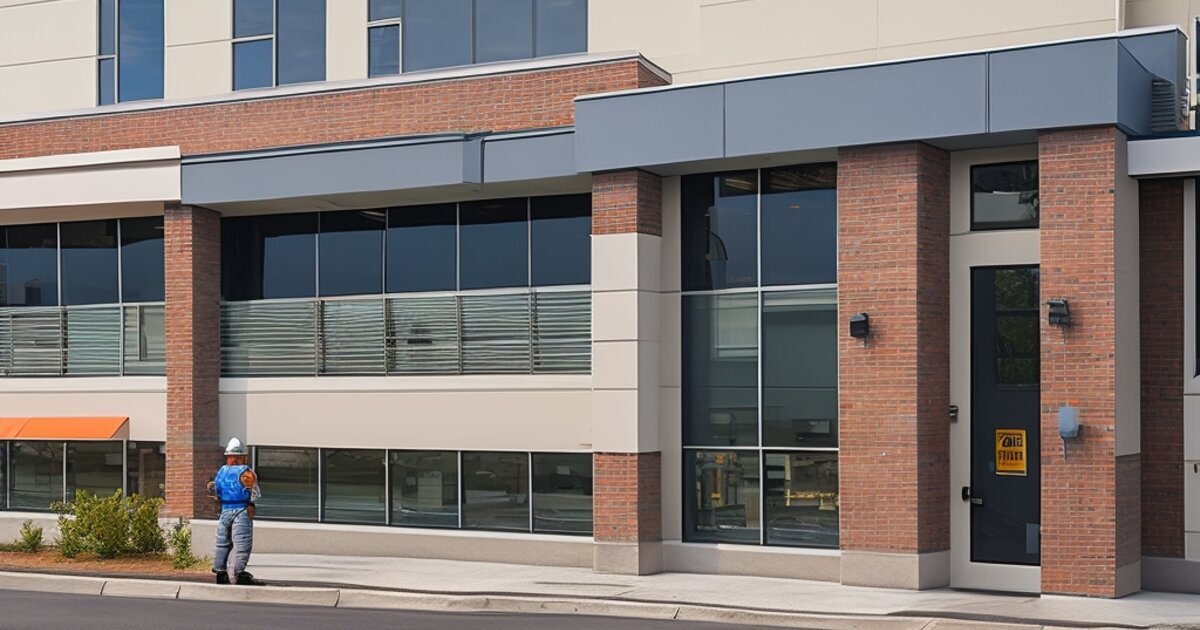
Facility manager guide to writing coating RFPs that produce comparable bids, reduce change orders, and help select qualified contractors with confidence.
Industrial coating specification templates with scope language, performance requirements, surface preparation standards, and quality acceptance criteria.
A practical guide to writing coating contractor RFQs that produce clear, comparable bids, reduce scope gaps, and help facility managers avoid project surprises.
How commercial painting contractors integrate with new construction from pre-construction meetings through final walkthroughs and Certificate of Occupancy.
A comprehensive guide for facility managers covering commercial painting scope, contractor selection, safety protocols, budgeting, and maintenance planning.
Financing strategies for large coating projects including capital leases, equipment loans, tax deductions, and capital versus maintenance budgeting approaches.
A total cost of ownership model for industrial coating maintenance, including application, disruption, inspection, and repair costs across a 10-year horizon.
A step-by-step guide to selecting a qualified commercial painting contractor, covering credentials, references, bid evaluation, and red flags to watch for.
Step-by-step HOA painting planning for boards and property managers, with timelines, budget priorities, and communication practices that prevent surprises.

A primer on what to inspect before, during, and after a commercial coating project — surface prep, environmental conditions, and film thickness checks.

Comprehensive guide to quality control testing methods, standards, and best practices for commercial painting projects to ensure durability and performance.

Commercial surface prep methods with SSPC standards, blast and chemical cleaning options, and quality control practices that improve coating life and adhesion.
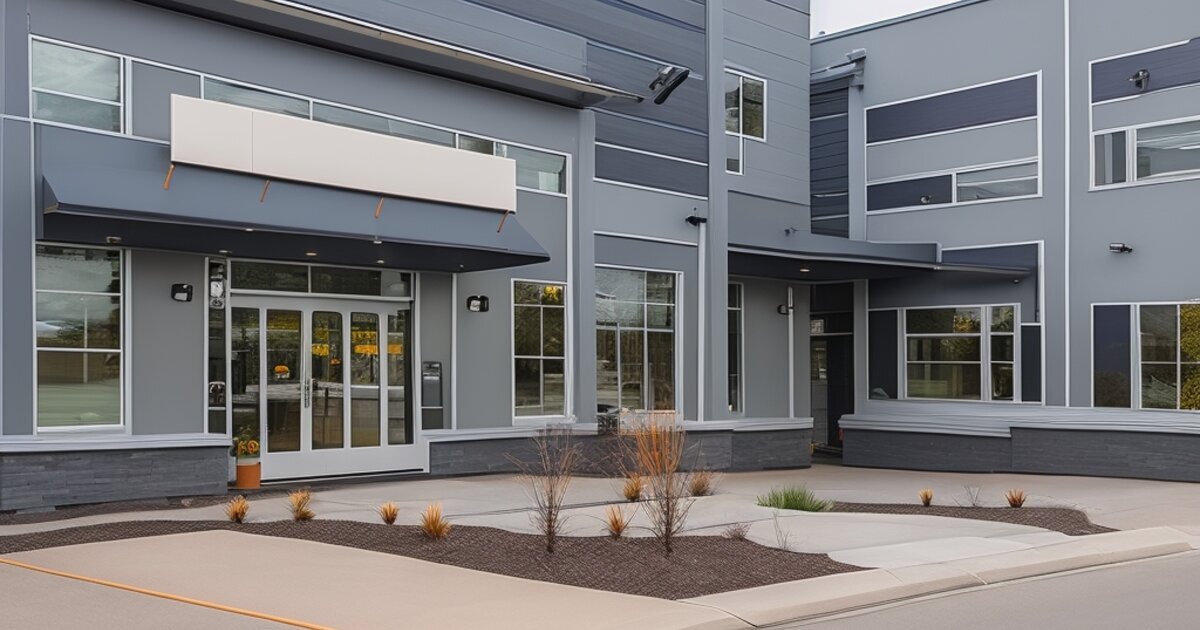
Practical video transcript on using structured coating inspection checkpoints to reduce rework, protect schedules, and prevent costly quality failures.
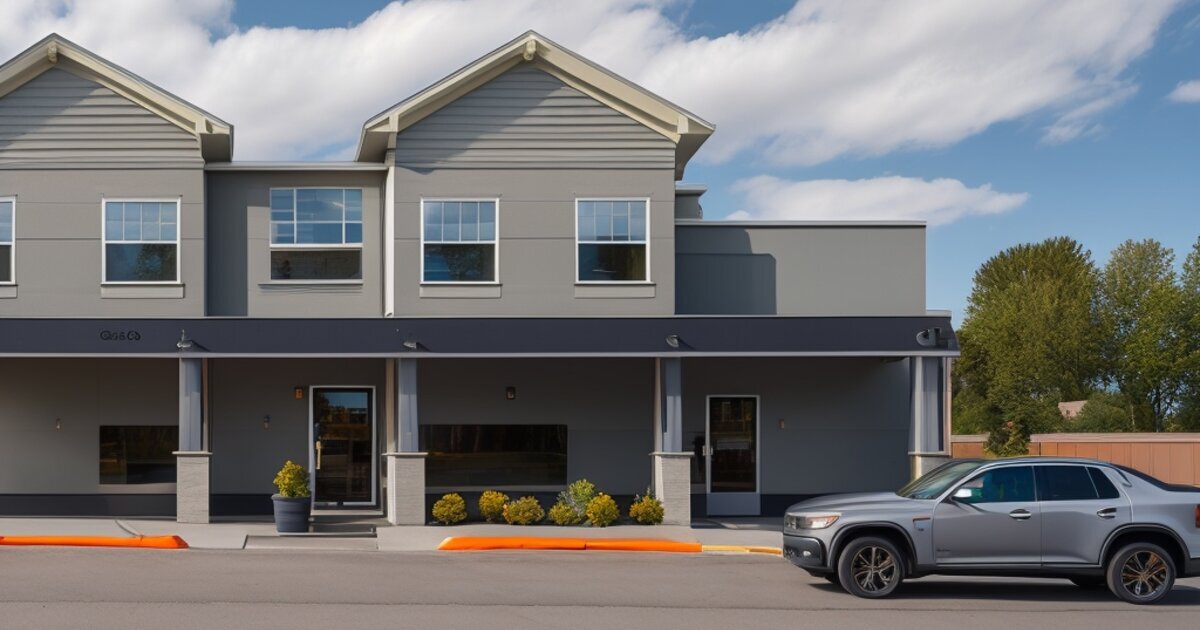
Commercial painting cost per square foot ranges from $1.50 to $13.50 depending on scope, prep, access, and coating system. Request a detailed estimate.
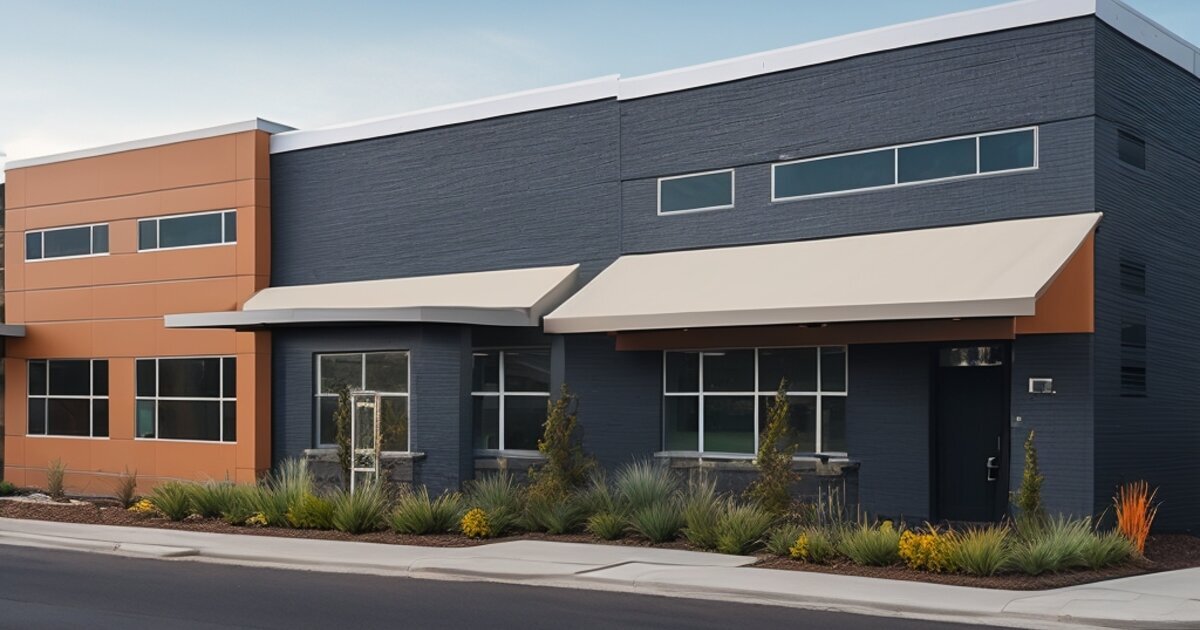
Understand the insurance commercial painting contractors should carry and how facility managers reduce liability, verify certificates, and protect projects.
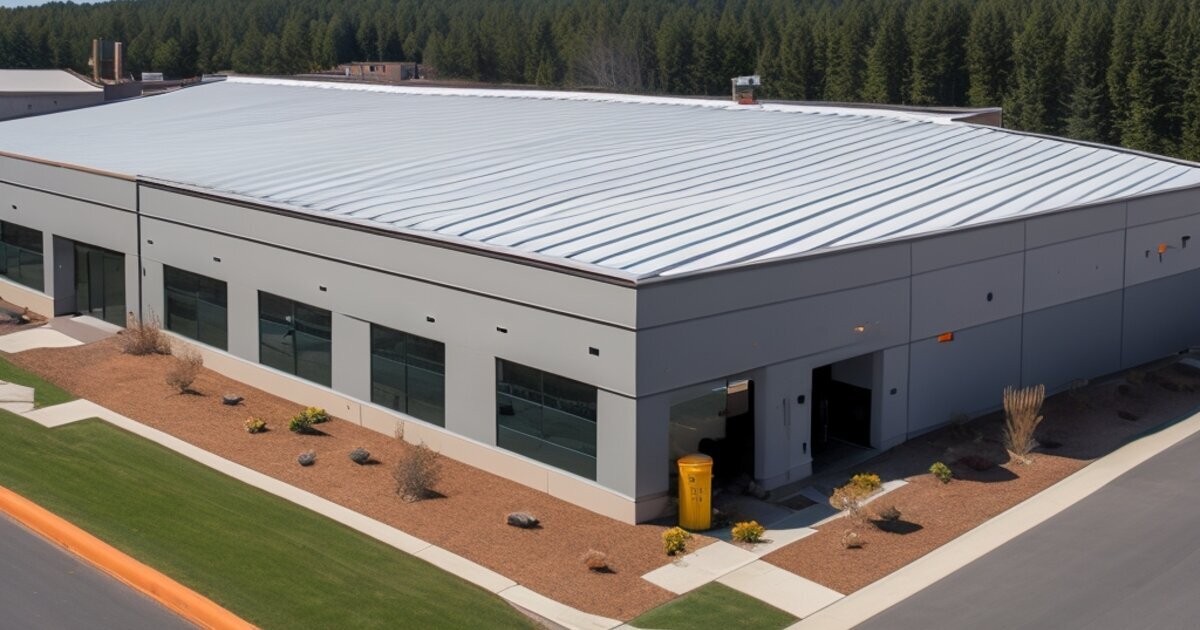
Explore 2026 Southwest commercial exterior color trends from desert neutrals and bold brand accents to energy-efficient cool reflective roof coatings.
Maximize ROI through strategic commercial painting investments that reduce long-term costs, protect building assets, and increase Southwest property value.
Master Las Vegas entertainment venue painting schedules with proven phased strategies for shows, conventions, and round-the-clock casino floor operations.
Occupied commercial repainting checklist to reduce disruption, coordinate tenants, control dust and noise, and close out with clear acceptance standards.
Plan 2026 budgets with Phoenix commercial painting cost per square foot ranges and what drives a reliable Phoenix commercial painting estimate for facilities.
Arizona tank farm restoration case study using modern epoxy systems to reduce thermal fatigue and protect secondary containment infrastructure systems.
How a 120,000-sq-ft logistics warehouse completed a full floor recoat in 48 hours while maintaining production with phased containment and fast-cure systems.
How industrial facilities can maintain production around the clock while completing coating work through phased scheduling, containment, and off-peak execution.
Water based vs solvent based paint: compare durability, VOC compliance, application windows, and when each coating chemistry is the right project choice.

A practical guide to commercial chemical-resistant flooring, comparing epoxy, urethane cement, vinyl ester, and MMA systems for safer facility floors.
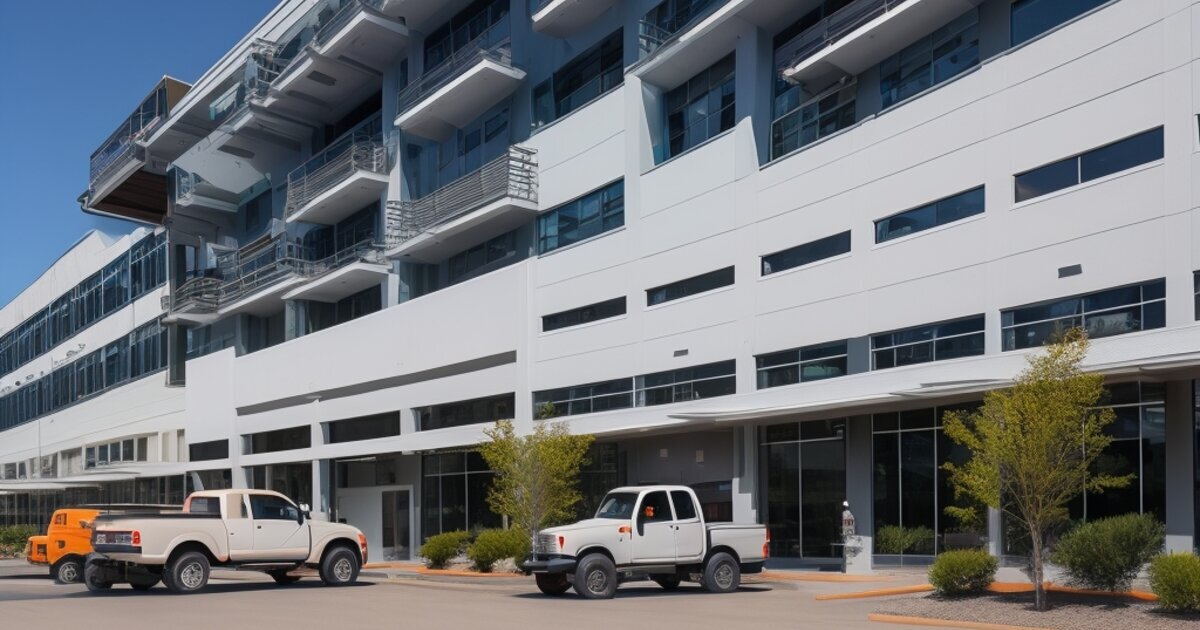
Plan painting and coatings for data center expansions with strategies that support tight schedules, uptime requirements, and long-term asset protection.
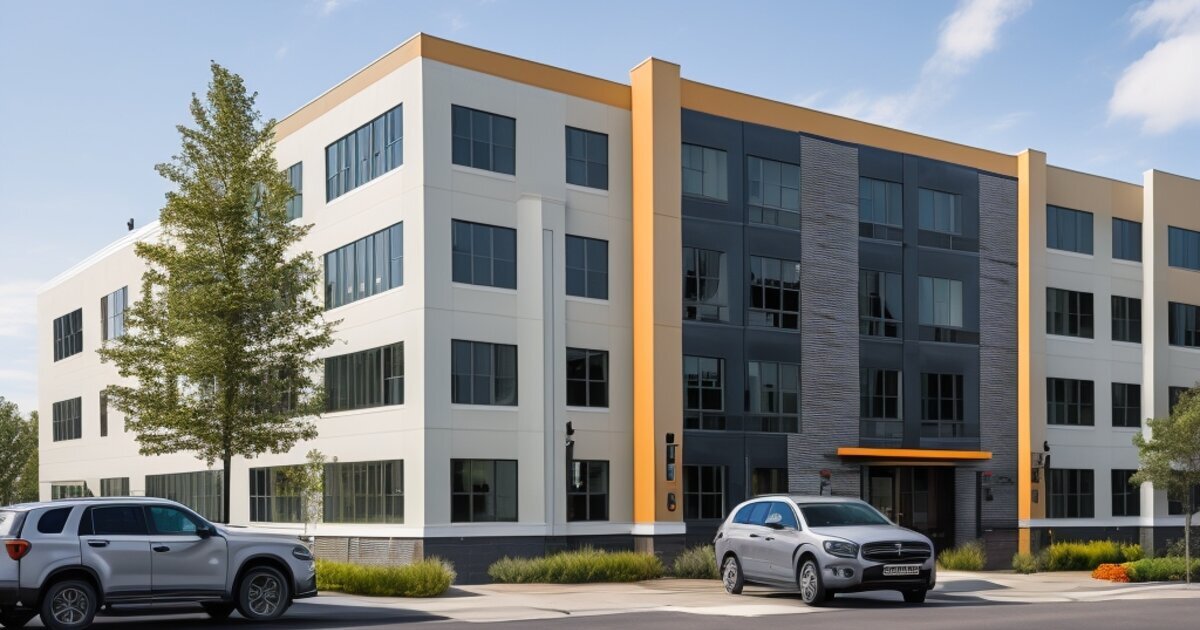
Choose a healthcare facility painting contractor to keep your hospital compliant, safe, and fully operational during infection-controlled painting projects.
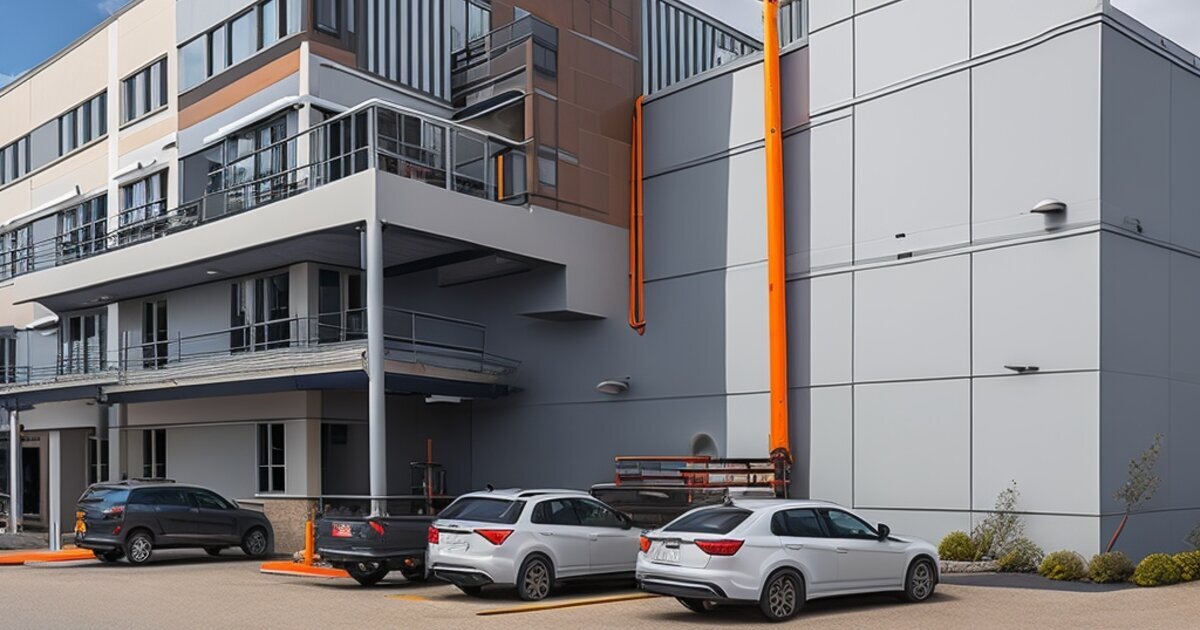
How long does commercial painting take? Small interiors take 1–2 weeks, mid-size occupied projects 3–6 weeks, and building exteriors 2–4 weeks on average in favorable weather.
Spray booth ventilation guide detailing airflow, filtration, code compliance, worker safety, and energy-saving upgrade priorities for facility owners.

2025 tax benefits for commercial painting projects, including deductions, depreciation pathways, and energy-efficiency incentives that lower total project cost.

A warehouse floor coating contractor guide to specifying epoxy, polyurethane, polyaspartic, and MMA based on traffic, surface prep, and lifecycle maintenance.
Plan warehouse floor recoats in active facilities with phased zones, forklift routing, and cure timing that protect throughput and avoid a full shutdown.

Scope language that aligns SSPC prep standards, environmental controls, and inspection holds up front so bid ambiguity does not become a change order.
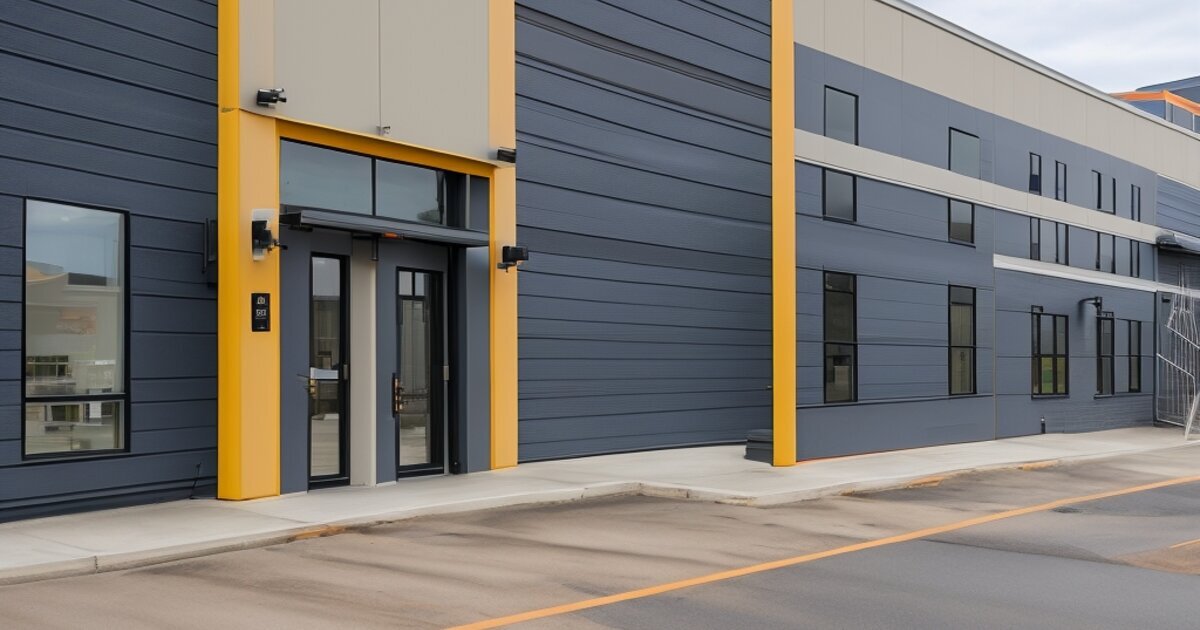
Plan occupied commercial repainting with phased zones, after-hours sequencing, and low-odor systems to reduce disruption while maintaining safety and quality.