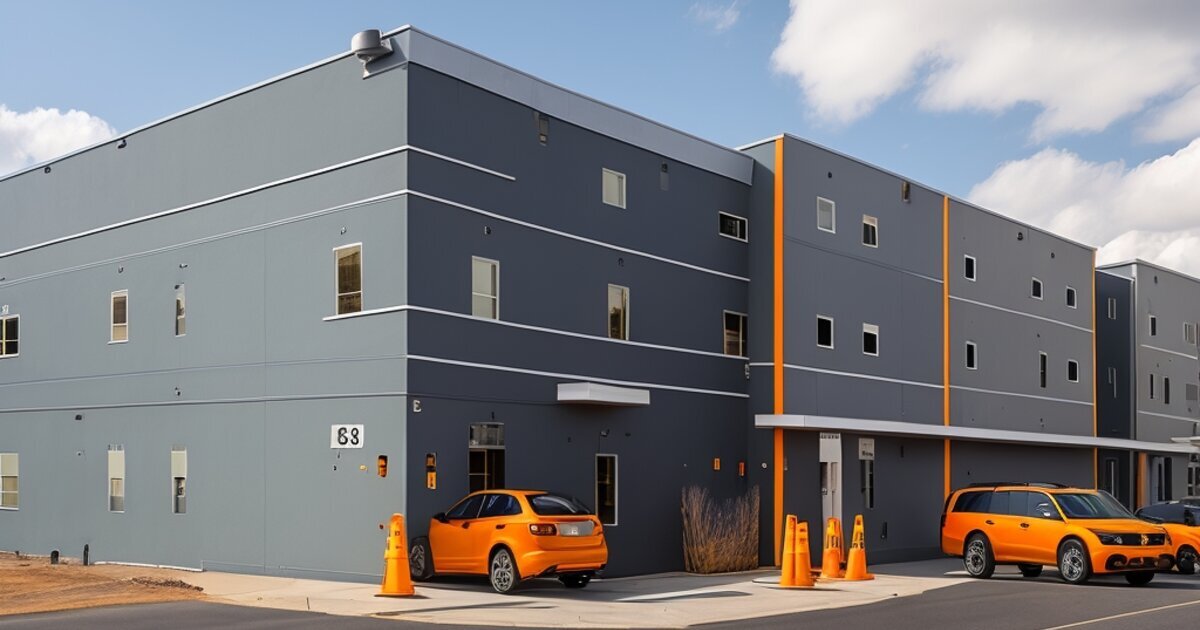
New construction painting is fundamentally different from maintenance recoating. The substrate is raw, the schedule is compressed, and the stakes are higher—delays in the painting phase can push back the Certificate of Occupancy (CO) and trigger liquidated damages. For general contractors and developers, understanding how commercial painting integrates into the construction timeline is essential for on-time delivery.
For painting contractors, new construction work requires a different operational mindset than repainting existing facilities. The focus shifts from surface preparation and coating removal to substrate verification, trade coordination, and final finish quality that satisfies both the owner and the building inspector.
Quick Answer
New construction commercial painting should be planned before mobilization, verified through a pre-paint substrate walk, sequenced around other trades, and closed out with punch-list documentation that supports Certificate of Occupancy. The best results come from early GC coordination, realistic climate-control plans, and clear as-built color records for the owner.
| Project Phase | Painting Priority | Facility/GC Decision |
|---|---|---|
| Pre-construction | Submittals, color schedules, and scope boundaries | Approve products and assign substrate responsibilities early |
| Pre-paint walk | Drywall, concrete, masonry, and metal verification | Correct deficiencies before primer begins |
| Execution | Sequencing, protection, ventilation, and touch-up windows | Coordinate painters with flooring, MEP, and final cleaning |
| Closeout | Punch completion, color records, and warranty documents | Confirm acceptance before owner handoff and retainage release |
New Construction Painting Timeline
Pre-Construction Integration
The painting contractor should be involved before the first gallon is ordered. Late involvement leads to mismatched specifications, unrealistic schedules, and change orders that erode margins for both the GC and the painter.
Pre-construction meetings should include the painting contractor, GC, architect, and key subcontractors (drywall, flooring, HVAC). Topics to resolve:
- Paint specifications and approved equal substitutions
- Color schedules and accent locations
- Substrate responsibility boundaries (who patches drywall? who primes?)
- Access and staging areas
- Sequence of operations relative to other trades
- Temporary protection and final cleaning responsibilities
Submittals must be thorough and timely. The painting contractor should provide product data sheets, MSDS, color chips, and mock-ups for architect approval before ordering materials. In the current supply chain environment, ordering paint eight to twelve weeks ahead of application is prudent, particularly for custom colors or specialty coatings.
The Pre-Paint Walk
Before applying primer, the painting contractor should conduct a formal pre-paint walk with the GC and drywall contractor. This is the last opportunity to identify and correct substrate issues that will telegraph through the finish or cause callbacks.
Drywall verification. Check for:
- Properly finished joints and fastener heads
- Surface smoothness appropriate for the specified finish level (typically Level 4 or 5 for commercial interiors)
- Corner bead alignment and damage
- Water stains or damage from construction activities
Concrete and masonry. New concrete must cure for at least twenty-eight days and test below the maximum moisture content specified by the coating manufacturer. Block walls require proper block filler application and adequate cure time before topcoating.
Metal surfaces. Check for rust, oil, or mill scale on structural steel, door frames, and HVAC elements. These require cleaning and priming before finish coating.
Document all deficiencies with photographs and a written punch list. Assign responsibility and deadlines for correction. Do not begin coating until the substrate meets specification.
Trade Coordination and Sequencing
Painting is one of the last trades in the construction sequence but depends on the work of nearly every preceding trade. Effective sequencing prevents rework and protects finished surfaces.
Ideal sequence:
- Structure and envelope complete
- Rough MEP installed and inspected
- Drywall hung, finished, and inspected
- Doors and hardware installed
- Flooring installed (or protected if painting after)
- Prime and paint ceilings
- Prime and paint walls
- Prime and paint trim
- Touch-up after flooring and final MEP connections
Protection protocols. Once a surface is painted, it must be protected from subsequent trade damage. Painters should return for touch-up after flooring installation, fixture mounting, and final cleaning. Budget for two to three touch-up visits in the project schedule.
HVAC coordination. Paint curing requires ventilation and temperature control. New construction buildings often lack permanent HVAC during painting. The GC must provide temporary heating or cooling to maintain temperatures within the coating manufacturer’s specified range—typically 50°F to 90°F for water-based products.
Punch Lists and the Certificate of Occupancy
The final phase of new construction painting is the most scrutinized. Owners, architects, and inspectors examine every surface under varying light conditions.
The punch list process. The GC conducts a preliminary walk, followed by the architect’s substantial completion inspection. The painting contractor should attend both walks to understand deficiencies firsthand and prioritize corrections.
Common punch list items:
- Holidays (missed spots) in corners, behind doors, and at ceiling lines
- Roller marks or brush strokes visible in critical light
- Inconsistent sheen due to uneven application or touch-up blending
- Paint on hardware, glass, or flooring
- Color variances between batches or applicators
Final completion. After punch list items are corrected, the architect issues a Certificate of Substantial Completion. The building can then be occupied, though a retainage holdback typically remains until the final completion date, which may be thirty to sixty days later to allow for seasonal settling and additional touch-up.
Warranty and Closeout Documentation
New construction painting warranties differ from maintenance recoating warranties. The owner expects documentation that supports future maintenance and touch-up.
As-built color schedule. Provide a room-by-room color schedule with manufacturer, product line, color name/number, and sheen. This allows the owner to order matching paint for future repairs without guesswork.
Warranty documentation. Clearly state what is covered (defects in workmanship and materials) and what is excluded (damage from other trades, abuse, or environmental factors beyond specification). Typical new construction painting warranties are one to two years for workmanship.
Maintenance guidelines. Provide the owner with written guidance on cleaning methods, recommended maintenance intervals, and early warning signs of coating issues. This positions the painting contractor as a long-term partner rather than a one-time vendor.
GC and Developer Checklist
- Involve the painting contractor in pre-construction planning. Late involvement causes delays and change orders.
- Resolve substrate responsibility boundaries. Clarify who patches drywall, primes metal, and fills block.
- Require pre-paint substrate verification. Do not allow coating over deficient substrates.
- Plan for temporary climate control. New buildings lack permanent HVAC during painting.
- Sequence painting before flooring where possible, with final touch-up after flooring installation.
- Budget for two to three touch-up visits. Punch lists and trade damage are inevitable.
- Require as-built color schedules with manufacturer, product, and color information for each room.
- Schedule substantial completion inspection with painter attendance to clarify deficiencies.
- Hold retainage until final completion to ensure timely touch-up response.
- Request maintenance guidelines from the painting contractor for owner handoff.
New construction commercial painting is the culmination of months of coordination across multiple trades. General contractors who treat painting as an integrated part of the construction process—rather than a final afterthought—deliver buildings that meet owner expectations and achieve Certificate of Occupancy on schedule.
Facility Manager Checklist
- Involve Painter in Pre-Construction: Include the painting contractor in early planning meetings to align specifications and sequences.
- Resolve Substrate Responsibility: Clarify who patches drywall, primes metal, and fills block to avoid scope gaps and change orders.
- Require Pre-Paint Substrate Verification: Conduct formal walks to confirm drywall finish level, concrete cure, and moisture content.
- Plan Temporary Climate Control: Budget for temporary heating or cooling to maintain 50-90°F during coating application and cure.
- Sequence Flooring and Painting: Apply paint before flooring where possible, with final touch-up after flooring installation.
- Budget for Multiple Touch-Up Visits: Plan for two to three return visits after punch lists and trade damage are identified.
- Require As-Built Color Schedules: Hand over room-by-room documentation with manufacturer, product, color number, and sheen for future maintenance.
Frequently Asked Questions
When should the painting contractor join a new construction project?
The painting contractor should join during pre-construction, before submittals and color schedules are finalized. Early involvement helps prevent scope gaps, product delays, and sequencing conflicts with drywall, flooring, and MEP trades.
What can delay painting before Certificate of Occupancy?
Common delays include unfinished drywall, wet concrete, unapproved colors, missing temporary HVAC, and trade damage after finish coats. A formal pre-paint walk and written punch-list process reduce those risks.
Why are as-built color schedules important after closeout?
As-built color schedules give the owner the exact manufacturer, product, color number, sheen, and room location for future touch-ups. Without them, small repairs can become visible mismatches.
For new construction painting coordination that keeps your project on track, contact Moorhouse Coating.
Related Reading
Related Resources
- Commercial Painting Project Management
- Painting Timeline: What Facility Managers Should Expect
- Commercial Painting Warranties
- Commercial Painting Insurance
- Contractor Selection: How to Choose the Right Commercial Painting Partner
Frequently Asked Questions
When should the painting contractor join a new construction project?
The painting contractor should join during pre construction, before submittals and color schedules are finalized. Early involvement helps prevent scope gaps, product delays, and sequencing conflicts with drywall, flooring, and MEP trades.
What can delay painting before Certificate of Occupancy?
Common delays include unfinished drywall, wet concrete, unapproved colors, missing temporary HVAC, and trade damage after finish coats. A formal pre paint walk and written punch list process reduce those risks.
Why are as built color schedules important after closeout?
As built color schedules give the owner the exact manufacturer, product, color number, sheen, and room location for future touch ups. Without them, small repairs can become visible mismatches. For new construction painting coordination that keeps your project on track, contact Moorhouse Coating.