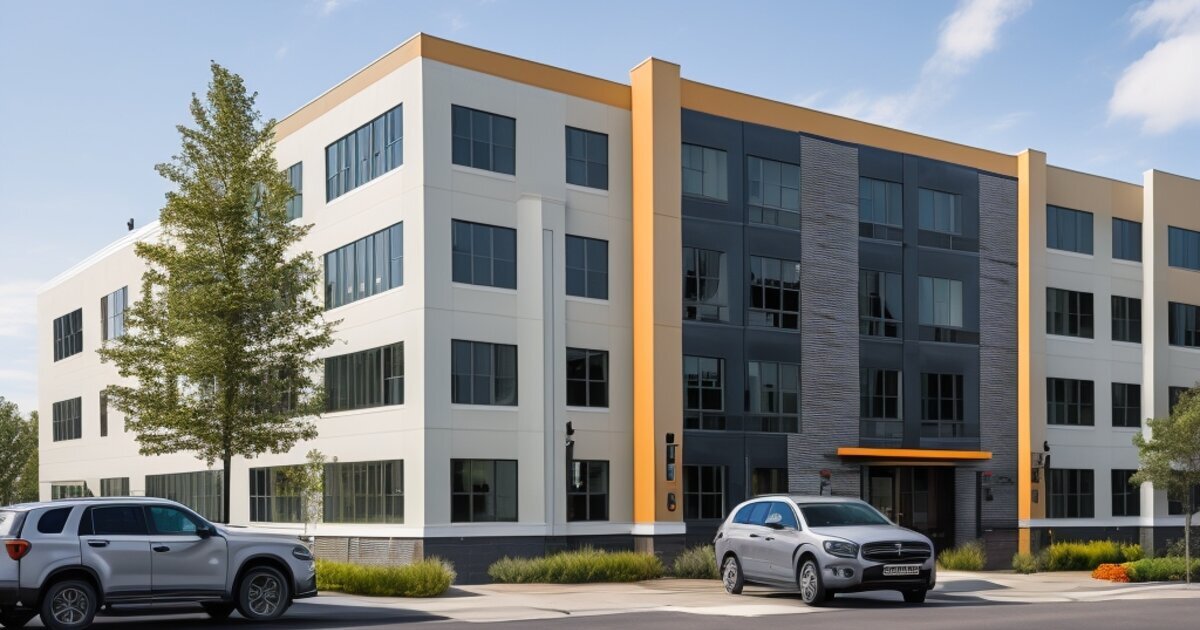
Painting a healthcare facility is fundamentally different from painting any other commercial building. Hospitals, clinics, surgical centers, and long-term care facilities operate under regulatory frameworks that govern everything from the chemical composition of the coatings used to the infection control procedures followed during application. Facility managers who understand these requirements can plan painting projects that maintain compliance, protect patient safety, and deliver durable results. Choosing a healthcare facility painting contractor with infection control experience is the first step toward a safe, compliant project.
Quick Answer
Healthcare facility painting requires an Infection Control Risk Assessment, low-odor or zero-VOC coatings, cleanable chemical-resistant finishes, and scheduling that protects patients from dust, fumes, and disruption. The safest projects involve infection prevention staff early, isolate work areas with appropriate containment, verify antimicrobial and disinfectant-resistance claims, preserve Life Safety Code requirements for fire-rated assemblies, and use a healthcare facility painting contractor who has documented hospital experience.
| Healthcare Area | Primary Concern | Recommended Coating Approach |
|---|---|---|
| Operating rooms and procedure suites | Surgical cleanability and containment | Seamless, non-porous epoxy or high-performance acrylic systems |
| Patient rooms | Indoor air quality and routine disinfection | Zero-VOC, washable, chemical-resistant coatings |
| Corridors and high-touch areas | Scuffs, cleaning, and turnover speed | Durable acrylic or epoxy-modified finishes with fast return to service |
| Dietary areas | Smooth, washable, light-colored surfaces | Moisture- and grease-resistant wall and ceiling coatings |
| Fire-rated assemblies | Code and CMS survey compliance | Compatible coatings that do not compromise rated walls or doors |
Quick Answer
Healthcare facility painting requires infection-control planning, low-odor and cleanable coating systems, documented containment, and schedules coordinated around patient care. Facility managers should complete an ICRA before work begins and require contractors to document materials, environmental controls, and phase closeouts. For related occupied-building planning, see Painting Occupied Commercial Buildings.
Key Concepts
Regulatory and Accreditation Requirements
The Joint Commission
The Joint Commission, which accredits the majority of hospitals in the United States, includes facility maintenance requirements under its Environment of Care standards. These standards require healthcare organizations to maintain a safe, functional, and clean environment. Peeling paint, visibly deteriorated surfaces, and coating failures in patient care areas are common citation items during accreditation surveys.
The Joint Commission does not prescribe specific coating products, but it does require that facilities maintain surfaces in a condition that supports effective cleaning and infection control. In practice, this means healthcare facility managers must specify coatings that resist microbial growth, withstand aggressive cleaning chemicals, and maintain their integrity over time.
CMS Conditions of Participation
The Centers for Medicare and Medicaid Services (CMS) establishes Conditions of Participation that all Medicare-certified facilities must meet. The Life Safety Code compliance requirements under CMS include maintaining fire-rated assemblies, which means any painting project that involves fire-rated walls, doors, or structural elements must preserve the fire resistance rating of those assemblies.
CMS surveys frequently cite facilities for damaged or deteriorated surfaces that could harbor bacteria or impede cleaning. Operating rooms, patient rooms, corridors, and dietary areas receive particular scrutiny.
State and Local Health Department Requirements
Many states impose additional requirements beyond federal standards, particularly for specialized areas such as surgical suites, pharmacies, and sterile processing departments. Review your state health department regulations and any facility-specific conditions of licensure before developing a painting specification.
Infection Control During Painting Projects
Infection Control Risk Assessment
Before any painting project begins in a healthcare facility, an Infection Control Risk Assessment (ICRA) must be completed. The ICRA evaluates the potential for the construction or maintenance activity to disperse airborne contaminants, including dust, mold spores, and paint particles, into patient care areas. The assessment classifies the project by type and risk level and prescribes the containment and mitigation measures required.
For painting projects, common ICRA requirements include:
- Negative air pressure containment barriers with HEPA filtration
- Sealed plastic sheeting to isolate the work area from adjacent patient spaces
- Designated entry and exit routes for workers and materials that do not pass through patient care areas
- Continuous monitoring of air pressure differentials during the project
- Coordination with the facility’s infection prevention team
Scheduling and Phasing
Painting work in healthcare facilities is typically scheduled during off-peak hours, overnight, or during planned unit closures to minimize patient exposure. Projects that affect operating rooms or procedure areas are often phased to coincide with scheduled downtime. The facility’s infection preventionist should be involved in scheduling decisions to ensure that the most vulnerable patient populations are protected.
Coating Selection for Healthcare Environments
Antimicrobial Coatings
Antimicrobial coatings contain additives, commonly silver ion or copper-based compounds, that inhibit the growth of bacteria, mold, and mildew on the painted surface. These coatings are increasingly specified for patient rooms, restrooms, and high-touch areas. It is important to understand that antimicrobial coatings supplement but do not replace proper cleaning and disinfection protocols. They provide a continuous baseline level of microbial resistance between cleaning cycles.
When specifying antimicrobial coatings, verify that the product is registered with the Environmental Protection Agency (EPA) and that the antimicrobial claims are supported by test data per standardized methods such as JIS Z 2801 or ASTM E2180.
Chemical-Resistant Finishes
Healthcare facilities use aggressive cleaning and disinfection agents, including bleach solutions, quaternary ammonium compounds, hydrogen peroxide, and phenolic disinfectants. Standard commercial paints break down rapidly under repeated exposure to these chemicals, leading to chalking, discoloration, and loss of film integrity. Specify coatings that have been tested for resistance to the specific disinfectants used in your facility. Many coating manufacturers publish chemical resistance charts that list compatibility with common healthcare cleaning agents.
Epoxy-modified and polyurethane-modified acrylic coatings offer the best combination of chemical resistance, durability, and ease of application for most healthcare interior surfaces. High-gloss and semi-gloss sheens are preferred because their smoother surfaces are easier to clean and less likely to harbor bacteria in surface irregularities.
Low-VOC and Zero-VOC Requirements
Indoor air quality is especially critical in healthcare environments where patients may have compromised immune systems or respiratory conditions. Specify zero-VOC coatings for all interior applications in patient care areas. Ensure that factory-tinted products are used rather than point-of-sale tinting, which can introduce VOCs not reflected in the base product’s certification.
Special Considerations by Area
Operating Rooms and Procedure Suites
Operating rooms require the highest level of coating performance. Walls and ceilings should receive seamless, non-porous coatings that can be cleaned to surgical-suite standards. Epoxy wall systems are common in operating rooms, though high-performance acrylic systems with verified chemical resistance are increasingly accepted. All joints and transitions should be caulked with a compatible sealant to eliminate crevices.
Patient Rooms
Patient rooms benefit from coatings that are durable, easy to clean, and available in a range of colors that support evidence-based design principles. Warm, calming color palettes have been shown to reduce patient anxiety and improve satisfaction scores. Balance aesthetic goals with performance requirements by selecting products that offer both chemical resistance and a broad color palette.
Dietary and Food Service Areas
Kitchens and food service areas must comply with food safety regulations that require smooth, washable, and light-colored wall and ceiling surfaces. Coatings in these areas should resist moisture, grease, and the cleaning chemicals used in food service sanitation programs.
Documentation and Compliance Records
Maintain complete records of all painting work performed in the facility, including product data sheets, safety data sheets, ICRA documentation, inspection reports, and before-and-after photographs. These records are essential for demonstrating compliance during accreditation surveys, responding to infection control investigations, and supporting warranty claims.
Healthcare facility painting is a specialized discipline that demands more planning, more coordination, and more rigorous execution than standard commercial work. Facility managers who invest in proper specification, qualified contractors, and thorough documentation protect their patients, their staff, and their accreditation status.
Frequently Asked Questions
Is an ICRA required for every healthcare painting project?
An Infection Control Risk Assessment should be completed for painting in or near patient care, sterile, pharmacy, dietary, or clinical support areas. Even small repainting projects can create dust, odor, or traffic changes that affect infection control.
Are antimicrobial paints required in hospitals?
Antimicrobial coatings are not a universal requirement, but they are useful in patient rooms, restrooms, and high-touch zones when supported by EPA registration and test data. They supplement cleaning protocols; they do not replace disinfection.
What paint is safest for occupied patient areas?
Zero-VOC, low-odor coatings with verified chemical resistance are the safest baseline for occupied healthcare interiors. Product submittals should include VOC data, emissions testing where available, and compatibility with the facility’s disinfectants.
How should painting be scheduled in active healthcare facilities?
Most work should be phased during off-peak hours, overnight periods, planned closures, or room turnover windows. Scheduling should be coordinated with nursing leadership, infection prevention, security, and environmental services.
Facility Manager Checklist
- Complete ICRA Before Work: Require an Infection Control Risk Assessment for every painting project in patient care areas.
- Specify Zero-VOC Coatings: Use only zero-VOC, low-odor products in all interior patient spaces to protect air quality.
- Verify Antimicrobial Claims: Confirm antimicrobial coatings are EPA-registered with test data per JIS Z 2801 or ASTM E2180.
- Coordinate with Infection Prevention: Involve the facility infection preventionist in scheduling and containment decisions.
- Test Chemical Resistance: Validate that specified coatings withstand your facility’s specific disinfection protocols.
- Maintain Fire-Rated Assemblies: Ensure any painting on fire-rated walls or doors preserves the original fire resistance rating.
- Archive Compliance Records: Keep product data sheets, ICRA documentation, and inspection reports for accreditation surveys.
Choosing a Healthcare Facility Painting Contractor
Not every commercial painter is qualified for healthcare environments. A qualified healthcare facility painting contractor should have documented hospital or clinic experience, understand ICRA processes, and be able to explain containment, negative-air options, and coordination with infection prevention staff.
Before awarding a healthcare painting project, verify the contractor’s hospital references, lead-safe renovation credentials (if pre-1978 surfaces may be disturbed), and experience with zero-VOC products and accreditation documentation. The lowest bid often carries the highest compliance risk when containment, documentation, and scheduling discipline are underestimated.
Standards & Sources
Related Reading
- Case Study: Healthcare and Hospitality Facility Painting with Infection-Control Discipline
- Respiratory Protection Programs for Coating Contractors
- The Facility Manager’s Guide to Coating Contractor RFQs
- Correctional Facility Painting
- Pharmaceutical Facility Painting
- Senior Living and Assisted Living Painting
- Veterinary and Animal Care Facility Painting