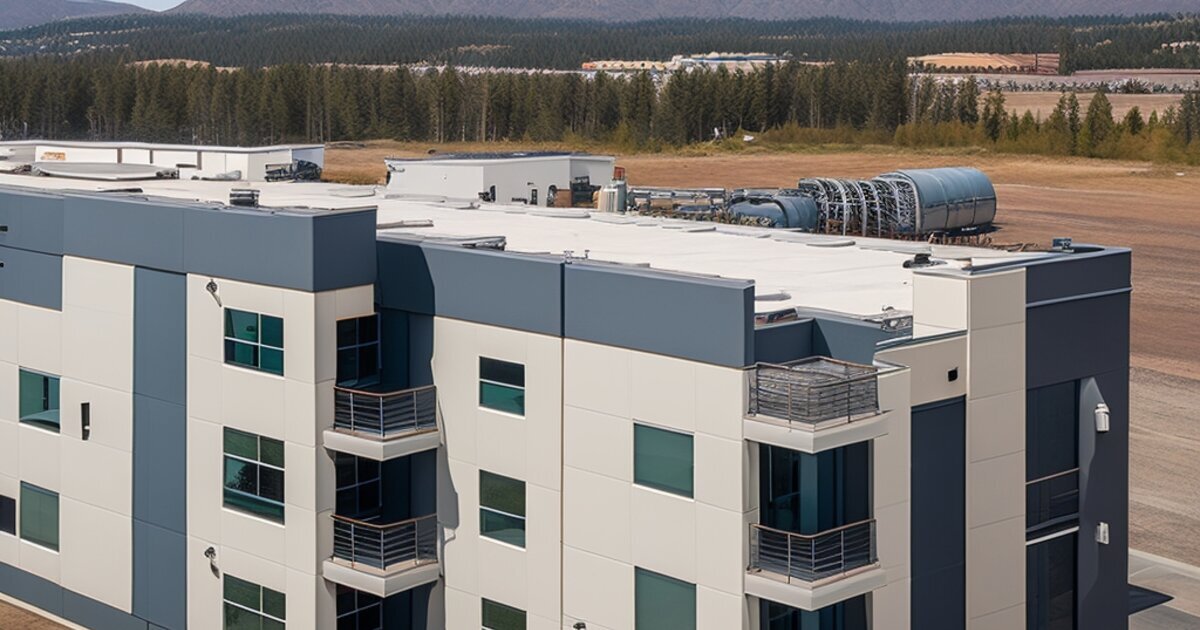
Mesa has a practical mix of industrial, warehouse, and healthcare-like operations where coating work is constrained by uptime, sanitation, and stricter performance requirements. That makes Mesa projects closer to a risk-managed program than a one-off surface improvement.
This post helps operations leaders, safety teams, and facilities directors evaluate coatings for a Mesa context where reliability is as important as appearance. Working with a Mesa commercial painting contractor who understands industrial uptime, healthcare-adjacent containment, and desert climate controls reduces both downtime and compliance risk.
Quick Answer
Mesa commercial painting projects should be planned around uptime, desert heat, dust control, and documentation. Industrial spaces need abrasion- and chemical-resistant systems, while healthcare-adjacent spaces need low-odor materials, tight containment, and traceable closeout records. The right Mesa commercial painting contractor will coordinate phasing, environmental monitoring, and documentation around these constraints.
Quick Answer
Mesa commercial painting should be treated as a risk-managed program for active industrial, warehouse, and healthcare-adjacent facilities. The best plans define uptime constraints, environmental thresholds, cleanability requirements, and closeout documentation before procurement. For warehouse-heavy Mesa operations, use Warehouse and Distribution Center Painting as a companion planning resource.
Key Concepts
What to Expect in Mesa Deployments
Mesa projects often fall into three patterns:
- Logistics and distribution shells needing durable traffic and abrasion performance.
- Small-batch industrial operations requiring fast closeouts and low downtime.
- Medical and support facilities where contamination and visual quality must remain tightly controlled.
In all three, unplanned rework is expensive because facility disruption, not just labor, becomes the true cost multiplier.
| Mesa Facility Type | Coating Priority | Planning Focus |
|---|---|---|
| Logistics and distribution | Abrasion resistance at traffic lanes and dock edges | Zone work around loading schedules |
| Small-batch industrial | Chemical tolerance and fast return-to-service | Define shutdown windows and cure times |
| Healthcare support | Low odor, cleanability, and dust control | Use containment and audit-ready documentation |
| Exterior utility boundaries | UV, edge, and penetration durability | Detail joints, fasteners, and transition points before work starts |
Pre-Work Planning for High-Sensitivity Environments
Begin with a pre-work matrix before bid comparison.
- List critical operations: loading docks, patient/public access points, shared corridors, utility routes.
- Set environmental control needs: temperature windows, humidity checks, and ventilation requirements.
- Define acceptable interruption windows: not just total project days, but per zone.
- Document acceptance criteria: visual standards, clean handoff points, and testing checks.
This is the same pattern used in The Facility Manager’s Guide to Coating Contractor RFQs, and it dramatically lowers scope ambiguity.
Surface Strategy by Operation Type
Industrial Distribution Surfaces
For warehousing and dispatch-heavy environments, prioritize chemical and wear resilience plus fast-clean performance after cure. Focus on high-traffic edge zones and threshold transitions first.
Healthcare and Medical Support Spaces
For spaces with hygiene pressure, add infection-control-aware surface and cleanup planning, and require easy-clean film behavior during routine maintenance cycles.
Coordinate with environmental or infection-risk policies and use conservative dust-control standards during all phases.
Exterior Interfaces and Utility Boundaries
Plan detailing for joint lines, penetrations, loading aprons, and transition edges before mobilization. Most failures in this environment come from missed edge details, not poor overall film chemistry.
Climate and Weather Controls in Mesa
Mesa shares Southwest heat concerns, but operational schedules often tighten around logistics windows and staffing patterns.
- Split work shifts around the hottest time block.
- Track substrate temperature hourly.
- Pause application when humidity or wind creates adhesion risk.
- Reconfirm surface prep quality whenever weather changes significantly between phases.
If you are handling summer execution at scale, use the methods in Phoenix Summer Painting: Heat Scheduling and Substrate Temperature Limits and How to Plan a Coating Maintenance Schedule as a baseline.
Compliance and Documentation
For healthcare-adjacent or regulated facilities, documentation is now part of the product performance system.
- Keep material and batch tracking records linked to area IDs.
- Record condition photographs from fixed viewpoints.
- Track environmental measurements against stated thresholds.
- Keep closeout packets in a consistent handover template.
This improves audit readiness and reduces post-closeout disputes.
Choosing a Mesa Commercial Painting Contractor
Use procurement questions that reveal execution maturity. A qualified Mesa commercial painting contractor should provide clear answers on production quality tracking, environmental excursion protocols, phase closeout requirements, and daily log distribution.
Phasing Pattern for Mesa Operations
Avoid one-zone-at-a-time if the business is fully active. Use corridor-oriented phasing where traffic and service impact are constrained in advance.
- Prepare and protect one zone only.
- Execute during pre-cleared windows.
- Inspect and close at agreed checkpoints.
- Brief operations teams before moving into the next zone.
This pattern keeps the rest of the facility stable while still allowing measurable progress.
Facility Manager Checklist
- Map Critical Operations First: Identify loading docks, patient access points, and utility routes before defining coating scopes.
- Set Environmental Control Thresholds: Document temperature windows, humidity limits, and ventilation needs for each work zone.
- Define Per-Zone Interruption Windows: Specify acceptable downtime by area rather than relying on total project duration alone.
- Require Material and Batch Tracking: Link coating materials to area IDs for healthcare audit readiness and quality traceability.
- Use Corridor-Oriented Phasing: Sequence work to keep traffic and service impact constrained to one zone at a time.
- Monitor Substrate Temperature Hourly: Track surface temperatures during Mesa summer heat to avoid adhesion failure.
- Request Daily Log Sharing: Require the Mesa commercial painting contractor to submit daily logs and acceptance checklists within 24 hours of each shift.
Frequently Asked Questions
What makes Mesa commercial painting different from standard interior repainting?
Mesa projects often combine desert heat, dust, active operations, and higher-performance coating requirements. Planning must account for substrate temperature, phasing, ventilation, and facility-specific downtime limits.
What documentation should Mesa facility managers require?
Require area IDs, material and batch tracking, daily logs, environmental readings, progress photos, and acceptance checklists. These records reduce closeout disputes and support regulated or healthcare-adjacent operations.
When should Mesa facilities schedule exterior coating work?
Early morning and cooler seasonal windows are usually best. Avoid periods when substrate temperatures exceed manufacturer limits, wind creates overspray risk, or monsoon moisture threatens adhesion.
Related Reading
- Industrial Coating Specifications: A Template Library for Engineers
- Arizona Monsoon and Dust Storm Coating Protection
- Commercial Painting Project Management: A Facility Manager’s Guide
- Healthcare Facility Painting: Risk and Compliance Priorities
- Case Study: Restoring a 40-Year-Old Tank Farm with Modern Epoxy Systems
- Video: Monsoon Season Coating Protection in Action
- Mesa Commercial Painting Contractor
Frequently Asked Questions
What makes Mesa commercial painting different from standard interior repainting?
Mesa projects often combine desert heat, dust, active operations, and higher performance coating requirements. Planning must account for substrate temperature, phasing, ventilation, and facility specific downtime limits.
What documentation should Mesa facility managers require?
Require area IDs, material and batch tracking, daily logs, environmental readings, progress photos, and acceptance checklists. These records reduce closeout disputes and support regulated or healthcare adjacent operations.
When should Mesa facilities schedule exterior coating work?
Early morning and cooler seasonal windows are usually best. Avoid periods when substrate temperatures exceed manufacturer limits, wind creates overspray risk, or monsoon moisture threatens adhesion.
Frequently Asked Questions
What commercial painting issues are most common in Mesa facilities?
Mesa facilities often combine logistics traffic, industrial wear, healthcare-adjacent cleanliness needs, and high summer substrate temperatures. The common risks are rushed shutdown windows, coating work on overheated surfaces, poor edge detailing at utility areas, and incomplete documentation for regulated or high-sensitivity spaces.
How should Mesa healthcare-adjacent spaces be painted?
Healthcare-adjacent Mesa spaces should use cleanable, low-odor coatings with conservative dust controls, clear ventilation planning, and material records by area. Even when a space is not a hospital, medical support operations often need infection-control-aware scheduling, wipeable finishes, and documented closeout before reopening.
What coating priorities matter for Mesa industrial operations?
Mesa industrial operations should prioritize abrasion resistance, chemical compatibility, cure speed, and maintenance access. Loading docks, utility interfaces, threshold transitions, and service corridors deserve extra detailing because many coating failures start at edges and joints rather than broad wall or floor areas.
Can Mesa painting projects be phased around active operations?
Yes. Mesa projects should be phased by corridor, service route, and interruption tolerance. Each zone needs defined environmental limits, access controls, inspection criteria, and handoff documentation so the rest of the facility can remain stable while coating work progresses.