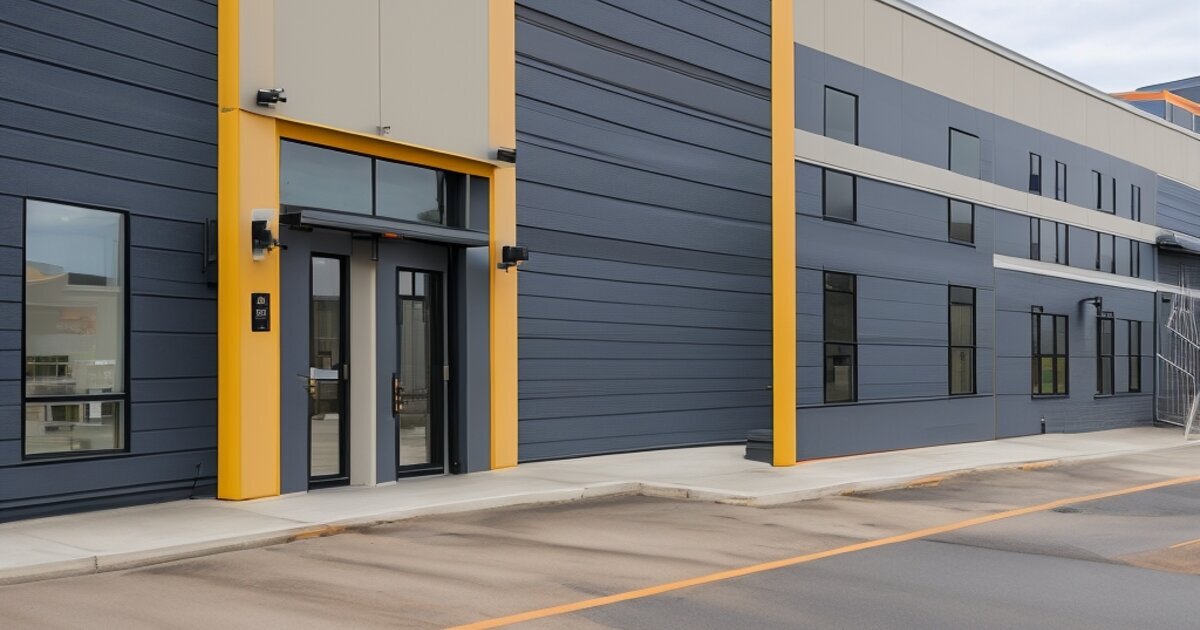
Occupied repainting projects fail for predictable reasons: unclear phasing, vague communication, weak containment, and no shared definition of done. The paint system can be excellent and still produce a painful project if operations are treated as an afterthought.
For facility managers, this is a business continuity problem first and a coatings problem second. If people cannot work, tenants cannot serve customers, or dust drifts into sensitive areas, the project is already off track no matter how clean the finish looks.
This checklist is built for BOFU decision-making: selecting the right execution plan, validating contractor readiness, and controlling field performance through closeout. Use it before award, during mobilization, and throughout production to keep occupied repainting low-drama, low-risk, and predictable.
Quick Answer
Occupied commercial repainting succeeds when the work is phased by tenant impact, communicated on a predictable cadence, and controlled for dust, odor, noise, access, and daily cleanup. Facility managers should require written work windows, containment methods, acceptance criteria, and building-support responsibilities before crews mobilize.
| Constraint | Best Work Window | Required Control |
|---|---|---|
| Lobby or public corridor traffic | Nights, weekends, or low-traffic mornings | Alternate routes, signage, and daily reopening standard |
| Odor-sensitive offices or clinics | Off-hours with HVAC support | Low-VOC products, ventilation, and documented reoccupancy timing |
| Dust-producing prep | Isolated night/weekend shifts | Barriers, source vacuuming, and return-air protection |
| Tenant suite touch-ups | Scheduled micro-windows | Tenant notice, escort access, and same-shift cleanup |
Why occupied repainting is different
In an empty building, access drives speed. In an occupied building, constraints drive everything. You are balancing three priorities at the same time:
- Protect operations and tenant experience.
- Deliver coating performance and appearance.
- Finish on schedule with minimal callback risk.
That means your planning must account for circulation paths, business hours, cleaning standards, odor sensitivity, and security controls before a drop cloth ever hits the floor. A great occupied plan defines not just where crews paint, but when they can work, what they must isolate, how they notify stakeholders, and what triggers stop-work if conditions drift.
Preconstruction: lock the plan before mobilization
Most avoidable chaos starts in preconstruction. A two-hour operations-focused kickoff can save weeks of field friction.
Start by mapping occupancy by zone:
- Public-facing spaces (lobbies, corridors, retail entries)
- Work areas with routine foot traffic
- Sensitive rooms (medical, food prep, labs, server rooms)
- Time-restricted zones (conference/event spaces, tenant suites)
For each zone, define an approved work window: nights, weekends, early mornings, or micro-windows between tenant use. If a zone only allows four-hour windows, your crew strategy, material staging, and dry-time assumptions need to reflect that reality.
Then align deliverables in writing:
- Final color/sheen schedule by room or elevation
- Surface prep scope and patch limits
- Protection requirements for floors, FF&E, and equipment
- Dust, odor, and noise controls by area type
- Access protocols, escort needs, and security sign-off
- Daily cleanup expectations and turnover times
Treat this as an operational scope matrix, not just a paint specification. If it is not documented, teams will improvise in the field, and occupied sites are unforgiving to improvisation.
Staging and logistics: build a controlled work environment
Occupied projects improve when staging is intentionally designed. Random material placement, shared corridor congestion, and unplanned lift routes are common sources of complaints.
Set up staging with four controls:
1) Dedicated material zones
Assign fixed laydown and mixing points away from primary tenant paths. Label them and limit storage volume to what is needed for the next shift window. This reduces clutter, improves safety, and keeps the building feeling managed.
2) Protected transport routes
Pre-approve routes for tools, ladders, lifts, and debris bags. Use corner guards and floor protection where needed. If routes pass active suites, schedule transport at low-traffic times.
3) Vertical access planning
If elevators are shared with tenants, reserve service windows in advance. Define backup plans for elevator outages. Vertical access bottlenecks can quietly consume hours each shift.
4) Daily reset standard
Set a non-negotiable end-of-shift reset: trash out, surfaces cleaned, protection inspected, signage removed or updated, and circulation restored. Occupied repainting is judged every morning by what people see at 7:00 a.m.
Communication protocol: prevent surprises before they happen
Communication is not one email blast at mobilization. It is a repeatable rhythm with audience-specific detail.
Establish a three-layer protocol:
- Weekly look-ahead (7 days): zones, dates, work windows, expected impacts, after-hours contacts.
- Daily notice (24 hours): exact rooms/corridors impacted, noise-producing tasks, odor potential, alternate routes.
- Day-of updates: real-time changes, delays, completed areas returned to service.
Send the right level of detail to each audience:
- Property/facility leadership: schedule, risk, decision points
- Tenant managers: access impacts, timing, route changes
- Front-desk/security teams: visitor guidance and incident escalation
- Contractor field leads: constraints and approved deviations
Use one source of truth for updates (shared dashboard, centralized email thread, or project portal). Fragmented communication is one of the fastest ways to lose trust.
Dust, odor, and noise control: where reputation is won or lost
Complaints usually come from what occupants feel, not what specs say. A clean finish does not offset dust in shared air or drilling noise during peak meetings.
Plan controls by impact type:
Dust control
- Isolate active work zones with temporary barriers.
- Use zipper doors and negative-air filtration where appropriate.
- Vacuum sanding dust at source; avoid open dry-sanding in occupied corridors.
- Seal return-air openings in active work zones when required by site policy.
Odor and IAQ control
- Prioritize low-VOC/low-odor systems when compatible with performance needs.
- Sequence odor-producing tasks into night/weekend windows.
- Increase ventilation rates during and after application based on manufacturer guidance.
- Document reoccupancy timing by coating type and ventilation condition.
Noise control
- Reserve abrasive prep, drilling, or saw-cutting for approved off-hour windows.
- Batch high-noise tasks instead of random intermittent bursts.
- Publish a noise calendar so tenants can plan around peak events.
When these controls are explicit, occupants experience the project as organized rather than disruptive.
Night and weekend windows: use them strategically
After-hours access is valuable, but it does not automatically fix poor planning. Use off-hours for tasks with the highest disruption potential, not as a blanket schedule.
Best candidates for night/weekend windows include:
- Surface prep that generates sustained noise
- Lobby and primary corridor work
- Odor-sensitive application phases
- Equipment moves through public areas
Protect labor productivity by defining realistic shift goals. Overloading a single night shift with too many zones leads to partial completion, uneven cleanup, and Monday-morning complaints. Smaller, fully completed turnovers are safer than broad, unfinished footprints.
Also confirm support services for off-hours work:
- Security access and escort coverage
- HVAC runtime and controls
- Lighting availability by zone
- Waste disposal and freight elevator access
If building support is not aligned, after-hours plans fail quietly and push risk back into occupied daytime windows.
Acceptance criteria: define done before production starts
Many repainting projects drift at closeout because quality criteria were never operationalized. “Looks good” is not a closeout standard.
Define acceptance in preconstruction with documented criteria for:
- Coverage and uniformity at agreed viewing distance and lighting
- Cut lines, edge quality, and transition neatness
- No paint transfer, overspray, or residue on protected surfaces
- Patch blending and texture consistency
- Hardware, signage, and accessories restored and functional
- Final cleaning, debris removal, and route restoration
Then add process checkpoints:
- Mockup approval for color/sheen and workmanship
- Area turnover inspections per phase (not only at project end)
- Punch list closure windows with accountable owners
- Final walk that includes facility and tenant stakeholder representatives
When the finish criteria and turnover process are clear from day one, closeout becomes a controlled verification event instead of a negotiation.
Diagram: occupied repainting control loop
<rect class="node" x="70" y="70" width="220" height="95" />
<text class="label" x="90" y="108">1. Plan & Stage</text>
<text class="sub" x="90" y="132">Zone maps, windows, logistics</text>
<rect class="node" x="340" y="70" width="220" height="95" />
<text class="label" x="360" y="108">2. Communicate</text>
<text class="sub" x="360" y="132">7-day, 24-hour, day-of notices</text>
<rect class="node" x="610" y="70" width="220" height="95" />
<text class="label" x="630" y="108">3. Control Impacts</text>
<text class="sub" x="630" y="132">Dust, odor, noise, routes</text>
<rect class="node" x="610" y="245" width="220" height="95" />
<text class="label" x="630" y="283">4. Execute Windows</text>
<text class="sub" x="630" y="307">Night/weekend high-impact work</text>
<rect class="node" x="340" y="245" width="220" height="95" />
<text class="label" x="360" y="283">5. Inspect & Accept</text>
<text class="sub" x="360" y="307">Turnovers, punch, closeout</text>
<rect class="node" x="70" y="245" width="220" height="95" />
<text class="label" x="90" y="283">6. Reset Daily</text>
<text class="sub" x="90" y="307">Clean, reopen, adjust next shift</text>
<path class="flow" d="M290 118 H340" />
<path class="flow" d="M560 118 H610" />
<path class="flow" d="M720 165 V245" />
<path class="flow" d="M610 292 H560" />
<path class="flow" d="M340 292 H290" />
<path class="flow" d="M180 245 V165" />
<path class="flow" d="M190 70 V50 H710 V70" />Practical checklist to run zero-drama execution
Use this during contractor interviews and weekly progress reviews. If a contractor cannot answer these clearly, field execution risk is high.
Facility Manager Checklist
- Confirm written zone-by-zone work windows, including night/weekend approvals and daytime restrictions.
- Approve a communication cadence (7-day look-ahead, 24-hour notice, and day-of change alerts) with named contacts.
- Verify dust, odor, and noise controls by area type, including containment method and cleanup standard.
- Review staging and transport routes for materials, equipment, and debris to avoid tenant circulation conflicts.
- Define acceptance criteria in advance: finish quality, protection integrity, turnover cleanliness, and punch closure timelines.
- Require phased turnovers with documented inspections rather than waiting for a single end-of-project walkthrough.
- Align building support services (security, HVAC, elevators, lighting, waste) to every planned after-hours shift.
Contractor selection signals that matter in occupied work
Not all painting contractors are built for occupied operations. During selection, prioritize evidence of process maturity, not just low bid price.
Look for:
- Sample communication templates used on previous occupied projects
- A documented containment and environmental control approach
- Clear superintendent ownership with real-time decision authority
- Proof of phased turnover discipline and closeout performance
- References from facility teams with similar occupancy constraints
Ask direct scenario questions:
- “What do you do if a tenant declines access during a planned window?”
- “How do you recover schedule if two night shifts are canceled?”
- “Who approves a field change that affects odor or noise exposure?”
Strong occupied contractors answer with process, not generic reassurances.
Common failure points and quick corrections
Even with strong planning, projects can drift. Catch these early:
-
Failure: Scope spreads across too many active zones. Correction: Reduce open fronts and prioritize full turnover of fewer zones.
-
Failure: Tenant complaints spike without pattern tracking. Correction: Log complaint type, location, and time; adjust methods by trend.
-
Failure: Night shifts underperform due to access friction. Correction: Reconfirm escorts, freight access, and HVAC/lighting availability 24 hours ahead.
-
Failure: Punch list grows late in project. Correction: Increase interim inspections and close punch items within each phase.
Operational discipline beats heroic recovery. Small weekly corrections prevent end-stage disruption.
Frequently Asked Questions
How do you repaint an occupied commercial building without disrupting tenants?
Use zone-by-zone phasing, advance notices, protected routes, and daily cleanup standards. High-impact tasks such as sanding, corridor painting, and odor-producing applications should be scheduled outside peak occupancy.
What should tenant notices include before repainting starts?
Tenant notices should list the exact work area, date, work window, expected impacts, alternate routes, odor or noise potential, and an escalation contact. A 7-day look-ahead plus a 24-hour reminder works well for most occupied facilities.
Are low-VOC paints always enough for occupied repainting?
Low-VOC paints reduce odor and indoor air quality concerns, but they do not replace ventilation, sequencing, and reoccupancy planning. Sensitive spaces may still need after-hours work and documented cure times.
Closeout that protects your next project
Closeout is where reputations harden. A strong finish leaves tenants with confidence and leadership with proof that occupied work can be done responsibly.
Before final sign-off, confirm:
- All zones returned to full operation with no lingering protection or debris
- Touch-up log completed and accepted by facility representative
- Product data and maintenance guidance delivered to operations team
- Warranty terms documented with clear claim contacts and response expectations
Capture lessons learned while details are fresh. Document what windows worked best, where communication lagged, and which controls produced the fewest complaints. That playbook becomes your advantage on the next repaint cycle.
For occupied commercial repainting, zero drama is not luck. It is the result of structured staging, predictable communication, strict impact controls, disciplined off-hour execution, and objective acceptance criteria. Build those into the project from day one, and you will protect both building performance and occupant trust.