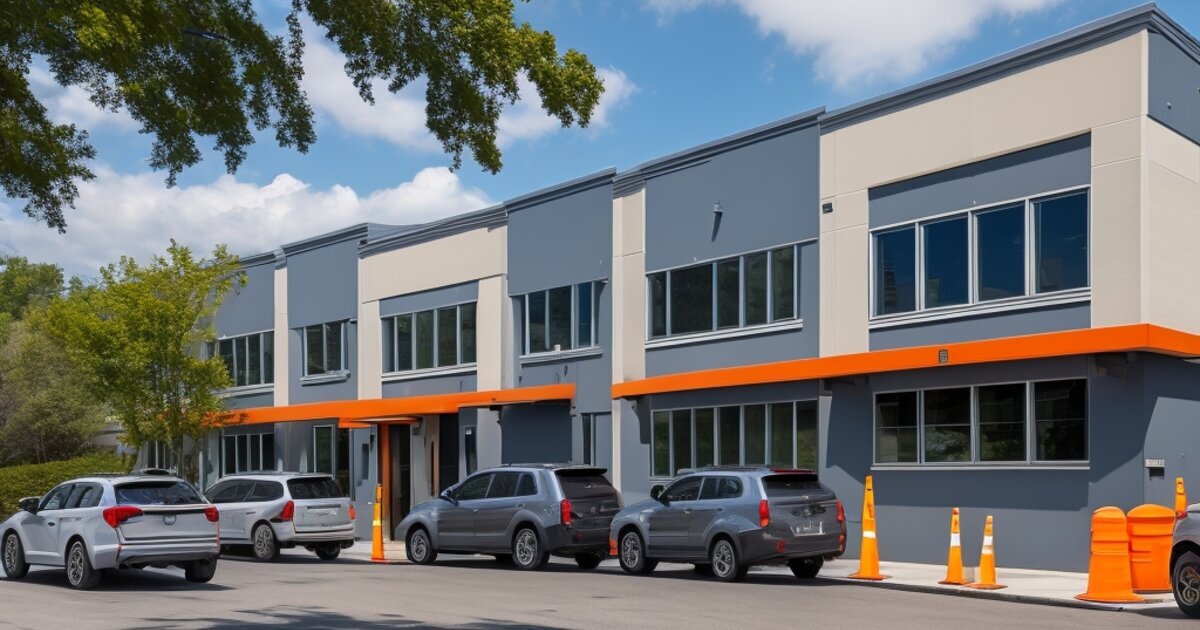
Repainting a multi-family property is one of the most visible improvements a property manager or HOA board can make. Fresh paint protects siding, boosts curb appeal, and preserves property values. But when residents are already living in the building, every brushstroke has the potential to create friction. Noise, odor, restricted access, and scheduling surprises can quickly turn a value-add project into a source of complaints.
The good news: with the right communication, phasing, and material choices, repainting an occupied apartment complex or condominium does not have to feel like a construction zone. This guide covers practical strategies for planning and executing multi-family repainting with minimal disruption to residents.
Quick Answer
To minimize tenant disruption during multi-family repainting, notify residents 30 to 60 days in advance, phase work by building or floor, limit noisy tasks to weekday business hours, use low-VOC coatings, and assign one contact for questions. The best plans protect parking, balconies, pets, unit access, and common-area routes before crews arrive.
Key Concepts
Start with a Clear Communication Strategy
Resident complaints rarely start with the paint itself. They start with surprise. A tenant who wakes up to scaffolding outside their bedroom window or returns home to find their parking spot blocked will remember the inconvenience long after the paint has dried.
A strong communication plan should include:
- Advance written notice: Deliver 30- to 60-day notices via email, tenant portals, and physical mail. Include start and end dates, affected areas, and contact information for questions.
- Resident meetings or virtual Q&As: For large projects, host an information session. This gives residents a chance to ask questions and allows management to address concerns before work begins.
- On-site signage: Post visible signs in lobbies, elevators, mailrooms, and affected common areas with daily or weekly schedules.
- A resident FAQ document: Cover common questions about noise hours, paint odors, pet safety, balcony access, parking, and how to report concerns.
Make it easy for residents to reach someone. Assign a single point of contact on your team or with your painting contractor so questions do not fall through the cracks.
Phasing Strategies: Break the Project into Manageable Pieces
Trying to paint an entire complex at once maximizes visual progress but also maximizes disruption. Most occupied multi-family properties benefit from phased work.
Building-by-Building
For properties with multiple structures, painting one building at a time keeps the rest of the community untouched. This works well for garden-style apartments and townhouse clusters. It also allows you to test schedules, refine communication, and address feedback before expanding to the next phase.
Floor-by-Floor
In high-rise or mid-rise buildings, vertical phasing limits scaffolding and elevator congestion. Residents on completed floors enjoy normal access while work moves upward or downward. This approach simplifies interior corridor painting and reduces the number of units affected by noise at any given time.
Wing-by-Wing
For sprawling complexes with multiple wings or courtyards, horizontal phasing keeps large sections of the property fully operational. It also allows landscaping, pool areas, and recreation spaces to remain open while one section is being worked on.
Phasing may extend the overall timeline and can increase costs slightly due to multiple mobilizations, but the tradeoff in resident satisfaction and operational continuity is usually worth it. We will cover cost considerations in more detail below.
Schedule Around Resident Life
The best painting schedule respects the rhythms of daily life in a residential community.
- Avoid weekends and major holidays whenever possible. Residents are home more often, and noise restrictions are typically tighter.
- Limit noisy work to mid-morning through mid-afternoon on weekdays, typically 8:00 a.m. to 5:00 p.m., depending on local ordinances and lease provisions.
- Protect common areas by scheduling work near entrances, mailrooms, and elevators during low-traffic hours. If a hallway must be closed, provide clear alternate routes.
- Coordinate with maintenance and landscaping so multiple contractor crews are not competing for space, parking, or resident attention at the same time.
Experienced painting contractors who specialize in multi-family and commercial properties will already be accustomed to these constraints. Make sure your RFP and contract language reflect them.
Managing Interior Unit Access
When common area painting extends into unit interiors, access becomes the most sensitive part of the project.
- Provide 48-hour notice before entering any occupied unit. Follow all state and local laws, as well as lease terms, regarding entry.
- Offer pet accommodations. Some residents may prefer to board pets or keep them in a specific room while painters are present. Ask in advance and note any special instructions.
- Protect furniture and flooring. Use drop cloths, plastic sheeting, and shoe covers. Move and cover items carefully, and document the condition of the unit before work begins.
- Aim for same-day completion on unit interiors. Nothing frustrates a resident more than a multi-day project inside their home. Proper crew sizing and material planning make this achievable for standard repaint work.
Trust is built by treating resident spaces with the same care you would expect in your own home.
Exterior Work: Safety, Access, and Parking
Exterior repainting in multi-family buildings introduces logistical challenges that do not exist in single-family homes.
- Scaffolding and lift safety: Ensure all elevated work platforms comply with OSHA standards and that walkways below are clearly marked or protected. Residents should not have to walk under active scaffolding to reach their front door.
- Parking management: Exterior painting often requires temporary parking closures. Notify residents early, provide alternate parking maps, and coordinate with towing services to avoid conflicts.
- Balcony access restrictions: If balconies or patios are being painted, let residents know when they will be inaccessible and for how long. Suggest alternatives for smokers, pet owners, and anyone who uses their balcony as outdoor living space.
Rain days and unexpected delays happen. Update signage and resident communications promptly when schedules shift.
Choose Low-VOC and Low-Odor Products
Paint odors travel in shared hallways, elevator shafts, and HVAC systems. In an occupied building, material selection is not just a sustainability decision, it is a quality-of-life decision.
Low-VOC and zero-VOC coatings have advanced significantly in recent years. Modern formulations offer excellent durability, coverage, and color retention without the harsh fumes associated with traditional paints. For interior common areas and unit turnovers, specify low-odor products and ask your contractor about ventilation strategies.
If your board or management company has sustainability goals, this is also an opportunity to align the project with broader ESG priorities. Learn more in our post on Zero-VOC and Sustainable Coating Systems.
Handling Complaints and Change Orders Mid-Project
Even the best-planned projects encounter surprises. A resident may complain about noise, request a different color, or notice a scuff that was not there before.
Establish a clear escalation path at the outset:
- Field-level resolution: Train crew leads to handle minor concerns politely and immediately. A simple apology and adjustment of work timing can defuse most issues.
- Daily check-ins: Have your property manager or project supervisor walk the site each day to catch problems early.
- Document everything: Take photos of unit conditions, log complaints, and record any schedule changes. Documentation protects both the property and the contractor.
- Manage change orders carefully: Resident color requests, additional touch-ups, or scope changes should go through a formal approval process. Avoid informal additions that balloon costs or extend schedules without board or management sign-off.
A contractor experienced in commercial painting project management will already have systems in place for quality control and issue tracking.
Cost Implications: Phased Work vs. Single Mobilization
There is a natural tension between minimizing resident disruption and controlling project costs.
A single mobilization, where the entire property is painted at once, is generally the most cost-efficient approach. Crews are on site continuously, scaffolding is moved less frequently, and administrative overhead is lower. However, the resident impact is highest, and operational challenges multiply.
Phased work may cost 10 to 20 percent more overall due to:
- Multiple mobilizations and demobilizations
- Extended project management and supervision
- Repeated setup of containment, signage, and safety equipment
- Potential overtime to complete each phase on schedule
For many properties, the benefits of phased work outweigh the added cost. Higher resident retention, fewer complaints, and reduced risk of legal or regulatory issues can more than cover the difference. If budget is tight, consider a hybrid approach: paint exteriors in phases while grouping interior unit work into larger, efficient batches during turnover periods.
For a deeper look at budgeting tradeoffs, see Commercial Painting Costs: Budget Drivers and Cost-Reduction Strategies.
Tenant Communication Timeline and Checklist
Use this checklist to keep your communication on track from planning through completion.
| Timing | Action |
|---|---|
| 60 days out | Announce the project to residents via email, portal, and mail. Include scope, timeline, and contact information. |
| 45 days out | Host a resident meeting or publish a detailed FAQ. Collect questions and update materials. |
| 30 days out | Post initial signage. Confirm parking and access plans with your contractor. |
| 14 days out | Send a reminder notice with the start date, affected areas, and any resident preparation steps. |
| 48 hours out | Provide unit entry notices for any interior work. Confirm pet accommodations or special requests. |
| Day before | Post daily schedule signage. Confirm weather and crew readiness. |
| During the project | Update signage weekly or when schedules change. Respond to complaints within 24 hours. |
| Upon completion | Thank residents for their patience. Provide final walkthrough information and warranty details. |
Final Thoughts
Repainting an occupied multi-family property is as much about people management as it is about paint application. Property managers and HOA boards who invest in clear communication, thoughtful phasing, and resident-friendly scheduling will see smoother projects, stronger community relationships, and better long-term results.
If your HOA or property management team is preparing for a major painting project, our team has additional resources to help. Explore our guides on HOA Community Painting Project Planning and the HOA Planning Guide for Community Painting Projects for more on budgeting, contractor selection, and board decision-making.
Standards & Sources
Related Reading
- HOA Community Painting Project Planning
- HOA Planning Guide for Community Painting Projects
- Commercial Painting Costs: Budget Drivers and Cost-Reduction Strategies
- Painting Commercial Buildings While Occupied: Strategies for Zero Disruption
- Occupied Commercial Building Repainting Checklist for Zero-Drama Projects
Facility Manager Checklist
- Issue 30-60 Day Advance Notice: Deliver written project announcements via email, tenant portals, and physical mail with full timelines.
- Phase by Building or Floor: Limit simultaneous disruption by painting one building or one floor at a time in occupied properties.
- Restrict Noisy Work to Weekdays: Schedule power sanding, spraying, and loud equipment between 8 AM and 5 PM on business days.
- Provide 48-Hour Unit Entry Notice: Comply with lease terms and state laws before accessing any occupied apartment for interior work.
- Select Low-VOC, Low-Odor Products: Specify modern low-odor formulations to protect indoor air quality in shared residential buildings.
- Protect Resident Property: Use drop cloths, plastic sheeting, and shoe covers; document unit conditions before work begins.
- Establish Clear Escalation Paths: Train crew leads to resolve minor concerns immediately and log all complaints with photo documentation.
Frequently Asked Questions
How much notice should tenants receive before repainting starts?
Most multi-family properties should provide 30 to 60 days of general notice, then follow with 14-day reminders and 48-hour notices for any unit entry. Local laws and lease terms may require specific entry notice language.
What is the least disruptive way to repaint an occupied apartment complex?
Phased scheduling is usually least disruptive. Painting one building, floor, wing, or courtyard at a time keeps most residents on normal routines while crews complete contained sections.
Are low-VOC paints worth specifying for multi-family interiors?
Yes. Low-VOC and low-odor coatings reduce complaints in shared hallways, lobbies, elevators, and occupied units while still providing durable finishes when properly specified.
At Moorhouse Coating, we specialize in multi-family and commercial painting projects designed to protect your property and respect your residents. Contact us to discuss your upcoming project and receive a tailored plan that keeps disruption to a minimum.