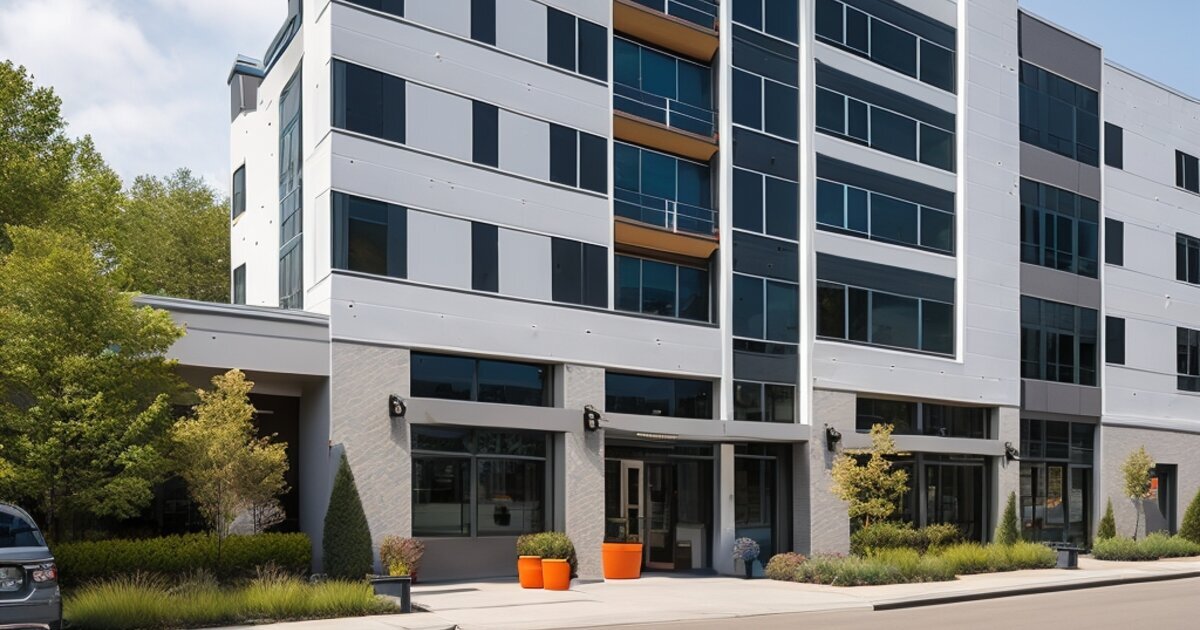
This case study covers a two-campus clinical hospitality-adjacent program where a regional healthcare system needed cosmetic and durability upgrades across patient-facing support buildings without affecting emergency care, scheduled treatments, or occupancy in an attached recovery hotel.
The outcome was a controlled execution model that preserved service continuity while improving surface performance and visual quality.
Quick Answer
Healthcare and hospitality facility painting can be completed without critical service disruption when the project is governed by ICRA requirements, low-to-zero VOC materials, micro-phased work zones, and documented release criteria for each occupied area.
Key Takeaways
| Result Area | Case Study Outcome |
|---|---|
| Service continuity | No emergency service disruption during active phases |
| Occupant experience | No patient-facing complaint surge tied to coating activity |
| Compliance | Complete environmental and closeout logs accepted without escalation |
| Quality control | Fewer post-closeout touch-up requests through zone-level handoff |
Key Concepts
Project Conditions That Increased Complexity
The program included:
- 180-bed outpatient center with high-acuity workflows,
- connected hospitality and family-support suite,
- strict Joint Commission and CMS considerations for patient areas,
- intensive daily disinfection programs running throughout implementation.
Any paint dust, VOC odor, or access interruption inside patient corridors would have required schedule extensions and additional risk controls.
Initial Risk Mapping
The planning team began with a zone map by risk and sensitivity:
- Protected care zones: oncology waiting areas, procedure prep rooms, high-touch public surfaces
- Support and transition zones: family suite lobby, short-stay recovery suites, pharmacy adjacency
- Lower-risk zones: external access routes, service corridors, selected office-only areas
Each zone got different acceptance criteria for containment, airflow, and timing.
Compliance Foundation
The contractor and facilities team used a single execution rulebook that included:
- Infection Control Risk Assessment (ICRA) requirements for every active zone.
- Day-to-day coordination with infection prevention leadership.
- Zero-entry policy for unauthorized service teams through active work zones.
- Daily environmental log with pressure differential, VOC exposure checks, and room release notes.
From a governance perspective, this kept accreditation and infection-control obligations auditable at every handoff.
Low-Interruption Scheduling
The schedule avoided weekend overruns and avoided general occupancy spikes.
- Night and early-morning coating windows for highest-sensitivity areas.
- Micro-phased execution in high-touch zones with one release per night.
- One-day cooling windows for cure-dependent operations to minimize touch contamination.
All changes were visible in a shared board with daily closeout status, not only for contractors but for clinical operations.
VOC and Material Controls
Material strategy targeted low-to-zero VOC interior applications in patient- and visitor-facing spaces.
Execution standards included:
- pre-approved product list tied to area type,
- contractor confirmation of storage, handling, and ventilation requirements,
- lot-level documentation for each batch used in each zone,
- sign-off by facilities before moving to the next phase.
This did not reduce quality expectations. It made the approval path cleaner and reduced back-and-forth during closeout.
Documentation and Handoff Model
Given medical oversight needs, closeout moved beyond photos and sign-offs.
Required artifacts per zone included:
- pre- and post-airflow verification,
- cleanup verification by infection control,
- touchpoint-level acceptance notes,
- retained batch and substitution record.
This was especially important for the hospitality interface, where daily room turnover required clear and repeatable standards.
Common Issues and Mitigations
Short Environmental Excursions
Night shifts exposed two isolated zones to humidity shifts that threatened cure targets. Work paused in those zones and resumed when conditions stabilized.
Occupancy-Adjacent Surface Dust
In a shared entrance corridor, dust control barriers were upgraded mid-project after first-pass inspection indicated risk around a shared lintel interface.
Supplier Timing
A near term shortage in a specific antimicrobial-ready product forced one substitution request. Pre-approved substitution criteria prevented delay and preserved compliance.
Performance Outcomes
- No emergency service disruption during active phases.
- No patient-facing complaint surge attributable to coating activity.
- Cleaner handoff quality: measurable reduction in post-closeout touch-up requests.
- Documented compliance trail: complete logs and closeout packets accepted without escalation.
The facility team retained full continuity for critical operations while still receiving a full corridor and suite refresh.
Operational Lessons
The highest-value lessons were process, not product:
- Build infection-control governance into the procurement scope.
- Use micro-phased closeout rather than broad releases.
- Treat documentation as part of quality control, not a final admin task.
For technical controls and standards, pair this with:
- Healthcare Facility Painting: Infection Control, Compliance, and Best Practices
- The Facility Manager’s Guide to Coating Contractor RFQs
- Confined Space Painting Compliance: OSHA 1910.146
Facility Manager Checklist
- Build infection-control governance into procurement: Require ICRA compliance, infection prevention coordination, and daily environmental logs in the contract scope.
- Map zones by risk sensitivity: Classify areas as protected care zones, support transition zones, or lower-risk zones with different containment criteria.
- Use micro-phased closeout: Release one zone per night rather than broad releases to maintain clinical operations and air quality control.
- Pre-approve low-VOC product lists: Tie material selection to area type with lot-level documentation for each batch used.
- Establish pre- and post-airflow verification: Require airflow testing, cleanup verification by infection control, and touchpoint-level acceptance before zone release.
- Plan for environmental excursions: Build contingency pauses into the schedule for humidity shifts or unexpected contamination events.
- Treat documentation as quality control: Maintain complete logs, batch records, and closeout packets as part of the compliance trail, not as final admin tasks.
Frequently Asked Questions
Can healthcare painting happen while clinical spaces remain occupied?
Yes, but only when active work areas are isolated by risk level, containment is documented, and infection prevention leadership approves each phase before work begins.
What coating products are best for patient- and guest-facing areas?
Low-to-zero VOC systems with documented cleanability are preferred because they reduce odor, simplify air quality controls, and support faster release back to occupied use.
What documentation should facility teams require at handoff?
Ask for airflow records, VOC checks, batch records, cleanup verification, touchpoint acceptance notes, and any approved substitution documentation for each zone.
Standards & Sources
Related Reading
- Confined Space Painting Compliance: OSHA 1910.146
- Respiratory Protection Programs for Coating Contractors
- How to Write a Coating RFP
Frequently Asked Questions
Can healthcare painting happen while clinical spaces remain occupied?
Yes, but only when active work areas are isolated by risk level, containment is documented, and infection prevention leadership approves each phase before work begins.
What coating products are best for patient and guest facing areas?
Low to zero VOC systems with documented cleanability are preferred because they reduce odor, simplify air quality controls, and support faster release back to occupied use.
What documentation should facility teams require at handoff?
Ask for airflow records, VOC checks, batch records, cleanup verification, touchpoint acceptance notes, and any approved substitution documentation for each zone.