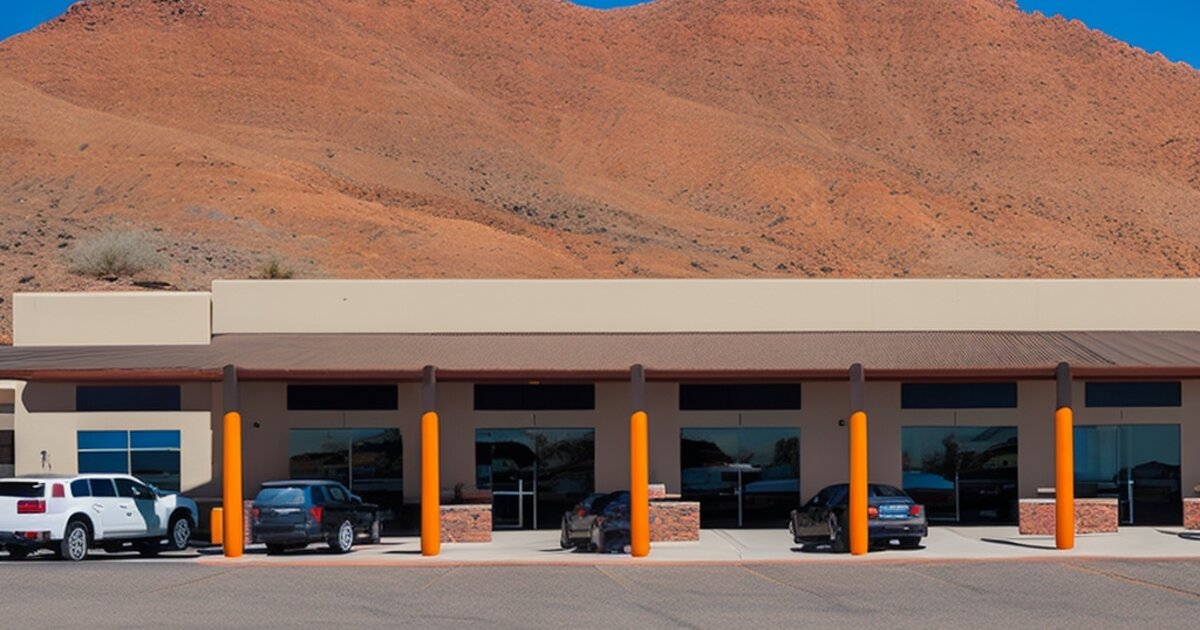
Surprise, Arizona has transformed from a quiet retirement community into one of the fastest-growing cities in the West Valley. With major retail corridors expanding along Bell Road and Greenway Road, and healthcare campuses anchoring new medical districts, facility managers in Surprise face a unique set of coating challenges. The combination of high-traffic retail environments, patient-sensitive healthcare spaces, and the unforgiving Sonoran Desert climate demands a strategic approach to commercial painting that goes far beyond cosmetic refresh cycles.
For facility managers overseeing properties in Surprise’s growth corridors, understanding how local development patterns interact with desert climate conditions is essential for long-term coating performance. This guide examines the specific painting considerations for retail and healthcare facilities in Surprise, with practical scheduling, coating selection, and contractor coordination strategies tailored to the West Valley’s expanding market.
Quick Answer
Commercial painting in Surprise, Arizona should prioritize UV-stable exterior coatings, phased work plans for occupied retail and healthcare buildings, and application windows that avoid extreme heat, dust storms, and monsoon disruptions. Retail facilities usually need brand-consistent, scuff-resistant finishes, while healthcare corridors require cleanable, low-odor, chemical-resistant coatings that support infection-control protocols.
Surprise Growth Corridor Ecosystem
Surprise’s Rapid Growth and Development Patterns
The City of Surprise has experienced remarkable population growth over the past decade, expanding from roughly 117,000 residents in 2010 to over 150,000 today. This growth has catalyzed significant commercial development, particularly along the Bell Road corridor and the Prasada Parkway area. Major retail anchors, medical office buildings, and mixed-use developments now serve a diverse demographic that includes retirees, young families, and healthcare workers commuting to the Banner Del E. Webb Medical Center and the soon-to-be-completed Valleywise Health medical campus.
This rapid expansion creates both opportunities and challenges for facility managers. New construction projects must meet brand standards and durability expectations from day one, while existing facilities require strategic maintenance to keep pace with increasing traffic and operational demands. The sheer pace of development in Surprise means that coating decisions made today will define property appearance and performance for the next decade of continued growth.
Desert Climate Factors in the West Valley
Surprise sits in the northwestern reaches of the Phoenix metropolitan area, where the Sonoran Desert climate is even more pronounced than in central Phoenix. Summer temperatures routinely exceed 110°F, with surface temperatures on exposed substrates climbing to 140°F or higher. UV radiation intensity is extreme, with more than 300 days of sunshine annually creating relentless photodegradation pressure on exterior coatings.
The West Valley location also exposes Surprise to unique wind patterns. Dust storms and haboobs sweep across the open desert west of the city, depositing fine particulate matter on exterior surfaces and creating abrasion risks during application. Monsoon season, typically from July through September, brings sudden humidity spikes, intense rainfall, and the potential for flash flooding that can damage freshly applied coatings or compromise surface preparation efforts.
Winter nights in Surprise can drop below freezing, creating thermal cycling stress on coating systems. The temperature differential between summer days and winter nights can exceed 70°F, demanding coating formulations with excellent thermal expansion tolerance and flexibility. For a broader perspective on managing coatings in Arizona’s desert environment, see our Phoenix commercial painting guide, which covers many of the same environmental challenges Surprise facility managers encounter.
Retail Facility Painting Considerations
Retail corridors in Surprise present a distinct set of coating requirements. The combination of high customer traffic, brand consistency demands, and extended operating hours means that painting work must be carefully planned to minimize disruption while delivering durable, visually appealing results.
Exterior retail surfaces face constant exposure to UV radiation, thermal cycling, and dust accumulation. Elastomeric acrylic coatings are commonly specified for stucco and masonry exteriors, providing the flexibility to accommodate thermal movement while maintaining color retention in extreme sun exposure. For metal storefronts, sign bands, and architectural elements, fluoropolymer or high-performance urethane coatings offer superior UV resistance and long-term gloss retention.
Interior retail spaces require scuff-resistant wall coatings in high-traffic areas such as entry vestibules, corridors, and fitting rooms. Food service tenants need specialized coatings that withstand grease, moisture, and frequent cleaning with commercial-grade sanitizers. Floor coatings in retail environments must balance aesthetic requirements with slip resistance and durability under constant foot traffic.
For strip mall and big-box retail properties, our retail strip mall and big box painting guide provides detailed specifications for exterior and interior coating systems. The phased scheduling strategies in that guide are particularly relevant for Surprise retail corridors where business continuity is paramount.
Healthcare Facility Painting Requirements
Surprise’s healthcare expansion, led by the Banner Del E. Webb Medical Center and the forthcoming Valleywise Health campus, introduces some of the most stringent coating requirements in commercial construction. Healthcare facilities demand coatings that support infection control protocols, withstand aggressive cleaning regimens, and maintain visual standards that reassure patients and visitors.
Patient care areas require coatings with antimicrobial properties that inhibit bacterial and fungal growth on painted surfaces. These coatings must also be non-shedding to prevent particulate contamination in sensitive environments. Operating rooms, procedure suites, and clean utility rooms may require cleanroom-grade coating systems with documented low-outgassing properties.
Common areas, corridors, and waiting rooms in healthcare facilities experience heavy traffic and require frequent cleaning with bleach-based and quaternary ammonium disinfectants. Standard latex paints degrade quickly under this cleaning intensity. Epoxy-modified acrylics and catalyzed waterborne urethanes provide the chemical resistance and scrubbability needed for long-term performance in healthcare environments.
For a comprehensive examination of healthcare facility coating requirements, see our healthcare facility painting guide, which covers infection control priorities, material specifications, and compliance considerations relevant to Surprise’s growing medical district.
Retail vs. Healthcare Coating Priorities
| Facility type | Primary coating priority | Scheduling priority | Specification risk |
|---|---|---|---|
| Retail centers | Brand appearance, scuff resistance, UV color retention | Nights, low-traffic periods, phased storefront access | Choosing low-durability finishes for high-touch areas |
| Medical offices | Cleanability, low odor, disinfectant resistance | Patient flow, ICRA coordination, low-disruption zones | Using standard wall paint where chemical cleaning is routine |
| Mixed-use properties | Consistent exterior appearance across tenants | Tenant coordination and access control | Inconsistent color standards and patchwork maintenance |
| Service corridors | Impact resistance and fast return to service | Back-of-house access and delivery windows | Ignoring carts, equipment, and repeated cleaning cycles |
Seasonal Scheduling for Surprise Projects
Timing is everything for commercial painting in Surprise. The extreme summer heat limits exterior application windows, while monsoon season introduces unpredictable weather disruptions that can compromise coating performance.
Spring (March through May) and fall (October through November) offer the most favorable conditions for exterior work. Daytime temperatures typically range from 75°F to 95°F, well within the application windows for most coating systems. Low humidity levels in spring promote rapid curing and minimize dew point concerns. Fall scheduling should account for shorter daylight hours and the possibility of early cold fronts.
Summer exterior work requires careful planning. Substrate temperatures often exceed manufacturer-specified limits by mid-morning, forcing crews to work in early morning hours or suspend application until evening. However, evening work in summer risks dew formation before coatings cure, particularly for slower-curing waterborne products. Some projects may require summer shutdown of exterior scopes, with interior work continuing during climate-controlled conditions.
Winter offers excellent conditions for interior work in climate-controlled facilities, but exterior application is limited by cold overnight temperatures. Most exterior coatings require minimum application temperatures of 50°F and rising, which may not occur until late morning in December and January. For detailed guidance on seasonal scheduling in Arizona’s climate, our Arizona monsoon and dust storm coating protection article provides specific protocols for weather-sensitive application periods.
Coating Selection for Desert Conditions
Coating selection for Surprise facilities must prioritize desert-specific performance characteristics. UV stability is non-negotiable for exterior applications. Look for coatings with titanium dioxide pigmentation and hindered amine light stabilizers (HALS) that prevent polymer chain scission and color degradation under intense solar radiation.
Thermal expansion tolerance is equally critical. Elastomeric coatings with elongation properties of 200% or greater accommodate the thermal movement common in desert construction. For metal substrates, select coatings with proven performance on galvanized steel and aluminum, as these materials experience significant dimensional changes with temperature swings.
Cool roof coatings are increasingly specified for Surprise’s large retail and healthcare facilities. These coatings reflect solar radiation and reduce surface temperatures, lowering cooling costs and extending roof membrane life. For facilities pursuing energy efficiency, cool roof systems with Solar Reflectance Index (SRI) values above 80 provide measurable utility savings in Surprise’s climate.
For ground-floor and parking areas, consider slip-resistant epoxy or polyurethane floor coatings that withstand desert sand and gravel tracked in by vehicles and foot traffic. These systems should be specified with appropriate grit additives and sealed to prevent sand accumulation in surface texture.
Contractor Coordination in Growth Corridors
Surprise’s rapid development means that experienced commercial painting contractors are in high demand. Facility managers should prioritize contractors with demonstrated experience in healthcare and retail environments, as well as specific knowledge of Arizona desert conditions.
Key contractor qualifications include OSHA 10 or 30 certification, experience with occupied facility painting protocols, and documented quality control procedures. For healthcare projects, contractors should understand Joint Commission standards for construction in active healthcare facilities, including infection control risk assessment (ICRA) protocols and temporary barrier requirements.
Request project references from similar retail or healthcare facilities in desert climates. Verify that prospective contractors carry appropriate insurance coverage, including general liability, workers compensation, and pollution liability for coating operations. For guidance on evaluating contractor qualifications, our contractor selection guide provides a framework for scoring bids and verifying credentials.
Facility Manager Checklist
Use this checklist when planning commercial painting projects in Surprise’s retail and healthcare corridors:
- Assess facility type requirements — Retail and healthcare facilities demand different coating specifications, compliance standards, and application protocols
- Schedule around extreme weather — Plan exterior work for spring or fall application windows; reserve summer for interior scopes in climate-controlled environments
- Specify UV-stable exterior coatings with documented desert climate performance, including color retention and gloss stability ratings
- Select appropriate healthcare coatings for medical facilities, including antimicrobial properties, chemical resistance, and cleanroom-grade options where required
- Require dust and contamination controls during surface preparation and application, particularly for healthcare and high-visibility retail environments
- Verify contractor experience with occupied facility painting, healthcare ICRA protocols, and Arizona desert conditions
- Document warranty terms specifically for desert climate performance, including UV degradation, color fade, and thermal cycling coverage
Frequently Asked Questions
When is the best season for exterior commercial painting in Surprise?
Spring and fall are usually best because temperatures stay within most manufacturer application windows and humidity is lower than during monsoon season. Summer work often requires early morning scheduling and strict substrate-temperature checks.
What coating features matter most for Surprise retail buildings?
UV resistance, color retention, scuff resistance, and easy cleaning are the priorities. Exterior coatings should tolerate desert sun and dust, while interiors should handle heavy customer traffic.
Do healthcare facilities need different paint than retail spaces?
Yes. Healthcare areas often require low-odor, low-VOC, disinfectant-resistant, and sometimes antimicrobial or cleanroom-grade coatings depending on use and infection-control requirements.
Standards & Sources
Related Reading
- Phoenix Commercial Painting | Climate Guide
- Healthcare Facility Painting: Risk and Compliance Priorities
- Retail Strip Mall and Big Box Painting
- Arizona Monsoon and Dust Storm Coating Protection
- Contractor Selection: A Facility Manager’s Guide
- Cool Roof Coating Application Guide
- Case Study: Multi-Family Repainting with 98% Tenant Satisfaction
Surprise’s trajectory as a West Valley growth center shows no signs of slowing. For facility managers, this growth creates an opportunity to establish coating standards and maintenance programs that protect property investments while supporting the city’s continued development. By understanding the unique intersection of retail and healthcare facility requirements with desert climate realities, you can make informed coating decisions that deliver lasting performance in one of Arizona’s most dynamic markets.
Frequently Asked Questions
When is the best season for exterior commercial painting in Surprise?
Spring and fall are usually best because temperatures stay within most manufacturer application windows and humidity is lower than during monsoon season. Summer work often requires early morning scheduling and strict substrate temperature checks.
What coating features matter most for Surprise retail buildings?
UV resistance, color retention, scuff resistance, and easy cleaning are the priorities. Exterior coatings should tolerate desert sun and dust, while interiors should handle heavy customer traffic.
Do healthcare facilities need different paint than retail spaces?
Yes. Healthcare areas often require low odor, low VOC, disinfectant resistant, and sometimes antimicrobial or cleanroom grade coatings depending on use and infection control requirements.