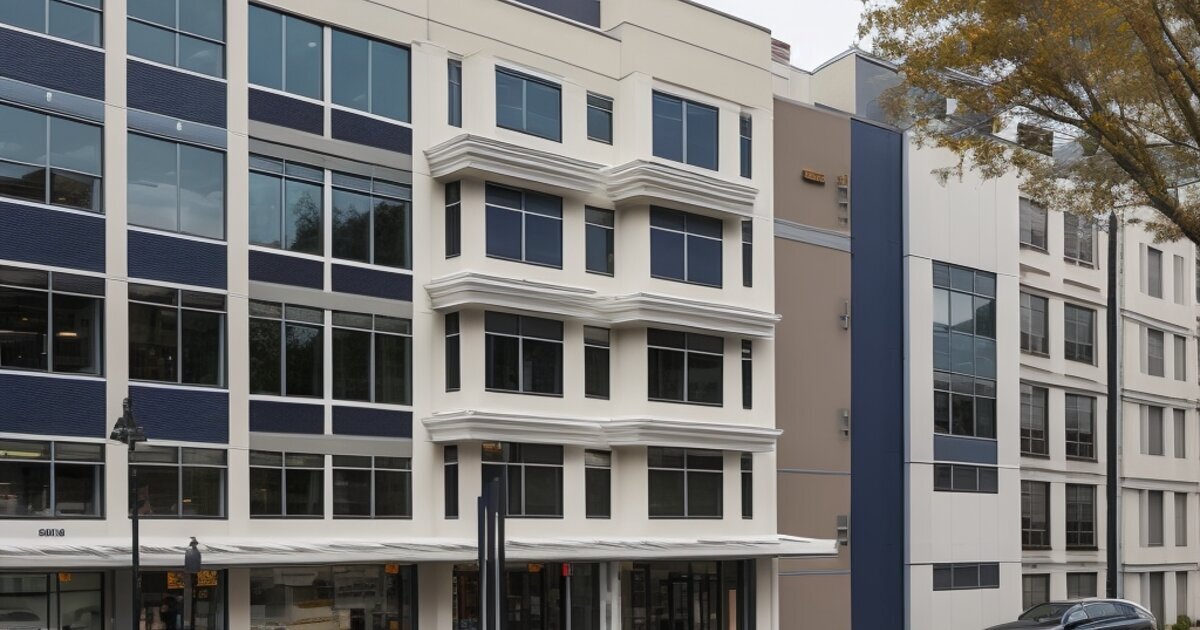
This case study follows a large multi-family complex repaint where the owner required tenant operations continuity, strong cleanliness standards, and predictable progress visibility. The objective was straightforward: complete a visible exterior repaint across multiple building blocks without generating occupancy friction.
The project achieved a post-project tenant feedback score equivalent to 98% satisfaction, with over 94% of respondents reporting no major disruption to daily life.
Quick Answer
A multi-family repaint can maintain high tenant satisfaction when work is phased by occupancy patterns, communication is specific and frequent, daily cleanup is treated as a project deliverable, and access changes are resolved through a named tenant liaison.
Key Takeaways
| Result Area | Case Study Outcome |
|---|---|
| Tenant satisfaction | 98% satisfied or very satisfied with coordination |
| Disruption control | More than 94% reported no major daily-life disruption |
| Operations | No full building shutdown required |
| Complaint management | Lower active-project complaint volume than historical benchmarks |
Key Concepts
Project Context
The property consisted of multiple mid-rise buildings with varying orientation, shade exposure, and tenant occupancy patterns. Management required:
- No full building shutdown.
- Predictable weekly work updates.
- Defined noise and access windows.
- Clean handover at each milestone.
That created a constrained environment where execution quality had to be protected without expanding schedule.
Why This Project Was Complex
Three factors made this job more challenging than a typical exterior repaint.
- High tenant density: Shared drives, walkways, and amenity access had to remain safe and functional.
- Visual expectations: Tenant-facing surfaces are part of community perception and rental value.
- Phasing pressure: Management wanted visible progress with no uncertain pause points.
The team used a micro-phased plan with strict access and comms controls.
Pre-Work Assessment and Risk Plan
Before mobilization, the owner team and contractor completed a concise risk register.
Condition and Access Mapping
Maintenance and facilities teams documented:
- Surface condition by building wing.
- Access constraints for loading and staging.
- High-use zones to avoid during peak periods.
- Existing tenant complaint channels and emergency reporting paths.
Risk Categories Used in the Work Plan
- Dust migration into occupied corridors.
- Temporary access congestion in shared parking.
- Weather windows affecting exterior work quality.
- Noise complaints from residents.
Risk mitigation was written into each phase as a mandatory condition.
Phasing Strategy by Occupancy Profile
The project avoided broad shutdown by scheduling around occupancy zones.
Phase Structure
- Zone readiness: prep staging, perimeter protections, and safety briefing.
- Primary zone execution: preparation and coating within narrow windows.
- Immediate touch and clean: spot repair and final cleaning before the zone was released.
- Tenant handoff note: a concise zone-specific update to residents and property management.
This produced visible progress while preserving building function.
Communication Framework
Tenant satisfaction improved when communications were frequent and concrete.
- Weekly schedule notice with expected visible impact.
- SMS updates for any temporary elevator, access, or noise changes.
- On-site contact card posted by area with response expectation.
Residents who know what is happening—and when it will end—are less likely to report frustration.
Containment and Cleanliness Standards
For multi-family environments, cleanliness standards are a project outcome, not housekeeping.
Protection Standards Used
- Full floor-level protection of entry and stair traffic where materials might migrate.
- Immediate spill and overspray response with pre-positioned cleanup kits.
- Dust-control barriers around active prep and open-air blasting areas.
End-of-Day Reset
Every zone was reset before closeout:
- Temporary materials removed.
- Entrances cleaned.
- Access markers checked for visibility.
- Walkway edges inspected for trip hazards.
The reset protocol reduced call-backs and support tickets in the following 72 hours.
Contractor Workflow and Supervision
The project used layered accountability.
- Lead superintendent: schedule and zone progression.
- QA lead: daily quality spot checks and condition logs.
- Tenant liaison: daily response to concerns and communication flow.
- Closeout lead: final inspection and documentation.
Clear ownership prevented issues from becoming unresolved by default.
Material and Execution Choices
Material selection was guided by durability and operational constraints.
- Coating system with strong exterior chalk resistance.
- Color family that limited visible maintenance drift.
- Fast turn on critical edges to avoid prolonged exposure.
- Balanced texture profile for easy routine wash-down between phases.
The goal was not just visual finish; it was stable finish across multiple handoffs.
Quality Control at Scale
QC was built as an ongoing gate rather than final review.
Zone QC Gates
- Substrate prep verification before first coat.
- Recheck for wind-borne contamination before each close interval.
- Edge and flashing checks at every transition and parapet line.
- Wetness and cure tracking for any re-entry work in the same zone.
If any gate failed, the zone did not advance. That discipline prevented compounding defects.
Resident-Focused Metrics
Project performance was tracked with operational and perception metrics.
- Number of tenant complaint tickets per week.
- Average resolution time for access and noise concerns.
- Weekly visible-progress satisfaction score from property management check-ins.
- Final tenant feedback on disruption and final appearance.
The satisfaction result came from a short post-completion survey plus occupancy team feedback.
What Worked Well
1) Predictable Phasing
Residents and staff trusted the process because each zone was finite, repeatable, and clearly communicated.
2) Rapid Re-Handoff Discipline
Zones were not left open overnight without defined condition notes and assigned close-out checks.
3) Issue Transparency
Concerns were logged and closed visibly, reducing rumor cycles and repeat complaints.
4) Focused Tenant Liaison
Direct responses from a named team contact improved perceived responsiveness even when full resolution took longer.
Challenges and How They Were Solved
Challenge: Sudden Dust Spikes
Short wind shifts introduced edge contamination in two zones. The team paused and reset the affected sections rather than forcing continuation.
Challenge: Stairwell Access Conflict
One occupied cluster required alternate routing during one critical phase. A revised phasing map restored flow and preserved schedule.
Challenge: Compressed Finish Windows
Two event-adjacent periods reduced late-phase execution time. The team shifted non-critical prep into non-occupancy windows and held finish work for approved windows.
Outcomes
- Project delivered without full building shutdown.
- High appearance acceptance at completion.
- Post-project tenant score: 98% satisfied or very satisfied with coordination.
- Complaint volume: materially lower during active operations than historical benchmarks.
The case demonstrates a simple principle: structured phasing plus direct communication can outperform larger crews and longer days.
Practical Takeaways for Multi-Family Operators
- Bake occupancy-aware phasing into the procurement documents.
- Define tenant communication cadence before day one.
- Make cleanup and handoff evidence-based.
- Include measurable disruption targets in contractor evaluation.
For the planning side of this equation, pair this approach with The Facility Manager’s Guide to Coating Contractor RFQs and Commercial Painting Project Management: A Facility Manager’s Guide.
For a practical framework on minimizing disruption in occupied communities, review Multi-Family Repainting: Minimizing Tenant Disruption.
Facility Manager Checklist
Before initiating a multi-family exterior repaint with occupied units, ensure the following:
- Occupancy-Aware Phasing: Map the work plan by building zone, ensuring no single building requires a full shutdown at any time.
- Tenant Communication Cadence: Establish weekly schedule notices, SMS alerts for access changes, and posted on-site contact cards before mobilization.
- Cleanliness Protocols: Define daily end-of-day reset procedures including debris removal, entrance cleaning, and walkway hazard inspection.
- Noise and Access Windows: Document approved work hours, elevator restrictions, and alternate routing requirements in the contractor scope.
- Containment Standards: Specify floor-level protection, dust-control barriers, and pre-positioned spill response kits for all active zones.
- Tenant Liaison Assignment: Designate a named team contact with defined response expectations for daily concern resolution and communication flow.
- Measurable Disruption Targets: Include quantifiable goals for complaint volume, resolution time, and post-project tenant satisfaction in contractor evaluation criteria.
Frequently Asked Questions
How do you repaint an occupied apartment community without major tenant disruption?
Use occupancy-aware phasing, communicate weekly and by SMS for access changes, protect walkways and entries, and release each zone only after cleanup and safety checks.
What most affects tenant satisfaction during exterior repainting?
Predictability matters most. Residents tolerate temporary noise or access changes better when they know the schedule, expected impact, and who to contact for quick resolution.
Should tenant satisfaction be part of contractor evaluation?
Yes. Include measurable disruption targets such as complaint volume, response time, access issue resolution, and post-project satisfaction so service quality is evaluated alongside coating quality.
Related Reading
- Multi-Family Repainting: Minimizing Tenant Disruption
- Phased Painting Schedules for 24/7 Operations
- Facility Maintenance Schedule Integration
- Commercial Painting Project Management: A Facility Manager’s Guide
- Commercial Painting Costs: Budget Drivers and Cost-Reduction Strategies
- The Complete Guide to Commercial Painting for Facility Managers
- Video: How Coating Inspection Saves Facilities $50K+ in Rework
Frequently Asked Questions
How do you repaint an occupied apartment community without major tenant disruption?
Use occupancy aware phasing, communicate weekly and by SMS for access changes, protect walkways and entries, and release each zone only after cleanup and safety checks.
What most affects tenant satisfaction during exterior repainting?
Predictability matters most. Residents tolerate temporary noise or access changes better when they know the schedule, expected impact, and who to contact for quick resolution.
Should tenant satisfaction be part of contractor evaluation?
Yes. Include measurable disruption targets such as complaint volume, response time, access issue resolution, and post project satisfaction so service quality is evaluated alongside coating quality.