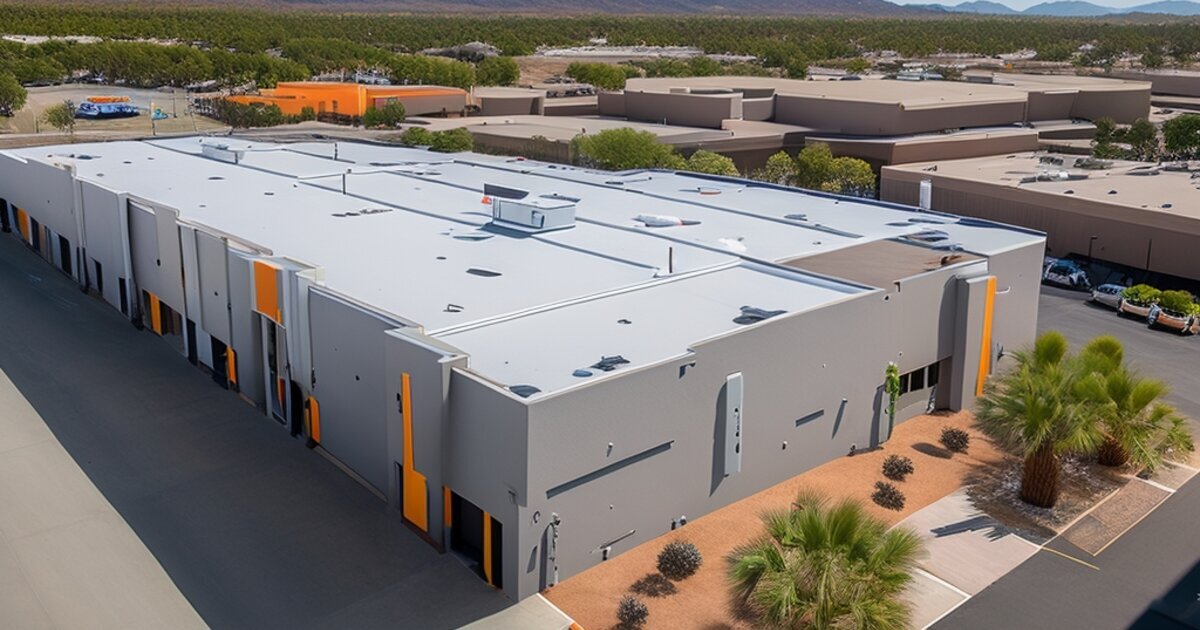
Scottsdale commercial properties sit at the intersection of business intensity, hospitality traffic, and desert weather stress. The region is not one uniform market; it combines fast-moving office corridors, entertainment-adjacent assets, and high-end residential interfaces that need consistent aesthetics and disciplined execution.
This guide is for property owners, facility teams, and project managers planning commercial painting in Scottsdale where brand-sensitive surfaces, guest-facing access, and compressed work windows create extra operational pressure. Choosing a Scottsdale commercial painting contractor who understands corridor phasing, dust exposure, and brand-sensitive execution is the first step toward a successful project.
Quick Answer
Scottsdale commercial painting succeeds when facility teams match coating systems and work windows to corridor type, surface temperature, dust exposure, and brand visibility. Corporate parks need predictable phasing, lifestyle corridors need stronger guest-facing controls, and residential interface zones need tighter cleanup and communication standards. The right Scottsdale commercial painting contractor will structure the schedule, crew flow, and quality checks around these corridor-specific risks.
Quick Answer
Scottsdale commercial painting requires corridor-specific planning for corporate parks, lifestyle retail, resorts, and residential-interface properties. The strongest plans combine orientation-based heat management, visible-surface quality controls, dust protection, and tenant or guest communication before work begins. For another mixed-use corridor model, see Glendale Commercial Painting: Retail, Civic, and Office Corridor Guide.
Key Concepts
What Makes Scottsdale Different
Scottsdale does not have the same seasonal rhythm as inland Phoenix industrial districts. Surface exposure is often to both long heat periods and short burst climate events that can quickly disrupt finishing windows.
- Temperature and radiative load: Surface temperatures can rise sharply, especially on dark stucco and metal.
- Mixed use schedules: Corporate office peaks, event traffic, and hospitality loading can change daily.
- Aesthetic accountability: Brand materials, façade cleanliness, and edge quality are often highly visible constraints.
Execution in Scottsdale is less about chasing the cheapest schedule and more about meeting visual and operational standards without operational interruption.
Corridor Typing and Risk Priorities
Before procurement, classify assets by corridor behavior.
Scottsdale Corridor Planning Table
| Corridor type | Primary risk | Best planning response |
|---|---|---|
| Corporate park | Tenant disruption and schedule variance | Use repeatable work blocks, daily logs, and predictable access plans |
| Lifestyle retail or hospitality | Guest visibility, events, and finish quality | Increase mockups, signage planning, and phase-level acceptance reviews |
| Residential interface | Community complaints and visible staging | Limit equipment exposure, tighten cleanup, and communicate work hours clearly |
| Utility-adjacent perimeter | Service access and damage from active operations | Define protection zones and clean release points before each phase |
1) Corporate Park Corridors
These locations typically tolerate limited noise but require predictable progress logs and short, repeatable windows.
- Use standardized preparation and application checklists.
- Set stricter dust and edge-control standards.
- Require daily report templates with weather and productivity variance.
2) Lifestyle Retail and Hospitality Corridors
Traffic is less predictable and visual quality expectations are higher.
- Increase pre-finish review points.
- Prioritize color and sheen consistency across large wall systems.
- Include signage and staging plans that preserve guest movement.
3) Residential Interface Zones
These areas create tenant and community visibility pressure.
- Minimize visible staging in shared circulation.
- Use tighter cleanup standards and staged closeout reviews.
- Avoid broad paint tones that need rework due to wind and dust edge bleed.
Heat-Driven Execution Framework
Heat affects Scottsdale jobs the same way it affects any Southwest market, but execution is often more constrained because property operations demand reliability.
- Measure substrate temperature by orientation, not just air temperature.
- Use early-morning work blocks for highest-exposure surfaces.
- Build in recovery windows when morning predictions fail and temperatures spike.
- Require the contractor to pause when film conditions violate published temperature or humidity limits.
This framework is especially important on south and west elevations where thermal movement can accelerate edge cracking during hot weeks.
For detailed scheduling logic in a similar climate, review Phoenix Summer Painting: Heat Scheduling and Substrate Temperature Limits and The Facility Manager’s Guide to Coating Contractor RFQs.
Coating Strategy by Surface Class
Exterior Walls and Stucco
Use UV-stable, elastomeric-compatible systems where movement and solar load are persistent. Expect more frequent inspections on east-west transitions and corner details.
Concrete and Masonry
Plan a moisture and contamination strategy before coating work begins. For heavy-use pedestrian and parking interfaces, choose systems that can tolerate minor movement and periodic wash-down exposure.
Metal and Architectural Trim
Prioritize rust-preventive primers and systems that tolerate thermal cycling. Avoid low-clarity topcoats where heat absorption is a factor and color drift is a client concern.
Hardscapes and Utility-Adjacent Areas
For utility and perimeter sections with high service activity, define temporary protection boundaries and define a clean release point for each phase.
Operational Controls That Prevent Rework
Many Scottsdale projects are delayed not by technical coating issues but by avoidable field control gaps.
- Pre-shift environmental brief with subcontractor lead and facility manager.
- Orientation-based sequencing to use shaded or lower-exposure routes first.
- Edge protection review at every handoff before closing phase.
- Final edge wipe-out checklist before each zone release.
This discipline matters for mixed-use projects where tenant, guest, and office teams observe quality in real time.
Choosing a Scottsdale Commercial Painting Contractor
When comparing bidders for your Scottsdale project, score execution maturity the same as price. A qualified Scottsdale commercial painting contractor should demonstrate corridor-specific phasing experience, guest-facing controls, and documented environmental logging.
- Does the bidder include environmental logs as part of execution?
- Can they prove phase-level disruption planning and recovery options?
- Do they define acceptance criteria for visual touchpoints?
- Is closeout documentation usable by operations for warranty and future budgeting?
If a contractor cannot answer these clearly, they typically create uncertainty even on technically sound scope documents.
Facility Manager Checklist
- Classify Assets by Corridor Type: Identify whether each property is corporate park, lifestyle retail, or residential interface to set appropriate quality and disruption standards.
- Require Pre-Shift Environmental Briefs: Mandate daily morning reviews between the subcontractor lead and facility manager covering temperature forecasts and phase plans.
- Define Visual Acceptance Criteria: Establish written standards for color consistency, edge quality, and dust control before work begins on guest-facing surfaces.
- Confirm Event and Tenant Conflict Windows: Verify there are no conflicting events, peak guest periods, or tenant move-ins before approving the work schedule.
- Specify Orientation-Based Sequencing: Require contractors to start on shaded or lower-exposure elevations first and pause when film conditions exceed manufacturer limits.
- Approve Dust-Control Protocols: Define perimeter dust barriers, edge protection, and cleanup standards in writing before mobilization.
- Request Usable Closeout Documentation: Ensure the contractor delivers environmental logs, phase completion reports, and warranty documentation formatted for operations use.
Scottsdale-Specific Pre-Mobilization Checklist
- Confirm event, guest, and tenant conflict windows.
- Require substrate temperature and humidity monitoring schedule.
- Define dust-control perimeter and edge protection protocol.
- Approve phase-level cleanup acceptance criteria in writing.
- Set reporting cadence that aligns with stakeholder expectations.
Frequently Asked Questions
When is the best time to paint commercial properties in Scottsdale?
Spring and fall usually provide the best exterior coating windows. Summer work can still be done, but crews should use early-morning sequencing, substrate temperature checks, and manufacturer pause limits.
What coating issues are most common in Scottsdale?
The most common risks are UV fading, thermal movement cracks, dust contamination, and premature failure on south- and west-facing surfaces. These are controlled through surface-specific products and orientation-based scheduling.
How should facility managers compare Scottsdale painting bids?
Compare more than price. Strong bids should include environmental logging, guest or tenant disruption planning, dust-control procedures, visual acceptance criteria, and closeout documentation usable by operations.
Related Reading
- Phoenix Commercial Painting | Climate Guide
- Las Vegas Commercial Painting: Desert Heat, Dust, and Entertainment Venue Schedules
- Arizona Monsoon and Dust Storm Coating Protection
- Facility Management Maintenance Scheduling with Seasonal Calendars
- Scottsdale Commercial Painting Contractor
Frequently Asked Questions
When is the best time to paint commercial properties in Scottsdale?
Spring and fall usually provide the best exterior coating windows. Summer work can still be done, but crews should use early morning sequencing, substrate temperature checks, and manufacturer pause limits.
What coating issues are most common in Scottsdale?
The most common risks are UV fading, thermal movement cracks, dust contamination, and premature failure on south and west facing surfaces. These are controlled through surface specific products and orientation based scheduling.
How should facility managers compare Scottsdale painting bids?
Compare more than price. Strong bids should include environmental logging, guest or tenant disruption planning, dust control procedures, visual acceptance criteria, and closeout documentation usable by operations.
Frequently Asked Questions
What matters most for Scottsdale commercial painting projects?
Scottsdale projects usually need tight visual standards, guest- or tenant-aware scheduling, and strong heat and dust controls. Corporate parks, lifestyle centers, resorts, and residential-interface properties should not be managed with one generic sequence because each corridor has different access, noise, and quality expectations.
How should Scottsdale properties manage heat during painting?
Facility teams should sequence work by building orientation, use early morning windows for high-exposure elevations, and require substrate temperature readings before coating. South and west elevations can exceed product limits quickly, so contractors need authority to pause without being penalized for protecting coating quality.
What coatings are appropriate for Scottsdale stucco and masonry?
Scottsdale stucco and masonry often need UV-stable, flexible, breathable systems selected around movement and moisture conditions. Brand-sensitive properties should also verify color, sheen, and texture on mockups because intense sun and dust can make finish variation highly visible.
How can Scottsdale painting avoid disrupting tenants or guests?
Use phase-level calendars, guest-flow barriers, quiet work windows, daily progress reporting, and written closeout criteria for every visible zone. Lifestyle retail and hospitality properties should approve signage, staging, cleanup, and access routes before mobilization, not after the first complaint.