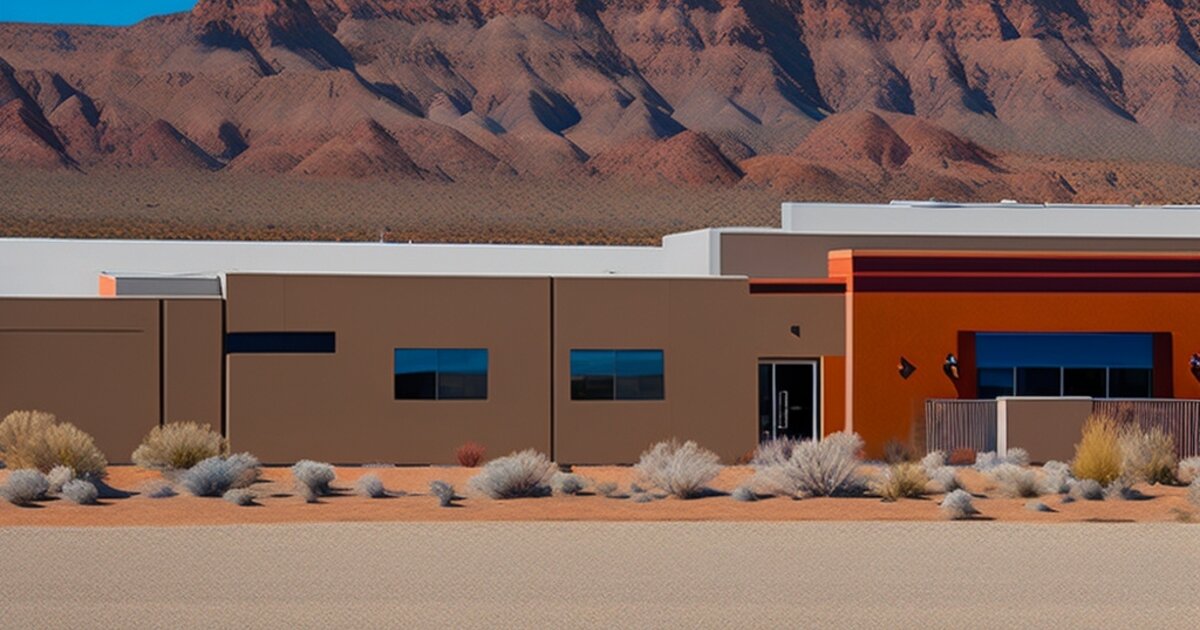
Peoria, Arizona stands at the center of one of the most dynamic growth corridors in the Phoenix metropolitan area. With master-planned communities expanding north toward Lake Pleasant and retail developments transforming the P83 Entertainment District into a regional destination, facility managers in Peoria navigate a complex landscape of property types, community expectations, and desert climate demands. The intersection of high-density residential growth and retail corridor expansion creates distinct coating challenges that require specialized expertise in everything from HOA architectural standards to high-traffic commercial finishes.
For facility managers overseeing properties in Peoria’s growth areas, commercial painting represents both an aesthetic investment and a structural necessity. The Sonoran Desert climate delivers relentless UV exposure, extreme thermal cycling, and seasonal dust storms that accelerate coating degradation across all property types. Whether managing a retail center along Bell Road, a medical office near Lake Pleasant Parkway, or a multi-family community in Vistancia, understanding how Peoria’s unique development patterns interact with desert conditions is essential for protecting asset value and maintaining tenant satisfaction.
Quick Answer
Peoria commercial painting projects should prioritize UV-stable exterior coatings, HOA or brand-approved color documentation, dust controls, and spring or fall scheduling. Retail corridors need durable, washable finishes for customer-facing areas, while multi-family and HOA properties need rapid-turnover interiors, amenity coatings, and exterior systems that hold color under Northwest Valley sun exposure.
Peoria Growth Corridor Ecosystem
Peoria’s Residential Expansion and Economic Drivers
Peoria has undergone one of the most dramatic transformations in the Phoenix metropolitan area over the past two decades. What began as a modest agricultural community northwest of Phoenix has evolved into a city of more than 200,000 residents, with master-planned communities like Vistancia, Terramar, and Westwing Mountain driving population growth north toward Lake Pleasant. This residential expansion has created a ripple effect of commercial development, as retail centers, medical offices, and service businesses follow the population into the Northwest Valley.
The P83 Entertainment District anchors Peoria’s retail and entertainment economy, combining spring training baseball at the Peoria Sports Complex with restaurants, hotels, and mixed-use development along Paradise Lane. Meanwhile, the Lake Pleasant Towne Center and corridor development along Happy Valley Parkway serve the rapidly growing northern communities. For facility managers, this growth means managing properties in an environment where new construction standards compete with established neighborhood expectations, and where tenant turnover in retail spaces demands rapid refresh cycles that maintain brand consistency.
Peoria’s economic development strategy emphasizes quality-of-life amenities that attract both residents and employers. The city consistently ranks among the safest in Arizona, with top-rated schools and recreational access to Lake Pleasant Regional Park. These quality-of-life factors drive housing demand, which in turn sustains retail and service sector growth. Facility managers benefit from stable occupancy rates but face the challenge of maintaining properties that meet increasingly sophisticated community aesthetic standards.
Desert Climate Challenges in the Northwest Valley
Peoria’s location on the northwestern edge of the Phoenix metropolitan area exposes facilities to the full intensity of the Sonoran Desert climate while introducing unique wind and dust patterns that differ from central Phoenix. Summer temperatures routinely exceed 110°F, with surface temperatures on exposed walls and roofing climbing to 150°F during peak afternoon hours. UV radiation is relentless, with more than 300 days of sunshine annually creating continuous photodegradation pressure on exterior coatings.
The Northwest Valley location subjects Peoria to wind patterns that carry dust from the open desert west of the city. Dust storms and haboobs deposit fine particulate matter on exterior surfaces, creating abrasion risks during application and accelerating the aging of glossy finishes. The New River wash and Agua Fria River drainage create localized humidity variations that can affect curing conditions, particularly during monsoon season when sudden moisture spikes follow extended dry periods.
Winter conditions in Peoria create additional thermal cycling stress. Overnight temperatures regularly drop below 40°F in December and January, while daytime highs may reach the upper 60s. This daily temperature swing of 25°F to 30°F, combined with summer extremes, produces annual thermal cycling that exceeds 80°F in range. Coatings must accommodate this movement without cracking, delaminating, or losing adhesion, particularly on stucco and masonry substrates common in Peoria’s residential and commercial architecture.
HOA and Multi-Family Residential Painting Considerations
Master-planned communities in Peoria operate under strict architectural control guidelines that govern everything from color palettes to material specifications. Homeowners associations in Vistancia, Blackstone at Vistancia, and Terramar maintain design review boards that approve or deny exterior painting proposals based on community-wide aesthetic standards. For facility managers overseeing HOA-managed common areas, clubhouses, and amenity buildings, compliance with these guidelines is mandatory and often requires pre-approval of color schemes, sheen levels, and coating manufacturers.
Multi-family residential properties present their own coating challenges. Apartment complexes and condominium communities in Peoria experience high tenant turnover that necessitates frequent interior unit painting. Property managers must balance the need for rapid turnaround—often 24 to 48 hours between tenants—with durability requirements that justify the investment. Scuff-resistant, washable interior coatings in neutral color palettes accommodate quick refreshes while maintaining a consistent appearance across units.
Exterior amenities in residential communities require specialized coating systems. Pool decks need slip-resistant coatings that withstand chlorine exposure and constant moisture. Fitness centers and clubhouses need durable interior finishes that handle heavy use. Entry monuments and perimeter walls face the same UV and thermal cycling challenges as commercial buildings, often with the added complexity of intricate architectural details that demand precision application.
For detailed guidance on multi-family painting strategies, see our multi-family apartment and condo painting guide, which covers tenant coordination, rapid-turnover workflows, and amenity area specifications.
Peoria Property Type Coating Priorities
| Property type | Primary painting concern | Best coating priority | Scheduling consideration |
|---|---|---|---|
| HOA amenity buildings | Architectural approval and color consistency | UV-stable elastomeric or acrylic exterior systems | Allow time for design review board approval |
| Multi-family interiors | Fast unit turns and tenant reoccupancy | Low-odor, scuff-resistant washable coatings | Coordinate around move-out and move-in dates |
| Retail storefronts | Brand visibility and customer traffic | Color-retentive acrylic-urethane or fluoropolymer systems | Phase work before opening, after closing, or by storefront |
| Pool decks and recreation areas | Chlorine, moisture, and slip resistance | Textured slip-resistant deck coatings | Avoid peak resident use and verify cure before reopening |
Retail Corridor Painting Requirements
Retail facilities in Peoria’s growth corridors face the dual challenge of maintaining brand visibility in a competitive market while protecting substrates from desert climate extremes. The P83 Entertainment District, with its mix of national retailers, local restaurants, and entertainment venues, demands coating systems that deliver immediate visual impact and long-term durability under constant customer traffic.
Exterior retail surfaces in Peoria require UV-stable coatings with excellent color retention. South- and west-facing storefronts experience the most intense solar exposure, with dark brand colors showing fading and chalking within two to three years if lower-grade coatings are specified. Fluoropolymer and high-performance acrylic-urethane coatings maintain color fidelity and gloss for five to seven years in these high-exposure zones, reducing the frequency of costly exterior refreshes.
Interior retail spaces need scuff-resistant, washable wall coatings that withstand shopping cart impacts, cleaning operations, and customer contact. Food service tenants require specialized finishes that resist grease penetration and withstand frequent sanitization with commercial cleaning products. Floor coatings in retail environments must balance slip resistance with ease of maintenance, particularly in entry vestibules where desert sand and gravel create constant abrasion.
For strip mall and big-box retail properties in Peoria’s corridors, our retail strip mall and big box painting guide provides detailed specifications for exterior and interior coating systems, phased scheduling strategies, and brand compliance protocols.
Seasonal Scheduling for Peoria Projects
Timing commercial painting projects in Peoria requires careful attention to seasonal weather patterns that create narrow application windows for exterior work. The extreme heat of summer, the unpredictable moisture of monsoon season, and the cold overnight temperatures of winter all constrain when exterior coatings can be successfully applied.
Spring (March through May) offers ideal conditions for exterior painting in Peoria. Daytime temperatures typically range from 75°F to 95°F, humidity remains low, and precipitation risk is minimal. Low dew points in spring reduce the risk of moisture condensation on substrates during early morning application. However, spring is peak construction season across the Phoenix metro, and experienced commercial painting contractors may have limited availability.
Fall (October through November) provides a second favorable window for exterior work. Temperatures moderate after summer extremes, monsoon moisture dissipates, and contractors often have more scheduling flexibility than in spring. Shorter daylight hours compress daily production, but the combination of stable temperatures and settled dust conditions makes fall an excellent choice for exterior retail and residential projects.
Summer exterior work in Peoria requires specialized planning. Substrate temperatures on exposed surfaces often exceed 120°F by mid-morning, forcing crews to work in early morning hours or suspend application. Some high-temperature formulations allow application at substrate temperatures up to 120°F, but these products require experienced applicators and strict quality control. For detailed heat scheduling protocols, our Arizona monsoon and dust storm coating protection article provides specific guidance for summer painting in desert conditions.
Winter exterior application is limited by cold overnight temperatures. Most exterior coatings require minimum application temperatures of 50°F and rising, which may not occur until late morning in December and January. Winter does offer excellent conditions for interior work in climate-controlled facilities, making it an ideal season for multi-family unit turnovers and retail interior refreshes.
Coating Selection for Northwest Valley Conditions
Coating selection for Peoria facilities must prioritize performance characteristics that address the specific challenges of the Northwest Valley desert environment. UV stability is the foremost consideration for exterior applications. Look for coatings with high titanium dioxide content and hindered amine light stabilizers (HALS) that prevent polymer degradation under intense solar radiation.
Thermal expansion tolerance is critical for Peoria’s wide temperature swings. Elastomeric coatings with elongation properties of 200% or greater accommodate the movement common in stucco and masonry substrates. For metal surfaces, including roof panels and architectural elements, select coatings with proven flexibility and direct-to-metal adhesion that withstand dimensional changes without cracking or peeling.
Cool roof coatings deliver measurable benefits for Peoria’s large retail centers and residential clubhouses. White elastomeric roof coatings with Solar Reflectance Index (SRI) values above 80 reduce surface temperatures by 50°F or more, lowering cooling costs and extending roof membrane life. These coatings are particularly valuable for flat-roofed retail buildings and HOA amenity structures that absorb intense afternoon sun.
For multi-family and residential common areas, consider low-VOC and zero-VOC interior coatings that minimize odor and allow faster reoccupancy. These formulations have advanced significantly in recent years, now offering scrubbability and durability that match traditional higher-VOC products. For properties pursuing sustainability certifications, our zero-VOC sustainable coatings guide covers specification criteria and performance validation.
Contractor Selection for Peoria’s Diverse Property Mix
Peoria’s mix of HOA-governed residential communities, high-traffic retail corridors, and medical office facilities demands contractors with broad expertise and specific local experience. Facility managers should prioritize contractors who understand Peoria’s architectural control guidelines, retail brand standards, and desert climate requirements.
Key qualifications include experience with occupied facility painting, familiarity with HOA approval processes, and documented quality control procedures. Contractors working in medical office buildings should understand healthcare facility requirements for infection control and low-odor application. For retail projects, contractors must demonstrate experience with phased scheduling that maintains business operations during painting.
Insurance verification is essential, particularly for multi-story residential and retail properties where fall protection and property damage risks are elevated. Request project references from similar facilities in desert climates, and verify that the contractor carries general liability, workers compensation, and pollution liability coverage appropriate for coating operations.
Facility Manager Checklist
Use this checklist when planning commercial painting projects in Peoria’s residential and retail corridors:
- Verify HOA architectural guidelines and obtain design review board approval before specifying exterior colors or materials in master-planned communities
- Schedule exterior work for spring or fall application windows when temperatures and humidity support optimal coating cure
- Specify UV-stable exterior coatings with documented desert climate performance, including color retention ratings and thermal expansion tolerance
- Select appropriate interior coatings for high-turnover residential units and high-traffic retail spaces, prioritizing scrubbability and rapid reoccupancy
- Require dust and debris controls during surface preparation and application, particularly in retail environments and occupied residential buildings
- Verify contractor experience with HOA-governed properties, retail brand standards, and occupied facility painting in desert conditions
- Document warranty terms specifically for desert climate performance, including coverage for UV degradation, thermal cycling, and color fade
Frequently Asked Questions
What is the best season for commercial painting in Peoria?
Spring and fall are usually best because temperatures are stable, humidity is lower, and coatings can cure without the extreme substrate heat common in summer.
Do Peoria HOA properties need special paint approvals?
Yes. HOA-governed properties often require approval for exterior colors, sheen levels, and sometimes coating manufacturers before work begins.
Which coatings work best for Peoria retail corridors?
UV-stable acrylic-urethane, elastomeric, or fluoropolymer systems perform best on exposed storefronts because they resist fading, chalking, and thermal movement.
Related Reading
- Surprise Commercial Painting: Retail and Healthcare Corridors
- Goodyear Commercial Painting: Industrial and Warehouse Growth
- Retail Strip Mall and Big Box Painting
- Multi-Family Apartment and Condo Painting
- Arizona Monsoon and Dust Storm Coating Protection
- Zero-VOC Sustainable Coatings Guide
- Phoenix Commercial Painting | Climate Guide
Peoria’s position as a Northwest Valley growth center shows no signs of slowing. For facility managers, the combination of residential expansion and retail corridor development creates both opportunities and challenges. By understanding the unique intersection of HOA governance, retail brand requirements, and desert climate demands, you can establish coating standards and maintenance programs that protect property investments while supporting Peoria’s continued evolution into one of Arizona’s premier communities. Whether managing a master-planned community amenity building, a retail center in the P83 District, or a medical office along Lake Pleasant Parkway, informed coating decisions deliver lasting performance in one of the Southwest’s most dynamic markets.
Frequently Asked Questions
What is the best season for commercial painting in Peoria?
Spring and fall are usually best because temperatures are stable, humidity is lower, and coatings can cure without the extreme substrate heat common in summer.
Do Peoria HOA properties need special paint approvals?
Yes. HOA governed properties often require approval for exterior colors, sheen levels, and sometimes coating manufacturers before work begins.
Which coatings work best for Peoria retail corridors?
UV stable acrylic urethane, elastomeric, or fluoropolymer systems perform best on exposed storefronts because they resist fading, chalking, and thermal movement.