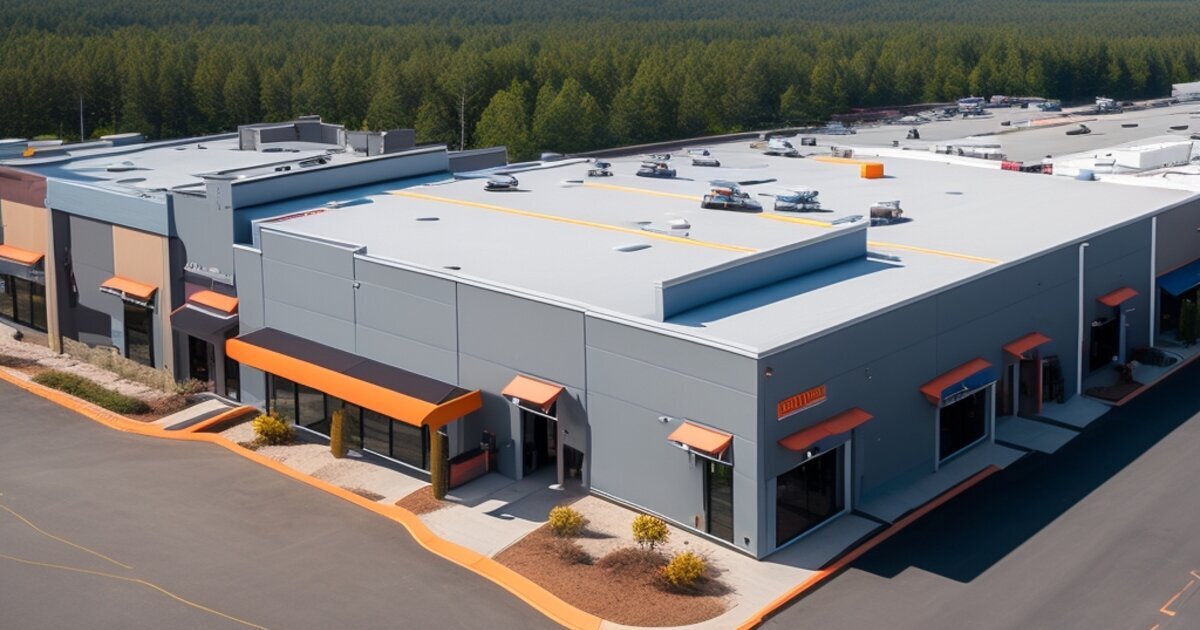
Retail strip malls and big box stores are high-turnover, high-traffic commercial environments where painting must balance landlord standards, tenant brand requirements, and durability under constant public use. A typical strip mall may repaint five to ten tenant spaces per year as businesses open, close, or rebrand. Big box stores require periodic refresh of vast interior spaces while maintaining operations.
For property managers and retail facility managers, understanding the economics, scheduling constraints, and coating requirements of retail painting ensures that turnover is fast, finishes are durable, and costs are controlled.
Quick Answer
Retail strip mall and big box painting works best when owners standardize turnover scopes, approved colors, and durable finishes while scheduling work around tenant openings and customer traffic. In Southwest markets, exterior systems also need UV, heat, and monsoon resistance, especially on stucco, EIFS, metal canopies, fascia, and high-traffic common areas.
Retail Painting Priorities
The Retail Painting Model
Retail painting operates on a different economic model than other commercial sectors. Speed, standardization, and cost control matter more than premium finishes.
Tenant turnover. A typical retail tenant occupies a space for 3-7 years. Each turnover requires painting to prepare for the next tenant. A 20-unit strip mall may experience 3-5 turnovers annually. A shopping center with 50+ units may see 10-15.
Landlord vs. tenant responsibility. Lease agreements vary. Some landlords provide a “white box” finish and tenants paint to their brand. Others require tenants to restore to original condition at lease end. Clarify responsibility before budgeting.
Brand consistency. National retailers have strict brand standards that dictate colors, finishes, and application quality. Local businesses may have more flexibility but still need professional results.
Operating hours constraint. Most retail cannot close for painting. Work must occur during off-hours, early mornings, or overnight.
Retail Property Painting Decision Table
| Area | Best coating approach | Typical timing | Key risk to manage |
|---|---|---|---|
| Tenant turnover unit | Neutral eggshell walls and semi-gloss trim | Between leases | Scope creep from custom tenant requests |
| Strip mall exterior | Elastomeric, EIFS, stucco, or DTM systems by substrate | Favorable weather windows | UV fading, thermal movement, and monsoon moisture |
| Big box ceiling | Dryfall coating with lift access | Overnight or phased sections | Overspray control around inventory and racking |
| Common areas | Scrubbable satin or semi-gloss finishes | Low-traffic periods | Premature wear in corridors and restrooms |
Exterior Painting: Common Areas and Facades
Exterior retail painting maintains curb appeal and property value.
Strip mall exteriors. Typically EIFS, stucco, or metal panel construction in the Southwest. Require elastomeric or direct-to-metal coatings that resist UV, thermal cycling, and monsoon moisture. See our guides on stucco repair and EIFS maintenance for detailed information.
Canopies and awnings. These structures collect heat and UV exposure. Metal canopies require rust-inhibitive primers and flexible topcoats. Fabric awnings may require specialized cleaning and recoating products.
Signage and fascia. Retail signage is critical for tenant visibility. Painting must coordinate with signage installers. Landlord-painted fascia boards and columns must be maintained in uniform condition.
Parking lot and curbs. Striping, wheel stops, and curb painting are part of the overall appearance. See our parking lot striping guide for compliance and durability requirements.
Interior Tenant Space Painting
Interior retail painting must be fast, economical, and durable enough to last the lease term.
Standard turnover package. Most landlords offer a standard paint package for new tenants:
- Patch holes and damage from previous tenant
- Prime repaired areas
- Apply one coat of flat or eggshell paint in a neutral color
- Paint trim and doors in white semi-gloss
A standard package for a 1,500 sq ft retail space should take 1-2 days and cost $800-1,500.
Custom tenant finishes. National retailers and upscale local businesses often require:
- Brand-specific colors
- Accent walls
- Special finishes (metallic, textured, chalkboard paint)
- Decorative elements (stripes, logos, murals)
These require additional time and cost but are essential for brand expression.
Product selection for retail interiors.
- Walls: Scrubbable eggshell or satin in high-traffic areas; flat acceptable in low-traffic zones
- Trim: Semi-gloss enamel for durability
- Stockrooms and back rooms: Economical flat or eggshell
- Restrooms: Moisture-resistant semi-gloss or satin
- Ceilings: Flat white for maximum light reflectance
Big Box Store Requirements
Big box stores (20,000+ sq ft) present scale challenges distinct from small retail.
High-bay ceilings. Ceilings of 20-30 feet require lift equipment and dryfall paint. Dryfall is standard for big box ceilings because overspray dries to dust before reaching the floor, allowing painting over operational inventory.
Racking and shelving. Paint must be coordinated with racking layouts. Painting behind existing shelving is often impractical; plan for painting during racking reconfigurations.
Floor markings. Big box stores require extensive floor marking for departments, safety zones, and traffic flow. These markings wear quickly and require annual refresh.
Brand standards. Big box retailers have national brand standards that specify exact colors, finishes, and quality levels. Contractors must follow these standards precisely and provide documentation.
Open 24/7 operations. Some big box stores operate continuously. Painting must occur in isolated sections without closing the store. Phased execution with temporary barriers is essential.
Common Area Maintenance
Common areas in retail centers require ongoing maintenance painting.
Corridors and walkways. High-traffic areas that show wear quickly. Plan for repainting every 2-3 years. Use scrubbable, durable finishes.
Restrooms. Require moisture-resistant, antimicrobial finishes. Repaint annually in high-traffic centers.
Loading areas and dumpsters. Industrial-grade finishes that resist abuse, moisture, and staining. Dark colors hide dirt and graffiti.
Security and safety markings. Exit signs, fire extinguisher locations, and emergency markings must remain visible. Do not paint over required signage.
Cost Management
Retail painting budgets are tight. Facility managers use several strategies to control costs.
Standardized colors. Limiting the approved color palette to 5-10 neutrals reduces paint waste, simplifies inventory, and speeds application. Tenants who want custom colors pay the difference.
Bulk purchasing. Negotiate volume discounts with paint suppliers for standard colors used across the portfolio.
Preventive maintenance. Addressing small issues (touch-up, sealant replacement) before they become major repairs saves money long-term.
Seasonal timing. Schedule exterior painting during favorable weather to avoid weather delays. Interior work can proceed year-round but may be slower during holiday retail seasons.
Property Manager Checklist
- Standardize turnover paint packages. Define scope, colors, and finishes for all tenant spaces.
- Clarify lease responsibilities. Specify who pays for painting at move-in and move-out.
- Use scrubbable, durable finishes in high-traffic common areas.
- Plan dryfall application for big box and high-bay ceiling painting.
- Coordinate with signage contractors for exterior painting and rebranding.
- Maintain standard color inventory to reduce costs and waste.
- Schedule common area painting during low-traffic periods.
- Repaint restrooms annually to maintain appearance and hygiene.
- Document paint specifications for each tenant space for future reference.
- Request retail portfolio references from painting contractors.
Facility Manager Checklist
- Standardize Turnover Packages: Define scope, approved colors, and finishes for all tenant spaces to reduce waste and accelerate application.
- Clarify Lease Painting Responsibilities: Specify in lease agreements who pays for painting at move-in and move-out to avoid budget disputes.
- Use Scrubbable Finishes in Common Areas: Specify durable, washable coatings for corridors, restrooms, and high-traffic walkways that show wear quickly.
- Plan Dryfall for High-Bay Ceilings: Require dryfall paint application for big box ceilings over 20 feet to allow painting over operational inventory.
- Maintain a Standard Color Inventory: Limit the approved palette to 5–10 neutrals and negotiate volume discounts with paint suppliers.
- Schedule Exterior Work in Favorable Weather: Plan outdoor painting during optimal seasons to avoid delays, and avoid holiday retail periods for interior work.
- Document Specifications per Tenant: Record the exact paint products and colors used in each unit for future maintenance and turnover efficiency.
Retail painting is a volume business where efficiency, standardization, and speed matter as much as quality. Property managers who develop standardized processes, maintain consistent specifications, and select contractors with retail experience keep their properties rent-ready and visually competitive.
Frequently Asked Questions
How often should strip mall common areas be repainted?
High-traffic corridors, restrooms, and walkways often need repainting every 2-3 years, with restrooms in busy centers sometimes refreshed annually. Touch-up programs can extend full repaint intervals.
What paint is best for big box store ceilings?
Dryfall paint is usually the best fit for high-bay big box ceilings because overspray dries before reaching the floor. It still requires containment planning, lift access, and coordination around racking or inventory.
How can property managers control retail painting costs?
Standardize colors, define turnover paint packages, document tenant specifications, and schedule exterior work during favorable weather. Bulk purchasing and preventive touch-ups reduce waste and emergency repainting.
For retail strip mall and big box painting in the Southwest, contact Moorhouse Coating.
Related Reading
Related Resources
- Retail Store Painting
- Parking Lot Striping and Traffic Coating
- Tenant Improvement Painting
- Drywall Finishing and Dryfall Painting
- Commercial Painting Costs
Frequently Asked Questions
How often should strip mall common areas be repainted?
High traffic corridors, restrooms, and walkways often need repainting every 2 3 years, with restrooms in busy centers sometimes refreshed annually. Touch up programs can extend full repaint intervals.
What paint is best for big box store ceilings?
Dryfall paint is usually the best fit for high bay big box ceilings because overspray dries before reaching the floor. It still requires containment planning, lift access, and coordination around racking or inventory.
How can property managers control retail painting costs?
Standardize colors, define turnover paint packages, document tenant specifications, and schedule exterior work during favorable weather. Bulk purchasing and preventive touch ups reduce waste and emergency repainting. For retail strip mall and big box painting in the Southwest, contact Moorhouse Coating.