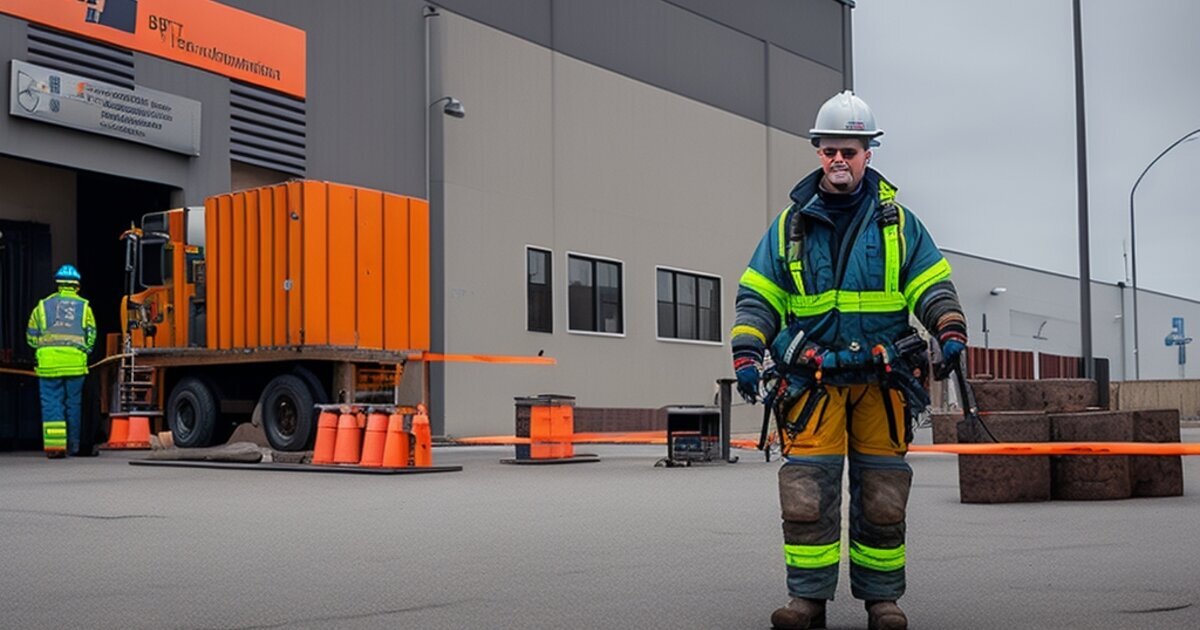
Structural steel is the backbone of modern commercial construction, but it has a critical vulnerability: it loses strength rapidly when exposed to fire. At approximately 1,000 degrees Fahrenheit, structural steel retains only about 60 percent of its yield strength, and at 1,200 degrees it can begin to deform under load. Fire-resistant coatings are engineered to slow the rate at which heat reaches structural members, buying critical time for occupant evacuation and firefighting operations.
Quick Answer
Fire-resistant coatings protect structural steel by delaying heat transfer during a fire so the building assembly can maintain its required one-, two-, three-, or four-hour rating. Intumescent coatings are best for exposed steel where appearance matters, while cementitious fireproofing is typically used for concealed steel where cost and fire rating performance matter most.
Key Takeaways
| Decision Point | Practical Guidance |
|---|---|
| Exposed architectural steel | Use intumescent coatings with a compatible decorative topcoat |
| Concealed structural steel | Use cementitious fireproofing when appearance is not a priority |
| Code compliance | Select only tested and listed UL or Intertek assemblies |
| Renovation work | Document any removal, repair, or penetration before closeout |
Key Concepts
Understanding Fire Resistance Ratings
Fire resistance ratings define the duration, measured in hours, that a structural assembly can withstand standardized fire exposure without failure. These ratings are established through testing per ASTM E119 or UL 263, which subject test specimens to a controlled fire that follows a standard time-temperature curve reaching approximately 1,700 degrees Fahrenheit after one hour.
Common fire resistance requirements for commercial buildings range from one hour for smaller, lower-risk structures to three or four hours for high-rise buildings, assembly occupancies, and critical infrastructure. The required rating is determined by the building code based on construction type, occupancy classification, building height, and area.
It is essential to understand that fire resistance is a property of the assembly, not the coating alone. The coating, along with the structural member it protects, the deck or slab above, and any other components, is tested as a complete system. Substituting a different coating or applying it to a different structural configuration than what was tested can invalidate the rating.
Types of Fire-Resistant Coatings
Intumescent Coatings
Intumescent coatings are thin-film systems that look and feel like conventional paint under normal conditions. When exposed to heat, typically above 250 to 400 degrees Fahrenheit, the coating undergoes a chemical reaction that causes it to expand dramatically, swelling to 20 to 50 times its original thickness. This expanded char layer acts as a thermal insulator, slowing heat transfer to the underlying steel.
Intumescent coatings are applied at dry film thicknesses ranging from 30 mils for one-hour ratings to 200 mils or more for three-hour ratings, depending on the product and the structural member geometry. They are available in water-based and solvent-based formulations and can be topcoated with decorative finishes for architecturally exposed steel.
The primary advantage of intumescent coatings is aesthetics. Because they produce a smooth, paint-like finish, they are the preferred choice for exposed structural steel in lobbies, atriums, restaurants, and other spaces where the steel is intended to be visible. They are also significantly thinner than cementitious alternatives, which matters in tight interstitial spaces.
Cementitious Fireproofing
Cementitious fireproofing, also known as spray-applied fire-resistive material (SFRM), is a plaster-like coating spray-applied to structural steel at thicknesses ranging from half an inch to over two inches depending on the required rating. These products are cement-based with lightweight aggregates such as vermiculite, perlite, or mineral fiber.
Cementitious fireproofing is less expensive per square foot than intumescent coatings and has a long track record of proven performance. It is the standard choice for concealed structural steel in above-ceiling spaces, mechanical rooms, and parking garages where aesthetics are not a concern. Its primary disadvantages are its rough texture, its susceptibility to physical damage, and the fact that it cannot be left exposed in occupied spaces without a finished appearance.
Ablative Coatings
Ablative coatings are a less common but increasingly specified alternative that protect steel by absorbing heat energy through an endothermic chemical process. As the coating is exposed to fire, it releases water vapor and undergoes decomposition, absorbing significant thermal energy in the process. Ablative products offer good impact resistance and can be applied in thinner films than cementitious systems while providing comparable fire ratings.
Code Compliance and Inspection
Building Code Requirements
The International Building Code (IBC) specifies fire resistance requirements for structural elements based on construction type. Type I and Type II construction, which encompass most commercial and high-rise buildings, require fire-rated structural frames. The architect of record specifies the required ratings, and the fire-resistant coating system must be selected from tested and listed assemblies that match the project conditions.
Listed Assemblies and Substitutions
Fire-resistant coatings must be applied in accordance with tested and listed assembly designs published by testing laboratories such as Underwriters Laboratories (UL) or Intertek. Each listing specifies the coating product, the required thickness for each structural member size and shape, and any other conditions of the assembly. Deviating from the listing without an engineering analysis by a licensed fire protection engineer is a code violation.
Inspection and Quality Assurance
Fire-resistant coating application is subject to special inspection requirements under the IBC. A qualified special inspector must verify that the correct product is being applied, that it is being applied at the specified thickness, and that the substrate preparation and application conditions meet the manufacturer’s requirements. Thickness is verified using wet film gauges during application and dry film gauges after cure. Inspection reports become part of the building’s permanent record.
Facility managers involved in new construction or renovation should ensure that the general contractor has engaged a qualified special inspector and that inspection reports are provided to the building owner upon project completion. These records are essential for future renovations, insurance underwriting, and code compliance verification.
Maintenance Considerations
Fire-resistant coatings are generally considered permanent installations, but they can be damaged by construction activity, water intrusion, mechanical impact, or building modifications. Any penetration, removal, or damage to fire-resistant coatings must be repaired using compatible materials applied to the original listing requirements. This is not a maintenance task that can be deferred or improvised.
Facility managers should include fire-resistant coating inspections in their regular building maintenance programs. Focus areas include spaces above ceilings where plumbing or electrical work may have disturbed the fireproofing, mechanical rooms where equipment maintenance can cause physical damage, and any area where water infiltration is evident.
Planning for Renovation and Tenant Buildout
Renovation projects frequently require modification or removal of fire-resistant coatings to accommodate new structural penetrations, mechanical systems, or architectural changes. Before any work proceeds, confirm the existing fire resistance rating requirements, identify the specific listed assembly in use, and engage a coatings contractor experienced in fire-resistant coating repair.
Building modifications that reduce the fire resistance of structural elements below code-required levels create a serious life safety and liability exposure. Every modification must be documented, inspected, and closed out to maintain the building’s fire protection integrity.
Fire-resistant coatings are not optional and they are not cosmetic. They are life-safety systems that protect building occupants and first responders. Facility managers who understand their role in specifying, inspecting, and maintaining these systems contribute directly to the safety of everyone who enters their buildings.
Facility Manager Checklist
- Confirm required fire resistance ratings before any coating selection: Verify building code requirements based on construction type, occupancy, height, and area with the architect of record.
- Specify coatings from tested and listed assemblies only: Use UL or Intertek-listed systems with exact product, thickness, and member geometry matching project conditions.
- Engage qualified special inspectors for application oversight: Require verification of correct product, specified thickness, and manufacturer requirements with written reports for permanent records.
- Inspect fire-resistant coatings during regular maintenance: Focus on spaces above ceilings, mechanical rooms, and areas with water infiltration where damage is most likely.
- Require compatible repair materials for any damaged fireproofing: Specify that repairs match original listed assembly requirements; improvisation or deferral is not acceptable.
- Document all modifications during renovation and tenant buildout: Confirm existing ratings, identify specific listed assemblies, and close out every modification with inspection before occupancy.
- Distinguish between intumescent and cementitious systems: Use intumescent for architecturally exposed steel requiring smooth finish; specify cementitious for concealed structural steel in cost-sensitive applications.
Frequently Asked Questions
Are fire-resistant coatings the same as fireproof paint?
No. Fire-resistant coatings are part of tested fire-rated assemblies and must be installed to the exact listing requirements. Calling them fireproof paint can be misleading because the coating does not make steel immune to fire; it slows heat transfer for a rated period.
How are fire-resistant coating thicknesses determined?
Thickness is based on the listed assembly, required fire rating, steel member size, and coating product. Installers and special inspectors verify wet and dry film thickness against the approved specification.
Can damaged fireproofing be patched by a maintenance crew?
Repairs should use compatible materials and follow the original listed assembly requirements. Maintenance crews should document damage and bring in qualified fireproofing or coatings specialists when the rating could be affected.