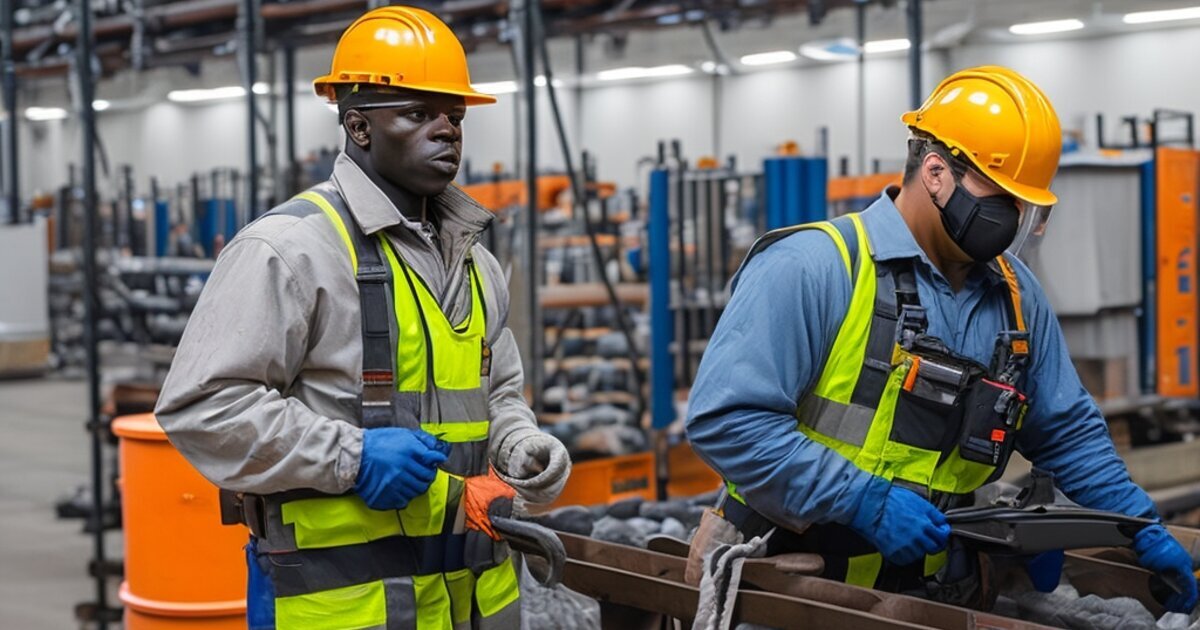
Painting inside tanks, vessels, silos, digesters, and other enclosed structures is among the most hazardous work in the industrial coatings industry. Limited entry and exit points, restricted ventilation, and the presence of toxic coatings create a high-risk environment where a single oversight can be fatal. OSHA 29 CFR 1910.146, the Permit-Required Confined Spaces (PRCS) standard, exists to control these hazards. For facility managers, safety officers, and painting contractors, compliance is not optional—it is a legal obligation and a moral imperative.
This guide explains what makes a space permit-required, how atmospheric and physical hazards differ, and the step-by-step compliance framework required to execute confined space painting safely. For broader jobsite obligations, review the OSHA compliance guide and align entry controls with the project coating specification.
Quick Answer
Confined space painting must follow OSHA 1910.146 when a tank, vessel, silo, or similar enclosure has limited entry, is not designed for occupancy, and presents atmospheric or physical hazards. Safe execution requires a written permit program, pre-entry and continuous atmospheric testing, engineered ventilation, trained entrants and attendants, proper PPE, and a rescue plan that is ready before entry.
Key Takeaways
- Assume tanks, vessels, silos, digesters, and similar enclosed structures are permit-required until a competent evaluation proves otherwise.
- Test oxygen, combustibles, and toxic gases in sequence before entry and monitor continuously during coating work.
- Ventilation, respiratory protection, and rescue planning must be matched to the actual coating system and SDS hazards.
- The attendant must stay outside the space, maintain communication, and initiate rescue without becoming a second victim.
Key Concepts
What Qualifies as a Permit-Required Confined Space
A confined space must meet three criteria under OSHA 1910.146:
- Large enough for a worker to enter and perform assigned work.
- Limited or restricted means for entry or exit.
- Not designed for continuous human occupancy.
If a space meets all three, it is a confined space. It becomes a permit-required confined space (PRCS) if it also has one or more of the following:
- A hazardous or potentially hazardous atmosphere.
- A material with the potential for engulfment.
- An internal configuration that could trap or asphyxiate an entrant.
- Any other recognized serious safety or health hazard.
In painting operations, tanks, reactors, sumps, vaults, and silos almost always qualify as PRCSs. The introduction of solvents, resins, and curing agents during surface preparation and coating application elevates atmospheric risks to levels that demand formal entry controls.
Atmospheric Hazards vs. Physical Hazards
Confined space hazards fall into two categories. Both must be evaluated, documented, and controlled before any worker enters.
Atmospheric Hazards
Atmospheric hazards are the leading cause of confined space fatalities in painting operations.
- Oxygen deficiency: Oxygen levels below 19.5% can impair judgment and coordination. Below 16%, unconsciousness occurs rapidly. Oxygen can be displaced by inerting gases or consumed by corrosion, combustion, or biological activity inside the vessel.
- Toxic vapors and gases: Solvents, thinners, and coating additives release volatile organic compounds (VOCs), benzene, toluene, xylene, and hexavalent chromium from abrasive blasting. Epoxies and urethanes may emit isocyanates, which can cause asthma and chemical sensitization at extremely low concentrations.
- Flammable atmospheres: When vapor concentrations reach 10% or more of the lower explosive limit (LEL), ignition becomes possible. Static electricity, sparking tools, or hot work nearby can trigger explosions in oxygen-enriched or solvent-laden environments.
Physical Hazards
Physical hazards are equally dangerous and often harder to detect without a thorough pre-entry inspection.
- Engulfment: Loose granular materials in silos or hoppers can bury and suffocate workers. Even residual sludge or coating debris can shift and trap an entrant.
- Entrapment: Internal structures such as baffles, agitators, or narrow manways can pin a worker, especially if they are wearing a supplied-air respirator and harness.
- Temperature extremes: Uninsulated metal vessels exposed to direct sunlight can reach interior temperatures exceeding 120°F. Conversely, cold climates and refrigerated tanks can produce hypothermic conditions.
- Mechanical and electrical energy: Rotating equipment, live electrical circuits, and overhead hoists inside vessels must be locked out and tagged out before entry.
OSHA 1910.146 Compliance Steps
Compliance is a structured process. Skipping any step invalidates the entire safety program and exposes the employer to serious violations, willful citations, and liability.
1. Evaluate All Confined Spaces
The employer must evaluate the workplace to determine if confined spaces exist. For each space, document:
- Physical dimensions and entry configurations
- Previous contents and residual contamination
- Coating systems to be applied and their associated hazards
- Adjacent process lines, utilities, and energy sources
- Historical air monitoring data
This evaluation must be performed by a competent person and reviewed whenever conditions change.
2. Develop a Written Permit-Required Confined Space Program
If employees are authorized to enter PRCSs, the employer must develop and implement a written program. The program must:
- Identify and label all PRCSs
- Prohibit unauthorized entry
- Define entry procedures, permits, and hazard controls
- Establish roles and training requirements for entrants, attendants, and entry supervisors
- Specify rescue and emergency services
- Include procedures for atmospheric testing and ventilation
- Describe PPE selection and use
- Require program review annually and after each incident or near-miss
3. Issue Entry Permits
Every PRCS entry must be authorized by a written permit. The permit is a checklist and legal record that verifies hazards have been identified, controlled, and communicated. At a minimum, the permit must document:
- The space to be entered and the purpose of entry
- Date and authorized duration of the entry
- Names of the entrant, attendant, and entry supervisor
- Hazards present and the measures used to isolate or control them
- Acceptable atmospheric test results
- Ventilation methods in use
- Required PPE and communication equipment
- Rescue services and contact information
- Signatures of the supervisor and permit issuer
The entry supervisor must terminate the permit when the operation is complete or when conditions change.
4. Perform Pre-Entry and Continuous Atmospheric Testing
Atmospheric testing is the backbone of confined space safety. Testing must be performed by a trained, competent person using calibrated, direct-reading instruments.
Test in this order:
- Oxygen: Verify levels between 19.5% and 23.5%.
- Combustible gases: Ensure readings are below 10% of the LEL.
- Toxic gases: Test for specific contaminants based on the coating system and substrate condition.
Testing must occur before entry and continue for the duration of the work. If continuous monitoring is interrupted or readings exceed safe thresholds, all entrants must evacuate immediately. Retesting and re-authorization are required before re-entry.
5. Implement Ventilation Strategies
Natural ventilation is rarely adequate in PRCS painting. Mechanical ventilation must be engineered to maintain safe atmospheric conditions.
- Forced-air ventilation: Use explosion-proof blowers to introduce fresh air and create positive pressure. Position intake ducts to sweep across the worker’s breathing zone.
- Exhaust ventilation: Extract contaminated air at the source, particularly near spray zones. Use appropriate filtration to prevent VOC release into the surrounding facility or environment.
- Air changes: Design the system to achieve sufficient air changes per hour based on the space volume and solvent evaporation rates. Consult the coating manufacturer’s technical data sheet for guidance.
- Monitor effectiveness: Continuous air monitoring validates that ventilation is working. Never assume airflow alone eliminates the need for respiratory protection.
6. Define Attendant Roles and Communication Protocols
The attendant is the safety lifeline for the entrant. The attendant must remain outside the PRCS for the duration of entry and must:
- Know the hazards that may be faced during entry
- Recognize behavioral effects of hazard exposure in entrants
- Maintain an accurate count of entrants
- Remain in communication with entrants at all times
- Monitor activities inside and outside the space for changes
- Order evacuation when prohibited conditions arise, behavioral effects are observed, or a situation outside the space threatens safety
- Summon rescue services without entering the space
- Perform non-entry rescues using retrieval systems when appropriate
The attendant may not perform other duties that interfere with these responsibilities.
7. Establish Rescue Plans
OSHA requires that employers develop and implement rescue and emergency procedures. There are two acceptable rescue models:
- Onsite rescue team: Trained, equipped, and immediately available. The team must practice rescues from representative spaces at least once every 12 months.
- Offsite rescue services: Contracted with a written agreement confirming their capability to respond, their familiarity with the facility, and their access to the site.
Retrieval systems with wristlets or full-body harnesses must be used unless they increase the overall risk of entry or are not feasible. Retrieval lines must be attached to a mechanical device or fixed point outside the space.
8. Select and Use Proper PPE
PPE for confined space painting must be selected based on the hazard assessment and the coating manufacturer’s SDS. Typical PPE includes:
- Respiratory protection: Supplied-air respirators (SAR) or powered air-purifying respirators (PAPR) are common for solvent-based coatings. Airline systems must have an emergency egress bottle.
- Full-body coverage: Chemical-resistant coveralls, gloves, and boots prevent skin contact with isocyanates, epoxies, and solvents.
- Eye and face protection: Goggles and face shields protect against splashes and abrasive rebound.
- Fall protection: Harnesses and retrieval lines are required where entrapment or vertical entry exists.
- Head protection: Hard hats guard against overhead obstructions inside vessels.
All PPE must be inspected before each use, maintained according to manufacturer instructions, and replaced when damaged or contaminated.
The Three Roles: Entrant, Attendant, and Entry Supervisor
OSHA assigns distinct responsibilities to three critical roles. Everyone on the entry team must understand who holds each role and what is expected of them.
Entrant
The entrant is the worker who enters the PRCS. Responsibilities include:
- Understanding the hazards listed on the entry permit
- Properly using all required PPE and equipment
- Maintaining communication with the attendant
- Alerting the attendant immediately when warning signs or symptoms appear
- Exiting the space when ordered or when prohibited conditions are detected
Attendant
As described above, the attendant monitors the entry from outside and is responsible for continuous communication, hazard surveillance, and initiating rescue without entering.
Entry Supervisor
The entry supervisor has ultimate authority over the entry operation. Responsibilities include:
- Knowing the hazards of the space and verifying that all tests, equipment, and procedures are in place
- Authorizing entry by signing the permit
- Verifying that rescue services are available
- Removing unauthorized individuals from the entry area
- Ensuring that conditions remain acceptable throughout the entry
- Terminating the entry and canceling the permit when the job is finished or when conditions change
The entry supervisor may also serve as the attendant if properly trained, provided they are not also the entrant.
Coating-Specific Hazards in Confined Spaces
Not all coatings present the same risks. The confined space program must be tailored to the specific products being applied.
Solvent-Based Coatings
Alkyd, epoxy, and urethane systems containing xylene, toluene, or MEK produce high VOC levels and rapid oxygen displacement. They also create flammable atmospheres. These systems often require supplied-air respirators and explosion-proof ventilation.
Isocyanates
Two-component polyurethane coatings contain isocyanates that are respiratory and dermal sensitizers. Sensitization is permanent and can end a worker’s career. Strict PPE, continuous monitoring, and decontamination protocols are essential.
Epoxies and Amines
Epoxy curing agents can cause severe skin irritation, respiratory distress, and asthma. Amine blush can form in humid, poorly ventilated spaces, compromising coating adhesion and creating a chemical exposure risk during surface preparation.
Low-VOC and Water-Based Alternatives
Low-VOC coatings reduce flammability and VOC exposure but do not eliminate the need for confined space controls. Some water-based products contain glycol ethers, ammonia, or biocides that can irritate the respiratory tract. Always review the SDS and conduct air monitoring regardless of the coating type.
Pre-Entry Checklist
Use this checklist before every confined space painting operation:
- Space has been evaluated and classified as PRCS
- Written permit has been completed and signed by the entry supervisor
- All entrants, attendants, and supervisors have been identified and trained
- Atmospheric testing completed: oxygen, combustibles, toxics
- Continuous atmospheric monitoring is active and calibrated
- Ventilation system is operational and effective
- Isolation and lockout/tagout applied to all energy sources
- Rescue plan is in place and rescue services are available
- Retrieval systems and harnesses are inspected and rigged
- Required PPE has been inspected and is being worn correctly
- Communication system between entrant and attendant has been tested
- SDS for all coatings, solvents, and cleaners are on site
- Fire watch established if hot work or ignition sources are present
- Decontamination and emergency eyewash/shower stations are accessible
Frequently Asked Questions
Does a low-VOC coating eliminate confined space permit requirements?
No. Low-VOC or water-based coatings may reduce some solvent exposure, but they do not change the space classification by themselves. Oxygen levels, toxic contaminants, ventilation effectiveness, physical hazards, and rescue readiness still must be evaluated under OSHA 1910.146.
How often should atmospheric testing occur during confined space painting?
Testing must occur before entry and continue during the work. Continuous direct-reading monitoring is the safest approach for coating operations because solvent levels, oxygen concentration, and LEL readings can change quickly as spraying, curing, or ventilation conditions change.
Can the attendant enter the space to rescue a worker?
The attendant should not enter for rescue unless they are part of a trained and properly equipped rescue team under the facility’s written rescue procedure. The normal attendant role is to order evacuation, maintain communication, summon rescue services, and perform non-entry rescue when retrieval systems are available.
Standards & Sources
Related Reading
- Industrial Painting Safety Protocols
- Hazmat Handling in Commercial Painting Operations
- OSHA Compliance Guide for Commercial Painting
- Commercial Painting Insurance: Coverage Essentials
- Quality Control Testing for Coating Projects
Facility Manager Checklist
- Verify contractor confined space competency: Confirm the painting contractor has a written Permit-Required Confined Space program, trained personnel, and documented rescue procedures.
- Require completed entry permits before any work begins: Every PRCS entry must have a signed permit documenting hazards, atmospheric test results, ventilation methods, PPE, and rescue services.
- Confirm atmospheric testing in proper sequence: Verify oxygen (19.5-23.5%), combustibles (<10% LEL), and toxic gases are tested before entry and monitored continuously.
- Ensure mechanical ventilation is engineered and effective: Require explosion-proof blowers with sufficient air changes and verify effectiveness through continuous monitoring.
- Validate attendant roles and communication protocols: The attendant must remain outside, maintain constant communication, and be authorized to order evacuation without entering.
- Require rescue drills and written rescue agreements: Onsite teams must practice annually; offsite services need written confirmation of capability and facility familiarity.
- Review SDS for all coatings and solvents before work: Understand specific hazards of solvent-based coatings, isocyanates, and amines to tailor PPE and ventilation.
Conclusion
Confined space painting demands more than technical skill—it requires disciplined safety leadership. OSHA 1910.146 provides the framework, but compliance depends on the daily decisions made by facility managers, safety officers, and painting contractors. Every permit signed, every atmospheric test performed, and every rescue drill rehearsed reduces the risk of a preventable tragedy.
If your facility requires tank, vessel, or silo painting, partner with a contractor who treats confined space safety as a core competency, not an afterthought.