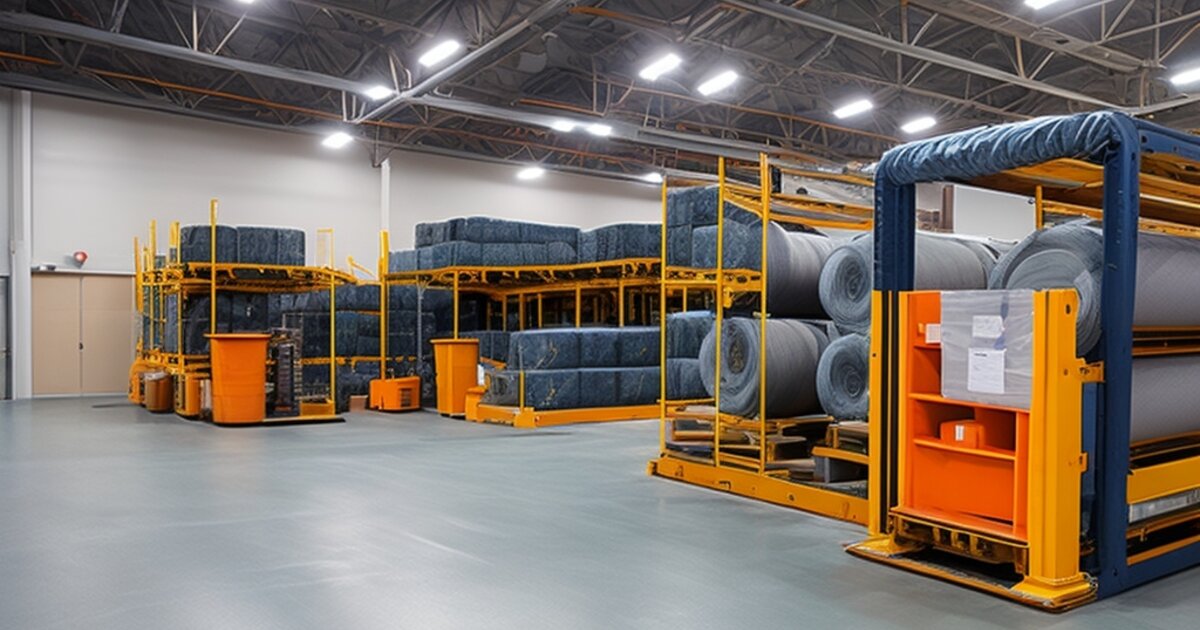
Slips, trips, and falls are the second leading cause of workplace injuries in the United States, and facility managers in the Southwest bear unique responsibility. Between monsoon season moisture, desert dust infiltration, and year-round pool deck traffic, the conditions that create slip hazards in Arizona, Nevada, New Mexico, and surrounding states are constant and unforgiving. Selecting the right slip-resistant flooring system is not simply a design preference—it is a safety, regulatory, and operational imperative.
For facility managers overseeing commercial kitchens, warehouses, healthcare facilities, and aquatic centers, understanding slip resistance technology helps prevent costly OSHA recordables, ADA complaints, and workers’ compensation claims while ensuring surfaces withstand the punishing Southwest climate.
Quick Answer
Slip-resistant flooring for commercial and industrial facilities should be selected by hazard level, traffic type, wet exposure, and required testing standard. In Southwest facilities, specify verified DCOF performance, UV-stable topcoats for sun-exposed areas, and maintenance protocols that remove desert dust before it reduces traction.
Slip Resistance Zones by Application
Regulatory Requirements: OSHA and ADA
OSHA General Duty Clause
OSHA’s General Duty Clause requires employers to maintain a workplace free from recognized hazards, including slippery walking surfaces. While OSHA does not mandate a specific coefficient of friction threshold, the agency routinely cites facilities under 29 CFR 1910.22 for failing to maintain dry, clean walking surfaces. For facility managers, this means proactive slip hazard assessment and documented mitigation measures are essential.
In industrial environments, OSHA expects employers to address slippery conditions through engineering controls—specifically, floor coatings with verified slip resistance—rather than relying solely on administrative controls such as caution signs or footwear policies. The OSHA Compliance Guide provides additional detail on documentation and inspection expectations.
ADA Accessibility Standards
The Americans with Disabilities Act establishes surface requirements under ADA Standards for Accessible Design (2010). Accessible walking surfaces must be stable, firm, and slip-resistant. While the ADA does not specify a numerical coefficient of friction, the Access Board has historically referenced 0.5 static coefficient of friction (SCOF) as a minimum for accessible routes.
For ramps with slopes steeper than 1:20, the standard is even more stringent. Ramps and curb ramps require surfaces that remain slip-resistant under wet conditions, which directly influences coating and aggregate selection in Southwest facilities where flash flooding and irrigation overspray are common.
Types of Slip-Resistant Floor Systems
Epoxy with Broadcast Aggregate
Epoxy resin systems with broadcast aluminum oxide or quartz aggregate are the most common slip-resistant solution in commercial and industrial settings. During application, aggregate is broadcast into the wet epoxy base coat until it will not accept more material. A grout coat and clear topcoat seal the aggregate while maintaining texture.
Advantages: Excellent chemical resistance, customizable texture levels, and compatibility with color coding and line striping. Epoxy floor systems provide the substrate protection that makes long-term slip resistance viable.
Limitations: UV exposure degrades standard epoxy, making it less suitable for outdoor applications in Phoenix, Tucson, and Las Vegas unless topcoated with a UV-stable polyurethane.
Urethane and Polyurethane Cement Systems
Aliphatic polyurethane topcoats provide UV stability and flexibility over epoxy base coats. Cementitious urethane (urethane concrete) offers exceptional thermal shock resistance and is the preferred choice in commercial kitchens and food processing facilities where hot water washdowns occur daily.
Polyurethane systems maintain slip resistance longer than epoxy in areas exposed to grease, oils, and fats because they resist chemical softening that can smooth surface texture over time.
Polyaspartic Coatings with Anti-Slip Additives
Polyaspartic coatings cure rapidly—often within hours—and provide excellent UV and abrasion resistance. Anti-slip additives such as aluminum oxide or polymer grit can be incorporated into the coating or broadcast onto the surface during application.
These systems are ideal for facilities that cannot tolerate extended shutdowns, such as 24-hour distribution centers or active manufacturing plants in the Southwest.
Methyl Methacrylate (MMA) Systems
MMA coatings cure in 1-2 hours and can be applied at temperatures near freezing, though their primary advantage in the Southwest is their rapid return-to-service capability. MMA systems accept broadcast aggregate effectively and perform well in cold storage and refrigerated warehouse applications where thermal cycling is severe.
Coefficient of Friction and Testing Methods
Understanding Coefficient of Friction
Slip resistance is quantified as the coefficient of friction (COF), the ratio of force required to move one surface across another divided by the normal force. Two measurements matter for facility managers:
- Static Coefficient of Friction (SCOF): The force required to initiate movement of a stationary object. Relevant for ADA compliance and general walking safety.
- Dynamic Coefficient of Friction (DCOF): The force required to keep an object in motion once sliding has started. More relevant for wet conditions and industrial applications.
Industry Standards and Thresholds
| Standard | Method | Threshold | Application |
|---|---|---|---|
| ANSI A326.3 | BOT-3000E DCOF | ≥ 0.42 (level interior) | Commercial interiors, dry/wet |
| ADAAG | SCOF | ≥ 0.50 recommended | Accessible routes |
| OSHA | General Duty | No specific number | Workplace safety |
| NFSI | High-Traction | ≥ 0.60 SCOF | High-risk areas |
Facility managers should specify that installed slip-resistant systems be tested using ANSI A326.3 or ASTM C1028 methods and that results be documented in the project closeout package.
Southwest Climate Considerations for Testing
Desert dust, pool chemicals, and extreme heat affect slip resistance over time. Dust accumulation acts as a lubricant on smooth floors, while chlorine and salt exposure in pool environments can degrade certain aggregates. Testing should be repeated annually in high-risk areas, particularly after monsoon seasons when moisture and debris infiltration peak.
Application Areas and System Selection
Commercial Kitchens and Food Service
Commercial kitchens in hotels, casinos, and healthcare facilities require the highest level of slip resistance combined with thermal shock and chemical resistance. Cementitious urethane systems with aggressive quartz or aluminum oxide broadcast are the standard. These systems tolerate grease, hot water, and constant foot traffic.
In Phoenix and Las Vegas casino kitchens, where operations run 24 hours, fast-cure MMA or polyaspartic systems with overnight application windows minimize disruption.
Warehouses and Distribution Centers
Warehouse floors require slip resistance that does not impede forklift traffic or create excessive wheel wear. Light to medium broadcast aggregate within warehouse floor coatings provides traction for foot traffic in picking aisles and pedestrian walkways without creating a rough surface that damages wheels or generates dust.
Loading docks and ramps in Southwest distribution centers present heightened risk during monsoon season when rain creates sudden wet conditions. Specify medium to heavy aggregate in these transition zones.
Aquatic Facilities and Pool Decks
Pool decks in hotels, municipal recreation centers, and senior living facilities across Arizona, Nevada, and New Mexico are among the most slip-critical surfaces. Chlorinated water, body oils, and sunscreens create persistent slick films. UV-stable polyurethane or polyaspartic systems with heavy aluminum oxide broadcast are essential.
In facilities with saltwater pools, verify aggregate and resin compatibility. Salt accelerates corrosion of some metallic aggregates and can degrade standard epoxy resins over time.
Ramps, Stairs, and Transitions
ADA-compliant ramps require consistent slip resistance under wet conditions. Specify systems with DCOF ratings above 0.50 for ramps exposed to weather or irrigation. Color-contrasted nosings with embedded anti-slip tape or aggregate provide additional hazard visibility in low-light conditions common in parking garages and industrial accessways.
Healthcare and Senior Living
Healthcare corridors and patient areas require slip resistance combined with seamless, hygienic surfaces that support infection control. Medium-texture epoxy or polyurethane systems with coved bases at wall junctions prevent moisture penetration and support aggressive cleaning protocols required in Arizona and New Mexico medical facilities.
Maintenance and Cleaning Considerations
Slip-resistant floors require different maintenance protocols than smooth surfaces. Aggregate texture traps soil, grease, and debris, which reduces slip resistance and creates hygiene issues.
Daily Maintenance
- Dry sweeping or dust mopping: Removes abrasive grit that wears away texture and scratches resin surfaces. In desert climates, daily dust removal is non-negotiable.
- Wet scrubbing with neutral pH cleaner: Alkaline or acidic cleaners attack epoxy and polyurethane resins over time, softening the surface and reducing texture longevity.
- Avoid high-pressure washing at close range: Aggressive pressure washing can dislodge broadcast aggregate and damage grout coats.
Periodic Deep Cleaning
Quarterly deep cleaning with mechanical scrubbers and appropriate brushes restores slip resistance by removing embedded soils. In industrial kitchens and food processing facilities, monthly deep cleaning may be necessary to address grease accumulation that reduces traction.
Recoating and Refresh
Slip-resistant floors should be inspected annually for aggregate wear and gloss reduction. When texture becomes smooth or gloss increases (indicating resin wear exposing aggregate), plan for a refresh coat. Commercial coatings maintenance programs that include periodic topcoating extend system life by 5-10 years compared to neglected floors.
Southwest Climate Factors
Desert Dust and Grit
Fine desert dust infiltrates facilities through loading docks, HVAC systems, and pedestrian entries. On smooth floors, this dust acts as a ball bearing, dramatically reducing slip resistance. Slip-resistant aggregate systems disrupt this effect by providing mechanical grip that functions even with light dust accumulation.
Extreme Heat and Thermal Cycling
Southwest summer temperatures regularly exceed 110°F in Phoenix, Tucson, and Las Vegas. Dark-colored exterior floor surfaces can reach 140°F or higher. Standard epoxy softens under sustained high temperatures, reducing durability and increasing slip hazards as the surface becomes tacky. Specify heat-resistant formulations or light-reflective colors for exterior applications.
Thermal cycling between extreme daytime heat and nighttime cooling in desert climates also stresses floor coatings. Polyurethane and cementitious urethane systems accommodate substrate movement better than rigid epoxy, reducing the risk of cracking that creates trip hazards and moisture intrusion paths.
Monsoon Moisture
Arizona and New Mexico monsoon season brings intense, short-duration rainfall that creates standing water at entries, loading docks, and exterior walkways. Slip-resistant systems must perform under these sudden wet conditions. Specify DCOF testing under wet conditions, not just dry SCOF, for all exterior and transition zone applications.
Pool Chemical Exposure
Facilities with aquatic features—common in Southwest hotels, resorts, and recreation centers—face chronic exposure to chlorine, bromine, and salt. Standard epoxy systems degrade under persistent chemical exposure. Specify chemical-resistant flooring systems with vinyl ester or novolac epoxy chemistry for pump rooms, deck areas, and chemical storage zones.
Facility Manager Checklist
- Conduct Slip Hazard Assessment: Document all areas with wet, oily, or dusty exposure to determine required slip resistance levels.
- Specify DCOF Testing: Require dynamic coefficient of friction testing under both dry and wet conditions per ANSI A326.3.
- Match Aggregate to Traffic Type: Select heavy aggregate for pool decks and kitchens, light-to-medium for warehouse aisles and walkways.
- Require UV-Stable Topcoats: Mandate aliphatic polyurethane or polyaspartic topcoats for all exterior or sun-exposed Southwest applications.
- Document ADA Compliance: Verify SCOF ratings for ramps, accessible routes, and curb ramps meet or exceed 0.50.
- Establish Maintenance Protocol: Implement daily dust removal and quarterly deep cleaning to preserve texture and safety performance.
- Schedule Annual Testing: Budget for annual slip resistance verification and plan refresh coats before aggregate wears smooth.
Frequently Asked Questions
What coefficient of friction should facility managers specify?
For level interior walking surfaces, ANSI A326.3 commonly references a DCOF of 0.42 or higher. Wet ramps, pool decks, kitchens, and loading docks should be evaluated more conservatively because exposure and liability are higher.
What type of flooring is best for wet commercial kitchens?
Cementitious urethane or epoxy systems with broadcast quartz or aluminum oxide aggregate are common choices. Kitchens also need thermal shock resistance, grease tolerance, and cleaning protocols that preserve texture.
How often should slip-resistant floors be tested?
High-risk areas should be tested at least annually and after major cleaning, recoating, or incident investigations. Southwest facilities should also reassess after monsoon season when dust and moisture exposure are highest.
Standards & Sources
- OSHA — Occupational Safety and Health Administration
- ADA — Americans with Disabilities Act
- ASTM International
- American National Standards Institute (ANSI)
Related Reading
- Concrete Floor Coatings and Epoxy Systems
- Warehouse Floor Coatings
- Commercial Chemical-Resistant Flooring
- OSHA Compliance Guide
- Coating Selection Guide
Slip-resistant flooring is a critical investment in personnel safety, regulatory compliance, and operational continuity. Facility managers who specify appropriate systems, demand verified testing, and maintain disciplined cleaning protocols protect both their workforce and their organization’s liability exposure. In the demanding Southwest climate, the right floor coating transforms a persistent hazard into a managed, measurable safety asset.
For slip-resistant flooring specification and installation in Arizona, Nevada, New Mexico, and surrounding states, contact Moorhouse Coating.
Frequently Asked Questions
What coefficient of friction should facility managers specify?
For level interior walking surfaces, ANSI A326.3 commonly references a DCOF of 0.42 or higher. Wet ramps, pool decks, kitchens, and loading docks should be evaluated more conservatively because exposure and liability are higher.
What type of flooring is best for wet commercial kitchens?
Cementitious urethane or epoxy systems with broadcast quartz or aluminum oxide aggregate are common choices. Kitchens also need thermal shock resistance, grease tolerance, and cleaning protocols that preserve texture.
How often should slip resistant floors be tested?
High risk areas should be tested at least annually and after major cleaning, recoating, or incident investigations. Southwest facilities should also reassess after monsoon season when dust and moisture exposure are highest.