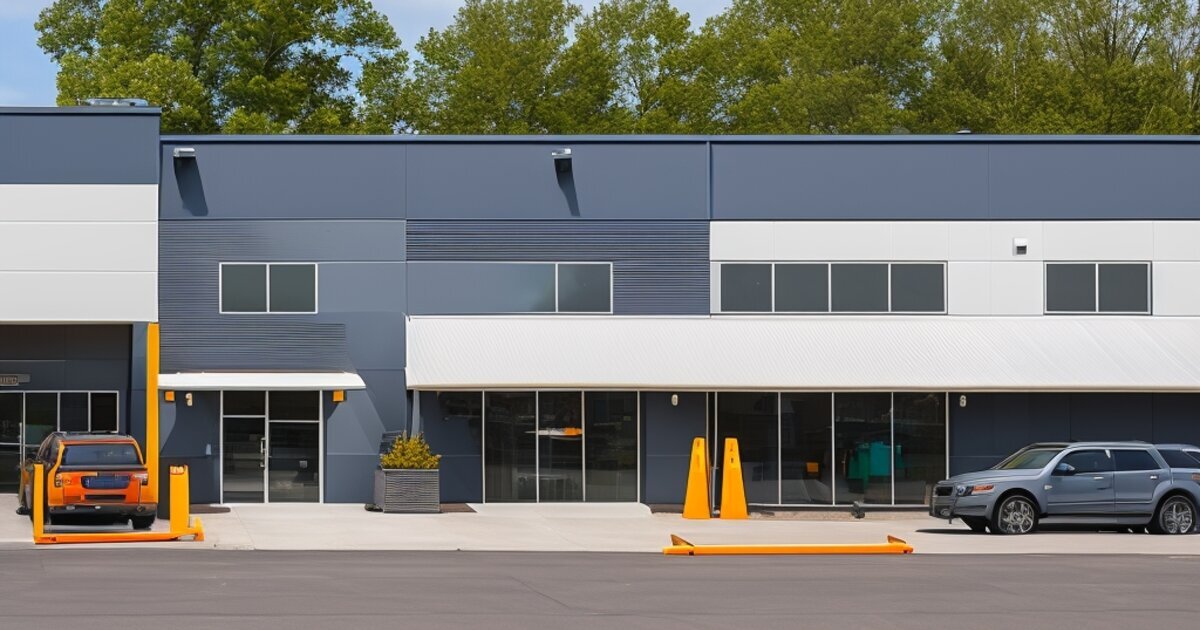
Veterinary clinics, animal hospitals, and pet boarding facilities combine clinical healthcare requirements with the unique challenges of animal behavior, waste management, and odor control. The paint and coatings must withstand disinfectant protocols, resist scratching and abrasion from animal claws, and create calming environments for stressed pets and their owners.
For veterinary practice owners and facility managers, understanding species-specific design, sanitation requirements, and durable coating selection ensures a facility that supports animal health, staff efficiency, and client satisfaction.
Quick Answer
Veterinary and animal care facility painting should use low-odor, zero-VOC, chemical-resistant coatings that tolerate disinfectants, animal waste, claw abrasion, and frequent washdowns. The best specification separates clinical, kennel, boarding, and client areas so each zone gets the right combination of sanitation, durability, odor control, and calming color design.
Veterinary Facility Zones
Clinical Area Requirements
Surgery suites, treatment rooms, and examination areas require clinical-grade finishes.
Sanitation. All clinical surfaces must withstand frequent cleaning with veterinary-grade disinfectants (bleach, quaternary ammonium compounds, accelerated hydrogen peroxide). Specify chemical-resistant, non-porous coatings that do not degrade from repeated disinfection.
Floor coatings. Seamless epoxy or polyurethane floor systems with coved bases prevent accumulation of fluids and debris. Anti-slip properties are essential when floors are wet. Thermal shock resistance accommodates hot water cleaning.
Wall finishes. High-build epoxy or urethane coatings on lower walls withstand impact and scrubbing. Upper walls can use scrubbable semi-gloss enamel. Light colors improve visibility for clinical work.
Radiology rooms. X-ray suites may require lead-lined walls. Painting over lead lining is acceptable if the surface is intact. Do not disturb lead-containing materials without proper abatement.
Odor control. Clinical areas should not smell like animals. Use odor-blocking primers and low-VOC finishes. Maintain negative air pressure in surgery suites to prevent odor migration.
Kennel and Boarding Area Requirements
Kennels and animal runs face the most extreme abuse in veterinary facilities.
Claw resistance. Dog nails scratch walls and doors. Specify high-build, impact-resistant coatings or install protective wall panels (FRP, diamond plate, or rubber matting) in high-contact zones.
Urine and feces resistance. Animal waste is acidic and damaging to standard paint. Non-porous epoxy or urethane coatings prevent absorption and allow thorough cleaning.
Floor drains and slopes. Kennel floors must slope to drains for washdown. Seamless floor coatings with integrated coving prevent fluid accumulation at wall junctions.
Moisture resistance. Constant washing creates humid environments. Antimicrobial, moisture-resistant coatings prevent mold and mildew growth.
Noise reduction. Kennels are loud. Acoustical treatments (acoustic panels, sound-absorbing ceiling tiles) reduce noise stress for animals. Coordinate painting with acoustical installations.
Species-Sensitive Design
Different animals have different environmental needs and stress triggers.
Cats. Feline patients are highly stressed by noise, dogs, and unfamiliar environments. Separate cat waiting areas and wards with calming colors (soft blue, green, lavender). Provide hiding boxes or elevated perches. Avoid bright colors and busy patterns.
Dogs. Canine areas can be more stimulating. Warm colors (tan, soft yellow) create welcoming environments. Durable finishes withstand scratching and chewing.
Exotics and small mammals. Birds, reptiles, and small mammals require species-specific environments. Avoid toxic fumes from fresh paint near sensitive species. Use zero-VOC products and ensure thorough ventilation.
Large animals. Equine and livestock facilities require heavy-duty coatings that withstand kicking, rubbing, and outdoor exposure. Elastomeric or direct-to-metal coatings on metal surfaces.
Client Area Design
Waiting rooms and reception areas must balance cleanliness with comfort for anxious pet owners.
Anxiety reduction. Veterinary visits create stress for both pets and owners. Calming colors (soft blue, sage green, warm neutrals) reduce anxiety. Avoid clinical white that feels sterile and cold.
Separation. Separate waiting areas for cats and dogs reduce stress for feline patients. Visual barriers or separate rooms prevent visual contact between species.
Cleanability. Client areas must withstand pet accidents, shedding, and muddy paws. Scrubbable, stain-resistant finishes allow quick cleanup.
Branding. Accent walls in practice colors, pet-themed murals, or logo graphics create identity and warmth.
Veterinary Facility Coating Decision Table
| Facility Area | Recommended Finish | Key Performance Need |
|---|---|---|
| Surgery and treatment rooms | Epoxy or urethane wall and floor systems | Disinfectant resistance and non-porous sanitation |
| Kennels and animal runs | High-build epoxy or urethane with coved flooring | Waste resistance, washdown durability, and odor control |
| Waiting rooms and reception | Scrubbable low-VOC enamel | Cleanability with a calmer client experience |
| Cat wards and quiet zones | Zero-VOC coatings in soft, low-stimulation colors | Reduced stress and respiratory sensitivity |
| Corridors and high-contact zones | Impact-resistant coating plus protective panels | Claw, leash, cart, and crate abrasion resistance |
Odor Management
Odor control is critical for veterinary facility success.
Odor-blocking primers. Use shellac-based or specialty odor-blocking primers on walls and ceilings in kennel areas. These seal porous surfaces and prevent odor absorption.
Non-porous finishes. Epoxy and urethane coatings do not absorb odors the way standard latex paint does. Specify non-porous finishes in odor-prone areas.
Ventilation. Adequate ventilation is the primary odor control strategy. Painting must not obstruct HVAC intakes or exhausts. Coordinate with mechanical contractors.
Cleaning protocols. Durable finishes support aggressive cleaning protocols that control odor. Specify products that withstand daily disinfection without degradation.
Regulatory Compliance
Veterinary facilities operate under multiple regulatory frameworks.
State veterinary boards. Each state regulates veterinary facility standards, including cleanliness and maintenance. Verify that coatings and finishes meet applicable requirements.
OSHA. Worker safety requirements for chemical handling, ventilation, and hazard communication. Painting contractors must follow OSHA protocols.
ADA. Accessible routes, restrooms, and exam rooms must meet ADA standards. Maintain required contrast and signage.
DEA regulations. Facilities handling controlled substances have security requirements that may affect painting access and scheduling.
EPA RRP. Pre-1978 facilities may contain lead paint. Any disturbance requires RRP-certified contractors.
Scheduling Around Animal Care
Veterinary facilities cannot close for extended painting.
Phased work. Paint one area at a time, relocating animals to unaffected areas. Boarding facilities may need to reduce capacity during kennel painting.
Low-odor products. Use zero-VOC, low-odor formulations exclusively. Animal respiratory systems are sensitive to paint fumes.
Ventilation. Exhaust fumes aggressively. Run HVAC systems on high. Use portable air scrubbers in enclosed spaces.
After-hours work. Schedule painting during evenings and weekends when patient volume is lowest. Emergency clinics require 24/7 operational continuity.
Standards & Sources
- OSHA — Occupational Safety and Health Administration
- U.S. Environmental Protection Agency (EPA)
- ADA — Americans with Disabilities Act
Related Reading
- Healthcare Facility Painting
- Zero-VOC Sustainable Coatings
- Commercial Coating Selection Guide
- Concrete Floor Coatings and Epoxy Systems
- Phased Painting Schedules for 24/7 Operations
Facility Manager Checklist
- Specify Chemical-Resistant Clinical Coatings: Require non-porous epoxy or urethane wall and floor systems that withstand frequent disinfection with bleach, quats, and hydrogen peroxide.
- Install Protective Panels in High-Contact Zones: Use FRP, diamond plate, or rubber matting in kennels and corridors to prevent claw damage to painted surfaces.
- Apply Seamless Floor Systems with Coving: Mandate epoxy or urethane floors with integrated coved bases at wall junctions to prevent fluid accumulation in washdown areas.
- Use Odor-Blocking Primers in Kennels: Specify shellac-based or specialty odor-blocking primers before finish coats to seal porous surfaces and control persistent odors.
- Create Species-Specific Environments: Design separate cat and dog waiting areas with calming colors and visual barriers to reduce stress for sensitive animals.
- Mandate Zero-VOC, Low-Odor Products: Require paints with less than 5 g/L VOC content and odor-neutralizing technology to protect animal respiratory health during application.
- Request Veterinary Facility References: Verify contractor experience with clinical sanitation requirements, animal behavior considerations, and species-specific design before selection.
Frequently Asked Questions
What paint is best for veterinary clinics?
Chemical-resistant epoxy or urethane systems are best for clinical and kennel areas, while scrubbable zero-VOC enamels work well in reception, offices, and lower-abuse client spaces.
Can veterinary facilities stay open during painting?
Yes, but work should be phased by zone, scheduled during low-volume hours, and performed with zero-VOC, low-odor products plus aggressive ventilation to protect animals and staff.
How do coatings help control pet odors?
Non-porous coatings and odor-blocking primers limit absorption into walls and floors, making daily disinfection more effective and reducing persistent kennel or boarding odors.
Veterinary and animal care facility painting requires a contractor who understands clinical sanitation, animal behavior, and species-specific design. Practice owners who specify appropriate coatings and plan around animal care maintain facilities that support both medical excellence and animal welfare.
For veterinary and animal care facility painting in the Southwest, contact Moorhouse Coating.
Frequently Asked Questions
What paint is best for veterinary clinics?
Chemical resistant epoxy or urethane systems are best for clinical and kennel areas, while scrubbable zero VOC enamels work well in reception, offices, and lower abuse client spaces.
Can veterinary facilities stay open during painting?
Yes, but work should be phased by zone, scheduled during low volume hours, and performed with zero VOC, low odor products plus aggressive ventilation to protect animals and staff.
How do coatings help control pet odors?
Non porous coatings and odor blocking primers limit absorption into walls and floors, making daily disinfection more effective and reducing persistent kennel or boarding odors. Veterinary and animal care facility painting requires a contractor who understands clinical sanitation, animal behavior, and species specific design. Practice owners who specify appropriate coatings and plan around animal care maintain facilities that support both medical excellence and animal welfare. For veterinary and animal care facility painting in the Southwest, contact Moorhouse Coating.