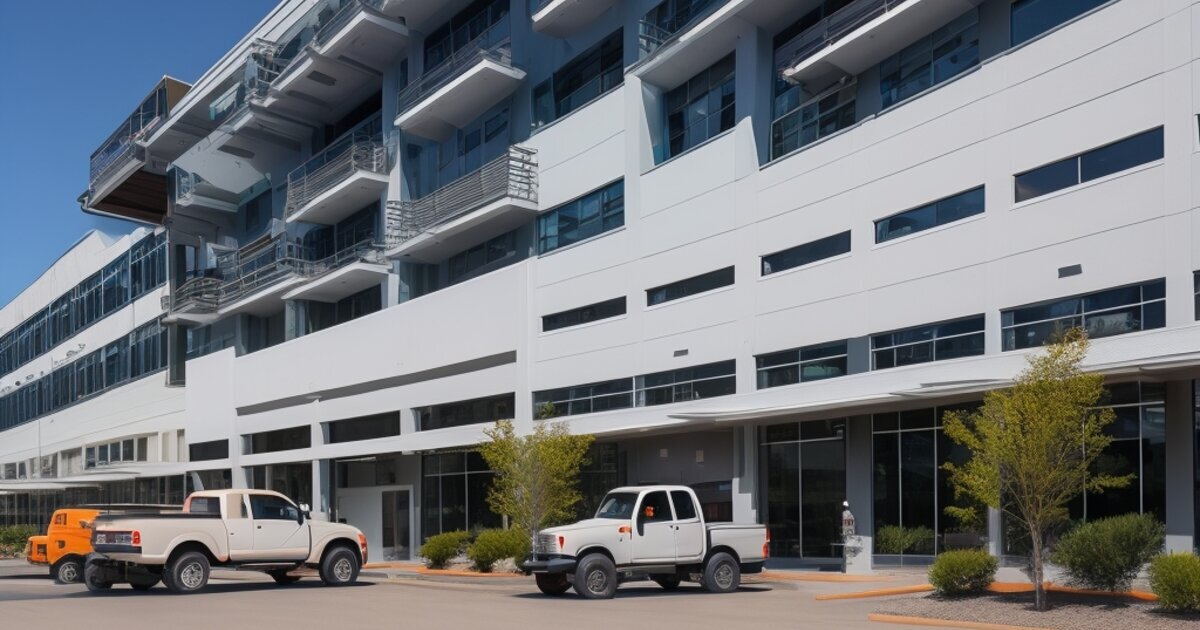
The data center construction boom shows no signs of slowing. Driven by the rapid expansion of cloud computing, artificial intelligence workloads, and edge computing infrastructure, new data center capacity is being built at an unprecedented rate across the United States. For facility managers overseeing these expansion projects, painting and protective coatings represent a critical path item that can easily become a bottleneck if not planned properly.
Quick Answer
Painting for data center expansion should be planned during preconstruction, specified around uptime and contamination-control requirements, and sequenced as a critical path trade. The most important decisions are coating system selection, environmental controls during cure, ESD floor requirements, and contractor qualification for mission-critical facilities.
Key Takeaways
| Decision Area | Facility Manager Priority |
|---|---|
| Schedule | Engage the coatings contractor before framing and MEP congestion limit access. |
| Active operations | Use containment, low-VOC materials, and phased work near live server rooms. |
| Floors | Specify seamless resinous systems with ESD performance and post-install testing. |
| Structural steel | Match the primer and topcoat system to the required 20-30 year design life. |
| Contractor selection | Verify data center references, quality control documentation, and ESD familiarity. |
Key Concepts
The Scale of Current Expansion
Industry analysts estimate that data center construction spending has more than doubled since 2022, with hyperscale and colocation facilities leading the charge. Major markets like Northern Virginia, Dallas-Fort Worth, Phoenix, and Columbus continue to absorb capacity faster than it can be built, while emerging markets in the Midwest and Southeast are seeing their first wave of large-scale development.
Each new facility or expansion wing introduces tens of thousands of square feet of walls, floors, ceilings, and structural steel that require protective coatings. When you factor in the speed at which these projects move from groundbreaking to commissioning, the pressure on coatings contractors to deliver quality work on compressed timelines is immense.
Coatings Challenges Unique to Data Center Expansion
Compressed Schedules
Data center developers measure time to revenue in weeks, not months. Construction schedules are often 30 to 50 percent shorter than comparable commercial builds. Painting and coatings work must be sequenced tightly with other trades, and there is rarely room for schedule recovery if a coating application falls behind.
Facility managers should engage coatings contractors during the preconstruction phase, not after framing is complete. Early engagement allows the contractor to plan crew sizes, stage materials, and coordinate with general contractors on access windows that avoid conflicts with mechanical, electrical, and plumbing trades.
Environmental Controls During Application
Many high-performance coatings require specific temperature and humidity conditions during application and cure. In an expansion project where the building envelope may not yet be fully sealed, maintaining these conditions can be challenging. Temporary environmental controls such as portable heaters, dehumidifiers, or positive-pressure ventilation may be necessary to ensure proper film formation and adhesion.
Failure to maintain environmental conditions during application is one of the leading causes of coating failures in new construction. A coating that blisters or delaminates six months after occupancy will require costly remediation in a live data center environment, where downtime carries significant financial risk.
Coordination With Active Operations
Expansion projects that add capacity to an existing facility present an additional layer of complexity. Painting and coating activities generate dust, overspray, and odors that can migrate into the operating environment if containment measures are not properly implemented. Negative air pressure barriers, temporary partitions, and low-VOC coating selections are all essential when working adjacent to live server rooms.
The coatings contractor must understand the facility’s contamination control protocols and be willing to adapt application methods accordingly. In some cases, this means using roller and brush application instead of spray methods, or scheduling work during planned maintenance windows when airflow systems can be temporarily reconfigured.
Planning the Coatings Scope
Structural Steel Protection
Exposed structural steel in data centers requires corrosion protection that meets the facility’s design life, typically 20 to 30 years. Depending on the environment, this may range from a simple primer and topcoat system to a multi-coat system with zinc-rich primer, epoxy intermediate coat, and polyurethane finish. Specify the coating system based on the corrosivity of the environment, not on generic standards.
Wall and Ceiling Systems
Interior walls and ceilings in server halls typically receive high-performance epoxy or polyurethane coatings to support cleanroom or controlled environment requirements. Mechanical and electrical rooms may use standard commercial-grade coatings, but should still be specified for durability and ease of maintenance. Color coding by zone or system function can improve wayfinding and maintenance efficiency.
Floor Systems
Data center floors must support heavy static and rolling loads while providing electrostatic dissipation. Seamless resinous floor systems, typically epoxy or polyurethane-based, are the standard. The floor coating specification should include the required ESD performance range, surface texture for slip resistance, and chemical resistance properties appropriate for the facility’s cleaning protocols.
Contractor Qualification and Selection
Not every commercial painting contractor is equipped to handle data center work. When evaluating coatings contractors for an expansion project, look for the following qualifications:
- Documented experience on data center or mission-critical facility projects
- Ability to mobilize large crews on short notice to meet compressed schedules
- Familiarity with ESD coating systems and testing protocols
- Quality control programs that include film thickness measurement, adhesion testing, and environmental condition monitoring
- Safety programs that meet or exceed the general contractor’s site requirements
Request project references and verify them. A contractor who has successfully completed similar work under similar schedule pressures is a far lower risk than one offering a lower bid but no relevant experience.
Protecting Your Investment
The coatings applied during a data center expansion are not just a construction line item. They are long-term investments in facility performance, equipment protection, and operational continuity. Facility managers who treat coatings as a critical path element and plan accordingly will avoid the delays, rework, and premature failures that plague projects where coatings are treated as an afterthought. Start the conversation with your coatings contractor early, define specifications clearly, and build realistic timelines that account for the realities of high-performance coating application.
Facility Manager Checklist
- Engage coatings contractors during preconstruction: Early involvement allows crew planning, material staging, and coordination with other trades before framing is complete.
- Specify coating systems based on design life: Use multi-coat systems with zinc-rich primer, epoxy intermediate, and polyurethane finish for 20-30 year structural steel protection.
- Maintain environmental controls during application: Provide temporary heating, dehumidification, or positive-pressure ventilation when the building envelope is not fully sealed.
- Require ESD floor coating specifications: Include required electrical resistance range, slip resistance texture, and chemical resistance for cleaning protocols in floor specifications.
- Implement containment when working near live operations: Use negative air barriers, temporary partitions, and low-VOC coatings to prevent contamination migration into active server rooms.
- Verify contractor data center experience: Confirm documented experience on mission-critical projects, ESD familiarity, and quality control programs with film thickness and adhesion testing.
- Request project references and verify them: Contact references who have completed similar work under compressed schedules to validate contractor capability.
Frequently Asked Questions
When should painting contractors be brought into a data center expansion project?
Bring coatings contractors in during preconstruction so they can plan access, crew size, material lead times, environmental controls, and sequencing with mechanical and electrical trades. Waiting until finish work begins increases schedule and quality risk.
What coatings are commonly used in data center expansions?
Server halls typically use durable epoxy or polyurethane wall and ceiling systems, ESD resinous floor coatings, and corrosion-resistant coatings on exposed structural steel. Support spaces may use commercial-grade coatings where cleanroom performance is not required.
How do you prevent painting work from affecting live server rooms?
Use temporary partitions, negative air barriers, low-VOC materials, HEPA filtration, and work windows coordinated with facility engineers. Application methods may shift from spray to brush and roller near sensitive operations.