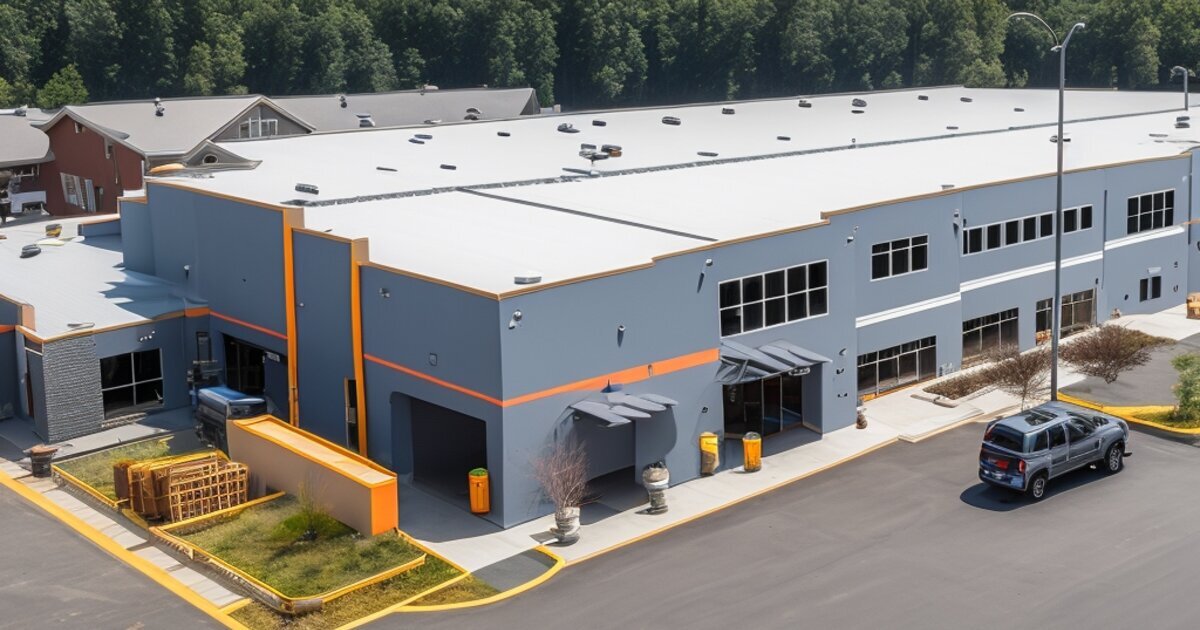
Data centers and cleanrooms are among the most technically demanding environments for commercial painting. These facilities house sensitive electronic equipment, pharmaceutical processes, or scientific research where contamination, static electricity, or chemical outgassing can cause catastrophic failures or product loss. The painting contractor must work within strict protocols that prioritize cleanliness over speed and precision over cost.
For data center managers, cleanroom operators, and facility engineers, understanding the specialized requirements of critical environment painting ensures that maintenance and renovation work does not compromise operational integrity.
Quick Answer
Data center and cleanroom painting requires low-outgassing coatings, strict contamination control, ESD protection where electronics are present, and documented verification before the space returns to service. Brush, roller, containment, HEPA filtration, and phased scheduling often matter more than application speed in active critical environments.
Key Takeaways
- Use ESD floor systems in data centers and electronic manufacturing zones to safely dissipate static charges.
- Specify low-outgassing epoxy, polyurethane, or approved zero-VOC systems based on the cleanroom classification and operating risk.
- Avoid spray application unless containment, masking, and air filtration can keep particles and overspray under control.
- Verify particle counts, electrical resistance, cure status, and visual quality before releasing the area back to operations.
Critical Environment Painting Requirements
The Critical Environment Challenge
Data centers and cleanrooms operate under protocols that make standard commercial painting practices unacceptable.
Contamination sensitivity. A single paint chip or dust particle can destroy a semiconductor wafer, corrupt data storage, or contaminate a pharmaceutical batch. The painting process itself generates particles, fumes, and debris that must be strictly controlled.
Static electricity. Electrostatic discharge (ESD) can damage sensitive electronic components. Standard paints generate static electricity. Data centers and electronic manufacturing cleanrooms require electrostatic dissipative (ESD) coatings that safely bleed off static charges.
Outgassing. Fresh paint emits volatile organic compounds (VOCs) and other gases that can corrode electronic contacts, contaminate cleanroom air, or interfere with sensitive processes. Extended off-gassing periods or specially formulated low-outgassing coatings are required.
Operational continuity. Data centers operate 24/7/365. There are no shutdowns for painting. Work must occur in active facilities without disrupting critical operations.
Data Center Painting Requirements
Data centers house servers, storage, and networking equipment that generate heat and are sensitive to contamination.
White reflective coatings. Data center walls and ceilings are typically painted white or light gray to maximize light reflectance and reduce lighting energy costs. The high reflectance also improves visibility for technicians working in the space.
ESD floor coatings. Data center floors must control static electricity. Electrostatic dissipative (ESD) floor coatings have a electrical resistance between 1.0 x 10^6 and 1.0 x 10^9 ohms. This range allows static charges to dissipate safely without creating a shock hazard. Conductive floors (below 10^6 ohms) are too conductive and can create shock hazards. Static-dissipative is the standard for data centers.
Subfloor preparation. Concrete subfloors must be properly prepared and tested for moisture before ESD coating application. Moisture vapor emission rates must be within manufacturer specifications. Conductivity testing verifies proper ESD performance after installation.
Aisle markings. Data centers use color-coded aisle markings to designate hot aisles (equipment exhaust) and cold aisles (equipment intake). These markings must be durable and visible. Use industrial traffic paint or epoxy line striping that withstands foot traffic and equipment movement.
Containment during work. Painting in an operational data center requires:
- Plastic sheeting barriers to contain dust and overspray
- Negative air pressure with HEPA filtration
- Daily cleanup and debris removal
- Coordination with facility staff to avoid disrupting cooling airflow
Cleanroom Painting Requirements
Cleanrooms are classified by ISO standards (ISO 1 through ISO 9) based on allowable particle counts. Painting requirements become more stringent as the cleanroom classification increases.
Cleanroom classifications.
- ISO 1-3 (Class 1-10): Extreme environments (semiconductor fabrication). Painting is rarely performed in these spaces; panels are typically replaced.
- ISO 4-5 (Class 100-1,000): Pharmaceutical, biotech, medical device. Painting requires extensive preparation and protocol.
- ISO 6-7 (Class 10,000-100,000): Less critical manufacturing, packaging. Standard cleanroom painting protocols apply.
- ISO 8-9 (Class 100,000+): General manufacturing with clean protocols.
Cleanroom painting protocol.
- Pre-cleaning: Thoroughly clean all surfaces before painting to remove existing contamination
- Material approval: Use only approved paints that meet cleanroom outgassing requirements
- Application method: Brush and roller preferred over spray to minimize airborne particles
- Containment: Isolate work area with cleanroom-compatible barriers
- Personnel: Workers wear appropriate cleanroom garments (bunny suits, covers)
- Cleanup: Remove all debris, wipe surfaces, and verify particle counts before returning to service
Outgassing requirements. Specify low-outgassing coatings that meet NASA or semiconductor industry standards (ASTM E595). These coatings emit minimal VOCs and other volatiles. Extended cure times (7-14 days) may be required before the space returns to critical use.
Seamless wall and floor systems. Many cleanrooms use seamless epoxy or polyurethane wall and floor systems that eliminate joints where particles accumulate. These systems are applied as liquid coatings that cure to a monolithic, non-porous surface.
Product Selection for Critical Environments
Data center walls and ceilings:
- Zero-VOC latex or acrylic in white or light gray
- Flat or eggshell finish to minimize glare
- Scrubbable for maintenance cleaning
Data center floors:
- ESD epoxy or polyurethane coating system
- Electrical resistance: 10^6 to 10^9 ohms
- Anti-slip aggregate for safety
- Chemical resistance for coolant and cleaning agents
Cleanroom walls and ceilings:
- Low-outgassing epoxy or polyurethane
- Seamless application
- Light colors for visibility and contamination detection
- Chemical resistance for cleaning protocols
Cleanroom floors:
- Seamless epoxy or polyurethane with coved bases
- ESD properties if electronic manufacturing
- Chemical and abrasion resistance
- Monolithic, non-porous finish
Contamination Control During Painting
The painting process itself is a contamination source that must be managed.
Surface preparation. Sanding, scraping, and blasting generate particles. In cleanrooms, use vacuum sanding systems or wet methods to capture dust. In data centers, avoid abrasive preparation that generates airborne particles.
Application methods. Brush and roller application generates fewer airborne particles than spray. If spray application is necessary, use airless systems with fine finish tips and extensive masking.
Material storage. Store paint and supplies in clean areas. Do not bring contaminated materials into the critical environment. Open containers only in the work area.
Personnel hygiene. Workers must wear appropriate garments, hair covers, and shoe covers. Tools and equipment must be clean before entering the space.
Debris management. Collect all debris, masking materials, and waste immediately. Do not leave paint cans, brushes, or supplies in the critical environment overnight.
Scheduling in Active Facilities
Critical environments cannot shut down for painting.
Phased isolation. Isolate sections of the facility for painting while maintaining operations elsewhere. Use temporary barriers that maintain airflow and containment.
Off-hours work. Schedule painting during maintenance windows, weekends, or low-activity periods. Data centers may have scheduled maintenance windows quarterly or annually.
Coordination with operations. Work with facility engineers to ensure painting does not disrupt cooling, power, or network operations. Verify that barrier placement does not block airflow or access to critical equipment.
Testing and verification. After painting, verify that the space meets required standards:
- Particle counts (cleanrooms)
- ESD resistance (data center floors)
- Outgassing levels (cleanrooms)
- Visual inspection for holidays or defects
Facility Manager Checklist
- Specify low-outgassing coatings for cleanroom applications: Require coatings meeting NASA or semiconductor industry standards (ASTM E595) with 7-14 days full cure before returning to critical use.
- Require ESD floor coatings in data centers and electronic manufacturing: Specify electrical resistance between 10^6 and 10^9 ohms and verify with ANSI/ESD S20.20 testing after installation.
- Use seamless epoxy or polyurethane systems for cleanroom walls and floors: Eliminate joints where particles accumulate and specify monolithic, non-porous finishes.
- Implement strict contamination control during painting work: Use vacuum sanding, HEPA filtration, negative air barriers, and cleanroom-compatible garments for all workers.
- Schedule painting during maintenance windows or off-hours: Coordinate with facility engineers to avoid disrupting cooling airflow, power, or network operations.
- Verify electrical resistance and particle counts before returning to service: Test ESD floors and confirm cleanroom particle counts meet ISO classification requirements after work completion.
- Require documented cleanroom painting experience from contractors: Verify references for similar ISO-classified projects, ESD testing protocols, and quality control programs.
Data center and cleanroom painting is a specialized discipline where contamination control, static dissipation, and protocol compliance matter more than cost or speed. Facility managers who select experienced contractors and enforce strict protocols maintain the operational integrity of their critical environments.
For data center and cleanroom painting in the Southwest, contact Moorhouse Coating.
Frequently Asked Questions
Can you paint inside an active data center?
Yes, but the work must be phased and isolated so dust, overspray, odors, and airflow disruptions do not reach operating equipment. Most projects use off-hours scheduling, temporary barriers, HEPA filtration, and close coordination with facility engineering teams.
What makes cleanroom paint different from standard commercial paint?
Cleanroom paint is selected for low particle shedding, low outgassing, chemical resistance, and cleanability. Standard commercial paints may look acceptable but can release particles or VOCs that compromise sensitive environments.
When are ESD coatings required?
ESD coatings are required when static discharge could damage servers, electronics, medical devices, or manufacturing equipment. Data center floors commonly specify static-dissipative resistance in the 10^6 to 10^9 ohm range.
Standards & Sources
- ASTM International
- American National Standards Institute (ANSI)
- International Organization for Standardization (ISO)
Related Reading
Related Resources
- Data Center Cleanroom Coatings
- Data Center Painting Expansion 2025
- Zero-VOC Sustainable Coatings
- Industrial Coatings Complete Guide
- Coating Selection Guide
Frequently Asked Questions
Can you paint inside an active data center?
Yes, but the work must be phased and isolated so dust, overspray, odors, and airflow disruptions do not reach operating equipment. Most projects use off hours scheduling, temporary barriers, HEPA filtration, and close coordination with facility engineering teams.
What makes cleanroom paint different from standard commercial paint?
Cleanroom paint is selected for low particle shedding, low outgassing, chemical resistance, and cleanability. Standard commercial paints may look acceptable but can release particles or VOCs that compromise sensitive environments.
When are ESD coatings required?
ESD coatings are required when static discharge could damage servers, electronics, medical devices, or manufacturing equipment. Data center floors commonly specify static dissipative resistance in the 10^6 to 10^9 ohm range.