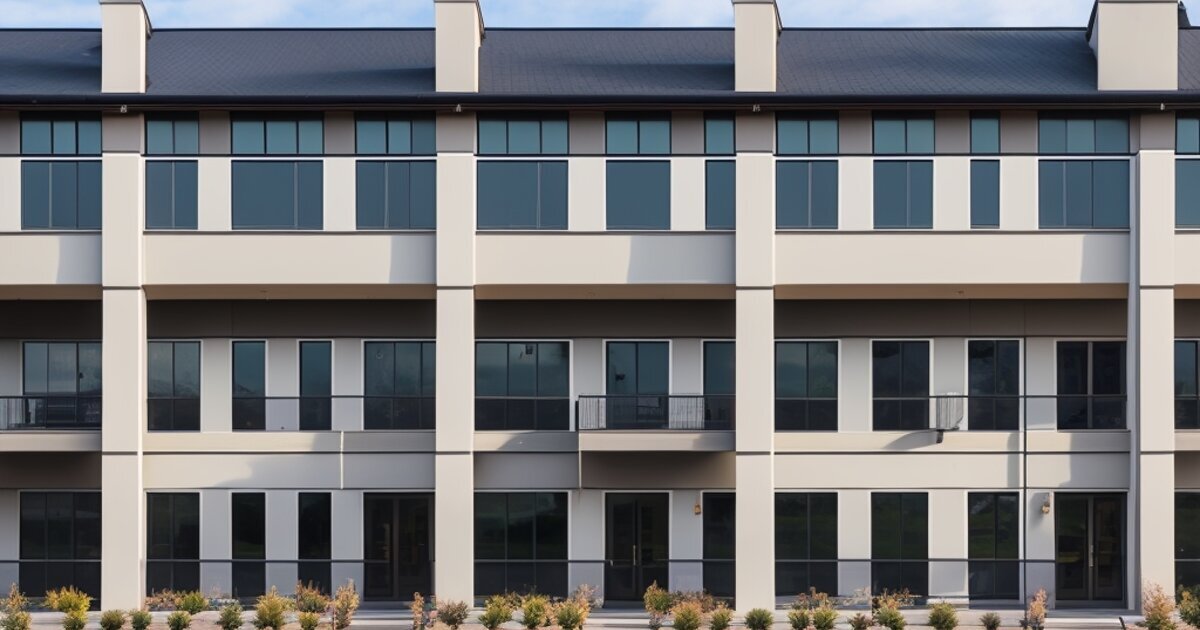
Senior living facilities occupy a unique position between healthcare and hospitality. The residents are not patients, but they are vulnerable. The environment is not a hospital, but infection control matters. The operations are not a hotel, but guest satisfaction drives occupancy. For painting contractors, this means adapting healthcare-grade discipline to a residential atmosphere—delivering beautiful, durable finishes without the clinical feel or operational disruption of a medical facility.
For facility directors and maintenance managers overseeing painting in independent living, assisted living, and memory care communities, understanding the resident-sensitive approach ensures a successful project that improves the environment without distressing the people who live there.
Quick Answer
Senior living painting should use zero-VOC, low-odor coatings, strict containment, resident-aware phasing, and color plans that support wayfinding and comfort. The best projects protect vulnerable residents, maintain meal and care schedules, and keep common areas clean, safe, and familiar during the work.
Resident-Sensitive Painting Priorities
| Facility Area | Painting Priority | Best Practice |
|---|---|---|
| Resident rooms | Low odor and fast turnover | Zero-VOC coatings, same-day ventilation, and familiar color matches |
| Corridors | Safe access and wayfinding | Phased work, high-contrast trim, and clear temporary signage |
| Dining and activity rooms | Operational continuity | Schedule between meals or activities with complete cleanup before use |
| Memory care units | Predictability and security | Gradual color changes, secured containment, and staff-coordinated access |
Senior Living Painting Priorities
The Resident-Sensitive Approach
Senior living residents are not typical building occupants. Many have mobility limitations, respiratory sensitivities, cognitive impairments, or anxiety about change. Painting projects must account for these vulnerabilities.
Odor sensitivity. Elderly residents have heightened sensitivity to chemical odors. Standard latex paint may cause headaches, nausea, or respiratory irritation. Zero-VOC and low-odor formulations are mandatory, not optional.
Cognitive considerations. Residents with dementia or Alzheimer’s may become confused or agitated by changes in their environment. Abrupt color changes, unfamiliar workers, or blocked pathways can trigger distress. Communication and gradual transitions are essential.
Mobility limitations. Residents cannot easily detour around work zones. Painting in hallways, common areas, or near resident rooms requires clear signage, alternative routes, and staff assistance for residents who need help navigating.
Operational continuity. Unlike a hospital where units can close, senior living communities operate continuously. There are no “off hours” when all residents are away. Work must proceed around meals, activities, medication administration, and sleep schedules.
Infection Control and Containment
While not a hospital, senior living facilities face infection control requirements that exceed standard commercial painting.
Containment barriers. Erect plastic sheeting or temporary walls to isolate work zones from resident areas. Negative air pressure with HEPA filtration prevents dust and odors from migrating. This is particularly important in memory care units where residents may wander.
Surface preparation. Sanding and scraping generate dust that can harbor pathogens. Use vacuum sanding systems and wet methods to control dust. Clean and disinfect all surfaces before painting in healthcare-adjacent areas.
Worker health screening. Require painting crews to follow the facility’s health screening protocols. This may include temperature checks, symptom questionnaires, and masking requirements. Crews should not enter the facility if ill.
Tool and equipment sanitation. Regularly clean ladders, scaffolding, and tools that contact surfaces in resident areas. Use disposable drop cloths in resident rooms rather than reusable cloths that may harbor contaminants.
Product Selection for Resident Health
Coating selection in senior living prioritizes occupant health and environmental quality.
Zero-VOC interior paints. Specify paints with VOC content below 5 g/L. Many manufacturers now offer zero-VOC formulations in all sheens, including scrubbable eggshell and satin finishes suitable for high-traffic corridors.
Anti-microbial coatings. Some manufacturers offer interior paints with integrated antimicrobial agents that inhibit bacterial and fungal growth on the painted surface. While not a substitute for cleaning protocols, these products provide an additional layer of protection in healthcare-adjacent environments.
Odor-eliminating technology. Newer formulations include odor-eliminating additives that neutralize residual paint smell within hours rather than days. This technology is particularly valuable in occupied resident rooms where off-gassing must be minimized.
Scrubbable finishes. Hallways, dining rooms, and common areas require frequent cleaning. Specify scrubbable eggshell or satin finishes that withstand cleaning chemicals without gloss loss or color change.
Avoid oil-based products entirely. Alkyd enamars and oil-based primers have no place in occupied senior living facilities. The odor persists for weeks and is unacceptable in resident environments.
Color Psychology and Wayfinding
Color choices in senior living serve functional purposes beyond aesthetics. Research demonstrates that appropriate color use improves wayfinding, reduces anxiety, and supports cognitive function.
Contrast for vision impairment. Age-related vision changes reduce the ability to distinguish low-contrast boundaries. Use strong contrast between walls and floors, doors and frames, and handrails and walls. This reduces falls and improves independent navigation.
Color-coded zones. Memory care units benefit from color-coded hallways or neighborhoods that help residents identify their location. Consistent color themes for dining areas, activity rooms, and living spaces create recognizable landmarks.
Calming palettes. Avoid high-contrast patterns or busy designs that may trigger agitation in residents with dementia. Soft blues, greens, and warm neutrals create a calming atmosphere. Reserve brighter accent colors for wayfinding elements and activity spaces.
Natural light enhancement. Light, warm colors reflect natural light and make spaces feel larger and more open. This is particularly valuable in interior corridors and common areas without direct window access.
Scheduling and Phasing
Senior living painting requires a phasing strategy that minimizes resident disruption while maintaining project efficiency.
Room turnover. The most common painting need is unit turnover between residents. Standardize a “make-ready” painting package that includes:
- Cleaning and sanitizing all painted surfaces
- Patching nail holes and minor damage
- Spot priming repaired areas
- Applying one coat of zero-VOC paint in the existing color
- Touch-up of trim and doors
A two-person crew should complete a standard apartment in four to six hours, allowing same-day turnaround in many cases.
Common area phasing. For corridor and common area painting, phase by wing or floor. Notify residents and families at least one week in advance. Post daily schedules showing which areas will be affected. Provide alternative routes and temporary signage.
Meal service coordination. Never paint dining areas during meal times. Schedule dining room work between meals, with thorough ventilation before the next service. Consider painting dining areas in sections so the facility can maintain partial seating capacity.
Night work limitations. While night work minimizes resident contact, it creates noise that disturbs sleep. Limit power tools and loud equipment to daytime hours. Brush and roller work may proceed in the evening in areas distant from resident rooms.
Memory Care Considerations
Memory care units require additional planning beyond standard assisted living.
Consistency and predictability. Residents with dementia rely on environmental consistency. Minimize visual changes during painting. If color changes are necessary, implement them gradually and communicate repeatedly to staff and families.
Secure containment. Memory care units are secured to prevent elopement. Painting crews must understand and respect security protocols. Never prop open secured doors or disable alarms. Coordinate with staff for entry and exit.
Supervision requirements. Residents may not recognize painting hazards such as wet paint, open containers, or equipment. Maintain constant staff supervision in work zones. Use physical barriers to prevent resident access to active work areas.
Sensory sensitivity. Some residents with dementia have heightened sensory sensitivity to noise, smell, or unfamiliar people. Schedule noisy work during activity periods when residents are engaged elsewhere. Use the lowest-odor products available.
Regulatory and Survey Considerations
Senior living facilities are regulated by state agencies and subject to annual surveys that include environmental inspections.
State regulations. Most states require senior living facilities to maintain clean, safe, and well-maintained environments. Peeling paint, water stains, or damaged surfaces can result in survey deficiencies. Maintain a preventive painting schedule that addresses issues before they become violations.
Life safety requirements. Painting must not obstruct exit signs, emergency lighting, fire extinguisher markings, or sprinkler heads. Use removable masking rather than permanent paint over these elements.
ADA compliance. Common areas, corridors, and resident bathrooms must maintain ADA-compliant contrast and signage. Verify that painting does not reduce contrast below required thresholds.
Frequently Asked Questions
What paint is safest for occupied senior living facilities?
Zero-VOC, low-odor interior paint is the safest default for occupied resident areas. Scrubbable eggshell or satin finishes provide cleanability without the odor and disruption of solvent-based products.
How can painting be done without upsetting residents in memory care?
Use small phases, familiar colors, secured containment, repeated staff communication, and daytime schedules that avoid high-stress periods. Crews should never bypass access controls or leave hazards visible to residents.
How often should assisted living facilities repaint common areas?
High-traffic corridors and dining areas often need touch-up or repainting every 2-4 years. Resident rooms are usually painted during turnover, while damage, survey concerns, or infection-control needs may accelerate the schedule.
Standards & Sources
Related Reading
- Healthcare Facility Painting
- Zero-VOC Sustainable Coatings
- ADA-Compliant Wayfinding Surface Coatings
- Phased Painting Schedules for 24/7 Operations
- Case Study: Healthcare and Hospitality Facility Painting
Facility Manager Checklist
- Specify Zero-VOC Paints: Require paints with less than 5 g/L VOC content for all interior occupied spaces to protect resident respiratory health.
- Require Odor-Eliminating Technology: Mandate odor-neutralizing additives that eliminate residual paint smell within hours, not days.
- Implement Containment Barriers: Erect plastic sheeting and negative air pressure with HEPA filtration when painting near resident areas.
- Use High-Contrast Color Schemes: Specify strong wall-to-floor and door-to-frame contrast to support vision-impaired residents and reduce fall risk.
- Phase Work by Wing or Floor: Notify residents and families at least one week in advance and post daily schedules showing affected areas.
- Maintain Memory Care Security: Confirm painting crews understand and respect secured unit protocols, including alarm systems and access controls.
- Require Crew Health Screening: Mandate temperature checks, symptom questionnaires, and masking per facility infection control policies.
Senior living facility painting demands a contractor who understands the intersection of healthcare discipline and residential sensitivity. Facility directors who prioritize resident health, operational continuity, and appropriate product selection create environments that support both physical well-being and quality of life.
For senior living, assisted living, and memory care painting that respects your residents and maintains your standards, contact Moorhouse Coating.
Frequently Asked Questions
What paint is safest for occupied senior living facilities?
Zero VOC, low odor interior paint is the safest default for occupied resident areas. Scrubbable eggshell or satin finishes provide cleanability without the odor and disruption of solvent based products.
How can painting be done without upsetting residents in memory care?
Use small phases, familiar colors, secured containment, repeated staff communication, and daytime schedules that avoid high stress periods. Crews should never bypass access controls or leave hazards visible to residents.
How often should assisted living facilities repaint common areas?
High traffic corridors and dining areas often need touch up or repainting every 2 4 years. Resident rooms are usually painted during turnover, while damage, survey concerns, or infection control needs may accelerate the schedule.