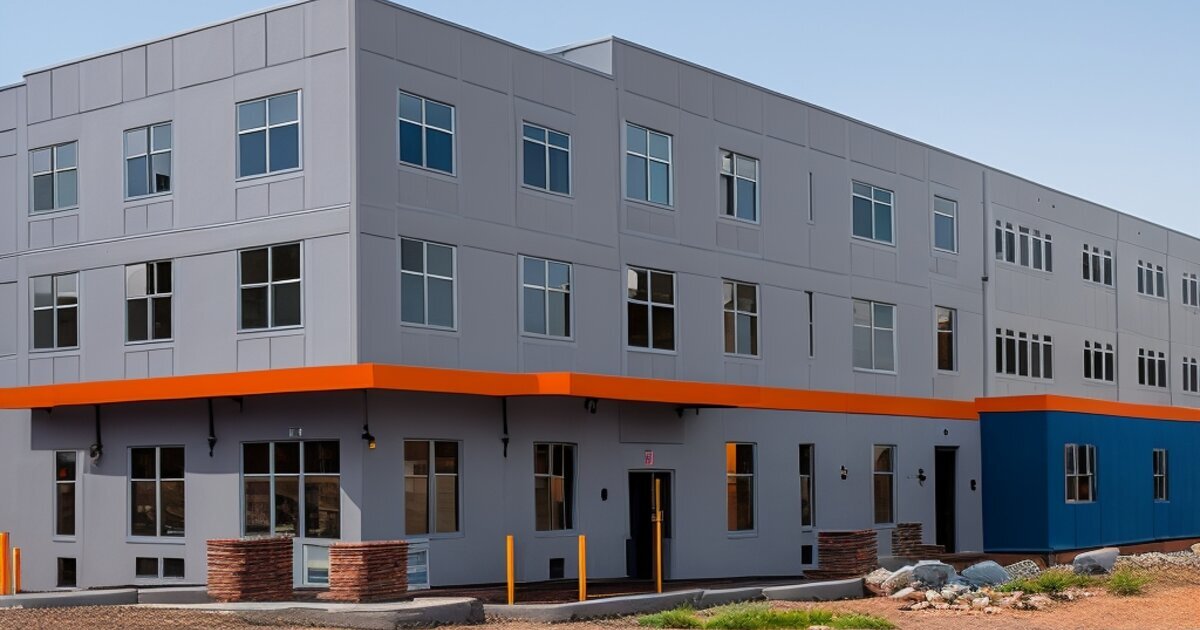
Retail openings, lease starts, and venue events do not wait for coating contractors to work at standard pace. A facility manager facing a hard deadline needs a painting partner who can compress the schedule without creating the quality problems that show up twelve months later as peeling, blistering, or premature color fade. In the Southwest, where summer heat, monsoon humidity, and intense UV add complexity, accelerated commercial painting demands more than extra crew members. It requires a systematic approach to planning, execution, and quality control.
This guide explains how experienced contractors deliver fast-track commercial painting projects on time while maintaining the coating performance standards that protect your building envelope and interior assets.
Quick Answer
Accelerated commercial painting succeeds when contractors compress the schedule through pre-staged materials, specialized crews, extended work windows, fast-cure coatings, and rolling inspections. The schedule can move faster, but surface preparation, environmental limits, film thickness checks, and cure requirements still have to be documented and enforced.
Key Takeaways
- Fast-track painting depends on planning before mobilization, not just larger crews.
- Multi-shift work needs formal handoffs, lighting, safety controls, and facility coordination.
- Fast-cure coatings can reduce downtime when they remain compatible with the substrate and warranty.
- Quality assurance should happen during each phase rather than only at final walkthrough.
When Speed Becomes Non-Negotiable
Facility managers encounter accelerated timelines in several common scenarios. A retail chain may have a grand opening date locked into marketing campaigns and vendor contracts. A commercial landlord may face lease commencement penalties if tenant improvements are not complete. A hotel or casino may need guest corridors refreshed between major convention blocks. In each case, the coating work sits on the critical path, and any delay cascades into operational or financial consequences.
The Southwest context adds variables. Phoenix and Las Vegas summer temperatures can push surface and ambient conditions outside manufacturer specifications for conventional coatings. Monsoon season in Arizona introduces humidity spikes that extend drying times. Dust storms deposit particulates that compromise adhesion if surfaces are not properly managed. An accelerated schedule that ignores these environmental realities will fail, regardless of crew size.
Understanding how professional contractors compress timelines while managing these risks starts with pre-project planning.
Pre-Project Planning for Speed
Accelerated painting begins weeks before the first gallon opens. The contractor must front-load procurement, staging, and coordination so that once mobilization starts, nothing waits on materials, access, or decisions.
Material procurement and staging. Standard practice orders paint as needed during the project. Fast-track work requires all coatings, primers, and specialty materials on site before day one. This eliminates supply chain delays and allows immediate response if field conditions require a specification change. In Southwest markets, contractors must also account for heat-sensitive material storage. Epoxies and urethanes left in unconditioned trailers degrade quickly in 115-degree heat.
Crew sizing and specialization. An accelerated timeline does not simply mean adding bodies. It means deploying the right specialists for each phase. A prep crew focused on masking, surface preparation, and protection can run ahead of the application crew by twenty-four to forty-eight hours. Spray specialists handle large surface areas faster than brush-and-roll teams. Detail crews follow to cut in edges, touch up, and verify coverage. This pipeline approach, common in commercial painting project management, prevents the congestion and rework that occur when one crew tries to do everything simultaneously.
Scope definition and decision gates. Accelerated projects cannot absorb scope creep. Every surface, finish, and color must be confirmed before mobilization. Change orders on a fast-track job do not just add cost; they blow the schedule. Experienced contractors build decision gates into the pre-construction phase: final color approval, access confirmation, and MEP coordination sign-off all happen before the first crew arrives.
Contingency planning. Even well-planned accelerated projects encounter surprises. Hidden water damage, failed previous coatings, or substrate conditions that require additional preparation can derail a timeline. Professional estimators build contingency hours into the schedule, typically ten to fifteen percent of total labor, and identify decision points where the contingency can be deployed without affecting the final deadline.
Multi-Shift and Extended Hour Operations
The most direct way to compress a painting schedule is to extend working hours. However, simply running crews longer creates fatigue, quality degradation, and safety incidents. Successful multi-shift operations require deliberate structure.
Shift design. A typical accelerated project runs two ten-hour shifts or three eight-hour shifts depending on facility access constraints. The first shift handles preparation and primer application. The second shift applies finish coats and begins detail work. A third shift, where facility operations permit, can handle touch-up, cleanup, and inspection. Shift handovers include formal briefings on completed work, substrate conditions, and any issues requiring attention. This prevents the communication gaps that cause rework.
Lighting and environmental control. Extended hours often mean working at night or in interior spaces with limited natural light. Proper temporary lighting is essential for color consistency and coverage verification. In the Southwest, night shifts during summer months take advantage of cooler temperatures that improve application conditions for temperature-sensitive coatings. However, night crews must manage dew point concerns, as desert temperatures can drop rapidly after sunset, raising relative humidity and affecting cure profiles.
Facility coordination. Painting during operational hours requires coordination with security, housekeeping, and tenant services. Phased painting schedules for 24/7 operations describe how to sequence work in active facilities without disrupting business. Accelerated projects apply these same principles with shorter phase durations and tighter handoffs between the painting contractor and facility staff.
Noise and odor management. Extended hours intensify the impact of painting on building occupants. Low-VOC and zero-VOC coatings reduce odor complaints, allowing work to continue in occupied spaces. Noise from spray equipment, scissor lifts, and preparation tools must be managed through scheduling restrictions in noise-sensitive areas such as healthcare wings, guest room towers, or conference centers.
Fast-Cure Coating Technologies
Material selection is where accelerated schedules gain or lose their biggest advantage. Standard latex wall paints may require four hours between coats and thirty days for full cure. In a fast-track environment, those timelines are unacceptable.
Quick-dry interior finishes. Many commercial-grade acrylic and latex formulations now offer recoat times of sixty to ninety minutes. These products use advanced resin technology to accelerate surface dry without compromising film integrity. For new construction commercial painting where occupancy follows closely behind certificate of occupancy, these finishes allow final punch-list painting to proceed on a compressed schedule.
Fast-cure epoxies and urethanes. Industrial and commercial floor coatings traditionally require twenty-four to seventy-two hours before light traffic. Fast-cure polyaspartic and aliphatic urethane systems reduce return-to-service time to eight to twelve hours. These systems cost more per gallon than standard epoxies, but the operational savings from reduced downtime often justify the premium. In warehouse and distribution facilities, this can mean the difference between a weekend shutdown and a week-long operational disruption.
Moisture-cure and solvent-based options. In exterior applications where humidity or temperature extremes challenge water-based coatings, moisture-cure urethanes and certain solvent-based systems offer wider application windows and faster cure profiles. These products require careful handling due to VOC content and flammability, but experienced contractors with proper ventilation and PPE protocols can deploy them safely in accelerated exterior work.
Compatibility and specification compliance. Not every fast-cure product is compatible with every substrate or topcoat. Accelerated projects cannot afford the delays of coating failure. Contractors must verify compatibility between primers, intermediate coats, and finish coats, and ensure that fast-track substitutions still meet the project specification and warranty requirements.
Standard Timeline vs. Accelerated Timeline
<rect x="20" y="40" width="100" height="35" rx="5" fill="#6c757d" />
<text x="70" y="62" text-anchor="middle" fill="white" font-size="10">Day 1-2</text>
<text x="70" y="72" text-anchor="middle" fill="white" font-size="9">Prep</text>

<rect x="130" y="40" width="100" height="35" rx="5" fill="#6c757d" />
<text x="180" y="62" text-anchor="middle" fill="white" font-size="10">Day 3-6</text>
<text x="180" y="72" text-anchor="middle" fill="white" font-size="9">Prime + Dry</text>

<rect x="240" y="40" width="100" height="35" rx="5" fill="#6c757d" />
<text x="290" y="62" text-anchor="middle" fill="white" font-size="10">Day 7-10</text>
<text x="290" y="72" text-anchor="middle" fill="white" font-size="9">Finish Coats</text>

<rect x="350" y="40" width="100" height="35" rx="5" fill="#6c757d" />
<text x="400" y="62" text-anchor="middle" fill="white" font-size="10">Day 11-14</text>
<text x="400" y="72" text-anchor="middle" fill="white" font-size="9">Cure + Punch</text>

<line x1="120" y1="57" x2="130" y2="57" stroke="#adb5bd" stroke-width="2" />
<line x1="230" y1="57" x2="240" y2="57" stroke="#adb5bd" stroke-width="2" />
<line x1="340" y1="57" x2="350" y2="57" stroke="#adb5bd" stroke-width="2" /><rect x="20" y="140" width="130" height="35" rx="5" fill="#0a7b72" />
<text x="85" y="162" text-anchor="middle" fill="white" font-size="10">Day 1</text>
<text x="85" y="172" text-anchor="middle" fill="white" font-size="9">Prep + Prime</text>
<rect x="160" y="140" width="130" height="35" rx="5" fill="#2a607d" />
<text x="225" y="162" text-anchor="middle" fill="white" font-size="10">Day 2-3</text>
<text x="225" y="172" text-anchor="middle" fill="white" font-size="9">Finish Coats</text>
<rect x="300" y="140" width="130" height="35" rx="5" fill="#4a90a4" />
<text x="365" y="162" text-anchor="middle" fill="white" font-size="10">Day 4-5</text>
<text x="365" y="172" text-anchor="middle" fill="white" font-size="9">Cure + Punch</text>
<line x1="150" y1="157" x2="160" y2="157" stroke="#adb5bd" stroke-width="2" />
<line x1="290" y1="157" x2="300" y2="157" stroke="#adb5bd" stroke-width="2" /><line x1="460" y1="157" x2="540" y2="157" stroke="#28a745" stroke-width="2" />
<polygon points="540,157 535,152 535,162" fill="#28a745" />
<text x="570" y="162" fill="#28a745" font-size="12" font-weight="bold">5 Days</text>
<text x="460" y="210" fill="#16212f" font-size="11" font-weight="bold">Key Accelerators:</text>
<text x="460" y="228" fill="#495057" font-size="10">- Multi-shift crews</text>
<text x="460" y="243" fill="#495057" font-size="10">- Fast-cure coatings</text>Quality Assurance Under Accelerated Schedules
The biggest risk of accelerated painting is not that it takes less time. It is that quality steps get skipped in the rush to finish. Professional contractors address this by building quality control into the workflow, not adding it at the end.
Real-time inspection. Instead of waiting for a final walkthrough, accelerated projects use rolling inspection. Each phase — preparation, primer, finish coats, and detail work — receives inspection before the next phase begins. This catches problems when they are still easy to fix, rather than after the project is theoretically complete. Wet film thickness gauges, dry film thickness testing, and adhesion testing happen continuously, not as a batch at project closeout.
Environmental monitoring. Application conditions affect coating performance more than most facility managers realize. Accelerated projects require continuous monitoring of surface temperature, ambient temperature, relative humidity, and dew point. In Southwest summer conditions, contractors may need to work during specific windows — early morning, late evening, or overnight — to stay within specification. Real-time data logging creates documentation that supports warranty claims if issues arise later.
Documentation and sign-off. Fast-track projects generate documentation faster. Daily reports, inspection checklists, and photographic records must be maintained in real time. This protects both the contractor and the facility owner if questions arise after project completion. For tenant improvement painting where landlords and tenants both have quality expectations, thorough documentation prevents disputes at lease commencement.
Warranty protection. Some facility managers worry that accelerated schedules void warranties. Reputable contractors stand behind their work regardless of schedule compression, provided that the specification was followed and environmental conditions were within range. The key is ensuring that the accelerated approach does not involve substituting incompatible materials or skipping preparation steps that the warranty requires.
Frequently Asked Questions
Can commercial painting really be accelerated without reducing coating life?
Yes, if the contractor preserves preparation standards, verifies environmental conditions, uses compatible fast-cure products, and inspects each phase before moving forward. Acceleration becomes risky when it skips cleaning, primer, cure, or documentation steps.
What is the fastest way to reduce painting downtime?
The biggest gains usually come from material staging, crew specialization, off-hours access, and fast-cure coating systems. For occupied facilities, phased work zones and low-odor products also reduce operational disruption.
Do fast-cure coatings cost more?
Fast-cure epoxies, urethanes, and polyaspartics often cost more per gallon than standard coatings, but they can lower total project cost by reducing shutdown time, tenant delays, or lost operating hours.
Related Reading
- Phased Painting Schedules for 24/7 Operations
- Commercial Painting Project Management: A Facility Manager’s Guide
- Commercial Painting Timelines: How to Plan and Manage Your Project Schedule
- New Construction Commercial Painting
- Tenant Improvement Painting
Facility Manager Checklist
- Confirm pre-project material staging: All coatings, primers, and specialty materials must be on site before mobilization with batch numbers documented.
- Define crew specialization and shift schedules: Specify which crews handle preparation, application, and detail work, with written handover protocols.
- Establish environmental monitoring: Require continuous logging of surface temperature, ambient temperature, relative humidity, and dew point.
- Verify fast-cure product compatibility: Confirm accelerated-cure products are compatible with substrates and meet specification requirements.
- Implement rolling inspections: Schedule inspections at the end of each phase with defined acceptance criteria for film thickness and adhesion.
- Build in contingency time: Allocate ten to fifteen percent contingency for unforeseen conditions with defined decision points.
- Coordinate facility access and restrictions: Document access, security, noise limits, and odor management with building operations before work begins.
Conclusion
Accelerated commercial painting is not about working faster. It is about working smarter — with better planning, the right materials, structured crews, and disciplined quality control. In the Southwest, where environmental conditions already challenge coating performance, cutting corners on preparation or specification compliance creates failures that cost far more than the time saved.
Facility managers facing hard deadlines should demand a contractor who can explain exactly how the schedule will be compressed, what risks that creates, and how those risks will be managed. The right partner will have a clear plan for pre-project staging, multi-shift operations, fast-cure technology deployment, and continuous quality assurance.
If you are managing a time-sensitive painting project in Arizona, Nevada, or the broader Southwest region, contact Moorhouse Coating to discuss an accelerated schedule that protects your deadline and your building.
Frequently Asked Questions
Can commercial painting really be accelerated without reducing coating life?
Yes, if the contractor preserves preparation standards, verifies environmental conditions, uses compatible fast cure products, and inspects each phase before moving forward. Acceleration becomes risky when it skips cleaning, primer, cure, or documentation steps.
What is the fastest way to reduce painting downtime?
The biggest gains usually come from material staging, crew specialization, off hours access, and fast cure coating systems. For occupied facilities, phased work zones and low odor products also reduce operational disruption.
Do fast cure coatings cost more?
Fast cure epoxies, urethanes, and polyaspartics often cost more per gallon than standard coatings, but they can lower total project cost by reducing shutdown time, tenant delays, or lost operating hours.