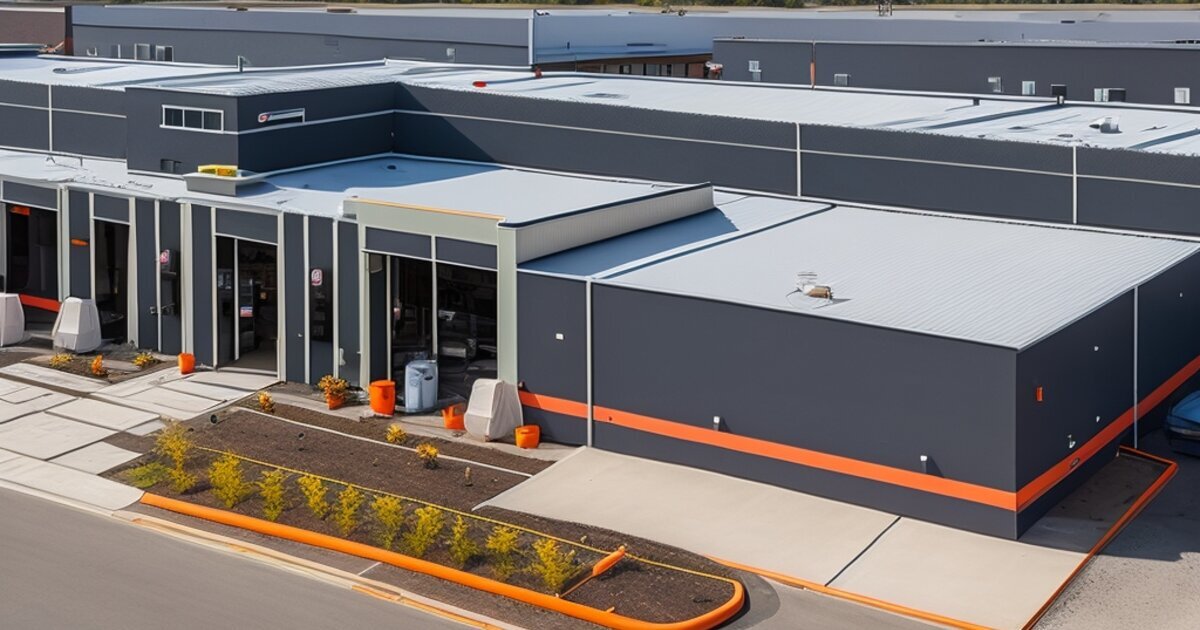
In the Desert Southwest, hotels and resorts do not get a true offseason. Even when occupancy softens, pools stay active, restaurants serve guests, event spaces host conferences, and teams work around wedding schedules, golf traffic, and holiday weekends. That reality changes how commercial painting must be planned and executed.
For hospitality properties in Phoenix, Scottsdale, Tucson, Las Vegas, Palm Springs, Albuquerque, and surrounding markets, painting is not only a maintenance project. It is a guest experience and revenue protection strategy. Fresh finishes influence first impressions at check-in, reinforce brand standards in every corridor, and reduce long-term repair costs when UV and heat are managed correctly.
This guide outlines how facility and property managers can structure hotel and resort painting projects that preserve operations, limit shutdowns, protect visual consistency, and withstand extreme sun exposure.
Quick Answer
Hotel and resort painting in the Desert Southwest should prioritize guest-facing phasing, UV-stable exterior systems, low-odor interior products, and brand color validation under local light conditions. The best programs protect occupancy, amenities, and reviews while extending coating life on sun-exposed stucco, metal, pool, and corridor surfaces.
Why Desert Southwest Hospitality Properties Need a Different Painting Strategy
Hospitality buildings in arid regions face stressors that many national brand specifications underestimate. UV load is higher, daytime temperatures can exceed coating application ranges, overnight temperature swings stress substrates, and dust infiltration accelerates finish wear.
That means a paint system that performs in coastal or temperate climates can fail early in the Southwest if it is not adjusted for:
- Solar reflectance and color fade resistance on high-exposure elevations
- Elastomeric flexibility for stucco and masonry movement
- Surface prep methods that remove chalking and embedded dust
- Application windows that avoid flash drying and lap marks in high heat
- Maintenance intervals tied to sun exposure zones, not generic calendar cycles
For hotels and resorts, failures are visible quickly. Guests notice faded porte-cocheres, chalking handrails, peeling trim near pool decks, and scuffed corridors long before a condition assessment catches up. A proactive program keeps those conditions from becoming online review issues.
Guest Experience Is the First Performance Metric
In hospitality environments, painting quality is measured through guest perception as much as coating thickness. A property can have technically compliant coatings and still create a poor impression if scheduling and staging disrupt arrivals, noise levels, or visual cleanliness.
Operationally, guest experience protection starts with zone mapping:
- Arrival and first-look zones: entrance drives, valet canopies, main doors, lobby thresholds, and feature facades.
- High-dwell guest zones: pool decks, outdoor lounges, dining patios, elevator lobbies, and main circulation corridors.
- Low-visibility service zones: back-of-house corridors, mechanical enclosures, and staff support areas.
Painting teams should sequence work so first-look and high-dwell areas are either complete before occupancy peaks or segmented with clean, branded containment. Temporary barriers, odor controls, and nighttime touch-up windows help preserve the premium feel of the property.
When project communication is clear, front desk and concierge teams can confidently guide guests around active work areas. That reduces complaints and keeps ratings stable during improvement cycles.
Minimizing Shutdowns Through Phased Execution
Most Southwest hotel and resort properties run on tight revenue timelines. Closing wings, restaurants, or amenities for painting creates immediate financial impact, so the best plans prioritize partial availability.
A practical phased model includes:
- Micro-phasing by stack or wing: complete one vertical stack or hallway segment at a time rather than taking an entire building offline.
- Night and shoulder-hour production: schedule noise-sensitive tasks around check-in/check-out peaks and banquet operations.
- Amenity rotation: keep at least one pool, one fitness area, and primary guest circulation open whenever possible.
- Fast-return systems: use low-odor, low-VOC, quick-cure products for interior occupied zones.
- Daily turnover targets: tie paint scope to operational handback goals, not only square footage output.
This approach works best when operations, engineering, housekeeping, and contractor teams align daily. Fifteen-minute morning coordination calls often prevent hours of conflict later in the day.
Brand Consistency Across Buildings, Wings, and Renovation Cycles
Hospitality brands invest heavily in visual standards, but desert weather and piecemeal repainting can create a patchwork effect over time. Two walls with the same historical color code may look different after years of UV exposure, substrate variation, and prior product substitutions.
To maintain consistent brand presentation:
- Build a current finish schedule by zone, not just a legacy color list.
- Validate colors in exterior light and interior artificial light before full production.
- Use mockups on representative substrates: stucco, metal, concrete block, and trim composites.
- Standardize sheen levels to reduce noticeable touch-up differences.
- Document approved alternates when specified products have long lead times.
For multi-building resorts, it is helpful to establish a “sun hierarchy” for color refresh cycles. South- and west-facing elevations may need earlier repainting or higher-grade UV-stable topcoats to keep the whole property visually aligned.
Heat and UV Planning: The Core Technical Challenge
Heat and UV are not minor variables in the Southwest; they are the dominant performance drivers. Coating selection and installation timing should be built around them from day one.
Key planning considerations
- Application temperature windows: avoid mid-afternoon exterior application when substrate temperatures exceed manufacturer limits.
- Surface temperature testing: monitor actual wall temperature, not only ambient forecast.
- Early-start workflows: begin exterior work at dawn to capture stable cure conditions.
- UV-stable binders and pigments: prioritize systems with proven fade and chalk resistance.
- Primer compatibility: ensure primers are matched to sun-exposed substrates and prior coatings.
Properties with expansive facades, tower massing, or reflective hardscape often benefit from pilot areas before full deployment. A small test zone reveals whether drying rates, texture hold, and final color depth meet expectations under local conditions.
<circle class="sun" cx="110" cy="70" r="36">
  <animate attributeName="r" values="34;38;34" dur="2.8s" repeatCount="indefinite" />
</circle>

<rect class="node" x="40" y="140" width="190" height="90" />
<text class="title" x="56" y="172">Climate Audit</text>
<text class="text" x="56" y="197">UV map by elevation</text>
<text class="text" x="56" y="217">Surface temp windows</text>

<rect class="node" x="260" y="140" width="190" height="90" />
<text class="title" x="276" y="172">System Design</text>
<text class="text" x="276" y="197">Primer + topcoat spec</text>
<text class="text" x="276" y="217">Brand color validation</text>

<rect class="node" x="480" y="140" width="190" height="90" />
<text class="title" x="496" y="172">Phased Delivery</text>
<text class="text" x="496" y="197">Guest-first sequencing</text>
<text class="text" x="496" y="217">Night turnover plans</text>

<rect class="node" x="700" y="140" width="170" height="90" />
<text class="title" x="716" y="172">Lifecycle Plan</text>
<text class="text" x="716" y="197">Inspect by exposure</text>
<text class="text" x="716" y="217">Refresh before failure</text>

<path class="arrow" d="M230 185 L260 185" />
<path class="arrow" d="M450 185 L480 185" />
<path class="arrow" d="M670 185 L700 185" />
Surface Preparation and Material Choices by Area Type
Hospitality properties combine many substrate types in a single footprint, so a one-size-fits-all approach increases risk. Preparation and product selection should reflect the exposure and use of each area.
Hotel Area Coating Decision Table
| Property Area | Primary Risk | Preferred Coating Strategy | Scheduling Priority |
|---|---|---|---|
| Arrival facade and porte-cochere | First impression, UV fade, chalking | UV-stable exterior acrylic or polyurethane-compatible system | Complete before peak arrivals or major events |
| Pool and spa zones | Moisture, sunscreen, cleaning chemicals | Scrub-resistant, slip-aware coatings matched to splash exposure | Phase around amenity rotation and guest safety controls |
| Guest corridors | Scuffs, odor sensitivity, rapid turnover | Low-VOC washable interior systems with consistent sheen | Use night or low-occupancy windows |
| Back-of-house corridors | Cart impact and frequent touch-ups | Durable service-zone coating with standardized colors | Coordinate with housekeeping and engineering access |
| Exterior metal and railings | Heat gain, corrosion, hand contact | Proper primer plus UV-stable topcoat | Avoid high surface temperatures during application |
Exterior guest-facing elevations
Stucco, EIFS, masonry, and architectural metals in direct sun require robust prep and UV-tolerant finishes. Pressure washing alone is rarely enough where chalking is present. Teams should include targeted cleaning, localized repairs, and primer systems designed to lock down marginal surfaces.
Pool, spa, and humid transition zones
Even in dry climates, splash areas and pool decks introduce moisture cycling, sunscreen contamination, and frequent cleaning chemicals. Specify coatings with strong adhesion and scrub resistance, and confirm slip-resistance strategy where deck coatings are involved.
Interior corridors and guest room transition areas
These zones demand durability with minimal odor and rapid reoccupancy. Washable low-sheen systems typically balance appearance with maintenance practicality. In premium properties, consistent wall texture and edge detailing matter as much as color.
Back-of-house and service corridors
Higher-impact surfaces benefit from durable systems that tolerate carts, equipment contact, and frequent touch-ups. Standardizing products in service zones simplifies future maintenance procurement.
Coordinating Painting with Hotel Operations and Vendor Schedules
The most successful resort painting programs function as cross-department projects rather than isolated contractor activity. Property teams should synchronize painting work with engineering shutdown calendars, FF&E upgrades, deep-clean programs, and event bookings.
Useful coordination practices include:
- Weekly look-ahead schedules shared with operations and sales teams
- Occupancy-based sequencing for guest room corridors and public areas
- Early procurement of long-lead coatings and custom colorants
- Contingency windows for weather spikes, dust events, and unplanned repairs
- Pre-approved communication scripts for guest-facing teams
By integrating painting with other maintenance workflows, hotels avoid repeated disruptions and can bundle access events, saving both labor time and guest inconvenience.
Building a Lifecycle Program Instead of Waiting for Failures
Reactive repainting is expensive in hospitality because failures become visible in revenue-critical spaces. A lifecycle program helps properties intervene before coatings break down.
An effective lifecycle framework generally includes:
- Annual exposure audit: identify high-UV elevations, fading trends, and chalking early.
- Quarterly touch-up cycles: maintain high-traffic corridors, trim, and guest contact surfaces.
- Three- to five-year exterior strategy: adjust by orientation, substrate, and product class.
- Documented standards library: keep approved colors, sheens, and product systems in one accessible record.
- Post-project closeout data: track what was used, where, and under what conditions.
This documentation improves future bidding accuracy, prevents ad hoc substitutions, and supports smoother capital planning conversations with ownership groups.
Facility Manager Checklist
- Confirm peak occupancy periods, event calendars, and blackout dates before finalizing sequence.
- Require mockups for each major substrate and verify color under daytime and nighttime lighting.
- Validate manufacturer temperature and cure requirements against actual local summer conditions.
- Plan phased handback targets so critical guest amenities remain open throughout the project.
- Standardize approved products and sheen levels to protect brand consistency across buildings.
- Align front desk, housekeeping, and engineering communication scripts for active work zones.
- Capture closeout records including product data, color codes, and maintenance intervals.
Frequently Asked Questions
How often should Desert Southwest hotels repaint exterior surfaces?
Most properties should inspect exterior coatings annually and plan repainting by exposure zone. South- and west-facing elevations often need earlier refresh cycles than shaded courtyards or protected service areas.
Can hotel painting happen without closing guest areas?
Yes, but it requires micro-phasing, clean containment, low-odor products, and daily handback goals. Guest corridors, pools, and lobbies should be sequenced around occupancy, events, and amenity demand.
What coating issues affect hotel reviews most often?
Visible fading, peeling trim, scuffed corridors, odor, noise, and messy containment are the issues guests notice first. Planning should treat painting as guest experience protection, not only maintenance.
Hotels and resorts in the Desert Southwest can absolutely maintain premium curb appeal and interior presentation without major operational shutdowns. The key is planning painting as a business continuity project, not only a cosmetic refresh.
When teams align coating science with guest expectations, properties protect online reputation, reduce lifecycle cost volatility, and keep brand standards consistent across seasons of extreme heat and UV.