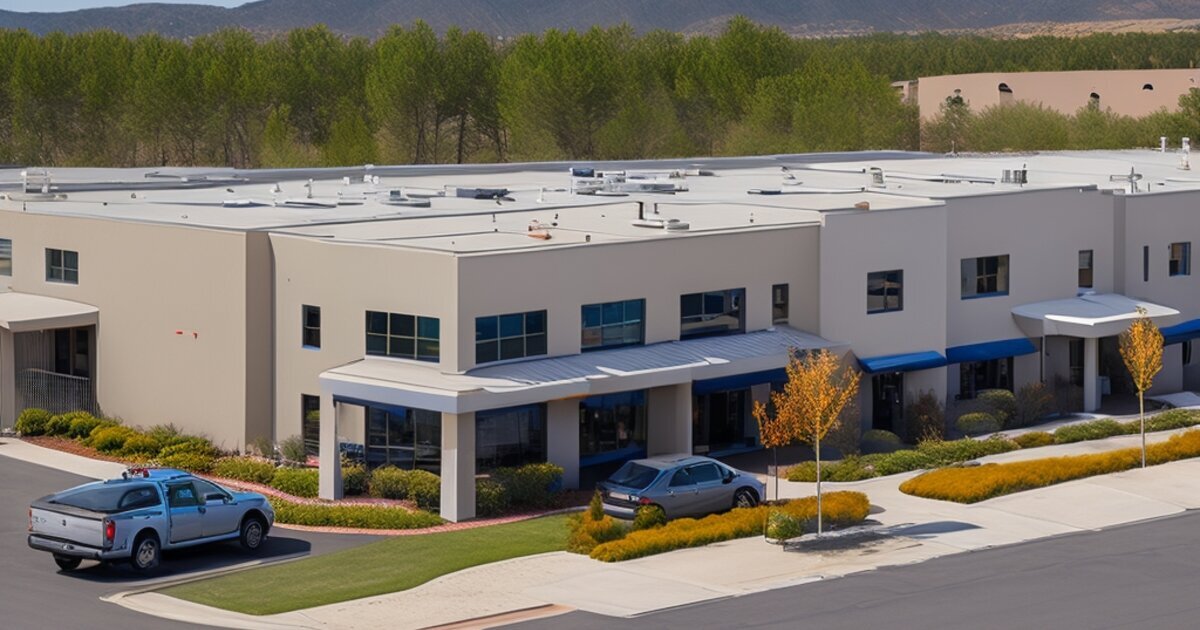
Stucco dominates the exterior envelope of commercial buildings across the Southwest. From retail centers and office parks to industrial facilities and HOAs, the textured cement finish is ubiquitous because it is affordable, fire-resistant, and architecturally flexible. In the desert, however, stucco is also the most frequently damaged and misunderstood substrate facility managers must maintain.
The combination of extreme thermal cycling, intense UV radiation, caliche-driven efflorescence, and monsoon-driven moisture creates a failure pattern that is unique to this region. Facility managers who understand how stucco fails in the desert, how to repair it correctly, and which coating systems provide lasting protection—and who partner with a commercial stucco painting contractor—can avoid the cycle of repeated patching and premature recoating that drains maintenance budgets.
Quick Answer
Commercial stucco in the Desert Southwest should be inspected for cracks, chalking, efflorescence, delamination, and drainage problems before any recoat. A commercial stucco painting contractor evaluates moisture paths and substrate defects first, then recommends a breathable, UV-resistant elastomeric coating at the specified film thickness during spring or fall weather windows.
Key Takeaways
- Repair stucco damage before recoating; coating over cracks, salts, or hollow areas causes premature failure.
- Use elastomeric systems when crack bridging, UV resistance, and thermal movement are priorities.
- Do not trap moisture with impermeable exterior coatings on stucco.
- Schedule major stucco work outside peak summer heat and monsoon moisture windows.
Stucco Failure Chain in Desert Environments
How Desert Stucco Fails
Stucco failures in the Southwest follow a predictable sequence that starts with environmental stress and ends with structural compromise if left unaddressed.
UV and heat degradation is the initial insult. Standard acrylic paints and stucco finishes rely on organic binders that break down under sustained UV exposure. In Phoenix and Tucson, where annual solar radiation exceeds almost every other U.S. market, that degradation accelerates. The coating surface begins to chalk—releasing a powdery residue when rubbed. This is not merely cosmetic. Chalking indicates that the binder is failing, which means the coating is losing adhesion and waterproofing capability.
Thermal cycling creates mechanical stress. Desert temperatures can swing forty to fifty degrees between day and night. Stucco expands when heated and contracts when cooled. Over thousands of cycles, this movement generates hairline cracks at stress concentration points: window and door perimeters, parapet caps, expansion joints, and anywhere the substrate thickness changes. Hairline cracks are normal and manageable. Untreated cracks become pathways for moisture.
Monsoon moisture intrusion completes the failure chain. When summer storms arrive, wind-driven rain enters through cracks and voids. In caliche-rich soils, that moisture carries soluble salts upward through the stucco matrix. As the water evaporates, salt crystallization creates internal pressure that spalls the stucco surface from behind. The visible result is blistering, delamination, or soft spots that sound hollow when tapped.
Facility managers often mistake this for a simple paint failure and schedule a recoat. Without repairing the substrate and addressing the moisture path, the new coating fails faster than the original.
Assessment: What to Look For
A proper stucco assessment distinguishes between surface coating issues and substrate damage requiring repair before recoating.
Surface-level indicators that can be addressed with cleaning and recoating:
- Uniform chalking across large areas
- Fading or color shift without cracking
- Minor staining from irrigation overspray
- Dirt accumulation and biological growth in shaded areas
Substrate-level indicators that require repair before recoating:
- Active cracking wider than 1/16 inch
- Spalling or crumbling stucco
- Blistering or bubbling in the finish coat
- Efflorescence (white powdery deposits) on the surface
- Soft or sounding areas that indicate delamination
- Water stains on interior walls adjacent to exterior stucco
Use a moisture meter on interior drywall near suspect exterior areas. Elevated readings confirm that the stucco is acting as a wick rather than a barrier. This is particularly common at foundation lines where irrigation or grade drainage directs water against the building envelope.
Repair Before Recoat
Skipping repair and applying coating directly over damaged stucco is the most common cause of premature failure in desert recoat projects. The correct sequence is assess, repair, prime, then coat.
Crack repair. Hairline cracks up to 1/16 inch can be bridged with high-quality elastomeric coatings applied at sufficient thickness. Wider cracks require routing and filling with a compatible stucco patch or elastomeric sealant. The key is using materials with similar thermal expansion coefficients to the base stucco. Rigid epoxy or cement fillers will crack again within one or two thermal cycles.
Spall and delamination repair. Remove loose material back to solid substrate. Apply a bonding agent, then rebuild with a pre-colored acrylic stucco patch or a traditional cement-based repair mix. Feather edges to avoid creating a ridge that telegraphs through the new coating. Allow proper cure time—typically seven days in desert conditions—before coating.
Efflorescence remediation. Do not seal over efflorescence. The salts will continue to migrate and push off the new coating. Remove efflorescence with a dry brush or low-pressure wash. Treat the area with a proprietary efflorescence blocker or diluted muriatic acid solution, then rinse thoroughly. Verify the moisture source—often a sprinkler head, downspout, or negative grade—and correct it before proceeding.
Coating Selection for Desert Stucco
Not all exterior coatings perform equally on stucco in the Southwest. The ideal system balances UV resistance, flexibility, breathability, and film build.
Elastomeric coatings are the standard for high-performance stucco protection in the desert. These are high-build acrylic formulations—typically applied at 10 to 14 dry mils—that can bridge hairline cracks and accommodate thermal movement without failing. Quality elastomerics remain flexible at low temperatures and resist UV degradation for eight to twelve years in Phoenix-area exposures.
Specify 100-percent acrylic elastomerics with these properties:
- Elongation of 300 percent or greater (ASTM D412)
- Permeance of 10 perms or higher (ASTM D1653) to allow vapor transmission
- UV resistance verified through accelerated weathering testing
- Mildewcide additives for shaded north-facing elevations
Standard acrylic latex paints are appropriate for well-maintained stucco in protected conditions or where budget constraints preclude elastomeric systems. Expect a shorter service life—five to seven years in full sun—and confirm that the substrate is crack-free before application.
Avoid these products on exterior stucco in the desert:
- Oil-based or alkyd paints, which become brittle and crack under UV exposure
- Impermeable coatings such as epoxy or urethane films, which trap moisture and accelerate spalling
- Low-quality vinyl acrylics with poor UV resistance and limited flexibility
Application Timing and Technique
Even the correct coating will fail if applied under adverse conditions or at insufficient thickness.
Timing. The ideal application windows in the desert Southwest are March through May and late September through mid-November. Daytime temperatures in the 70s to low 90s allow proper film formation without the rapid skinning that occurs above 100°F. Avoid application when rain is forecast within twenty-four hours, and never apply to substrates above 120°F surface temperature.
Surface preparation. Pressure wash at low to moderate pressure to remove chalk, dirt, and loose material. Allow the substrate to dry completely—typically twenty-four hours in desert conditions, longer if the stucco is saturated. Test for chalking after washing by rubbing the surface with a dark cloth. If residue transfers, apply a chalk-binding primer before the finish coat.
Film thickness. This is where many projects fail. Elastomeric coatings must be applied at the manufacturer’s specified thickness to perform. A single coat at standard spreading rates is almost never sufficient. Two coats at the specified coverage rate, with verification using a wet film thickness gauge during application, ensures the system achieves the dry mils required for crack bridging and waterproofing.
Maintenance and Inspection Schedule
Proactive inspection extends stucco coating life and prevents minor issues from becoming major repairs.
Quarterly: Walk the exterior after monsoon storms. Look for new cracking, staining, or areas where water has ponded against the foundation. Check that downspouts and scuppers are directing water away from walls.
Annually: Inspect parapet caps, expansion joints, and window perimeters. These are the first areas to show stress. Touch up any damaged sealant or coating before the next monsoon season.
Every five to seven years: Schedule a professional coating assessment. Even high-quality systems begin to show wear at this interval in the desert. Early intervention with cleaning, spot repair, and a maintenance coat is far less expensive than full removal and reapplication after failure.
Choosing a Commercial Stucco Painting Contractor
A commercial stucco painting contractor should have direct experience with desert Southwest conditions and substrate repair. Facility managers should look for a stucco painting contractor who performs thorough crack and delamination assessments, resolves moisture sources before coating, applies 100% acrylic elastomeric systems at specified film thickness, and provides a written warranty. Verify references from similar commercial buildings and confirm the contractor follows ASTM-compliant testing and application practices.
Facility Manager Checklist
- Verify commercial stucco painting contractor qualifications: Confirm desert-stucco experience, written repair and coating scope, wet film thickness verification, and warranty terms.
- Inspect for active cracking: Mark cracks wider than 1/16 inch for repair before recoating; hairline cracks can be bridged with elastomeric coatings.
- Check for efflorescence: White powdery deposits indicate moisture migration that must be resolved before applying any new coating.
- Verify downspout and drainage paths: Ensure water is directed away from foundation and walls to prevent monsoon-driven moisture intrusion.
- Specify elastomeric coating for full exterior recoats: Confirm 100% acrylic formulation, 300%+ elongation, and 10+ perms permeance in writing.
- Require wet film thickness verification during application: Do not rely on visual coverage alone; verify with gauges to achieve specified dry mils.
- Plan work for spring or fall: Avoid summer heat above 100°F and monsoon moisture windows that compromise film formation.
- Request a written warranty: Quality elastomeric systems should carry a minimum five-year material warranty with clear coverage terms.
Stucco is not a maintenance-free substrate in the desert, but it is a manageable one. Facility managers who invest in proper assessment, repair, and coating selection can expect ten to fifteen years of reliable performance between major recoats. Those who treat stucco as a simple paint job will find themselves repeating the cycle every three to five years, with escalating repair costs each time.
Frequently Asked Questions
How often should commercial stucco be recoated in the Southwest?
Well-prepared stucco with a quality elastomeric system can often perform for 10 to 15 years, but harsh exposures may need assessment at five to seven years. Standard acrylic systems typically have shorter service lives in full desert sun.
Can elastomeric coating fix stucco cracks?
Elastomeric coatings can bridge hairline cracks when applied at the correct film thickness. Wider cracks, moving joints, hollow areas, and spalling must be repaired before coating.
What causes efflorescence on commercial stucco?
Efflorescence is caused by moisture carrying soluble salts through stucco and leaving white crystalline deposits as it evaporates. The moisture source must be corrected before recoating or the new coating can blister and delaminate.
For a site-specific assessment of your commercial stucco condition and a coating specification tailored to your building’s exposure and budget, contact Moorhouse Coating.
Standards & Sources
Related Reading
Related Resources
- Tucson Commercial Painting: Climate and Coating Considerations
- Phoenix Commercial Painting Guide
- Arizona Monsoon Dust Storm Coating Protection
- Coating Failure Modes and How to Spot Them Early
- Preventive Maintenance Schedule for Commercial Coatings
Frequently Asked Questions
How often should commercial stucco be recoated in the Southwest?
Well prepared stucco with a quality elastomeric system can often perform for 10 to 15 years, but harsh exposures may need assessment at five to seven years. Standard acrylic systems typically have shorter service lives in full desert sun.
Can elastomeric coating fix stucco cracks?
Elastomeric coatings can bridge hairline cracks when applied at the correct film thickness. Wider cracks, moving joints, hollow areas, and spalling must be repaired before coating.
What causes efflorescence on commercial stucco?
Efflorescence is caused by moisture carrying soluble salts through stucco and leaving white crystalline deposits as it evaporates. The moisture source must be corrected before recoating or the new coating can blister and delaminate. For a site specific assessment of your commercial stucco condition and a coating specification tailored to your building’s exposure and budget, contact Moorhouse Coating.