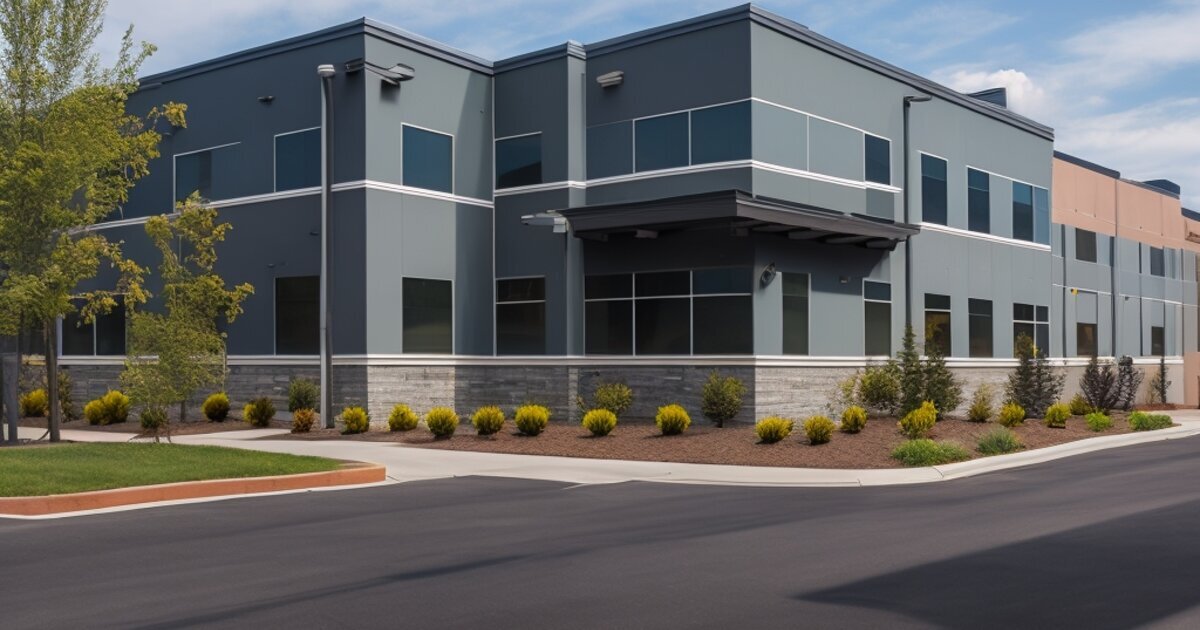
Metal buildings dominate the industrial landscape of the Southwest. Pre-engineered steel structures offer cost-effective, rapid construction for warehouses, distribution centers, manufacturing facilities, and industrial parks. However, the same metal construction that makes these buildings economical also creates unique painting challenges: thermal expansion, corrosion at cut edges, fastener corrosion, and UV degradation of factory finishes.
For facility managers in industrial parks from Phoenix to Tucson to Las Vegas, working with a commercial metal painting contractor protects both the structure’s appearance and its long-term value.
Quick Answer
Metal building painting in the Southwest requires cleaning, rust treatment, fastener repair, and flexible UV-resistant coatings that can tolerate thermal movement. A commercial metal painting contractor typically uses DTM acrylic or urethane-modified acrylic systems, with cool roof coatings considered where heat gain affects operations or energy use.
Metal Building Coating System
Understanding Metal Building Construction
Pre-engineered metal buildings consist of steel frames, metal roof panels, and metal wall panels. The panels are typically galvanized steel or Galvalume (zinc-aluminum alloy) with a factory-applied finish. Understanding this construction is essential for proper maintenance painting.
Factory finishes. New metal building panels come with a baked-on enamel or fluoropolymer finish (such as Kynar 500 or Hylar 5000) that provides ten to twenty years of corrosion and UV resistance. These finishes are applied in controlled factory conditions and are difficult to replicate in the field. Once the factory finish degrades, field-applied coatings must be selected for compatibility.
Panel profiles. Metal panels have ribs, seams, and laps that create shadow lines and water channels. These features require careful spray technique to ensure complete coverage without excessive buildup in low areas.
Fastener systems. Panels are attached with exposed fasteners (screws with neoprene washers) or concealed clips. Exposed fasteners are a common failure point—neoprene washers degrade in UV, and screw heads are prone to rust.
Desert-Specific Challenges
Metal buildings in the Southwest face environmental stresses that accelerate coating degradation.
Thermal expansion. Metal panels expand and contract significantly with temperature changes. A dark-colored metal roof in Phoenix can reach 160°F in summer sun and drop to 40°F on winter nights. This movement stresses coatings at panel edges, fasteners, and trim.
UV degradation. Factory finishes and field-applied coatings alike break down under intense UV. South- and west-facing walls show failure first. Chalking, fading, and gloss loss are early indicators.
Corrosion at cut edges. The cut edges of metal panels expose bare steel where the galvanizing or factory finish was sheared. These edges are the first points of rust formation, particularly at panel ends, trim cuts, and penetrations.
Fastener corrosion. Exposed fasteners with failed neoprene washers allow water entry at thousands of points across the building envelope. Rust streaks below fasteners are a clear sign of deterioration.
Dust and sand abrasion. Desert wind carries abrasive particles that erode coating surfaces over time. This is particularly noticeable on lower wall panels and trim that receive direct wind exposure.
Assessment and Preparation
Before painting a metal building, conduct a thorough assessment to identify corrosion, coating failure, and structural issues.
Walk the entire exterior. Document:
- Areas of chalking, fading, or gloss loss
- Rust spots, particularly at cut edges and fasteners
- Failed fasteners or missing neoprene washers
- Panel dents or damage from equipment or weather
- Sealant failure at penetrations and trim joints
- Areas of biological growth (mildew or algae) in shaded locations
Rust treatment. All rust must be addressed before painting. Options include:
- Wire brushing or sanding to bare metal for localized rust
- Abrasive blasting for extensive corrosion
- Rust-converting primers that chemically transform rust into a paintable surface
Do not paint over active rust without treatment. The rust will continue to spread beneath the new coating.
Cleaning. Metal surfaces must be clean and dry before coating. Pressure wash with detergent to remove dirt, dust, chalk, and contaminants. Rinse thoroughly and allow to dry. In desert conditions, same-day painting is often possible after morning washing.
Fastener replacement. Replace failed fasteners with corrosion-resistant screws and new neoprene washers. This is preventive maintenance that extends the life of the entire coating system.
Coating Selection for Metal Buildings
The right coating system for a metal building balances adhesion, flexibility, UV resistance, and cost.
| Coating Option | Best Use | Typical Facility Decision |
|---|---|---|
| DTM acrylic | Standard wall panels and trim | Practical default for prepared metal in industrial parks |
| Urethane-modified acrylic | High-visibility or harsh-exposure elevations | Use where gloss retention and abrasion resistance matter |
| Fluoropolymer field system | Flagship facilities or difficult-access buildings | Choose for longest service life when budget allows |
| Cool roof coating | Metal roofs exposed to intense sun | Use when reducing surface temperature and HVAC load is a priority |
Direct-to-metal (DTM) acrylics are the standard for field application over metal building panels. These products adhere to properly prepared metal without a separate primer, though a primer is recommended over bare steel or rust-converted areas. Quality DTM acrylics provide five to eight years of service in desert conditions.
Urethane-modified acrylics offer enhanced durability and gloss retention for high-visibility buildings or harsh exposures. They resist abrasion and UV better than standard acrylics but cost more.
Fluoropolymer coatings (Kynar/Hylar resins) provide the longest service life—fifteen to twenty years—but are expensive and typically require professional spray application. These are justified for flagship facilities or buildings where long-term maintenance access is difficult.
Elastomeric coatings are sometimes used on metal buildings with significant seam gaps or fastener issues. They bridge small gaps and provide a waterproof barrier. However, they are not ideal for large, flat metal surfaces where thermal expansion is extreme.
Application Techniques
Spray application is the most efficient method for metal building painting, but it requires skill to achieve uniform coverage on ribbed and seamed panels.
Airless spray at 2,000 to 3,000 PSI provides the speed needed for large surface areas. Use tips sized for the coating viscosity and fan pattern appropriate for panel width.
Spray technique. Maintain consistent gun distance and travel speed. Overlap each pass by 50% to ensure uniform coverage. Pay special attention to panel edges, ribs, and eaves where coverage is easily missed.
Back-rolling. On horizontal surfaces such as eaves and soffits, back-rolling after spraying ensures complete coverage and adhesion.
Trim and detail. Brush or roll trim, corners, and areas adjacent to glass or other sensitive surfaces that require masking.
Application conditions. Avoid painting when:
- Metal surface temperature exceeds 120°F
- Rain is forecast within twelve hours
- Wind speeds exceed ten mph (causes overspray)
- Relative humidity exceeds 85%
Early morning application is ideal in desert summer before panels heat up.
Color and Energy Considerations
Color selection for metal buildings affects both appearance and energy performance.
Cool roof considerations. If the project includes roof painting, specify cool roof coatings with high solar reflectance index (SRI) values. White or light-colored roof coatings reduce interior temperatures and lower HVAC costs. In Phoenix, a white metal roof can be 50°F cooler than a dark roof at peak sun.
Wall color durability. Light colors reflect UV and last longer than dark colors. If brand colors require dark panels, expect shorter recoating intervals and consider IR-reflective pigment technology that reduces surface temperature while maintaining color depth.
Color consistency. When painting over faded factory finishes, achieving exact color match is difficult. Consider repainting the entire building or establishing a contrasting accent scheme rather than attempting invisible touch-up.
Maintenance and Recoating Intervals
Proactive maintenance extends the life of metal building coatings and prevents corrosion from compromising the substrate.
Annual inspection. Walk the exterior to identify rust spots, fastener failure, coating damage, and sealant issues. Address problems immediately.
Fastener maintenance. Replace failed fasteners and washers as needed. This is low-cost maintenance that prevents water intrusion.
Touch-up painting. Spot-paint rusted areas and damage promptly. Use the same coating system as the original application to ensure compatibility.
Full recoating. Plan for full recoating every ten to fifteen years for factory finishes, and every five to eight years for field-applied coatings in desert conditions. Budget accordingly and schedule during favorable weather windows.
Choosing a Commercial Metal Painting Contractor
A commercial metal painting contractor should understand pre-engineered steel construction, thermal cycling, and rust treatment. Facility managers should confirm the contractor has experience with DTM acrylics, urethane-modified acrylics, fluoropolymer field systems, and cool roof coatings; can replace failed fasteners and washers; and follows manufacturer specifications for cleaning, priming, and application conditions. Ask for references from similar Southwest industrial parks and a written warranty.
Related Reading
- Self-Storage Facility Painting
- Warehouse Painting
- Commercial Painting Costs
- Preventive Maintenance Schedule
- Phoenix Commercial Painting Guide
Facility Manager Checklist
- Inspect Annually for Rust: Walk the entire exterior to identify cut-edge corrosion, fastener failure, and coating degradation early.
- Replace Failed Fasteners Immediately: Swap degraded screws and neoprene washers before water intrusion compromises the substrate.
- Treat Rust Before Coating: Use wire brushing, abrasive blasting, or rust-converting primers on all corroded areas before painting.
- Verify commercial metal painting contractor qualifications: Confirm experience with pre-engineered steel, rust-inhibitive primers, DTM acrylics, and desert thermal-cycling conditions.
- Specify DTM Acrylic or Urethane: Select direct-to-metal coatings with proven flexibility for thermal expansion in desert conditions.
- Consider Cool Roof Coatings: Apply high-SRI reflective coatings to reduce surface temperatures and lower HVAC energy costs.
- Schedule Early Morning Application: Paint before panels reach 120°F to ensure proper adhesion and avoid solvent flash-off.
- Budget 5-8 Year Recoat Cycles: Plan field-applied coating maintenance every five to eight years in desert UV and thermal cycling.
Frequently Asked Questions
How often should a Southwest metal building be repainted?
Field-applied metal building coatings commonly need repainting every five to eight years in desert exposure. Factory finishes may last ten to fifteen years or longer, depending on UV exposure, color, and maintenance.
Can you paint over a factory metal building finish?
Yes, if the surface is cleaned, deglossed or otherwise prepared as required, and tested for coating compatibility. Bare steel, cut edges, and rusted areas still need primer or rust treatment before topcoating.
What is the biggest failure point on metal buildings?
Fasteners, cut edges, seams, and penetrations usually fail first. These details should be inspected, repaired, primed, and sealed before broad wall or roof coating begins.
Metal buildings are a durable, cost-effective choice for Southwest industrial facilities, but they require specialized maintenance to perform over their design life. Facility managers who understand metal building coating systems, corrosion prevention, and proper application techniques protect their investment and maintain professional appearance.
For metal building painting and maintenance in Arizona and the Southwest, contact Moorhouse Coating.
Frequently Asked Questions
How often should a Southwest metal building be repainted?
Field applied metal building coatings commonly need repainting every five to eight years in desert exposure. Factory finishes may last ten to fifteen years or longer, depending on UV exposure, color, and maintenance.
Can you paint over a factory metal building finish?
Yes, if the surface is cleaned, deglossed or otherwise prepared as required, and tested for coating compatibility. Bare steel, cut edges, and rusted areas still need primer or rust treatment before topcoating.
What is the biggest failure point on metal buildings?
Fasteners, cut edges, seams, and penetrations usually fail first. These details should be inspected, repaired, primed, and sealed before broad wall or roof coating begins. Metal buildings are a durable, cost effective choice for Southwest industrial facilities, but they require specialized maintenance to perform over their design life. Facility managers who understand metal building coating systems, corrosion prevention, and proper application techniques protect their investment and maintain professional appearance. For metal building painting and maintenance in Arizona and the Southwest, contact Moorhouse Coating.