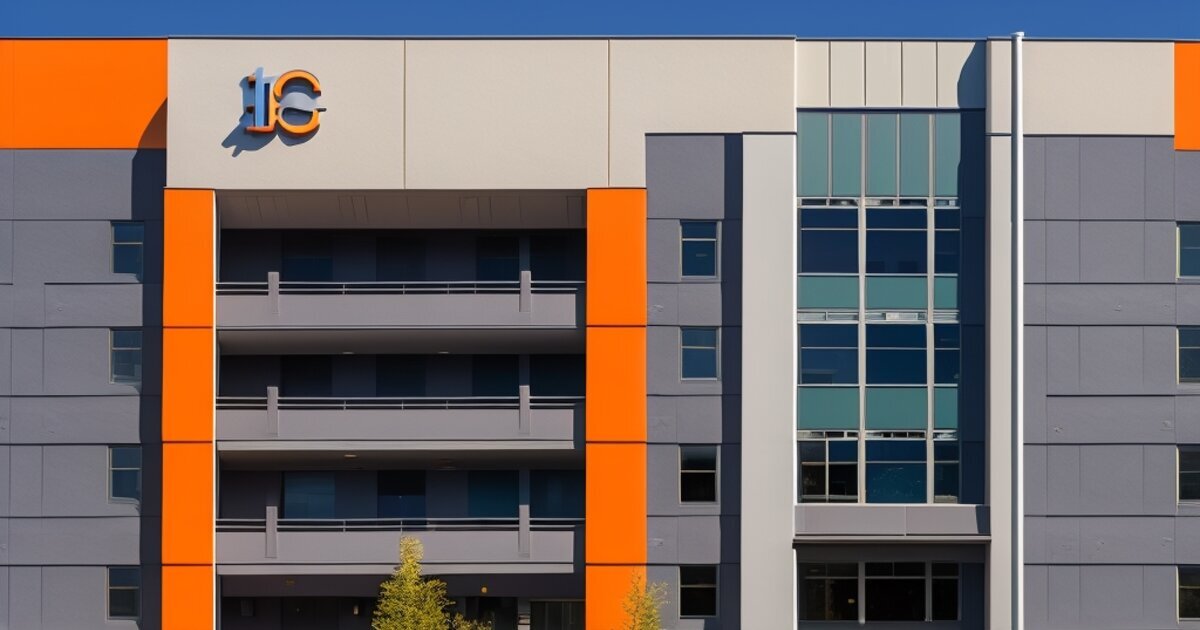
Gyms and fitness centers are high-energy, high-traffic environments where members expect motivation, cleanliness, and professional aesthetics. The paint and coatings must withstand barbells slamming against walls, sweat dripping on surfaces, constant cleaning with disinfectants, and the general abuse of an active fitness environment.
For gym owners and fitness center operators, understanding the unique coating requirements of weight rooms, cardio areas, locker rooms, and studios ensures a facility that looks fresh, stays clean, and supports member retention.
Quick Answer
Gym and fitness center painting should use impact-resistant systems in training areas, moisture-resistant antimicrobial coatings in locker rooms, scrubbable low-odor finishes throughout, and phased off-hours scheduling so members can keep using the facility safely.
Key Takeaways
- Weight rooms need wall protection, durable floor systems, and finishes that tolerate equipment impact.
- Locker rooms and showers require moisture control, slip resistance, and frequent-cleaning durability.
- Studios and reception areas should balance brand energy with the right finish sheen for each activity zone.
- Zero-VOC, fast-cure coatings help gyms repaint without disrupting peak member hours.
Fitness Center Painting Zones
Training Floor and Weight Room Requirements
The training floor is where motivation meets abuse.
Impact resistance. Weight plates, barbells, and kettlebells strike walls and floors. Standard drywall and paint will dent, crack, and fail. Specify impact-resistant wall protection:
- Rubber wall mats or padding in free-weight areas
- High-build epoxy or urethane coatings on concrete block walls
- Wood backers behind drywall in high-impact zones
Floor coatings. Gym floors must withstand dropped weights, equipment traffic, and constant cleaning. Options include:
- Rubber flooring: Standard for weight rooms. Durable, shock-absorbing, and easy to clean.
- Polyurethane sports floors: For multipurpose training areas. Resilient and attractive.
- Epoxy coatings: For functional training zones. Durable and customizable with line markings.
Wall colors and branding. Bold, energetic colors (red, orange, electric blue) stimulate energy and motivation. Accent walls with the gym’s logo or motivational graphics create identity. Dark colors hide scuffs but can make spaces feel smaller.
Mirrors. Mirrors are essential for form checking. Coordinate mirror installation with painting to ensure clean edges and proper adhesion.
Locker Room and Shower Areas
Locker rooms are wet, humid environments that require moisture-resistant, hygienic finishes.
Moisture resistance. Constant humidity from showers creates ideal conditions for mold and mildew. Specify moisture-resistant, antimicrobial coatings on walls and ceilings.
Floor coatings. Shower and locker room floors must be slip-resistant and waterproof. Seamless epoxy or urethane systems with anti-slip aggregate are standard. Coved bases prevent water accumulation at wall junctions.
Locker painting. Metal lockers require rust-inhibitive primers and durable enamel finishes. Plan for periodic touch-up as lockers are dented and scratched.
Cleanability. Locker rooms require frequent disinfection. Semi-gloss or gloss finishes withstand cleaning chemicals without degradation.
Studio and Class Areas
Yoga studios, spin rooms, and group fitness areas require atmospheres appropriate to each activity.
Yoga and mind-body studios. Calming colors (soft blue, sage green, warm neutrals) promote relaxation and focus. Matte or eggshell finishes reduce glare during floor work.
Spin and HIIT studios. High-energy colors (red, orange, neon accents) match the intensity of the workout. Dark walls with dramatic lighting create a nightclub atmosphere.
Acoustics. Group fitness rooms generate significant noise. Acoustical treatments (acoustic panels, fabric wall systems) may be needed in addition to paint. Coordinate painting with acoustical installations.
Mirrors and ballet barres. Dance and barre studios require wall-mounted mirrors and barres. Plan painting to accommodate these installations with clean, finished edges.
Reception and Retail Areas
The entry creates the first impression for prospective members.
Brand identity. Reception areas should project the gym’s brand—whether high-energy, luxury, or community-focused. Accent walls, logo graphics, and brand colors create identity.
Retail display. Many gyms sell apparel, supplements, and accessories. Paint colors should complement retail displays without competing for attention.
Durability. Reception areas see heavy foot traffic, luggage, and equipment bags. Scrubbable, durable finishes withstand daily wear.
Hygiene and Cleaning Protocols
Post-pandemic, members expect visible cleanliness.
Antimicrobial coatings. Specify antimicrobial additives in high-touch areas (door handles, locker fronts, reception counters). These coatings inhibit bacterial growth between cleanings.
Scrubbable finishes. All painted surfaces must withstand frequent cleaning with disinfectants. Avoid flat paints that absorb stains and cannot be cleaned.
Touch-up program. Maintain a touch-up kit with matching paint for quick repairs. Address scuffs and damage immediately to maintain appearance.
Scheduling Around Operations
Gyms operate long hours and cannot close for extended painting.
Off-hours work. Schedule painting during closed hours (typically 10 PM - 5 AM for 24-hour facilities, or between peak periods for limited-hour gyms).
Sectional painting. Paint one area at a time to maintain operations. Close specific studios or locker rooms while keeping the main training floor open.
Low-odor products. Members will not tolerate paint fumes during workouts. Use zero-VOC, low-odor formulations exclusively.
Fast cure. Use fast-curing products that allow areas to return to service within hours.
Facility Manager Checklist
- Install impact protection in free-weight areas: Use rubber wall mats, high-build epoxy coatings, or wood backers to prevent damage from weights striking walls and floors.
- Specify moisture-resistant, antimicrobial coatings in locker rooms and showers: Apply seamless epoxy or urethane floor systems with coved bases and antimicrobial wall finishes to inhibit mold growth.
- Use slip-resistant floor coatings in all wet areas: Broadcast quartz or aluminum oxide into locker room and shower floor coatings to meet safety requirements.
- Select energetic colors for training floors and bold branding for reception: Use red, orange, and electric blue in weight rooms while reserving calming tones for yoga and recovery studios.
- Specify scrubbable, durable finishes throughout all zones: Avoid flat paints that absorb stains; use eggshell, satin, or semi-gloss that withstands frequent disinfection and cleaning.
- Schedule painting during off-hours with fast-cure products: Plan work between 10 PM and 5 AM using zero-VOC, low-odor formulations that allow same-day return to service.
- Require fitness facility references from painting contractors: Verify contractor experience with high-traffic athletic environments, impact-resistant systems, and off-hours scheduling.
Gym and fitness center painting requires a contractor who understands both the aesthetic demands of brand identity and the physical demands of an active fitness environment. Gym owners who specify appropriate coatings for each zone and maintain proactive painting programs create facilities that motivate members and withstand heavy use.
For gym and fitness center painting in the Southwest, contact Moorhouse Coating.
Frequently Asked Questions
What paint finish is best for gym walls?
Most gym walls perform best with eggshell, satin, or semi-gloss finishes because they resist scuffs and can be cleaned repeatedly. Free-weight zones may need rubber wall protection or high-build coatings rather than paint alone.
How can a gym repaint without closing?
Use sectional phasing, off-hours work, low-odor coatings, and fast-cure products. Painting one area at a time allows training floors, studios, and locker rooms to rotate through short closures.
Are antimicrobial coatings necessary in fitness centers?
They are useful in locker rooms, restrooms, and high-touch areas, but they do not replace cleaning protocols. The best system combines antimicrobial coatings with scrubbable finishes and routine disinfection.
Related Reading
Related Resources
- Zero-VOC Sustainable Coatings
- Commercial Painting Costs
- Phased Painting Schedules for 24/7 Operations
- Flooring Coatings and Applications
- Commercial Painting Project Management
Frequently Asked Questions
What paint finish is best for gym walls?
Most gym walls perform best with eggshell, satin, or semi gloss finishes because they resist scuffs and can be cleaned repeatedly. Free weight zones may need rubber wall protection or high build coatings rather than paint alone.
How can a gym repaint without closing?
Use sectional phasing, off hours work, low odor coatings, and fast cure products. Painting one area at a time allows training floors, studios, and locker rooms to rotate through short closures.
Are antimicrobial coatings necessary in fitness centers?
They are useful in locker rooms, restrooms, and high touch areas, but they do not replace cleaning protocols. The best system combines antimicrobial coatings with scrubbable finishes and routine disinfection.