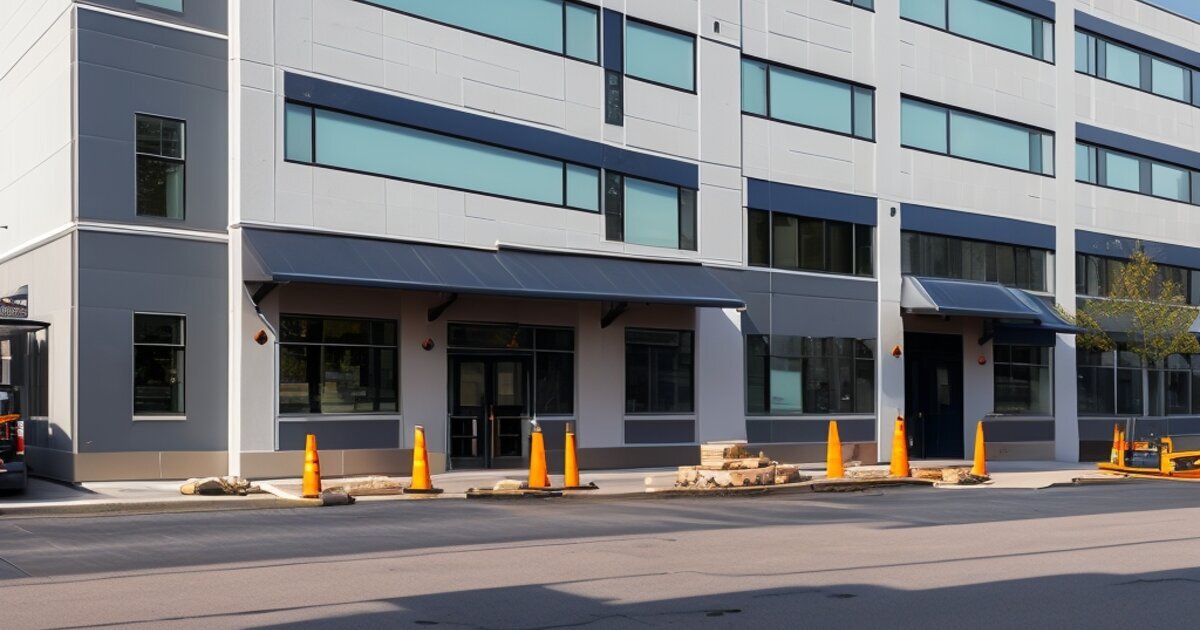
Fire stations are unique municipal facilities that combine industrial apparatus bays, residential living quarters, administrative offices, and training spaces under one roof. The painting requirements span the full spectrum from heavy-duty industrial coatings that resist diesel exhaust and chemical exposure to warm, comfortable finishes that support firefighter well-being during 48-hour shifts.
For fire chiefs, facility managers, and municipal public works directors, understanding the distinct coating needs of each fire station zone ensures a facility that supports both emergency response and quality of life.
Quick Answer
Fire station painting must balance industrial durability in apparatus bays with residential comfort in living quarters, all while keeping the facility operational during 24/7 emergency response. Apparatus bays need chemical-resistant, scrubbable, slip-resistant systems, while dormitories, kitchens, day rooms, and offices need durable low-odor finishes that support firefighter health and morale.
Key Takeaways
- Treat apparatus bays like industrial work zones with fuel, exhaust, tire, and washdown exposure.
- Use warmer, lower-glare finishes in living quarters so crews can rest between calls.
- Schedule work around shift changes, apparatus movement, and alarm response protocols.
- Coordinate municipal compliance, accessibility, prevailing wage, and environmental requirements before bidding.
Fire Station Painting Zones
Apparatus Bay Requirements
The apparatus bay is the operational heart of a fire station. It must withstand diesel exhaust, chemical exposure, thermal cycling, and heavy equipment impact while remaining clean, bright, and safe.
Floor coatings. Apparatus bay floors must resist:
- Diesel fuel and hydraulic fluid
- Road salts and deicers tracked in on apparatus
- Hot tire pickup from emergency vehicles
- Heavy point loads from outriggers and equipment
Specify a high-build epoxy or polyurethane floor system with chemical resistance and thermal shock properties. Coved bases at wall junctions prevent moisture and chemical accumulation. Anti-slip aggregate is essential for safety in wet conditions.
Wall coatings. Walls in apparatus bays are exposed to exhaust soot, hose spray, and equipment impact. Specify scrubbable, chemical-resistant coatings in light colors that show cleanliness. Semi-gloss or gloss finishes allow easy wipe-down of soot and grime.
Ceiling coatings. High ceilings (typically 14-20 feet) collect exhaust residue. Dryfall or flat latex in white or light gray maximizes reflection of emergency lighting and bay lighting. Plan for more frequent ceiling repainting than other areas due to exhaust staining.
Exhaust extraction systems. Many modern stations have vehicle exhaust extraction systems. Coordinate painting around these systems to avoid damage and ensure proper function.
Living Quarters and Dormitories
Firefighters spend 24 or 48 hours per shift at the station. Living quarters must feel like home, not a dormitory.
Bedrooms. Individual or shared sleeping quarters should have a residential feel. Warm, calming colors promote rest between calls. Matte or eggshell finishes reduce glare from emergency lighting during night responses.
Bathrooms. Shared bathrooms require moisture-resistant, antimicrobial finishes. Semi-gloss or satin enamels withstand frequent cleaning and humidity.
Lockers and gear storage. These areas see heavy use and exposure to contaminated gear. Durable, scrubbable finishes are essential. Consider epoxy or urethane coatings for locker room floors.
Privacy and dignity. Fire stations increasingly house both male and female firefighters. Painting and finishes should create private, dignified spaces that support all personnel.
Common Areas: Kitchen, Day Room, and Fitness
Common areas are where firefighters build team cohesion during downtime.
Kitchen. Commercial-grade kitchen with residential atmosphere. Specify moisture-resistant, scrubbable finishes behind cooking areas. Semi-gloss enamel on trim and cabinets. Consider antimicrobial coatings for food preparation areas.
Day room / lounge. Comfortable gathering space for meals, training, and relaxation. Warm colors and durable finishes that withstand heavy use. Accent walls in department colors or with historical photos and memorabilia.
Fitness room. Exercise equipment creates impact and abrasion. Durable wall and floor coatings that withstand weights, mats, and equipment. Mirrors require careful protection during painting.
Training rooms. Classroom and computer training spaces. Professional finishes with good lighting and minimal glare. Whiteboards and projection screens require proper wall preparation and positioning.
Operational Constraints
Fire stations cannot close for painting. Operational readiness is non-negotiable.
Apparatus availability. Apparatus bays must remain clear for emergency response. Painting must occur around apparatus positions, or apparatus must be temporarily relocated to alternate bays or mutual aid facilities.
Shift scheduling. Work around shift changes (typically 7 AM and 7 PM). Loud work (sanding, spraying) should occur during day shifts when personnel are awake. Quiet work (brushing, rolling) may proceed during night hours.
Alarm response. All contractors must understand that an alarm means immediate evacuation of work areas. Tools and equipment must not block apparatus doors or egress paths.
Night response lighting. Firefighters respond to alarms at night with emergency lighting. Freshly painted surfaces, wet floors, or moved equipment create hazards. Clearly mark all hazards and maintain familiar pathways.
Department Identity and Pride
Fire stations are civic landmarks that reflect department pride and community connection.
Department colors. Many departments incorporate red, yellow, or navy blue into interior and exterior design. Use these colors tastefully in accent walls, trim, or common areas.
Apparatus bay markings. Floor markings for apparatus positioning, safety zones, and equipment storage improve organization and safety. Use durable traffic paint or epoxy line striping.
Exterior appearance. The station exterior is a community landmark. Well-maintained paint, trim, and landscaping signal professionalism and pride. Elastomeric coatings on stucco or EIFS exteriors withstand desert conditions while maintaining appearance.
Memorial and honor walls. Many stations include memorial walls for fallen firefighters. These require special care, respectful handling, and coordination with department leadership.
Municipal Compliance
Fire stations are municipal buildings subject to public sector requirements.
Prevailing wage. If federally funded or part of a municipal contract, Davis-Bacon prevailing wage requirements apply. Verify compliance before bidding.
Safety standards. All work must comply with OSHA standards. Fire stations have additional safety requirements due to emergency response operations.
Accessibility. ADA compliance for public areas, restrooms, and egress routes. Maintain required contrast and signage.
Environmental regulations. Proper handling and disposal of paint materials, particularly lead paint on older stations built before 1978.
Frequently Asked Questions
Can a fire station stay open during painting?
Yes, but the project must be phased around apparatus access, shift schedules, sleeping areas, and alarm response. Contractors must keep egress paths and bay doors clear at all times and be prepared to evacuate work areas immediately when a call comes in.
What coatings work best for apparatus bay floors?
High-build epoxy or polyurethane systems with chemical resistance, hot-tire pickup resistance, and anti-slip aggregate are common choices. Coved bases and durable line striping improve washdown performance and station organization.
Should living quarters use the same coatings as apparatus bays?
No. Living quarters should use durable, low-odor, comfortable finishes that feel residential while still handling frequent cleaning. Apparatus bay systems are more industrial and can be too glossy, harsh, or disruptive for bedrooms and day rooms.
Standards & Sources
Related Reading
- Municipal and Government Building Painting
- Commercial Painting Project Management
- Phased Painting Schedules for 24/7 Operations
- Warehouse Floor Coatings
- Zero-VOC Sustainable Coatings
Facility Manager Checklist
- Specify chemical-resistant epoxy or polyurethane floor coatings in apparatus bays: Require resistance to diesel fuel, hydraulic fluid, road salts, and hot tire pickup with coved bases and anti-slip aggregate.
- Use scrubbable, light-colored wall coatings in apparatus bays: Semi-gloss or gloss finishes allow easy wipe-down of exhaust soot and grime while maximizing emergency lighting reflectance.
- Create residential atmosphere in living quarters with warm colors and matte finishes: Use calming tones in bedrooms and moisture-resistant, antimicrobial finishes in shared bathrooms.
- Plan all painting around shift schedules and apparatus availability: Schedule noisy work during day shifts, quiet work at night, and never block apparatus doors or egress paths.
- Require contractors to understand alarm protocols and immediate evacuation: All workers must clear work areas instantly when alarms sound without blocking emergency vehicle access.
- Specify antimicrobial coatings in kitchens, bathrooms, and gear storage: Apply antimicrobial finishes on high-touch surfaces to reduce bacterial growth in shared living spaces.
- Preserve memorial and honor walls with special care during painting: Coordinate with department leadership for respectful handling, protection, and restoration of memorial elements.
Fire station painting requires a contractor who understands both industrial durability and residential comfort, combined with respect for the mission-critical nature of emergency response. Fire chiefs who select experienced partners and plan thoroughly create facilities that support both operational readiness and firefighter well-being.
For fire station and emergency facility painting in the Southwest, contact Moorhouse Coating.
Frequently Asked Questions
Can a fire station stay open during painting?
Yes, but the project must be phased around apparatus access, shift schedules, sleeping areas, and alarm response. Contractors must keep egress paths and bay doors clear at all times and be prepared to evacuate work areas immediately when a call comes in.
What coatings work best for apparatus bay floors?
High build epoxy or polyurethane systems with chemical resistance, hot tire pickup resistance, and anti slip aggregate are common choices. Coved bases and durable line striping improve washdown performance and station organization.
Should living quarters use the same coatings as apparatus bays?
No. Living quarters should use durable, low odor, comfortable finishes that feel residential while still handling frequent cleaning. Apparatus bay systems are more industrial and can be too glossy, harsh, or disruptive for bedrooms and day rooms.