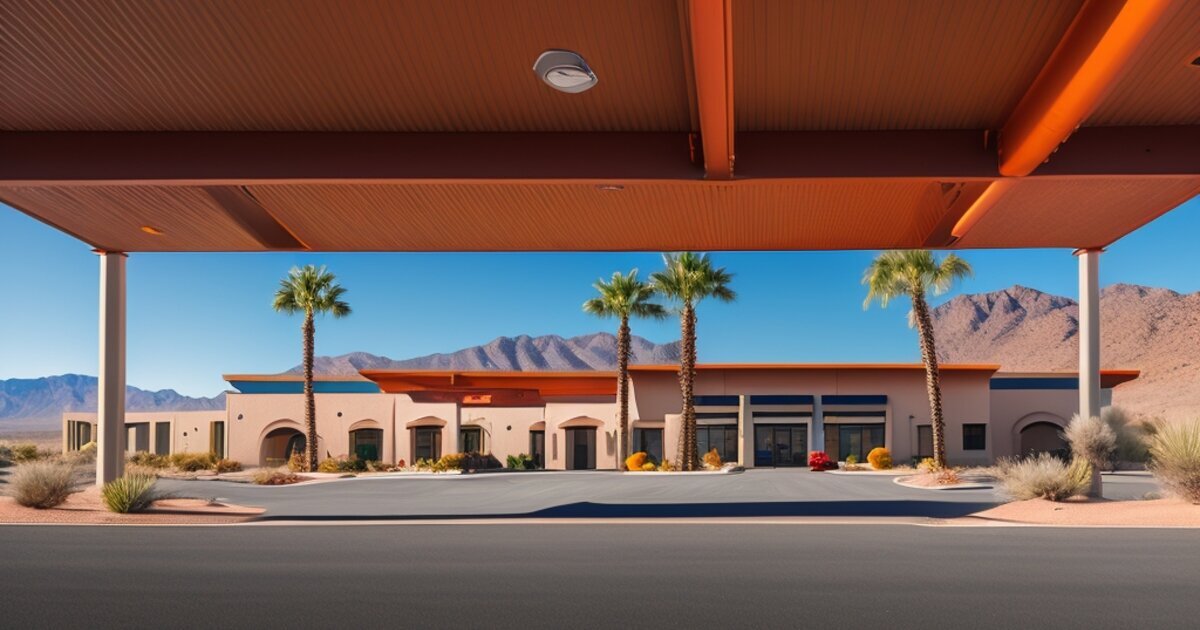
With more than 350 days of annual sunshine, a globally recognized collection of mid-century modern architecture, and a hospitality economy driven by luxury resorts and golf communities, Palm Springs presents unique challenges for commercial painting contractors. Facility managers must balance aesthetic expectations with harsh environmental realities.
Guests expect immaculate grounds and flawless exteriors, while the desert climate delivers intense UV radiation, daily temperature swings of 40 degrees or more, and pool chemical exposure that destroys conventional coatings in a matter of seasons.
Quick Answer
Palm Springs commercial painting requires UV-resistant exterior systems, chemical-resistant coatings near pools and spas, preservation-sensitive color and finish choices for mid-century properties, and scheduling around resort occupancy and desert heat. For major hospitality projects, the best windows are usually shoulder periods when guest disruption and surface temperatures are manageable.
Palm Springs Painting Priorities
Resort and Hotel Exterior Coating Challenges
Resort exteriors in Palm Springs face environmental stressors that most commercial properties never encounter. The desert sun delivers UV radiation that accelerates chalking, fading, and binder degradation in conventional acrylics. Exterior walls receiving direct afternoon sun can exceed 160°F surface temperatures, causing thermal expansion and contraction that stresses coating films daily.
Pool proximity adds another layer of complexity. Chlorinated water vapor and moisture exposure around pool decks, cabanas, and splash zones create a corrosive microclimate. Standard exterior paints cannot withstand the combination of UV bombardment and chemical exposure. Facility managers need specialized elastomeric coatings or high-build acrylic systems with UV-resistant pigments formulated for chemically active environments.
Entryways, valet stands, and high-traffic corridors face abrasion from rolling luggage and catering carts. Polyurethane-enriched coatings provide the scrub resistance necessary to maintain appearance between maintenance cycles. Understanding how hotel and hospitality painting balances guest experience with operational demands is essential where first impressions directly impact revenue.
Color selection carries practical consequences here. Dark colors absorb solar energy, accelerating coating degradation. Lighter, reflective colors last longer and reduce cooling loads. For roofing specifically, cool roof coating application strategies can reduce rooftop temperatures by 50°F or more, extending roof membrane life while cutting energy costs.
Mid-Century Modern Architecture Preservation
Palm Springs contains one of the highest concentrations of mid-century modern architecture in the world. Properties by Richard Neutra, Albert Frey, and Donald Wexler feature clean lines, butterfly roofs, and expansive glass walls that define the region’s identity.
Painting these historic properties requires sensitivity to original design intent. Flat roofs demand waterproofing systems that preserve crisp horizontal lines. Exposed steel and wood beams need penetrating oil finishes or low-sheen coatings that highlight natural grain. Color palettes should respect period-appropriate schemes—earth tones and atomic age aquas that complement the desert landscape.
Surface preparation often reveals unexpected conditions. Decades of sun exposure may cause substrate chalking requiring chemical neutralization before coating. Lead-based paint in pre-1978 structures requires EPA RRP compliance. The intersection of preservation requirements, modern performance standards, and California regulations makes these projects technically demanding.
Facility managers should engage contractors experienced in both preservation and high-performance systems. Our coating selection guide provides detail on matching products to specific substrate requirements.
Golf Course and Country Club Facility Painting
The Coachella Valley is home to more than 120 golf courses associated with country clubs and resort communities. Clubhouses, pro shops, cart barns, and locker rooms require regular coating maintenance to maintain the polished appearance members expect.
Golf facilities face unique exposures. Cart barns experience exhaust fume and gasoline contact. Locker rooms and spa areas need moisture-resistant, antimicrobial coatings. Exterior dining terraces require coatings that resist food stains and pressure washing while maintaining brand color consistency.
Turf management chemical storage areas require chemical-resistant epoxy systems complying with California environmental regulations.
Scheduling around golf operations demands coordination. Most facilities prefer summer closure periods, though temperatures exceeding 110°F limit application windows to early morning. Understanding commercial painting costs and seasonal timing helps facility managers budget effectively.
Seasonal Tourism Cycles and Scheduling
Palm Springs tourism follows a demanding seasonal rhythm. Peak season runs November through April, filling hotels to capacity. Shoulder seasons in May and October offer brief windows of reduced occupancy. Summer months see lower occupancy but extreme temperatures challenging both coatings and crews.
This creates a narrow optimal window for major painting projects, typically mid-May through mid-June, after Memorial Day but before sustained 115°F temperatures arrive. September and early October can also work, though Santa Ana wind events carrying abrasive dust must be factored into planning.
Interior projects face fewer climate constraints but must navigate occupancy. Many resorts maintain 80% or higher occupancy even in summer, requiring floor-by-floor guest room painting with rapid turnaround. Public area work often must be completed overnight. The Phoenix commercial painting market faces similar desert challenges. Our Phoenix commercial painting guide explores heat-resistant coating strategies for facility managers across the Southwest.
Palm Springs Coating Priorities by Area
| Property Area | Primary Exposure | Recommended Coating Priority |
|---|---|---|
| Sun-exposed stucco and facade walls | UV, thermal cycling, chalking | Premium acrylic or elastomeric system with UV-stable pigments. |
| Pool decks, cabanas, and splash zones | Chlorine, moisture, abrasion | Chemical-resistant coating with slip-resistant texture where foot traffic occurs. |
| Mid-century architectural features | Historic appearance, substrate sensitivity | Low-sheen, preservation-compatible coatings and careful color review. |
| Valet, entry, and service corridors | Rolling luggage, carts, frequent cleaning | Scrub-resistant acrylic or polyurethane-enriched finish. |
| Flat roofs and parapets | Heat gain, ponding risk, membrane aging | Reflective cool roof coating matched to roof substrate and drainage conditions. |
Facility Manager Checklist
Before initiating a commercial painting project at your Palm Springs property, ensure the following:
- Climate Assessment: Verify temperature ranges, wind conditions, and humidity for your target window. Avoid application when temperatures exceed manufacturer specifications or Santa Ana winds are forecast.
- Pool Area Evaluation: Identify surfaces within splash zones. Specify chemical-resistant coatings rather than standard exterior products.
- Historic Review: Confirm whether preservation guidelines or design review approval is required before color changes.
- Substrate Inspection: Assess surface preparation needs including moisture testing, chalking evaluation, and lead paint testing for pre-1978 structures.
- Occupancy Coordination: Develop a phased schedule minimizing guest disruption. Identify which buildings or floors can be taken offline.
- Product Specification: Require UV-resistant elastomeric or premium acrylic systems for sun-exposed exteriors. Specify cool roof coatings for flat roof areas.
- Contractor Qualification: Verify EPA RRP certification, California licensing, and hospitality property experience.
- Warranty Documentation: Obtain written warranties specifically addressing UV degradation, chalking, and thermal cycling.
Frequently Asked Questions
What makes Palm Springs commercial painting different from other markets?
Palm Springs combines intense UV exposure, high surface temperatures, pool chemical exposure, hospitality appearance standards, and mid-century preservation concerns. Product selection and scheduling must account for all of those conditions.
When is the best time to paint a Palm Springs resort or hotel?
Major exterior work is usually best planned for shoulder periods such as mid-May through mid-June or early fall, when occupancy and extreme heat are more manageable. Interior and overnight work may be possible year-round with careful phasing.
Do pool areas need special coatings?
Yes. Pool-adjacent surfaces need coatings that resist chlorine, moisture, UV, cleaning chemicals, and abrasion. Standard exterior paint often fails prematurely in splash zones, cabanas, pool equipment areas, and nearby walkways.
Standards & Sources
Related Reading
- Lake Havasu Commercial Painting
- Hotel and Hospitality Painting
- Cool Roof Coating Application
- Phoenix Commercial Painting Guide
Conclusion
Commercial painting in Palm Springs demands specialized expertise. The intersection of luxury hospitality expectations, historic preservation, pool chemical exposure, and extreme desert climate creates an environment where product selection and scheduling determine whether coatings last three years or fifteen.
Facility managers who partner with contractors experienced in desert hospitality work can protect their properties while preserving the aesthetic that defines Palm Springs. Contact our team to discuss your property’s coating requirements or schedule a site assessment.
Frequently Asked Questions
What makes Palm Springs commercial painting different from other markets?
Palm Springs combines intense UV exposure, high surface temperatures, pool chemical exposure, hospitality appearance standards, and mid century preservation concerns. Product selection and scheduling must account for all of those conditions.
When is the best time to paint a Palm Springs resort or hotel?
Major exterior work is usually best planned for shoulder periods such as mid May through mid June or early fall, when occupancy and extreme heat are more manageable. Interior and overnight work may be possible year round with careful phasing.
Do pool areas need special coatings?
Yes. Pool adjacent surfaces need coatings that resist chlorine, moisture, UV, cleaning chemicals, and abrasion. Standard exterior paint often fails prematurely in splash zones, cabanas, pool equipment areas, and nearby walkways.