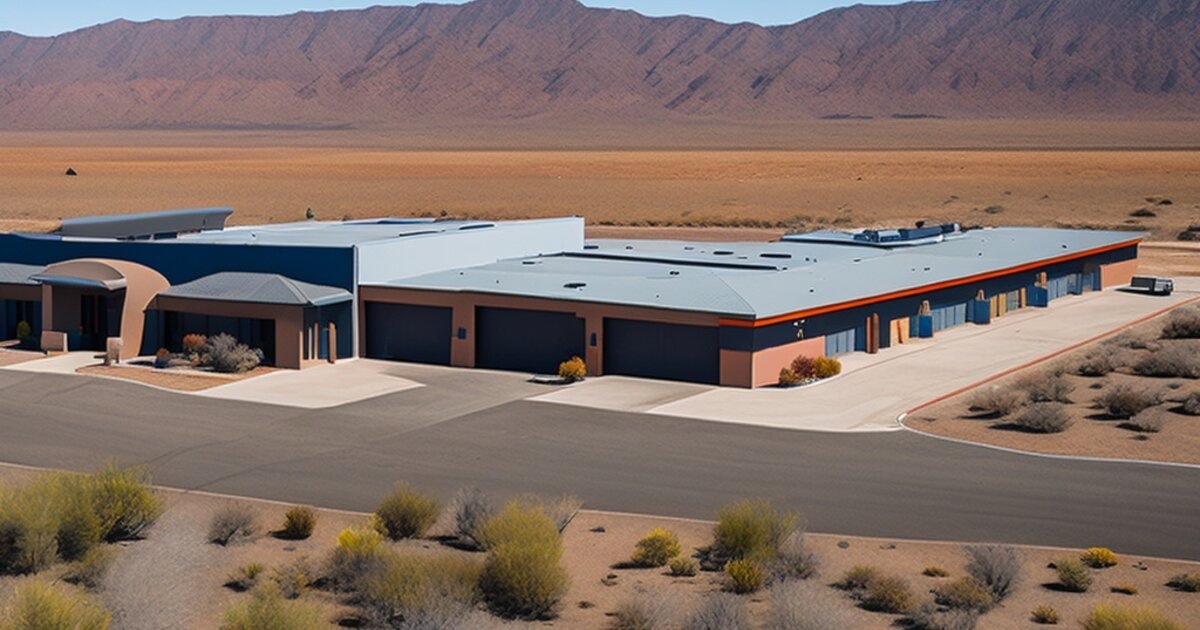
Gilbert, Arizona embodies one of the most remarkable transformations in the American Southwest. From its origins as the Hay Capital of the World to its current status as a thriving technology corridor and one of the nation’s fastest-growing municipalities, Gilbert presents facility managers with a unique portfolio of property types spanning historic agricultural buildings, modern tech campuses, mixed-use developments, and healthcare facilities. The juxtaposition of heritage structures and cutting-edge office environments creates coating challenges that demand both traditional craftsmanship and advanced material science.
For facility managers overseeing properties in Gilbert’s diverse market, commercial painting is a strategic discipline that must accommodate everything from historic preservation requirements in the Heritage District to the brand-forward aesthetics of technology employers. The Sonoran Desert climate adds another layer of complexity, with intense UV exposure, extreme thermal cycling, and seasonal dust storms that test coating systems across all substrate types. Whether managing a renovated cotton gin turned office space, a Class-A tech campus near the SanTan Village corridor, or a medical office along Val Vista Drive, understanding Gilbert’s unique development context is essential for making informed coating decisions that protect investments and support tenant satisfaction.
Quick Answer
Gilbert commercial painting must balance heritage preservation, tech-campus branding, healthcare durability, and Southeast Valley desert exposure. Facility managers should match coatings to property type, use UV-stable exterior systems, schedule exterior work in spring or fall, and document compliance needs for historic or medical spaces before bidding.
Key Takeaways
- Historic Gilbert properties need breathable, preservation-sensitive coating systems and lead paint verification where applicable.
- Tech and Class-A office campuses benefit from color-stable finishes, precise brand matching, and durable interior coatings for high-use spaces.
- Healthcare facilities require low-VOC, scrubbable, chemical-resistant coatings that support infection control and occupied renovations.
- Spring and fall remain the preferred exterior windows because heat, dust, pollen, and monsoon humidity can affect adhesion and cure quality.
Gilbert Economic Transformation Ecosystem
Gilbert’s Agricultural Heritage and Economic Evolution
Gilbert’s history is inseparable from agriculture. Founded in 1891 as a rail siding for the Arizona Eastern Railway, the town grew around cotton farming, dairy operations, and alfalfa production. By the 1920s, Gilbert shipped more hay than any other community in the country, earning its title as the Hay Capital of the World. The agricultural economy shaped the town’s built environment, creating a legacy of warehouses, cotton gins, grain elevators, and farm supply buildings that still dot the landscape today.
The transformation from agricultural community to suburban technology hub began in earnest during the 1990s and accelerated through the 2000s. Today, Gilbert is home to more than 270,000 residents and hosts major technology employers including GoDaddy, Isagenix, and numerous software and semiconductor firms. The Rivulon development along the Santan Freeway corridor and the continued expansion of the SanTan Village area have created Class-A office space that competes with Scottsdale and Tempe for technology tenants.
This economic evolution creates a distinctive property portfolio for facility managers. Historic buildings in the Heritage District require preservation-sensitive approaches that maintain architectural character while upgrading performance. Modern tech campuses demand sleek, brand-consistent aesthetics with durable finishes that project innovation and quality. Healthcare facilities anchored by Mercy Gilbert Medical Center and Dignity Health must meet stringent infection control and durability standards. Mixed-use developments in downtown Gilbert blend retail, office, and residential components that each require specialized coating strategies.
Desert Climate Factors in the Southeast Valley
Gilbert’s position in the Southeast Valley exposes facilities to desert climate conditions that differ subtly from other Phoenix metro submarkets. The city sits at a slightly lower elevation than Mesa or Scottsdale, with less topographic relief to block summer sun or channel cooling breezes. Summer temperatures regularly exceed 110°F, with the urban heat island effect amplified by Gilbert’s rapid development and expanding impervious surfaces.
The Southeast Valley experiences dust storm patterns that differ from the West Valley corridors. While haboobs sweep across the entire Phoenix metro, Gilbert’s eastern location means it often receives the leading edge of dust events that originate over the Sonoran Desert west of Tucson. These dust events deposit fine particulate matter on exterior surfaces, accelerating coating degradation and creating maintenance challenges for facilities with large horizontal surfaces like parking decks and roof assemblies.
Monsoon season impacts Gilbert from July through September, bringing sudden humidity spikes, intense rainfall, and lightning activity. The flat topography of former agricultural land creates flash flooding risks in areas with insufficient drainage infrastructure, particularly in newly developed zones where soil compaction and impervious surfaces concentrate runoff. For facility managers, monsoon season demands careful scheduling of exterior work and vigilant maintenance of sealants and coatings that protect against moisture intrusion.
Winter conditions in Gilbert are milder than northern Arizona markets but still create thermal cycling stress. Overnight temperatures in December and January regularly drop to the upper 30s, while daytime highs reach the upper 60s. This 30°F daily swing, repeated across the winter months, compounds the thermal stress that coatings experience during summer extremes.
Historic Building and Heritage District Considerations
The Gilbert Heritage District, centered around Gilbert Road between Page Avenue and Elliot Road, preserves the town’s agricultural character while hosting modern restaurants, shops, and offices. Facility managers overseeing historic properties in this district must navigate preservation guidelines that restrict color palettes, material choices, and application methods. The National Register of Historic Places designation for portions of the district adds federal oversight to local preservation requirements.
Historic agricultural buildings present unique substrate challenges. Original wood siding, barn red paint, and metal roofing materials require specialized preparation and coating systems that respect historical authenticity while delivering modern performance. Lead paint testing is essential for buildings constructed before 1978, and remediation must follow EPA RRP protocols if lead is present. For wood substrates, penetrating oil-modified stains or breathable acrylic systems allow moisture vapor transmission while protecting against UV degradation.
Modern tenants in historic buildings often demand contemporary interior environments that contrast with preserved exteriors. This dual requirement creates coating scenarios where exterior work must meet preservation standards while interior spaces receive modern, durable finishes suited to restaurant, retail, or office use. The transition between historic and modern systems must be carefully detailed to prevent moisture trapping or incompatible material interactions.
For comprehensive guidance on historic preservation coating requirements, see our historic preservation tax credits and commercial painting article, which covers preservation compliance, appropriate coating systems, and tax credit documentation requirements.
Technology Campus and Modern Office Painting
Gilbert’s technology corridor demands commercial painting that supports brand identity, employee recruitment, and operational efficiency. Class-A office buildings in the Rivulon and SanTan Village areas feature expansive glass curtain walls, metal panel systems, and architectural concrete that require specialized coating expertise. Tech employers often specify custom color schemes that align with corporate branding, creating demand for precise color matching and consistent application across large surface areas.
Interior tech office spaces prioritize finishes that balance aesthetics with functionality. Open-plan offices require durable wall coatings that withstand the abrasion from moving workstations and equipment. Conference rooms and client-facing areas need premium finishes with excellent light reflectance and color accuracy. Amenities like fitness centers, coffee bars, and collaboration spaces demand specialized coatings that handle moisture, cleaning chemicals, and heavy use without showing wear.
Wayfinding and environmental graphics are increasingly important in Gilbert’s tech campuses. Floor coatings with embedded directional markings, wall graphics with integrated brand messaging, and stairwell accent colors all require coordination between painting contractors and signage installers. The substrate preparation and coating selection for these graphic applications must ensure long-term adhesion and color stability under facility lighting conditions.
Data center and technology infrastructure facilities in Gilbert require coatings that support operational requirements. Cleanroom-grade coatings with low particle shedding properties protect sensitive equipment. Anti-static floor coatings prevent electrostatic discharge in server rooms and equipment areas. For detailed specifications on technology facility coatings, our data center and cleanroom painting guide covers material selection, application protocols, and compliance requirements.
Healthcare and Medical Office Painting Requirements
Gilbert’s healthcare sector, anchored by the 222-bed Mercy Gilbert Medical Center and supported by numerous medical office buildings and outpatient facilities, introduces some of the most stringent coating requirements in the commercial market. Healthcare facilities demand coatings that support infection control protocols, withstand aggressive cleaning regimens, and maintain visual standards that reassure patients and visitors.
Patient care areas require coatings with antimicrobial properties that inhibit bacterial and fungal growth on painted surfaces. These coatings must also be non-shedding to prevent particulate contamination in sensitive environments. Operating rooms, procedure suites, and clean utility rooms may require cleanroom-grade coating systems with documented low-outgassing properties that meet healthcare construction standards.
Common areas, corridors, and waiting rooms in healthcare facilities experience heavy traffic and require frequent cleaning with bleach-based and quaternary ammonium disinfectants. Standard latex paints degrade quickly under this cleaning intensity. Epoxy-modified acrylics and catalyzed waterborne urethanes provide the chemical resistance and scrubbability needed for long-term performance in healthcare environments. For a comprehensive examination of healthcare facility coating requirements, see our medical and dental office painting guide, which covers infection control priorities, material specifications, and compliance considerations.
Seasonal Scheduling for Gilbert Projects
Commercial painting in Gilbert follows the same seasonal patterns that govern desert climate work across the Southwest, with specific considerations for the Southeast Valley’s wind patterns and monsoon intensity. Spring (March through May) and fall (October through November) offer the most favorable conditions for exterior work, with moderate temperatures, low humidity, and minimal precipitation risk.
Spring scheduling in Gilbert should account for the peak pollen season, which can contaminate freshly prepared surfaces and affect coating adhesion. Cottonwood and olive pollen, common in the former agricultural areas of Gilbert, create fine particulate deposits that must be removed before coating application. Morning dew in spring can also extend surface drying times, requiring later start times than in drier months.
Fall offers excellent exterior painting conditions with settled dust and moderate temperatures. However, shorter daylight hours compress production schedules, and early cold fronts in November can create overnight temperature drops that approach coating application minimums. Scheduling fall projects with buffer days accommodates weather delays without pushing work into marginal winter conditions.
Summer exterior work is challenging but sometimes unavoidable for facilities with deferred maintenance or tenant improvement deadlines. Early morning application windows (5:00 AM to 10:00 AM) may provide acceptable substrate temperatures before surfaces heat beyond coating specifications. For detailed summer scheduling protocols, our Phoenix summer painting article provides heat management strategies applicable to Gilbert’s climate.
Coating Selection for Gilbert’s Diverse Property Portfolio
Coating selection for Gilbert facilities must address the specific requirements of each property type while accounting for desert climate stressors. For historic buildings in the Heritage District, breathable, vapor-permeable coatings allow moisture to escape from aging substrates while providing UV protection. Avoid film-forming coatings on historic masonry that can trap moisture and accelerate substrate deterioration.
Modern tech campuses benefit from high-performance architectural coatings that maintain appearance with minimal maintenance. Fluoropolymer coatings on metal panel systems deliver 20-year color retention warranties, reducing the lifecycle cost of exterior maintenance. Elastomeric coatings on stucco and concrete substrates accommodate thermal movement while bridging hairline cracks that develop from continuous expansion and contraction.
Healthcare facilities require coatings that balance chemical resistance with application safety. Waterborne epoxy and urethane systems provide excellent performance without the VOC emissions and odor issues associated with solvent-based products. These systems allow occupied renovations with minimal disruption to patient care operations.
Floor coatings in Gilbert’s technology and healthcare facilities must handle the specific stresses of each environment. Tech office floors need coatings that resist rolling loads from equipment and chair casters while maintaining a refined appearance. Healthcare floors require slip-resistant surfaces that withstand continuous cleaning and sanitization. For guidance on slip-resistant flooring specifications, our slip-resistant flooring for commercial and industrial facilities article covers aggregate selection, coating chemistry, and compliance requirements.
Facility Manager Checklist
Use this checklist when planning commercial painting projects in Gilbert’s diverse property market:
- Identify property type requirements — Historic, tech, healthcare, and mixed-use facilities each demand different coating specifications, compliance standards, and application protocols
- Schedule around seasonal weather — Plan exterior work for spring or fall application windows; reserve summer for interior scopes in climate-controlled environments
- Specify UV-stable exterior coatings with documented desert climate performance, including color retention and gloss stability ratings for brand-sensitive tech campuses
- Select healthcare-appropriate coatings for medical facilities, including antimicrobial properties, chemical resistance, and cleanroom-grade options where required
- Address historic preservation requirements for Heritage District properties, including appropriate color palettes, breathable coatings, and lead paint compliance
- Verify contractor experience with occupied facility painting, historic preservation standards, and Arizona desert conditions
- Document warranty terms specifically for desert climate performance, including UV degradation, thermal cycling, and chemical exposure coverage
Frequently Asked Questions
What types of commercial properties need specialized painting in Gilbert?
Historic buildings, tech campuses, healthcare facilities, mixed-use developments, and modern office properties all need different coating specifications. The right system depends on substrate age, tenant use, compliance requirements, and desert exposure.
How should Gilbert facility managers handle historic building repainting?
Start with preservation requirements, lead paint testing, and substrate evaluation before selecting products. Breathable coatings, approved colors, and careful preparation help maintain historic character while improving durability.
When should exterior painting be scheduled in Gilbert?
Spring and fall are usually best for exterior projects because temperatures, humidity, and precipitation risk are more manageable. Summer work should be limited to early morning windows or interior scopes in controlled environments.
Standards & Sources
Related Reading
- Chandler Commercial Painting: Tech Corridor Considerations
- Tempe Commercial Painting: University and Innovation District
- Historic Preservation Tax Credits and Commercial Painting
- Data Center and Cleanroom Painting
- Medical and Dental Office Painting
- Slip-Resistant Flooring for Commercial and Industrial Facilities
- Phoenix Summer Painting: Heat Scheduling
Gilbert’s journey from the Hay Capital of the World to a premier Southeast Valley technology corridor represents the dynamic evolution of the Southwest economy. For facility managers, this transformation creates opportunities to manage diverse property portfolios that span agricultural heritage buildings, cutting-edge tech campuses, and advanced healthcare facilities. By understanding the unique coating requirements of each property type and the desert climate conditions that affect them all, you can make informed decisions that protect asset value, support tenant success, and honor Gilbert’s remarkable history while embracing its innovative future. Whether refreshing a historic building in the Heritage District, branding a new tech campus in the Rivulon corridor, or maintaining a medical office along Val Vista Drive, strategic commercial painting delivers lasting performance in one of Arizona’s most dynamic communities.
Frequently Asked Questions
What types of commercial properties need specialized painting in Gilbert?
Historic buildings, tech campuses, healthcare facilities, mixed use developments, and modern office properties all need different coating specifications. The right system depends on substrate age, tenant use, compliance requirements, and desert exposure.
How should Gilbert facility managers handle historic building repainting?
Start with preservation requirements, lead paint testing, and substrate evaluation before selecting products. Breathable coatings, approved colors, and careful preparation help maintain historic character while improving durability.
When should exterior painting be scheduled in Gilbert?
Spring and fall are usually best for exterior projects because temperatures, humidity, and precipitation risk are more manageable. Summer work should be limited to early morning windows or interior scopes in controlled environments.