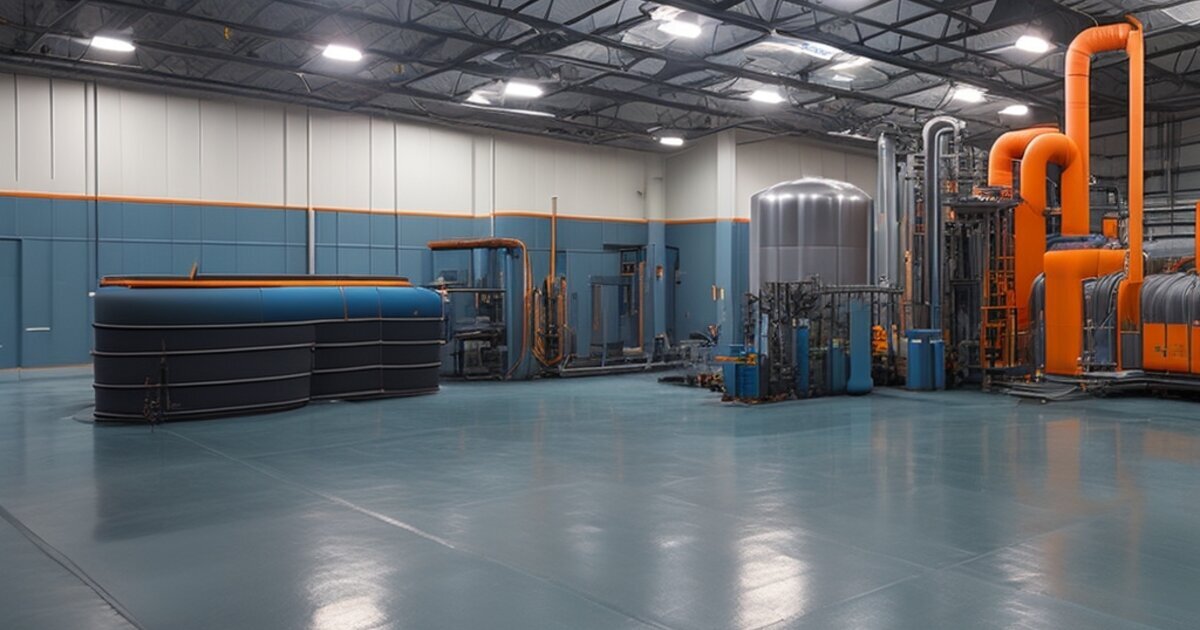
Power generation and utility infrastructure represent some of the most strategically important assets in the Southwest. From the Palo Verde Nuclear Generating Station west of Phoenix to the combined-cycle natural gas facilities across Arizona, New Mexico, and Texas, these facilities operate in some of the most demanding environmental conditions in North America. Extreme heat, intense UV radiation, wind-driven dust, and monsoon moisture create a perfect storm of corrosion and coating degradation threats.
For utility engineers and facility managers, coating failures on critical infrastructure are not merely maintenance inconveniences. A failed coating on a transmission tower can lead to structural compromise and unplanned outages. Corrosion inside a cooling tower can force derating or shutdown during peak demand periods. Understanding the specialized coating requirements for each component of the power infrastructure chain is essential for maintaining reliability, extending asset life, and controlling lifecycle costs.
Quick Answer
Power generation and utility coatings protect substations, transformers, cooling towers, transmission structures, and control buildings from corrosion, UV, chemical exposure, and thermal cycling. The right system depends on asset criticality, electrical safety requirements, surface preparation limits, outage windows, and Southwest climate exposure.
Power Infrastructure Coating Flow
Substation and Switchgear Coatings
Substations are the nerve centers of the electrical grid, and their coating requirements are among the most specialized in the utility sector. Structural steel within switchyards must resist corrosion while maintaining electrical clearances. Hot-dip galvanized structures are common, but the galvanized coating itself requires periodic maintenance and overcoating as it weathers.
Busbars and electrical connections present unique challenges. Conventional insulating coatings must provide dielectric protection without trapping heat. Silicone-based insulating coatings and specially formulated epoxy systems are specified for these applications to prevent tracking, flashover, and corona discharge. In the dusty Southwest environment, anti-tracking coatings also resist the accumulation of conductive contamination that can create paths for electrical arcing.
Fence lines, grounding grids, and control building exteriors round out the substation coating program. Control buildings often receive high-performance coating systems similar to those specified for industrial infrastructure projects, with particular attention to UV resistance and thermal cycling performance in desert conditions.
Utility Asset Coating Selection Table
| Asset Type | Primary Exposure | Typical Coating Priority | Scheduling Constraint |
|---|---|---|---|
| Substation steel and switchgear | UV, dust, corrosion, electrical tracking risk | Corrosion resistance without compromising electrical clearances | Energized-work rules and access permits |
| Cooling tower basins and steel | Treated water, chlorides, biocides, wet-dry cycling | Chemical-resistant lining and crack/joint detailing | Outage or derating window availability |
| Transformer housings and radiators | Solar heat, edge corrosion, thermal cycling | Reflective corrosion protection with reliable edge coverage | Keeping equipment in service or limiting downtime |
| Transmission towers | Atmospheric corrosion, galvanizing loss, access exposure | Galvanizing assessment and compatible overcoating | Line clearance, terrain access, and high-voltage safety |
Cooling Tower Protection
Cooling towers face relentless chemical and thermal stress. The constant flow of treated water, combined with evaporation cycles, creates a highly corrosive environment for structural steel, concrete basins, and mechanical equipment. In the Southwest, the addition of high dissolved solids in makeup water and the aggressive scaling potential of hard water compounds these challenges.
Concrete basin coatings must resist chemical attack from chlorides, biocides, and pH variations while accommodating thermal movement. Epoxy and vinyl ester lining systems are commonly specified, with thicknesses ranging from 125 to 250 mils depending on the severity of exposure. These systems must be installed with careful attention to crack bridging and joint treatment to prevent underfilm corrosion.
Structural steel within cooling towers requires specialized formulations that resist constant wet-dry cycling and chemical splash. Moisture-cured urethane and glass-flake reinforced epoxy systems provide barrier protection in these aggressive environments. Much like HVAC equipment coatings, cooling tower coatings must accommodate thermal expansion without cracking, but they face significantly higher chemical exposure levels.
Transformer and Equipment Housing Coatings
Power transformers and associated switchgear housings represent high-value assets that must remain in service for thirty years or more. The factory-applied coatings on these units are designed for shipping and initial service, but they rarely survive decades of Southwest sun and thermal cycling without degradation.
Transformer tank coatings must balance corrosion protection with heat dissipation. Dark colors absorb solar energy and increase operating temperatures, which reduces transformer efficiency and accelerates insulation aging. Light-colored, high-reflectance coating systems are increasingly specified for exterior transformer housings in desert installations. These coatings reduce surface temperatures by 20 to 40 degrees Fahrenheit compared to conventional dark finishes, directly contributing to operational efficiency and extended insulation life.
Radiator fin coatings require particular attention to edge coverage and film thickness consistency. Thin or porous coating at fin edges leads to localized corrosion that eventually penetrates the tube wall. For guidance on matching coating specifications to performance requirements, see our coating selection guide. Radiator recoating projects require specialized application techniques to ensure complete coverage without bridging between fins.
Transmission Tower Corrosion Protection
High-voltage transmission towers and substation structures span thousands of miles across the Southwest, crossing terrain that ranges from salt-laden coastal air to alkaline desert soils. Galvanized steel remains the dominant protective strategy, but the service life of galvanizing varies dramatically based on atmospheric corrosivity.
In Arizona and New Mexico desert environments, galvanized transmission towers can achieve fifty-year service lives with minimal maintenance. However, in areas with higher humidity, industrial contamination, or salt exposure, galvanized coatings degrade more rapidly. Overcoating weathered galvanizing with compatible epoxy and polyurethane systems extends structural life and defers the enormous capital cost of tower replacement.
The surface preparation of weathered galvanizing requires careful execution. White rust and zinc corrosion products must be thoroughly removed without over-blasting the underlying zinc layer. T-wash or proprietary etching primers are often specified to ensure adhesion to the zinc surface. The application of overcoating systems on energized transmission lines also requires specialized work practices, insulated tools, and trained crews familiar with high-voltage safety protocols.
Seasonal and Climate Considerations
Power generation facilities in the Southwest face coating application challenges that differ significantly from other regions. Summer temperatures routinely exceed 110°F, creating narrow application windows and rapid solvent evaporation that can compromise film formation. Winter temperature swings of 40 degrees or more within a single day place extraordinary thermal stress on coating systems.
Application scheduling must account for these extremes. The ideal coating season in the Southwest generally runs from March through May and again from October through November, when temperatures and humidity levels provide optimal cure conditions. For detailed guidance on managing desert climate challenges, refer to our Phoenix commercial painting guide.
Monsoon moisture presents another seasonal challenge. Sudden humidity spikes and wind-driven rain can contaminate prepared surfaces and compromise freshly applied coatings. Coating programs for utility infrastructure must include weather monitoring protocols and rapid response procedures to protect work in progress.
Facility Manager Checklist
Use this checklist to evaluate and maintain coating systems across your power generation or utility facility:
- Inventory all coated assets — Substations, transformers, cooling towers, transmission structures, and auxiliary buildings
- Document existing coating systems — Product types, application dates, film thickness records, and warranty status
- Assess environmental exposure severity — Corrosivity classification, UV exposure, chemical exposure, and thermal cycling
- Inspect for active corrosion — Focus on joints, fasteners, edges, and areas of pooling or condensation
- Evaluate galvanizing condition — White rust prevalence, red rust breakthrough, and remaining zinc thickness on transmission towers
- Review electrical clearance requirements — Ensure coating programs do not compromise insulating properties or air gaps
- Schedule application during optimal weather windows — Avoid peak summer heat and monsoon season moisture
- Specify coating systems with proven track records — Require manufacturer data and case histories for similar utility applications
- Require qualified inspection — NACE or SSPC-certified inspectors at hold points for surface preparation and coating application
- Maintain coating records — Application logs, inspection reports, and dry-film thickness measurements for warranty enforcement
- Budget for lifecycle maintenance — Plan recoating intervals based on observed degradation rates, not arbitrary schedules
- Verify contractor safety credentials — Confined space, energized work, and fall protection training for transmission tower work
For guidance on structuring warranty coverage for coating investments, see our overview of commercial painting warranties.
Conclusion
Protecting power generation and utility infrastructure with specialized coatings is a technical discipline that demands expertise in corrosion science, electrical safety, and high-performance coating systems. The stakes are high: coating failures on critical energy assets can trigger cascading operational consequences, regulatory scrutiny, and unplanned capital expenditure.
Facility managers and utility engineers who invest in proper coating specification, qualified application, and rigorous inspection programs achieve measurable returns through extended asset life, reduced maintenance costs, and improved system reliability. The Southwest’s demanding climate makes proactive coating management not optional, but essential.
Frequently Asked Questions
Which utility assets need the most aggressive coating systems?
Cooling towers and water-contact structures usually need the most chemically resistant systems because treated water, chlorides, biocides, and wet-dry cycling attack coatings continuously.
Can galvanized transmission towers be recoated?
Yes, weathered galvanizing can be overcoated when zinc corrosion products are removed and compatible primers are used. Surface preparation must protect remaining zinc while creating adequate adhesion.
Why are light-colored transformer coatings common in desert utility sites?
Light-colored and reflective coatings reduce solar heat gain on transformer housings, helping lower surface temperature and reducing thermal stress on equipment coatings and insulation systems.
Moorhouse Coating provides specialized coating services for utility and power generation infrastructure across Arizona and the Southwest. Our crews are trained in energized work safety, confined space entry, and the specialized surface preparation and application techniques that utility assets require. Contact us to discuss a coating assessment program for your critical energy infrastructure.
Standards & Sources
Related Reading
- Bridge Infrastructure Coatings
- HVAC Equipment Coatings
- Commercial Coating Selection Guide
- Phoenix Commercial Painting Guide
- Commercial Painting Warranties
- High-Temperature Coatings for Industrial Facilities
- Solar Farm Painting in the Southwest
- Telecommunications Infrastructure Coatings
- Wind Farm Coating Protection
Frequently Asked Questions
Which utility assets need the most aggressive coating systems?
Cooling towers and water contact structures usually need the most chemically resistant systems because treated water, chlorides, biocides, and wet dry cycling attack coatings continuously.
Can galvanized transmission towers be recoated?
Yes, weathered galvanizing can be overcoated when zinc corrosion products are removed and compatible primers are used. Surface preparation must protect remaining zinc while creating adequate adhesion.
Why are light colored transformer coatings common in desert utility sites?
Light colored and reflective coatings reduce solar heat gain on transformer housings, helping lower surface temperature and reducing thermal stress on equipment coatings and insulation systems. Moorhouse Coating provides specialized coating services for utility and power generation infrastructure across Arizona and the Southwest. Our crews are trained in energized work safety, confined space entry, and the specialized surface preparation and application techniques that utility assets require. Contact us to discuss a coating assessment program for your critical energy infrastructure.