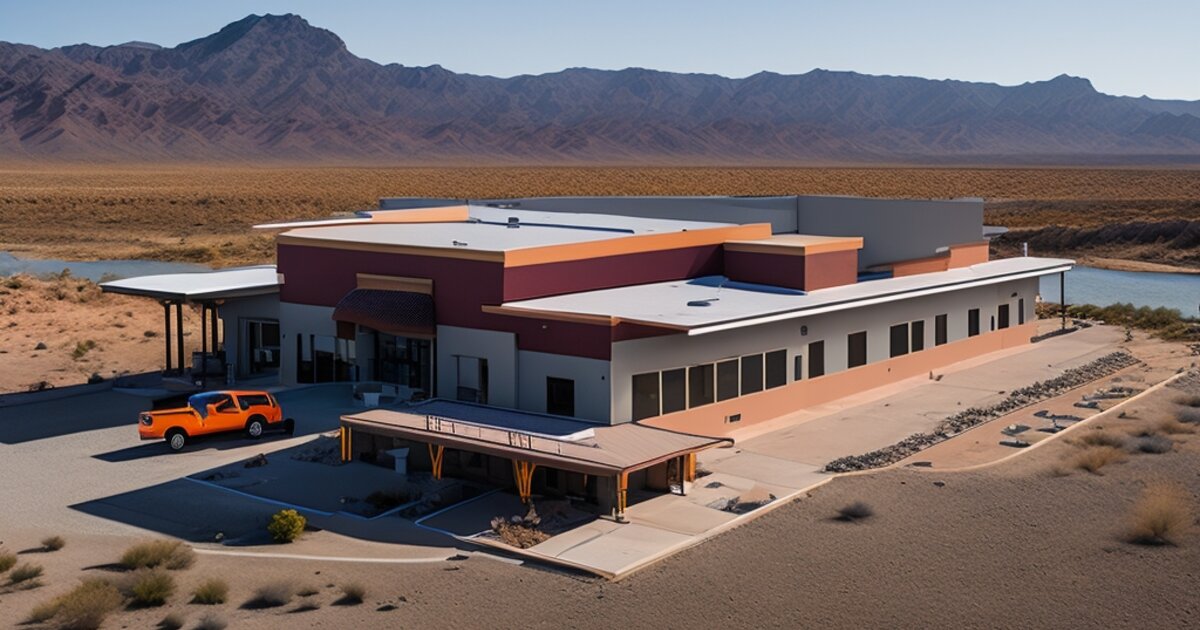
Lake Havasu City sits at an intersection few other American cities occupy. With 60 miles of navigable waterways, over 300 days of annual sunshine, and summer temperatures routinely climbing past 115°F, this Arizona community combines waterfront resort economics with some of the most punishing desert conditions in the Southwest. For facility managers overseeing hotels, restaurants, marinas, and retail corridors along the London Bridge channel, commercial painting decisions carry consequences that ripple across guest satisfaction, structural longevity, and operating budgets.
The same waterfront environment that attracts 775,000 annual visitors—spring breakers, boaters, snowbirds, and events crowds—creates a relentless cycle of moisture exposure, UV bombardment, and salt-laden air that destroys conventional coatings years before their expected service life expires. Understanding how these forces interact determines whether your property maintains a polished appearance or visibly deteriorates during peak season when every first impression converts to revenue.
Quick Answer
Lake Havasu commercial painting requires coating systems that handle waterfront moisture, salt deposits, reflected UV, extreme desert heat, and tourism-driven scheduling limits. Resorts, marinas, restaurants, and retail corridors should prioritize moisture testing, UV-stable 100% acrylic or elastomeric systems, marine-grade corrosion protection, and phased work outside peak guest periods.
Lake Havasu Waterfront Coating Zones
Lake Havasu’s Unique Environmental Profile
Lake Havasu City occupies a narrow corridor between the Mohave Mountains and the Colorado River, creating a microclimate that amplifies standard desert stressors. Summer temperatures average 110°F but frequently spike to 120°F, while winter lows occasionally dip below freezing—a 90-degree annual range that causes substrate expansion and contraction far beyond what materials experience in milder climates.
The lake itself moderates nearby temperatures slightly but introduces moisture, humidity, and airborne salt that inland desert cities like Phoenix never encounter. Prevailing southwest winds carry lake spray across waterfront properties, depositing mineral salts on exterior surfaces. These salts draw moisture from the air during cooler evening hours, creating a corrosive film that accelerates coating degradation on metal railings, light fixtures, and architectural features.
Water table conditions along the shoreline create additional substrate challenges. Capillary action draws moisture through concrete foundations and stem walls, causing bubbling, peeling, and efflorescence on improperly prepared surfaces. Standard exterior primers fail within 18 to 24 months in these conditions. Facility managers need moisture-mitigating systems including penetrating sealers, efflorescence-resistant primers, and breathable elastomeric coatings that allow trapped moisture to escape without blistering.
The tourism economy adds operational complexity. Unlike residential or standard commercial properties, waterfront resorts and retail complexes operate at near capacity from March through October. Any maintenance project that disrupts guest experience or blocks waterfront views during peak season directly impacts revenue.
| Lake Havasu Exposure Zone | Main Coating Risk | Recommended Facility Decision |
|---|---|---|
| Marina railings and metal fixtures | Salt spray, corrosion, and wet-dry cycling | Specify zinc-rich primers and marine-grade topcoats with scheduled inspections |
| Resort pool and splash areas | Chlorine, sunscreen oils, and constant moisture | Use chemical-resistant systems and slip-resistant textures where guests walk |
| Exterior stucco and EIFS | UV chalking, dust buildup, and thermal movement | Choose breathable elastomeric or high-build acrylic coatings with UV-stable pigments |
| Restaurant exteriors | Grease film, dust adhesion, and frequent cleaning | Require degreasing prep and washable, durable finish coats |
| Flat roofs and exposed parapets | Extreme solar load and heat transfer | Evaluate reflective cool roof coatings and light color selections |
Resort and Hospitality Facility Painting
Lake Havasu’s hospitality sector serves a distinctive guest profile. Visitors arrive with boats, jet skis, and RVs, expecting resort-quality accommodations paired with marine recreation access. Properties range from waterfront hotels and condo resorts to vacation rental complexes and RV parks with amenity buildings. Each property type demands coating systems balancing durability with aesthetic appeal.
Guest room interiors face accelerated wear from wet swimwear, sand, and equipment hauling. Hallway and lobby surfaces encounter roller luggage, coolers, and fishing gear that scuffs conventional eggshell finishes. Hotel and hospitality painting in this environment requires scrub-resistant satin or semi-gloss formulations on lower wall surfaces, antimicrobial systems in bathrooms, and rapid-cure products that allow rooms to return to inventory within hours rather than days.
Pool and splash zones represent some of the most demanding coating environments in commercial construction. Chlorinated water, sunscreen oils, and constant moisture create a chemical cocktail that destroys standard exterior paints. These areas need specialized chlorinated rubber or epoxy-modified acrylic systems with enhanced adhesion and chemical resistance. For facilities with aquatic features, understanding swimming pool and aquatic facility painting requirements prevents costly premature failures.
Exterior corridors, balconies, and stair towers at waterfront resorts face the full brunt of UV radiation reflecting off both water and surrounding desert surfaces. This reflected light amplifies exposure on vertical surfaces that would otherwise receive indirect sunlight. Coating systems must include UV-resistant pigments, inorganic colorants that resist fading, and flexible binders that accommodate thermal movement without cracking.
Marina and Waterfront Structure Coatings
Marinas, boat slips, and waterfront walkways in Lake Havasu require specialized coating expertise that general commercial painters rarely possess. These structures experience cyclic wetting and drying, constant UV exposure, and physical abrasion from dock lines, fenders, and foot traffic.
Dock decking and gangways need coatings with excellent slip resistance when wet—a critical safety consideration where liability exposure is high. Epoxy aggregate systems or polyurethane textures provide traction while resisting gasoline, oil, and marine growth chemicals. Metal structures including cleats, railings, and shade structures require zinc-rich primers and marine-grade topcoats that prevent corrosion in salt-spray environments.
Piling wraps and bulkhead surfaces below the waterline require specialized immersion-grade coatings that form a moisture barrier while accommodating substrate movement. These systems differ fundamentally from standard exterior paints and demand surface preparation including abrasive blasting to achieve proper adhesion.
Facility managers overseeing waterfront infrastructure should budget for more frequent recoating cycles than inland properties. Five-year inspection intervals identify early failures before they propagate into structural damage. Preventive maintenance painting of metal components extends service life significantly compared to reactive replacement.
Retail and Restaurant Corridor Painting
The retail and dining districts along McCulloch Boulevard and the London Bridge corridor serve as the commercial backbone of Lake Havasu’s tourism economy. Restaurants, boutiques, marine supply stores, and entertainment venues depend on curb appeal and brand recognition to capture visitor spending.
Exterior surfaces in these corridors face a combination of dust storms, vehicle exhaust, food grease, and pedestrian traffic. Stucco and EIFS facades common throughout the Southwest accumulate atmospheric contaminants that dull colors and create a chalky appearance. Pressure washing removes surface dirt but aggressive cleaning can damage existing coatings, requiring touch-up or full recoating.
Restaurant exteriors present specific challenges. Kitchen exhaust systems deposit grease films on nearby walls, attracting dust and accelerating coating degradation. These areas need specialized degreasing preparation and coating systems with enhanced washability. For dining-focused properties, restaurant and fast food painting strategies address grease exposure, health department compliance, and brand color consistency across multiple locations.
Retail interiors experience high foot traffic and frequent merchandising changes that damage wall surfaces. Scuff-resistant finishes in stockrooms and back-of-house areas reduce maintenance frequency. Brand-compliant color schemes require precise color matching to maintain franchise or corporate standards across locations.
UV and Moisture: The Destructive Combination
Coating science in Lake Havasu must address an unusual pairing of environmental stressors. Desert locations typically face UV degradation as the primary concern. Coastal locations battle moisture intrusion and salt corrosion. Lake Havasu facilities encounter both simultaneously—and the interaction accelerates damage beyond what either factor causes independently.
UV radiation breaks down organic binders in conventional paints, causing chalking, fading, and embrittlement. Once the coating film becomes brittle and porous, moisture penetrates more readily. The moisture then carries dissolved salts into microscopic cracks, where crystallization during drying creates internal pressure that forces coating delamination. This cycle repeats continuously, causing visible failure within two to three years on improperly specified systems.
Dark colors absorb more solar radiation, accelerating binder degradation while increasing substrate temperatures. In extreme heat conditions, dark exterior walls can reach 170°F surface temperatures—hot enough to soften standard acrylic films and cause dirt embedding. Light, reflective colors reduce thermal loading and extend coating life, a consideration particularly relevant for roofing where cool roof coating application can reduce rooftop temperatures by 40 to 60 degrees while cutting cooling costs during Lake Havasu’s brutal summers.
The solution lies in premium elastomeric or high-build acrylic systems formulated with 100% acrylic binders, titanium dioxide pigments for UV reflectance, and mildewcides that address organic growth in moisture-prone areas. These systems cost 30 to 50 percent more than standard exterior paints but deliver service lives of 8 to 12 years in conditions where economy products fail in 24 months.
Seasonal Scheduling Around Tourism Peaks
Lake Havasu’s economic calendar dictates maintenance windows with little flexibility. Spring break season brings massive visitor influxes from March through April. Summer boating season peaks June through August. Winter snowbirds arrive November through February. This leaves narrow shoulder periods—late August through September and early October through November—for major exterior painting projects.
September scheduling offers advantages: temperatures remain above 90°F for optimal coating cure, monsoon moisture diminishes, and visitor occupancy drops before snowbird season begins. However, sudden dust storms and occasional flash flooding require contingency planning. Contractors must protect freshly painted surfaces from windblown debris and have enclosures ready if unexpected weather develops.
Interior painting projects face fewer climate constraints but must navigate occupancy. Many resorts maintain 70% or higher occupancy even during slower periods, requiring floor-by-floor or wing-by-wing phasing. Retail and restaurant work typically occurs overnight or during closed hours to avoid disrupting customer traffic.
Understanding commercial painting costs and regional scheduling factors helps facility managers budget and plan effectively. Projects scheduled during optimal windows typically cost 10 to 15 percent less than emergency work during peak season, when contractor availability is limited and expedited scheduling commands premium rates.
Facility Manager Checklist
Before initiating a commercial painting project at your Lake Havasu property, confirm the following:
- Environmental Assessment: Identify waterfront exposure zones, salt spray patterns, and moisture intrusion points. Specify marine-grade or moisture-mitigating systems where standard exterior products will fail.
- UV Resistance Verification: Require coatings with 100% acrylic binders, UV-resistant pigments, and documented performance data for desert climates. Avoid economy-grade products with organic colorants.
- Substrate Moisture Testing: Test concrete, stucco, and masonry for moisture content before coating. Specify breathable systems or vapor barriers based on results.
- Seasonal Scheduling: Plan exterior work for September through October or late February through March. Avoid peak tourism periods and extreme summer temperatures exceeding 115°F.
- Occupancy Coordination: Develop phased schedules that minimize guest disruption. Identify which buildings, floors, or wings can be taken offline during shoulder seasons.
- Product Specification: Require chemical-resistant coatings for pool and splash zones, slip-resistant textures for dock and walkway surfaces, and cool roof systems for flat roofing.
- Contractor Qualification: Verify Arizona licensing, waterfront property experience, and familiarity with marine-grade coating systems. Request references from similar resort or marina projects.
Frequently Asked Questions
What coating system works best for Lake Havasu waterfront properties?
Most waterfront properties need a mix of systems rather than one product: marine-grade corrosion protection for metal, breathable elastomeric or high-build acrylic coatings for stucco, chemical-resistant coatings near pools, and reflective roof coatings for heat control.
When should Lake Havasu resorts schedule exterior painting?
September through October and late February through March are usually the most practical exterior windows because they avoid the worst summer heat and reduce peak tourism disruption. Final timing should still account for occupancy, wind, dust, and product cure limits.
Why do standard exterior paints fail quickly near the lake?
Standard paints are not built for simultaneous UV exposure, moisture, salt deposits, and extreme thermal cycling. Once UV weakens the film, moisture and salts enter cracks and accelerate peeling, corrosion, and efflorescence.
Related Reading
Facility managers in Lake Havasu and similar Southwest resort communities may find these related guides valuable:
- Palm Springs Commercial Painting: Resort and Hospitality Focus — Desert hospitality strategies for California’s Coachella Valley
- Hotel and Hospitality Painting — Guest experience considerations and rapid turnover techniques
- Swimming Pool and Aquatic Facility Painting — Chemical-resistant coatings for chlorinated environments
- Cool Roof Coating Application — Reflective systems that reduce thermal loading in extreme heat
- Restaurant and Fast Food Painting — Grease-resistant finishes and brand compliance for dining properties
- Commercial Painting Cost — Budget planning and cost factors for Southwest commercial projects
Conclusion
Commercial painting in Lake Havasu City demands expertise that bridges desert climate science and marine coating technology. The waterfront resort economy creates expectations of pristine appearance while the environment delivers conditions that aggressively attack conventional coatings. Facility managers who understand these forces—UV intensity amplified by water reflection, salt-laden moisture, extreme thermal cycling, and tourism-driven scheduling constraints—can make informed decisions that protect their properties and operating budgets.
Success requires premium coating systems specifically formulated for combined UV and moisture exposure, meticulous surface preparation that addresses substrate moisture, and strategic scheduling that respects both tourism revenue cycles and optimal application windows. Partnering with contractors experienced in waterfront desert environments ensures that your property maintains the polished appearance guests expect while withstanding conditions that destroy lesser systems.
Contact our team to schedule a site assessment or discuss coating specifications for your Lake Havasu commercial property.
Frequently Asked Questions
What coating system works best for Lake Havasu waterfront properties?
Most waterfront properties need a mix of systems rather than one product: marine grade corrosion protection for metal, breathable elastomeric or high build acrylic coatings for stucco, chemical resistant coatings near pools, and reflective roof coatings for heat control.
When should Lake Havasu resorts schedule exterior painting?
September through October and late February through March are usually the most practical exterior windows because they avoid the worst summer heat and reduce peak tourism disruption. Final timing should still account for occupancy, wind, dust, and product cure limits.
Why do standard exterior paints fail quickly near the lake?
Standard paints are not built for simultaneous UV exposure, moisture, salt deposits, and extreme thermal cycling. Once UV weakens the film, moisture and salts enter cracks and accelerate peeling, corrosion, and efflorescence.