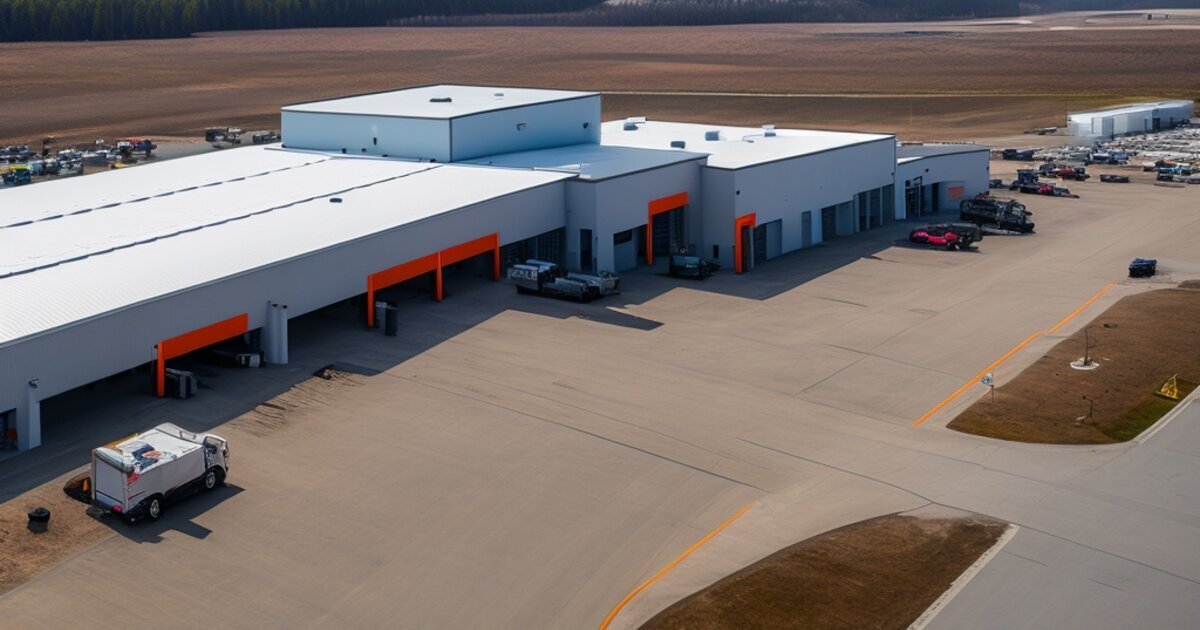
Airport hangars present a unique combination of challenges for protective coating systems. The sheer scale of these structures, combined with exposure to aviation fuels, hydraulic fluids, de-icing chemicals, and extreme temperature swings, demands coating solutions engineered for performance rather than appearance alone. Facility managers responsible for aviation maintenance environments need to understand the specific requirements that separate adequate hangar coatings from systems that will fail prematurely.
Quick Answer
Airport hangar coatings must be selected for chemical resistance, aircraft traffic, fire-safety requirements, and long service life under demanding maintenance conditions. Most facilities need a system that combines properly prepared concrete or steel, a high-performance epoxy or specialty resin base, and a topcoat matched to aviation fluids, UV exposure, and cleaning practices.
Key Takeaways
| Requirement | Practical Implication |
|---|---|
| Fuel and hydraulic-fluid exposure | Match the coating to Jet-A, Skydrol, solvents, and de-icing chemicals used on site. |
| Heavy mechanical loads | Specify systems that resist aircraft jacks, tow tractors, abrasion, and impact. |
| Fire safety | Verify ASTM, UL, FAA, and NFPA-aligned requirements before approval. |
| Surface preparation | Require concrete profile and steel cleanliness standards in the specification. |
| Lifecycle planning | Budget annual inspections and spot repairs in high-traffic zones. |
Key Concepts
Understanding the Hangar Environment
Before selecting any coating system, it is essential to catalog the specific exposures a hangar will face. No two aviation facilities are identical, and a coating system that performs well in a general aviation hangar may be inadequate for a heavy maintenance, repair, and overhaul (MRO) facility.
Chemical Exposure Profiles
Aviation hangars routinely encounter jet fuel (Jet-A, JP-8), Skydrol hydraulic fluid, MEK and acetone solvents, glycol-based de-icing fluids, and alkaline cleaning agents. Each of these chemicals attacks coating systems differently. Skydrol, for instance, is notorious for degrading standard epoxy coatings that would otherwise perform well in a general industrial environment. A proper chemical resistance matrix, matched to the specific fluids used in the facility, is the starting point for any coating selection process.
Mechanical and Thermal Demands
Hangar floors must withstand point loads from aircraft jacks and landing gear, abrasion from tow tractors and ground support equipment, and thermal shock from engine run-ups near bay doors. Wall and ceiling coatings face a different set of stresses, including condensation cycling, vibration from overhead cranes, and occasional impact from maintenance platforms.
Floor Coating Systems for Hangars
Hangar floor coatings must balance chemical resistance, mechanical durability, and slip resistance. The most common high-performance systems fall into three categories.
Novolac Epoxy Systems
Novolac epoxies offer superior chemical resistance compared to standard bisphenol-A formulations. They are the go-to choice for MRO facilities where Skydrol and aggressive solvents are present daily. Typical installations include a primer coat, one or two build coats, and a topcoat, achieving a total dry-film thickness of 20 to 40 mils depending on the level of chemical exposure.
Polyurethane and Polyaspartic Topcoats
Where UV stability and color retention matter, such as customer-facing FBO hangars, a polyurethane or polyaspartic topcoat over an epoxy base provides the best combination of chemical resistance and aesthetics. These topcoats also cure faster than traditional epoxies, reducing downtime during application.
Methyl Methacrylate (MMA) Systems
MMA coatings cure in as little as one to two hours, even at temperatures near freezing. For hangars that cannot tolerate extended shutdowns, MMA systems offer a practical alternative, though they carry a higher material cost and require careful ventilation during application due to strong odors.
Wall, Ceiling, and Structural Steel Coatings
Hangar walls and ceilings face less chemical exposure than floors but must still contend with humidity, condensation, and the corrosive effects of salt-laden air in coastal locations.
Structural Steel Protection
Exposed structural steel in hangars requires a corrosion-protection system rated for the facility’s environmental classification. In coastal or high-humidity environments, a three-coat system consisting of an inorganic zinc primer, an epoxy intermediate coat, and a polyurethane topcoat provides long-term protection with minimal maintenance. Inland facilities with lower corrosion risk may specify a two-coat system to reduce initial costs.
Interior Wall Coatings
High-build epoxy wall coatings provide a cleanable, impact-resistant surface that stands up to the daily wear of a maintenance environment. Light-reflective finishes on walls and ceilings improve visibility and reduce lighting energy costs, an increasingly important consideration as facilities pursue sustainability targets.
Fire Safety and Code Compliance
Aviation hangars are classified as high-hazard occupancies under most building codes, and coating systems must comply with strict fire safety requirements.
Intumescent Fire Protection
Structural steel in hangars often requires intumescent fireproofing coatings that expand when exposed to heat, forming an insulating char layer that protects the steel from reaching critical temperatures. These coatings must be tested and listed to ASTM E119 or UL 263 standards and applied by certified applicators.
FAA and NFPA Requirements
FAA Advisory Circulars and NFPA 409 (Standard on Aircraft Hangars) establish requirements for fire suppression, ventilation, and material flammability in hangar environments. Coating systems must be compatible with foam suppression systems and must not contribute to flame spread. Facility managers should verify that any proposed coating carries the appropriate fire-rating certifications before approving installation.
Surface Preparation in Hangar Environments
The performance of any hangar coating system depends entirely on the quality of surface preparation. Concrete floors in new construction should receive diamond grinding or shot blasting to achieve a minimum concrete surface profile (CSP) of 3 to 5, as defined by the International Concrete Repair Institute. Existing floors with previous coatings require adhesion testing to determine whether the old system can serve as a base or must be removed entirely.
Steel surfaces should be prepared to SSPC-SP 10 (near-white blast) or SP 5 (white-metal blast) depending on the primer system specified. In operational hangars where abrasive blasting is impractical, wet abrasive blasting or ultra-high-pressure water jetting can achieve equivalent cleanliness standards with less dust generation.
Maintenance Planning and Lifecycle Costs
A well-selected and properly applied hangar coating system should deliver 10 to 15 years of service on floors and 15 to 20 years on walls and structural steel before a full recoat is required. However, high-traffic areas near hangar doors and maintenance bays will wear faster and may need spot repairs on a three- to five-year cycle.
Facility managers should establish a condition-assessment schedule that includes annual visual inspections, adhesion testing in high-wear zones, and dry-film thickness measurements at representative locations. Documenting these inspections creates the data needed to plan maintenance budgets accurately and avoid the cost of emergency repairs.
Selecting a Qualified Contractor
Hangar coating projects require contractors with documented experience in aviation environments. Key qualifications to verify include SSPC QP 1 or QP 2 certification, experience with the specific coating manufacturers being specified, familiarity with FAA and NFPA hangar requirements, and the ability to work within the security and scheduling constraints of an active airfield.
Choosing the right coating system and the right application team protects a facility’s most valuable assets while minimizing the lifecycle cost of maintaining a safe, compliant, and operationally efficient hangar environment.
Facility Manager Checklist
- Catalog chemical exposure profiles: Document all aviation fluids present including jet fuel, Skydrol, and de-icing chemicals before specifying coatings.
- Specify novolac epoxy for MRO facilities: Use novolac formulations where aggressive solvents and hydraulic fluids are present daily.
- Verify fire-rating certifications: Confirm coating systems carry appropriate ASTM E119 or UL 263 intumescent fireproofing ratings.
- Require SSPC surface preparation: Ensure concrete floors achieve CSP 3-5 and steel surfaces meet SSPC-SP 10 or SP 5 standards.
- Plan for thermal shock resistance: Specify floor coatings near engine run-up areas that can withstand localized heating from APU exhaust.
- Establish annual condition assessments: Schedule visual inspections, adhesion testing, and dry-film thickness measurements for maintenance planning.
- Verify contractor aviation qualifications: Require SSPC QP 1 or QP 2 certification and documented experience with FAA and NFPA hangar requirements.
Frequently Asked Questions
What coating is best for aircraft hangar floors?
For MRO hangars with hydraulic-fluid and solvent exposure, novolac epoxy systems are often the strongest choice. FBO or customer-facing hangars may use an epoxy base with a polyurethane or polyaspartic topcoat for better UV stability and appearance.
How long should hangar floor coatings last?
A properly prepared and applied hangar floor coating can often provide 10 to 15 years of service, with spot repairs needed sooner in doorways, maintenance bays, and other high-traffic areas.
Do hangar coatings need special fire ratings?
Yes. Hangar coatings may need to comply with fire-safety requirements tied to structural steel protection, flame spread, foam suppression compatibility, and NFPA 409. Requirements should be verified during specification.