Artificial intelligence is no longer a distant concept for the commercial painting industry. From automated surface analysis to predictive maintenance scheduling, AI-driven tools are giving facility managers and coating contractors measurable advantages in cost control, quality assurance, and project planning. Understanding where the technology stands today, and where it is headed, helps decision-makers separate genuine value from hype.
Quick Answer
AI helps commercial painting teams improve inspection accuracy, forecast coating maintenance needs, schedule around weather and facility constraints, and produce stronger compliance documentation. Facility managers get the most value by starting with one measurable use case, such as predictive maintenance or automated quality inspection, rather than adopting every available tool at once.
Key Takeaways
- AI vision systems can identify surface defects and coating inconsistencies earlier than manual inspection alone.
- Predictive analytics help replace fixed recoating calendars with maintenance schedules based on actual condition data.
- Smart scheduling tools reduce weather delays by matching coating requirements to real-time environmental windows.
- Digital documentation improves warranty, compliance, and audit readiness.
- AI should support experienced painters and inspectors, not replace field judgment.
Key Concepts
How AI Is Reshaping Surface Preparation and Inspection
Surface preparation has always been the most labor-intensive phase of any commercial painting project. AI-powered inspection systems now use high-resolution cameras and machine-learning algorithms to evaluate substrate conditions before a single coat of primer is applied.
Automated Surface Profiling
Traditional surface profiling relies on manual tools such as replica tape and comparators. AI vision systems can scan large areas of steel, concrete, or masonry in a fraction of the time, producing a digital surface-profile map that highlights areas requiring additional blasting or grinding. This reduces the guesswork involved in surface preparation and creates a documented baseline for warranty and compliance purposes.
Defect Detection During Application
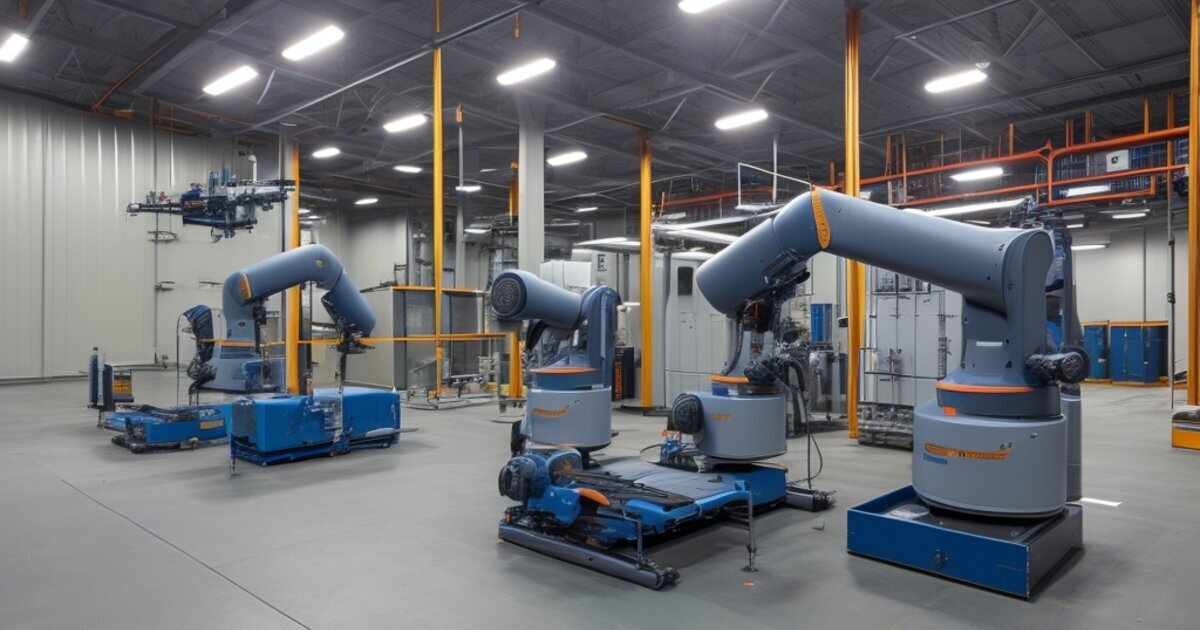
Real-time monitoring cameras positioned on scaffolding or robotic arms can identify coating defects, such as runs, sags, holidays, and dry-film thickness inconsistencies, while the work is still in progress. Early detection means corrections happen on the same shift rather than during a costly callback weeks later.
Predictive Analytics for Coating Maintenance
One of the highest-value applications of AI for facility managers is predictive coating failure analysis. Rather than relying solely on calendar-based recoating schedules, AI platforms ingest data from environmental sensors, historical maintenance records, and visual inspections to forecast when a coating system will begin to degrade.
Data Inputs That Drive Accuracy
Predictive models become more reliable as they incorporate more data points. Common inputs include UV exposure hours, humidity and temperature cycling logs, chemical exposure records, and periodic adhesion-test results. Over time, the model learns which environmental patterns accelerate failure on specific coating chemistries, giving facility managers the ability to schedule maintenance during planned shutdowns rather than reacting to emergencies.
Return on Investment
Facilities that have adopted predictive coating analytics report measurable reductions in unplanned maintenance costs. By recoating only when data supports the need, rather than on an arbitrary five- or seven-year cycle, organizations avoid both premature spending and the far more expensive consequence of waiting too long.
Smart Project Scheduling and Resource Allocation
AI scheduling tools analyze weather forecasts, crew availability, material lead times, and facility operating schedules to recommend optimal project windows. For facility managers coordinating coating work across multiple buildings or campuses, this eliminates much of the manual back-and-forth that traditionally delays project kickoff.
Weather Window Optimization
Coating application is highly sensitive to temperature, humidity, and dew point. AI scheduling platforms pull hyper-local weather data and cross-reference it against the application windows specified by coating manufacturers. The result is a project timeline that minimizes weather-related delays and reduces the risk of applying coatings outside of recommended conditions.
Crew and Equipment Matching
Machine-learning algorithms can match crew skill sets and equipment inventories to the specific requirements of each project phase. A structural steel recoating project, for example, demands different certifications and equipment than an interior epoxy floor installation. Automated matching helps contractors deploy the right team without over- or under-staffing.
Quality Documentation and Compliance
Regulatory compliance and warranty documentation have historically been paper-heavy processes prone to gaps and inconsistencies. AI-powered documentation platforms consolidate inspection photos, environmental readings, batch numbers, and dry-film thickness measurements into a single auditable record.
Digital Twin Integration
Some facilities are integrating coating condition data into building information models or digital twins. This creates a living record of every coated surface in a facility, complete with product specifications, application dates, and condition assessments. When it comes time to plan a recoating project, the digital twin provides the historical context that eliminates redundant inspections.
Automated Reporting
AI tools can generate compliance reports formatted to meet SSPC, NACE, or OSHA documentation requirements. This reduces the administrative burden on project managers and ensures that nothing falls through the cracks during audits.
Practical Considerations for Adoption
Adopting AI technology does not require a facility manager to overhaul existing workflows overnight. The most successful implementations start with a single high-value use case, such as predictive maintenance on a critical asset, and expand from there.
Evaluating Vendors
When evaluating AI-enabled painting technology vendors, facility managers should ask about data ownership, integration with existing facility management software, and the training required for on-site staff. A platform that requires proprietary hardware or locks data behind restrictive licensing terms may create long-term cost and flexibility problems.
The Human Element
AI augments skilled labor rather than replacing it. Experienced painters and inspectors provide the contextual judgment that algorithms cannot replicate. A coating inspector who notices an unusual odor near a chemical storage area, for example, will flag a potential compatibility issue that a camera system would miss entirely. The most effective deployments treat AI as a tool that amplifies human expertise.
Facility Manager Checklist
- Evaluate predictive maintenance platforms: Assess AI tools that forecast coating failure using environmental sensor data and maintenance records.
- Request automated inspection capabilities: Verify contractors use AI vision systems for real-time defect detection during application.
- Confirm digital documentation standards: Ensure inspection photos, environmental readings, and batch numbers are consolidated into auditable digital records.
- Assess weather-window optimization: Require AI scheduling tools that cross-reference hyper-local weather forecasts with manufacturer application specifications.
- Verify data ownership and integration: Confirm who owns the data and whether the platform integrates with existing facility management software.
- Establish baseline measurement protocols: Set up pre-installation surface sampling to objectively measure AI-predicted improvements.
- Start with a single high-value use case: Begin with one critical asset before expanding AI adoption across the facility portfolio.
Looking Ahead
The commercial painting industry is still in the early stages of AI adoption, but the trajectory is clear. As sensor costs decline and data sets grow, predictive models will become more accurate, inspection tools will become more portable, and scheduling platforms will become more intuitive. Facility managers who begin building familiarity with these tools now will be better positioned to capture their full value as the technology matures.
Frequently Asked Questions
Can AI predict exactly when a coating will fail?
No. AI tools provide risk forecasts based on inspection data, environmental exposure, and maintenance history. They improve planning accuracy, but final decisions should still include field inspection and coating-specialist review.
Is AI inspection accepted for warranty documentation?
AI-generated records can strengthen warranty documentation when they include photos, timestamps, environmental readings, and dry-film thickness data. Facility managers should confirm that the coating manufacturer and contractor accept the documentation format before the project starts.
What is the best first AI use case for a facility manager?
Predictive maintenance is often the best starting point for large facilities because it links directly to budget planning, shutdown scheduling, and asset-life extension.
Standards & Sources
Related Reading
- Drone Painting Technology for Commercial Facilities
- Robotic Painting Systems for Commercial Buildings
- Smart Coatings and IoT Monitoring
- Automation and Robotics in the Painting Industry
- Nanotechnology in Commercial Coatings
For organizations managing large coating inventories across multiple facilities, AI represents a practical path toward longer asset life, lower lifecycle costs, and more reliable project outcomes. The key is to start with clearly defined objectives, measure results rigorously, and scale only what delivers proven value.