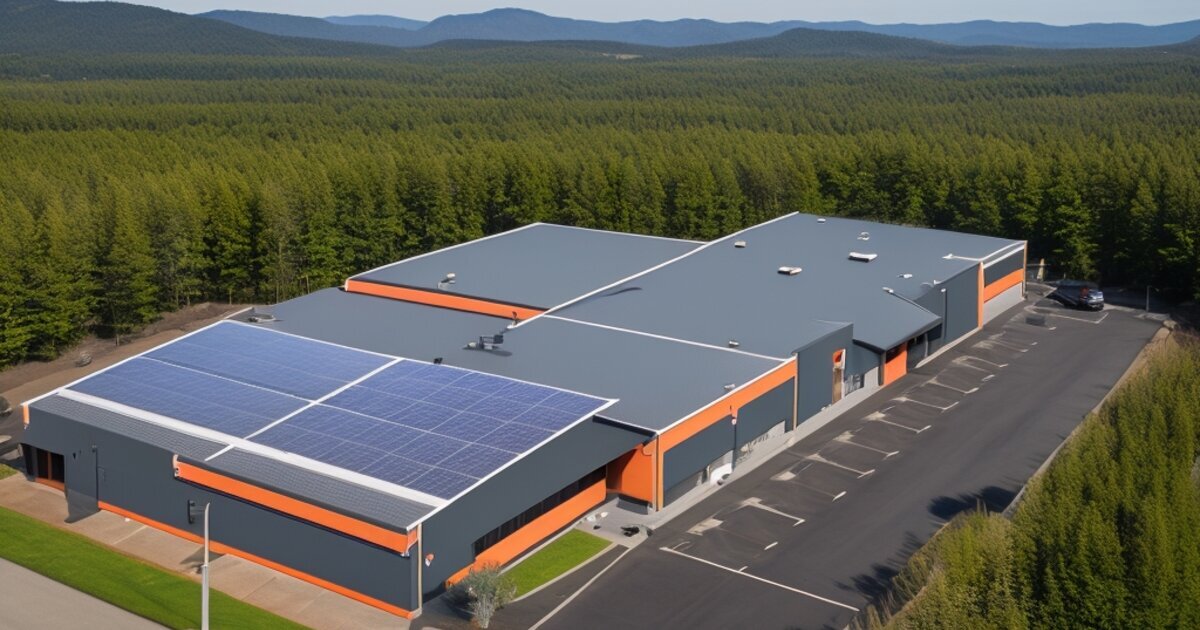
Facility managers, sustainability officers, and architects are under increasing pressure to reduce the embodied carbon of every material that enters a building. Coating systems are no exception. While paints and protective coatings represent a small fraction of total building mass, their carbon intensity per kilogram is significant, and frequent repainting multiplies lifetime impact. A cradle-to-gate analysis — assessing emissions from raw material extraction through manufacturing and delivery — provides the data needed to make lower-carbon procurement decisions without sacrificing performance.
Quick Answer
The lowest-carbon coating system is not always the product with the lowest emissions per liter. Facility managers should compare cradle-to-gate Global Warming Potential (GWP), coverage rate, required film thickness, number of coats, transportation distance, packaging, and expected service life. In most commercial buildings, a durable system that lasts longer and avoids extra repaint cycles delivers the best carbon outcome.
Key Takeaways
- Compare coatings by installed carbon per square foot, not just carbon per gallon or liter.
- Require product-specific EPDs when available and normalize all data to the same functional unit.
- Prioritize durability in high-wear, exterior, roof, and chemically exposed environments.
- Use low-VOC or zero-VOC systems as a starting point, then verify embodied carbon and coverage.
- In hot Southwest climates, cool roof coatings can offset embodied carbon through HVAC energy savings.
Key Concepts
Cradle-to-Gate vs. Cradle-to-Grave
Cradle-to-gate covers everything before the product leaves the factory gate: raw material extraction, processing, formulation, packaging, and transportation. For coatings, this captures the carbon embodied in the can.
Cradle-to-grave extends the boundary to include application, maintenance, and disposal. While the full lifecycle picture is valuable, cradle-to-gate is the most actionable boundary for procurement because it isolates manufacturing decisions that manufacturers control and that specifiers can compare directly through Environmental Product Declarations (EPDs). It also avoids variability from regional climate, application techniques, and maintenance practices.
Major Carbon Contributors in Coating Systems
The embodied carbon of a coating system is driven by four primary factors.
Raw Material Extraction
Petrochemical-derived binders and solvents are carbon-intensive feedstocks. Titanium dioxide (TiO2), the dominant white pigment in coatings, is particularly energy-intensive to produce. The sulfate and chloride processes used to refine TiO2 require high temperatures and significant electricity, resulting in cradle-to-gate emissions of approximately 4 to 6 kilograms of CO2 equivalent per kilogram of pigment.
Manufacturing Energy
Milling, dispersion, and temperature-controlled storage consume electricity and natural gas. Plants powered by fossil-fuel-heavy grids generate higher cradle-to-gate emissions than facilities using renewable energy.
Transportation
Liquid coatings are heavy and often shipped long distances. Water-based products contain up to 60 percent water by weight, increasing transportation emissions per unit of dry film applied. Regional sourcing can meaningfully reduce this component.
Packaging
Metal cans, plastic pails, and cardboard all carry embodied carbon. Bulk delivery in reusable totes can cut packaging emissions by 30 to 50 percent on large commercial projects.
Comparing Carbon Profiles: Solvent-Based, Water-Based, and Bio-Based
Not all coatings carry the same carbon burden.
Solvent-based coatings typically have the highest cradle-to-gate carbon intensity per liter because their petrochemical solvent content is high. However, they often achieve higher solids content by volume, meaning fewer liters are required to achieve the same dry film thickness. The net carbon impact per square foot depends on spread rate and the number of coats required.
Water-based coatings eliminate most petroleum-derived solvents, reducing both feedstock carbon and the photochemical reactivity associated with VOCs. The trade-off is that they sometimes require more coats or longer drying times, which can increase application-phase energy use.
Bio-based coatings use renewable feedstocks such as plant oils and natural resins. In theory, these materials sequester atmospheric carbon during growth. In practice, the net benefit varies widely depending on land-use changes, agricultural inputs, and the percentage of bio-based content. A coating with 10 percent bio-based content will not deliver a meaningful carbon reduction compared with a well-formulated water-based alternative.
The Role of Volatile Organic Compounds
VOCs contribute to carbon footprint in two ways. Directly, many are petrochemical solvents whose extraction and refining carry embodied carbon. Indirectly, VOC emissions react with nitrogen oxides in sunlight to form ground-level ozone. While ozone creation is an air-quality issue rather than a direct greenhouse-gas effect, the energy-intensive remediation and health impacts create a societal carbon cost that sustainability-focused projects increasingly account for.
Low-VOC and zero-VOC formulations reduce both direct feedstock carbon and indirect environmental burdens. For green building projects, VOC limits are often the first filter applied, but they should not be the only one.
Coating Thickness and Coverage Rate
The most overlooked variable in coating carbon math is the relationship between material quantity and installed area. A high-carbon coating applied in a single coat may deliver a lower carbon footprint per square foot than a low-carbon coating requiring three coats.
Facility managers should calculate total embodied carbon per square foot using the formula:
Total carbon per sq ft = (kg CO2e per kg of coating × total kg required) ÷ total sq ft covered
Total kg required depends on dry film thickness, percent solids by volume, and application efficiency. Specifying a high-build coating that achieves protection in fewer coats often yields a lower total carbon footprint than selecting the product with the lowest carbon intensity per liter.
Extending Service Life as a Carbon Strategy
The fastest way to reduce coating-related carbon emissions is to extend the interval between recoats. Every repaint cycle repeats the cradle-to-gate emissions of the coating, plus the emissions associated with surface preparation, application equipment, scaffolding, and transportation of crews to the site.
A coating system that lasts fifteen years instead of seven avoids nearly half of the lifetime material and application emissions. When evaluating options, compare the expected service life in the actual service environment, not just the laboratory rating. A premium epoxy-urethane system in a warehouse may cost more upfront but cut lifetime carbon by 40 to 50 percent compared with repainting every five years with a lower-grade product.
Cool Roof Coatings: Operational Carbon Savings
Cool roof coatings demonstrate how cradle-to-gate thinking must connect to operational carbon. Acrylic cool roof coatings do carry embodied carbon from petrochemical binders, TiO2, and transportation. However, their ability to reflect solar radiation and reduce roof surface temperatures by 50 to 60 degrees Fahrenheit can cut cooling energy demand by 10 to 30 percent.
In cooling-dominated climates, the operational carbon saved through reduced HVAC energy use typically exceeds the embodied carbon of the coating within the first one to three years of service. This makes cool roof coatings a net-negative-carbon investment over their lifecycle, provided they are maintained and not prematurely replaced.
How to Read an Environmental Product Declaration
An Environmental Product Declaration (EPD) is a third-party-verified document that reports the lifecycle environmental impacts of a product using standardized metrics. For coatings, the relevant standard is ISO 14025 and the product category rules (PCRs) for architectural and industrial coatings.
When reading an EPD, focus on these key data points:
- Global Warming Potential (GWP): Measured in kilograms of CO2 equivalent per functional unit (usually per liter or per kilogram of coating). This is the headline number for carbon comparison.
- Functional unit: Verify whether the EPD reports per liter, per kilogram, or per square meter at a specified dry film thickness. Comparisons are only valid when normalized to the same functional unit.
- System boundary: Confirm that the EPD uses a cradle-to-gate boundary so you are not comparing manufacturing emissions against full lifecycle data from a different product.
- Declared unit vs. declared product: Some EPDs are industry-average declarations that cover a broad product family. Product-specific EPDs provide more accurate data for the exact SKU you are specifying.
- Renewable content and biogenic carbon: Look for transparency about how bio-based ingredients are accounted for. Credible EPDs disclose whether biogenic carbon is included or excluded from the GWP total.
LEED and WELL Credits for Low-Carbon Coatings
Coatings intersect with several green building credits.
LEED v4.1 BD+C and O+M: The Low-Emitting Materials credit (EQ Credit) requires paints and coatings to meet VOC content limits, which indirectly favors lower-carbon formulations. The Building Product Disclosure and Optimization credits reward the use of products with EPDs, particularly product-specific EPDs that offer higher points than industry-average declarations.
WELL v2: The Materials concept includes restrictions on VOC emissions and requires transparency through product disclosures. While WELL does not assign points directly for embodied carbon, the emphasis on material health and transparency aligns with low-carbon procurement.
Practical Guidance for Specifying Lower-Carbon Systems
Facility managers and architects can take several practical steps to reduce the embodied carbon of coating specifications.
- Specify EPDs. Require that coating manufacturers provide third-party-verified EPDs for the exact products being proposed. Compare GWP on a consistent functional unit.
- Optimize for coverage, not just chemistry. A coating with slightly higher cradle-to-gate emissions that covers more square feet per gallon at the required film thickness may deliver a lower total carbon footprint.
- Prioritize durability in demanding environments. In high-traffic, exterior, or chemically exposed areas, specify systems with proven long service lives. The avoided repaint emissions almost always outweigh marginal differences in material carbon intensity.
- Source regionally. Transportation is a meaningful share of coating carbon. Specifying products manufactured within 500 miles of the project site can reduce delivery emissions significantly.
- Consider bulk packaging. For large projects, specify coatings delivered in reusable totes or bulk tanks rather than individual cans to cut packaging waste and its associated carbon.
- Integrate cool roof logic. On low-slope roofs in hot climates, specify reflective coatings that will pay back their embodied carbon quickly through operational energy savings.
Frequently Asked Questions
What is the best way to compare coating carbon footprints?
Compare coatings on an installed basis: kilograms of CO2e per square foot at the required dry film thickness. This accounts for coverage rate, solids content, number of coats, and application efficiency instead of relying on a product-only GWP number.
Are water-based coatings always lower carbon than solvent-based coatings?
Not always. Water-based coatings usually reduce solvent-related emissions and VOC impact, but the final comparison depends on how many coats are required, how long the system lasts, and whether a higher-solids solvent-based system covers more area with less material.
How does service life affect embodied carbon?
Service life is often the largest controllable factor. A coating system that lasts fifteen years instead of seven can avoid an entire repaint cycle, reducing material, surface preparation, labor, equipment, and transportation emissions over the asset lifecycle.
Standards & Sources
Related Reading
- LEED-Certified Building Painting Requirements
- Zero-VOC and Sustainable Coating Systems
- Cool Roof Coating Application and Benefits
- Eco-Friendly Painting Practices
- Office Building Energy-Efficient Coatings
Facility Manager Checklist
- Require third-party-verified EPDs: Demand Environmental Product Declarations for the exact product SKU being specified.
- Compare GWP on consistent functional units: Normalize cradle-to-gate data per liter, per kilogram, or per square meter at specified dry film thickness.
- Calculate total carbon per square foot: Account for required coats, coverage rate, and application efficiency in the comparison.
- Prioritize durability as carbon strategy: Specify systems with proven 15-year service life to avoid repeated cradle-to-gate emissions from frequent recoating.
- Source regionally when possible: Select products manufactured within 500 miles to reduce transportation-related carbon.
- Specify bulk packaging for large projects: Use reusable totes or bulk tanks instead of individual cans to cut packaging emissions.
- Verify cool roof operational savings: Confirm building energy simulations show HVAC carbon savings exceeding coating embodied carbon within 1-3 years.
Conclusion
Embodied carbon in coating systems is not an abstract sustainability metric. It is a procurement variable that facility managers can measure, compare, and optimize. By focusing on cradle-to-gate data from EPDs, calculating carbon per square foot rather than per liter, and valuing durability as a carbon reduction strategy, organizations can make coating decisions that support green building certifications, reduce lifecycle emissions, and maintain the protective performance the building requires.