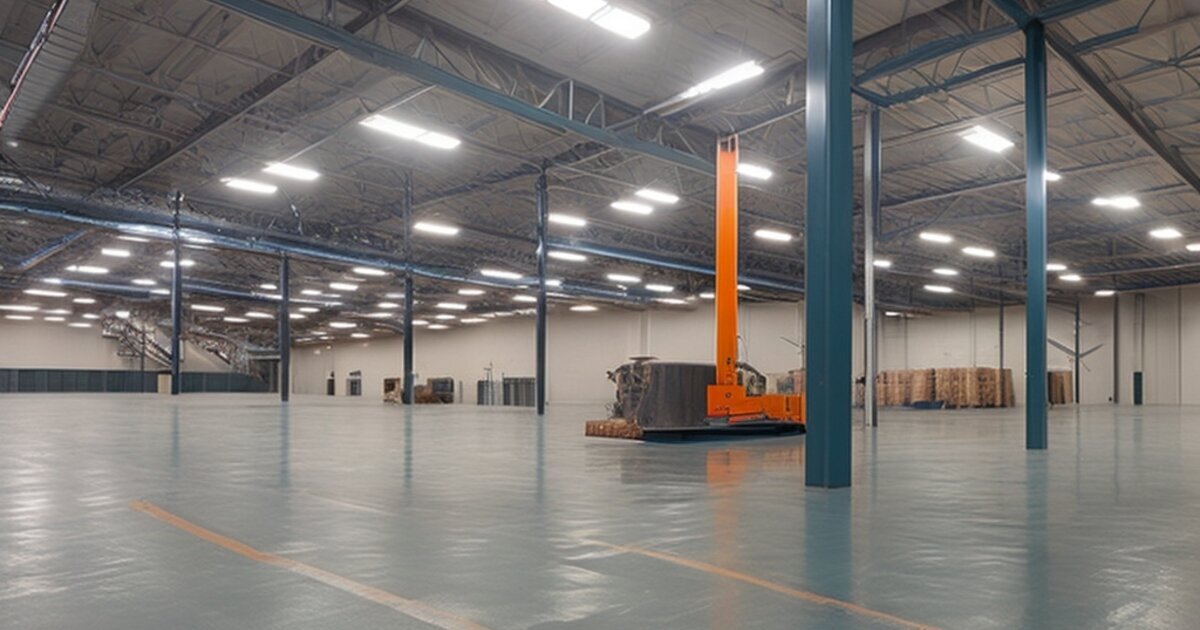
Water treatment plants are among the most demanding environments for protective coatings. In the Southwest, water scarcity drives intense infrastructure utilization while extreme temperature swings accelerate material degradation. Coating selection directly impacts public health, regulatory compliance, and operational budgets.
This guide examines critical coating systems for potable water treatment facilities, with emphasis on NSF/ANSI 61 compliance, substrate-specific requirements, and long-term performance in arid climates.
Quick Answer
Water treatment plant coatings must be selected by service zone, not by a single facility-wide product. Potable water tanks need verified NSF/ANSI 61 immersion systems, clarifiers require abrasion- and chemical-resistant coatings, pipe galleries need moisture-tolerant corrosion protection, and chemical rooms often call for novolac epoxy or vinyl ester systems matched to the stored chemicals.
Treatment Facility Coating Selection Table
| Facility Area | Main Exposure | Recommended Coating Direction | Key Verification Step |
|---|---|---|---|
| Potable water tank interior | Continuous drinking-water immersion | NSF/ANSI 61-certified high-build epoxy or approved lining | Confirm listing for the exact end-use category |
| Clarifier or basin | Immersion, abrasion, chemical dosing | Epoxy, polyurethane, novolac epoxy, or vinyl ester as exposure requires | Check chemical resistance and abrasion requirements |
| Pipe gallery or valve vault | Condensation, thermal cycling, corrosion | Moisture-tolerant epoxy or flexible epoxy/urethane system | Verify adhesion under expected humidity conditions |
| Chemical room containment | Acid, caustic, oxidizer, spill exposure | Vinyl ester or novolac epoxy system | Match product data to stored chemical concentrations |
Quick Answer
Water treatment plant coatings must be selected by asset type: NSF/ANSI 61-listed systems for potable water contact, immersion-grade systems for tanks and clarifiers, and chemical-resistant coatings for feed rooms, containment, and pipe galleries. Success depends on verified certification, proper surface preparation, confined space controls, cure validation, and quality testing such as film thickness and holiday detection. Coordinate specifications with the utility engineer, product manufacturer, and applicable public health requirements before work begins.
Quick Answer
Water treatment plant coatings must be selected by asset type: NSF/ANSI 61-listed systems for potable water contact, immersion-grade systems for tanks and clarifiers, and chemical-resistant coatings for feed rooms, containment, and pipe galleries. Success depends on verified certification, proper surface preparation, confined space controls, cure validation, and quality testing such as film thickness and holiday detection. Coordinate specifications with the utility engineer, product manufacturer, and applicable public health requirements before work begins.
Water Treatment Plant Coating Requirements
NSF/ANSI 61 Compliance for Potable Water Systems
Any coating that contacts drinking water must carry NSF/ANSI 61 certification, which establishes health effects requirements for chemical contaminants coatings may impart. Specifying non-certified products creates liability exposure that can trigger regulatory enforcement and public health advisories.
The certification process tests for regulated metals, volatile organic compounds, and other contaminants. Not all epoxy formulations pass. Contractors must verify certification status for the specific product lot and confirm the manufacturer’s NSF listing covers the intended end use — tank interiors, pipe linings, and fittings each carry distinct categories.
In the Southwest, source water chemistry varies between surface water, groundwater, and reclaimed sources. High mineral content and aggressive disinfection can accelerate leaching from non-compliant systems. See our coating selection guide for matching systems to environmental demands.
Tank Interior Coatings
Potable water storage tanks represent the final barrier between treatment and distribution. Coating failure introduces corrosion into the drinking water stream and can compromise structural integrity. Three technologies dominate:
Epoxy systems remain the standard for steel and concrete tanks. 100% solids and high-build formulations provide barrier protection and chemical resistance to chloramines and chlorine residuals. Application typically requires abrasive blasting to near-white metal (SSPC-SP 10) or equivalent concrete preparation, with multiple coats achieving 10–20 mils dry film thickness.
Polyurethane topcoats are specified over epoxy primers in tanks with UV exposure, such as open reservoirs. Not all polyurethanes carry NSF/ANSI 61 certification for immersion service, so engineers must verify system-level certification.
Cementitious linings protect concrete substrates from carbonation, chloride intrusion, and freeze-thaw damage — particularly relevant in higher-elevation Southwestern facilities.
Our commercial tank inspection guide outlines protocols for evaluating coating condition and determining whether repair or full recoat is appropriate.
Clarifier and Basin Coatings
Clarifiers and sedimentation basins operate under continuous immersion with high particulate loads, chemical dosing, and mechanical agitation. Water chemistry is actively manipulated — coagulants, pH adjusters, and polymers create dynamic chemical exposure that can exceed the demands of potable storage.
Epoxy and polyurethane systems dominate, with selection driven by specific chemicals. Aluminum sulfate (alum) and ferric chloride are both acidic and corrosive to steel. Aggressive chemical environments may require novolac epoxy or vinyl ester systems.
Abrasion resistance is critical. Sludge rakes and bottom-sweep mechanisms create mechanical wear that pure barrier coatings cannot withstand. Clarifier floor systems should incorporate abrasion-resistant fillers or be paired with concrete toppings in high-wear zones.
Contractors must demonstrate experience with OSHA confined space and safety compliance in active treatment facilities, where hydrogen sulfide and oxygen-deficient atmospheres are realistic hazards.
Chemical Room and Pipe Gallery Protection
Chemical storage and feed areas require coatings that resist concentrated acid and caustic exposure, vapor-phase corrosion, and spill containment. NSF/ANSI 61 compliance is not required here, but chemical resistance is paramount.
Vinyl ester coatings provide superior resistance to strong acids, oxidizing chemicals, and solvents. These cross-linked films outperform standard epoxy in aggressive environments and are the standard for containment curbs and secondary containment.
Novolac epoxies offer a middle ground — better chemical resistance than standard bisphenol-A epoxy with easier application than vinyl ester. They suit pipe galleries and valve vaults with moderate chemical vapor exposure.
Pipe galleries in Southwestern facilities face extreme temperature differentials. Summer temperatures can exceed 120°F while winter nights drop below freezing. Thermal cycling stresses adhesion and can crack rigid films. Flexible epoxy or polyurethane-modified formulations perform better.
For municipalities managing coating work across facility types, our municipal building painting guide addresses procurement and scheduling.
Standards & Sources
Related Reading
- Commercial Tank Inspection
- OSHA Compliance Guide for Commercial Painting
- Municipal Government Building Painting
- Commercial Painting Warranties
- Coating Selection Guide
Facility Manager Checklist
Before initiating a coating project at your water treatment facility, confirm the following:
- All potable water contact coatings carry current NSF/ANSI 61 certification for the intended end-use category
- Surface preparation aligns with manufacturer requirements (SSPC-SP 10 for steel, ICRI CSP 3–5 for concrete)
- Contractor holds active confined space, lead abatement (if applicable), and respiratory protection certifications
- Schedule accommodates operational constraints — dewatering windows, demand peaks, and sampling calendars
- Quality assurance includes wet film thickness checks, holiday detection, and adhesion testing per ASTM D4541 or D7234
- Warranty terms are documented with clear coverage scope, exclusions, and claims procedures
- Spill containment and environmental protection measures are in place for debris, overspray, and solvent cleanup
For guidance on evaluating and negotiating coating warranties, refer to our overview of commercial painting warranties.
Frequently Asked Questions
Do all water treatment plant coatings need NSF/ANSI 61 certification?
No. NSF/ANSI 61 is required for coatings that contact potable water, such as tank interiors and certain pipe linings. Chemical rooms, exterior steel, and non-potable process areas may require chemical resistance instead of potable-water certification.
How should a utility choose between epoxy and vinyl ester coatings?
Use NSF-certified epoxy for most potable immersion and standard basin work. Use vinyl ester or novolac epoxy where strong acids, oxidizers, concentrated chemicals, or secondary containment exposures exceed standard epoxy limits.
What quality checks matter most during water plant coating work?
Surface preparation verification, wet and dry film thickness readings, holiday detection, adhesion testing, cure documentation, and product certification records are the most important checks for long-term performance and regulatory defensibility.
Protecting Public Infrastructure for the Long Term
Water treatment plant coatings are engineered protective systems that safeguard public health and control lifecycle maintenance costs. In Southwestern facilities — characterized by chemical aggression, thermal extremes, and zero-tolerance regulatory standards — coating specification determines whether infrastructure delivers decades of reliable service or requires premature intervention.
Municipal engineers should approach coating procurement with the same rigor applied to mechanical systems. Specify certified products, demand qualified surface preparation, verify contractor credentials, and build quality assurance into every phase.
Moorhouse Coating has completed coating projects for municipal water treatment facilities across Arizona and the Southwest. Our crews hold confined space certifications, understand NSF/ANSI 61 compliance, and work within the operational constraints of active treatment plants. If you are planning a tank recoat, clarifier rehabilitation, or chemical room upgrade, contact us to discuss your project requirements.
Related Reading
- Municipal Government Building Painting
- Commercial Painting Warranties
- OSHA Compliance Guide for Commercial Painting
- Industrial Coatings: A Complete Guide for 2025
- Quality Control Testing for Coating Projects
Frequently Asked Questions
Do all water treatment plant coatings need NSF/ANSI 61 certification?
No. NSF/ANSI 61 is required for coatings that contact potable water, such as tank interiors and certain pipe linings. Chemical rooms, exterior steel, and non potable process areas may require chemical resistance instead of potable water certification.
How should a utility choose between epoxy and vinyl ester coatings?
Use NSF certified epoxy for most potable immersion and standard basin work. Use vinyl ester or novolac epoxy where strong acids, oxidizers, concentrated chemicals, or secondary containment exposures exceed standard epoxy limits.
What quality checks matter most during water plant coating work?
Surface preparation verification, wet and dry film thickness readings, holiday detection, adhesion testing, cure documentation, and product certification records are the most important checks for long term performance and regulatory defensibility.
Frequently Asked Questions
Do all water treatment plant coatings need NSF/ANSI 61 certification?
Only coatings that contact potable water generally need NSF/ANSI 61 certification, and the certification must cover the specific product and intended end use. Chemical rooms, pipe galleries, and exterior assets may require different chemical, corrosion, or safety criteria instead of potable-water certification.
What coating systems are common in potable water tanks and clarifiers?
Potable tank interiors commonly use NSF/ANSI 61-listed high-build epoxy systems. Clarifiers and basins often use immersion-grade epoxy, polyurethane, novolac epoxy, or vinyl ester systems depending on chemical exposure, abrasion, and substrate condition. Final selection should follow the engineer's specification and manufacturer limits.
What should municipalities verify before recoating water infrastructure?
Verify coating certification, substrate condition, surface preparation standard, confined space procedures, ventilation, cure time, holiday detection, dry film thickness testing, sampling windows, and operational shutdown constraints. Public health and permit requirements should be coordinated with the utility and applicable regulators.