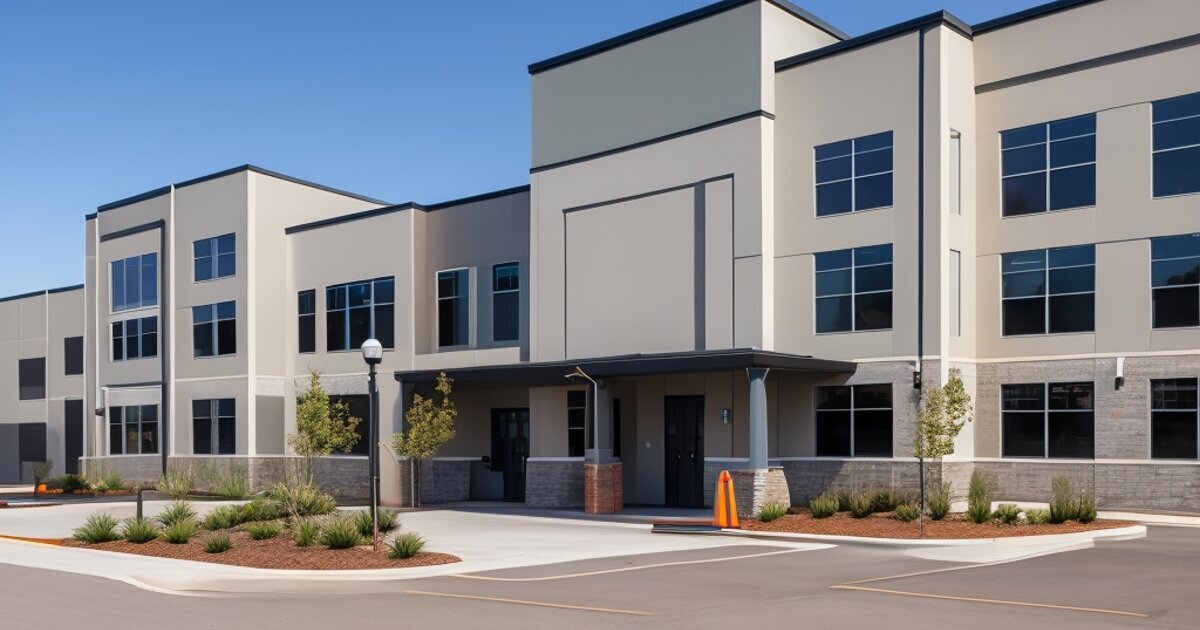
Self-storage facilities are a unique commercial painting market. The buildings feature high unit counts with repetitive elements, extensive metal surfaces vulnerable to corrosion, and roll-up doors that take abuse from tenants and weather. For facility owners and managers, painting is both a maintenance necessity and a revenue-protection strategy—well-maintained facilities command higher rents and better occupancy rates.
In the Southwest, self-storage facilities face additional challenges from intense UV, dust storms, and temperature extremes that accelerate coating degradation on metal surfaces. Facility managers who understand the specific requirements of storage facility painting can budget effectively and extend the interval between major maintenance cycles.
Quick Answer
Self-storage facility painting should prioritize exterior metal protection, roll-up door restoration, and fast interior unit turnover. In Southwest markets, specify direct-to-metal coatings, rust-inhibitive primers, high-contrast unit numbers, and phased scheduling that keeps tenant access open while addressing corrosion before it spreads.
Self-Storage Painting Decision Guide
| Area | Best Coating Approach | Facility Manager Priority |
|---|---|---|
| Exterior metal panels | DTM acrylic or urethane over rust-inhibitive primer | Stop UV fading and corrosion at seams, fasteners, and cut edges |
| Roll-up doors | Shop-applied enamel or DTM coating after repair | Restore curb appeal while confirming doors still operate smoothly |
| Vacant units | Low-odor latex in a standardized neutral color | Return units to rent-ready status within 48 hours |
| Hallways and markings | Scrubbable wall coatings and durable traffic paint | Improve wayfinding without disrupting occupied units |
Self-Storage Painting Priorities
The Self-Storage Painting Challenge
A typical self-storage facility contains hundreds or thousands of identical elements: roll-up doors, door frames, unit numbers, hallway walls, and exterior panels. This repetition creates economies of scale for painting contractors but also demands systematic execution to maintain consistency across the entire property.
High unit count. A medium-sized facility may have three hundred to five hundred units. Each unit has a door, frame, number, and interior walls. The painting scope is larger than the building footprint suggests.
Tenant access constraints. Unlike warehouses that can close for painting, storage facilities remain occupied. Tenants access units during business hours and often after hours. Work must proceed around tenant activity without blocking access or creating safety hazards.
Metal-dominant construction. Most self-storage facilities are steel buildings with metal panel exteriors, roll-up doors, and metal trim. These surfaces are vulnerable to corrosion, particularly at cut edges, fasteners, and bottom rails where moisture collects.
Exterior Painting and Corrosion Prevention
The exterior of a self-storage facility is its marketing face. Faded paint, rust stains, and damaged panels signal neglect to prospective tenants.
Metal panel preparation. Before painting, all metal surfaces must be inspected for corrosion. Remove rust with wire brushing, sanding, or abrasive blasting. Apply a rust-inhibitive primer to bare metal before topcoating. This step is critical—painting over rust without conversion or removal guarantees rapid failure.
Fastener and seam treatment. The thousands of screws and seams on a storage building are corrosion entry points. Treat each fastener head with rust-inhibitive primer. Seal horizontal seams with compatible sealant to prevent water intrusion.
Coating selection for metal. Specify direct-to-metal (DTM) acrylic or urethane coatings formulated for exterior metal. These products flex with thermal expansion, resist UV degradation, and provide long-term corrosion protection. Avoid standard latex house paints on metal—they lack adhesion and flexibility.
Color considerations. Light colors reduce thermal load on metal buildings and slow corrosion by reducing condensation cycles. White, beige, and light gray are standard for good reason. If brand colors require darker shades, specify high-performance coatings with enhanced UV resistance.
Roll-Up Door Restoration
Roll-up doors are the most abused element of any storage facility. They are dented by moving trucks, scraped by furniture, and exposed to weather at the bottom rail. Restoring doors is often the highest-impact improvement a painting project can deliver.
Door condition assessment. Inspect each door for:
- Dents and impact damage
- Rust on bottom rails and side tracks
- Failed or peeling paint
- Damaged or missing bottom seals
- Operational issues (binding, noisy operation)
Repair vs. replace. Minor dents can be filled and sanded. Severely damaged doors should be replaced. The cost of extensive repair often exceeds replacement, particularly for standard-sized doors.
Painting procedure. Remove doors to a workshop for proper preparation and coating. Clean thoroughly, sand rusted areas, apply rust-inhibitive primer, and finish with a high-quality enamel or DTM coating in the facility color. Spraying produces a factory-like finish superior to brushing or rolling.
Hardware and seals. Replace damaged or worn hardware, springs, and bottom seals during the restoration. Freshly painted doors with failing hardware look good but function poorly.
Interior Unit Painting
Interior painting in self-storage facilities occurs primarily during unit turnover—when a tenant vacates and the unit must be prepared for the next occupant.
Turnover painting scope. Between tenants, units typically require:
- Patching holes from tenant-installed hooks or shelving
- Cleaning walls and floors of residue
- Spot priming patched areas
- Applying a fresh coat of interior paint
Efficient execution. Develop a standardized turnover painting procedure that maintenance staff or contractors can execute quickly. A two-person crew should be able to prepare and paint a standard 10x10 unit in under two hours.
Product selection. Use economical, low-odor latex paint in a neutral color. Eggshell or satin sheen provides cleanability without excessive shine. Zero-VOC formulations allow units to be rented immediately after painting without odor concerns.
Hallway and common areas. Interior hallways, elevator lobbies, and stairwells require periodic maintenance painting. These areas see heavy traffic and should be painted with durable, scrubbable coatings. Schedule hallway painting during low-occupancy periods to minimize disruption.
Wayfinding and Unit Numbers
Clear unit numbering and wayfinding are operational necessities that also contribute to facility appearance.
Unit number restoration. Painted or vinyl unit numbers fade and peel over time. During exterior painting, remove old numbers, paint the door surface, and apply new numbers. Use high-contrast colors (black on light doors, white on dark doors) for visibility.
Wayfinding paint. Directional arrows, floor level markers, and traffic flow lines in hallways and drive aisles improve tenant experience. Use durable traffic paint or epoxy for floor markings that withstand cart and vehicle traffic.
Scheduling and Phasing
Storage facility painting requires careful scheduling to maintain tenant access and security.
Exterior painting. Schedule during business hours when management can redirect tenant traffic. Phase by building or facade to avoid closing entire sections. Post advance notice to tenants about temporary access changes.
Door restoration. Remove doors in batches—typically ten to twenty at a time—to a workshop. Secure affected units with temporary barriers and notify affected tenants. Complete restoration and reinstallation within forty-eight hours to minimize tenant inconvenience.
Interior turnover. Paint vacant units immediately after move-out, before the next tenant moves in. This keeps the unit rent-ready and prevents backlog.
Frequently Asked Questions
How often should a self-storage facility be repainted in the Southwest?
Most facilities need a full exterior repaint every 7-10 years, with annual rust touch-ups on fasteners, door bottoms, and exposed metal edges. Properties with dark colors or heavy sun exposure may need maintenance sooner.
Can roll-up doors be painted without removing them?
Yes, minor touch-ups can be completed in place, but full restoration is best done in controlled batches or off-site when possible. This allows better cleaning, rust treatment, spray finish quality, and hardware inspection.
What is the best paint for storage unit interiors?
A neutral, low-odor latex in eggshell or satin sheen works well for most units. Zero-VOC products help managers return units to service quickly without lingering odor complaints.
Related Reading
- Metal Building Painting in Southwest Industrial Parks
- Commercial Painting Costs
- Preventive Maintenance Schedule
- Contractor Selection: How to Choose the Right Commercial Painting Partner
- Phoenix Commercial Painting Guide
Facility Manager Checklist
- Inspect Exterior Annually: Walk the property to identify rust, faded paint, damaged panels, and seal failures before they spread.
- Treat Rust Immediately: Wire brush corroded areas, apply rust-inhibitive primer, and topcoat with DTM acrylic or urethane to stop under-film migration.
- Replace Bottom Door Seals: Install new weather seals during roll-up door restoration to prevent water intrusion and bottom rail corrosion.
- Use Direct-to-Metal Coatings: Specify DTM formulations on all exterior metal surfaces rather than standard latex to ensure adhesion and flexibility.
- Standardize Interior Colors: Maintain a stock of neutral, zero-VOC paint for quick unit turnover and consistent appearance across the facility.
- Restore Unit Numbers: Remove faded numbers during exterior painting and apply high-contrast replacements for visibility and professional appearance.
- Paint Vacant Units Immediately: Complete turnover painting within 48 hours of move-out to maximize rent-ready inventory and minimize revenue loss.
Self-storage facility painting is a volume business that rewards systematic execution and preventive maintenance. Facility managers who invest in regular exterior maintenance, proactive corrosion prevention, and efficient turnover painting protect their revenue and maintain the curb appeal that attracts tenants.
For self-storage facility painting that maintains your property’s appearance and your tenants’ satisfaction, contact Moorhouse Coating.
Frequently Asked Questions
How often should a self storage facility be repainted in the Southwest?
Most facilities need a full exterior repaint every 7 10 years, with annual rust touch ups on fasteners, door bottoms, and exposed metal edges. Properties with dark colors or heavy sun exposure may need maintenance sooner.
Can roll up doors be painted without removing them?
Yes, minor touch ups can be completed in place, but full restoration is best done in controlled batches or off site when possible. This allows better cleaning, rust treatment, spray finish quality, and hardware inspection.
What is the best paint for storage unit interiors?
A neutral, low odor latex in eggshell or satin sheen works well for most units. Zero VOC products help managers return units to service quickly without lingering odor complaints.