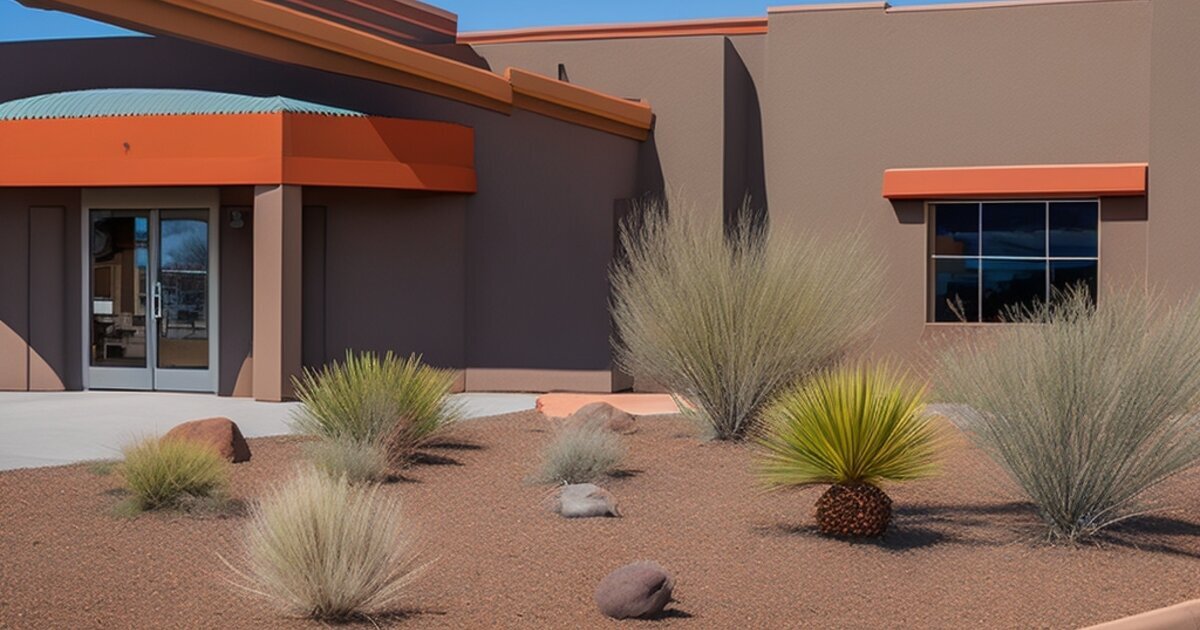
Santa Fe is not a market where generic commercial painting strategies succeed. At 7,200 feet above sea level, with a UNESCO-recognized historic district, centuries-old adobe construction, and some of the strictest design review standards in the Southwest, facility managers face a unique intersection of preservation mandates and modern performance requirements. Coating decisions here carry more weight than in typical markets because the wrong product or application method can degrade irreplaceable building fabric, violate city ordinance, or fail prematurely under intense UV and freeze-thaw stress.
Whether you manage a hospitality property near the Plaza, a commercial office inside the historic district, or a modern retail development on the city’s edge, understanding Santa Fe’s regulatory, architectural, and climatic variables is essential to delivering a coating project that protects your asset and respects the city’s heritage.
Quick Answer
Santa Fe commercial painting requires preservation-aware coating systems, especially on adobe, stucco, wood, and historic masonry. Facility managers should confirm historic district review requirements, specify breathable and UV-stable coatings, and schedule work around high-altitude freeze-thaw cycles rather than using standard desert-market specifications.
Santa Fe Coating Decision Flow
Historic Preservation Requirements
Santa Fe’s Historic Preservation Division enforces design standards that extend well beyond simple color approval. The city’s historic district regulations, guided by the Secretary of the Interior’s Standards for Rehabilitation, require that exterior alterations be reversible, visually compatible, and protective of original materials. For facility managers, this means coating specifications are subject to review before work begins.
Key compliance considerations include:
- Design Review Board approval: Exterior color changes, coating system modifications, and material substitutions within the historic district typically require formal approval.
- Reversibility standards: Preservation officers prefer coating systems that can be removed without damaging original substrates. This limits the use of aggressive epoxies or incompatible film-forming sealers on historic masonry and wood.
- Material compatibility: New coatings must be compatible with existing historic finishes. A modern acrylic applied over a traditional lime wash can trap moisture and accelerate substrate decay.
- Documentation requirements: Projects in designated historic zones often require photographic documentation, material samples, and product data sheets as part of the permit package.
Facilities outside the formal historic district may still operate under covenant or neighborhood association rules that mimic city preservation standards. Verifying the governing authority before specifying coatings prevents mid-project delays and redesign costs. For insights on navigating similar requirements in nearby markets, see our guide to Albuquerque commercial painting.
Santa Fe Coating Decision Matrix
| Building condition | Best coating direction | Facility manager priority |
|---|---|---|
| Historic adobe or earthen masonry | Lime wash, mineral silicate, or breathable acrylic | Preserve vapor permeability and confirm review board acceptance |
| Pueblo Revival stucco | Flexible, UV-stable acrylic or elastomeric-compatible system | Maintain rounded profiles while controlling hairline cracking |
| Exposed vigas, portals, or trim | Wood-specific preservative and flexible exterior finish | Separate wood treatment from wall coating scope |
| Modern commercial exterior | High-performance acrylic, fluoropolymer, or cool roof system | Balance brand appearance with high-altitude UV durability |
Adobe and Pueblo Architecture Coating Challenges
Adobe construction presents coating challenges unlike any other substrate in commercial construction. Unfired clay bricks bonded with mud mortar are inherently porous, moisture-sensitive, and structurally soft. Standard commercial coatings — particularly non-breathable films, high-build elastomerics, and solvent-based systems — can seal moisture inside the wall assembly, leading to efflorescence, spalling, and freeze-thaw damage.
Effective adobe coating strategies require:
- Vapor-permeable finishes: Mineral silicate paints, lime washes, and specialized breathable acrylics allow moisture to escape while providing surface protection.
- Soft-substrate compatibility: Coating systems must accommodate the low compressive strength of adobe. Rigid, high-tensile films will crack and delaminate as the substrate flexes.
- Traditional color palettes: Earth-toned pigments derived from natural ochres and iron oxides are not just aesthetic preferences — they are often regulatory requirements that also provide superior UV stability in high-altitude sunlight.
- Wood integration: Many Pueblo-style buildings combine adobe walls with exposed vigas, latillas, and portals. These wood elements require separate treatment protocols. For guidance on restoring exterior wood in the Southwest, review our article on exterior wood restoration.
Pueblo Revival architecture, common in Santa Fe commercial construction, extends these challenges to stucco-clad frame buildings. The thick, rounded parapets and soft wall profiles demand flexible, crack-resistant coatings that maintain the hand-troweled aesthetic. Synthetic stucco coatings that create a plastic-like surface are visually inappropriate and often fail quickly in Santa Fe’s climate.
High-Altitude UV and Freeze-Thaw Considerations
At 7,200 feet, Santa Fe receives approximately 25 percent more UV radiation than sea-level locations. This elevated UV load accelerates binder degradation, pigment fading, and chalking on all exposed surfaces. Facility managers cannot rely on standard desert-grade coatings; products must be specifically formulated for high-altitude exposure.
Freeze-thaw cycling compounds the UV stress. Santa Fe experiences over 100 freeze-thaw transitions annually, with daily temperature swings of 30–40 degrees common in shoulder seasons. Water that penetrates microcracks expands on freezing, creating progressive bonding failures that start as hairline checks and evolve into delamination.
Mitigation strategies include:
- UV-stable binder systems: Specify 100 percent acrylic or fluoropolymer formulations with manufacturer data supporting high-altitude performance.
- Flexible topcoats: Elastomeric or high-elongation coatings accommodate thermal movement without cracking, particularly on stucco and mixed-material assemblies.
- Proper cure windows: High-altitude UV accelerates surface skinning but can trap solvents underneath. Allow extended cure times between coats, particularly in spring and fall when temperature swings are sharpest.
- Edge and detail treatment: Parapet caps, window reveals, and wall-to-roof transitions are the first failure points. Pre-treat these areas with compatible sealants and detail coatings before broad-film application.
For substrate-specific guidance on selecting systems that tolerate both UV and thermal stress, refer to our coating selection guide.
Modern Commercial Buildings in Historic Context
Not every commercial property in Santa Fe is adobe. Modern office buildings, medical facilities, and retail developments on the city’s periphery face a different challenge: harmonizing contemporary performance requirements with the visual expectations of a heritage-conscious market.
These buildings still contend with Santa Fe’s climate — intense UV, low humidity, and freeze-thaw cycling — but without the regulatory constraints of the historic core. However, aesthetic expectations remain high. The city’s design culture influences tenant expectations, brand positioning, and property values across all submarkets.
Key considerations for modern commercial buildings include:
- Color harmony: Even contemporary buildings benefit from earth-toned palettes that complement the surrounding landscape and avoid visual conflict with nearby historic structures.
- Energy performance: Cool roof coatings and reflective wall systems reduce cooling loads in summer, but must be specified with UV stability appropriate for 7,200-foot elevation.
- Substrate diversity: Modern commercial buildings in Santa Fe often combine steel, concrete, EIFS, and synthetic stucco. Each substrate requires a compatible primer and topcoat system; a single-specification approach invariably creates failures at material transitions.
- Masonry maintenance: Buildings with brick, stone, or concrete masonry require ongoing repointing and sealing to prevent moisture intrusion before coating. Our article on masonry restoration and repointing covers the assessment and repair protocols facility managers should complete before recoating.
Frequently Asked Questions
What coating is best for adobe commercial buildings in Santa Fe?
Adobe usually needs vapor-permeable coatings such as lime wash, mineral silicate paint, or specialized breathable acrylic systems. Dense epoxy or non-breathable elastomeric coatings can trap moisture and accelerate wall damage.
Does every Santa Fe commercial painting project need historic review?
No, but properties in historic districts, landmark zones, or covenant-controlled areas may need approval before exterior color or coating changes. Facility managers should verify jurisdiction before finalizing specifications.
How does Santa Fe altitude affect coating performance?
The 7,200-foot elevation increases UV exposure and intensifies freeze-thaw stress. Coatings should be specified for high-altitude UV resistance, flexibility, and compatible cure windows.
Related Reading
- Albuquerque Commercial Painting: High-Altitude UV and Freeze-Thaw Challenges
- Exterior Wood Restoration in the Southwest
- Masonry Restoration and Repointing
- Coating Selection Guide
- Commercial Painting Costs: Budget Drivers and Cost-Reduction Strategies
Facility Manager Checklist
- Verify historic district status and confirm whether Design Review Board approval is required before specifying exterior coatings.
- Require breathable, vapor-permeable systems on all adobe, earthen, or soft-masonry substrates.
- Specify UV-resistant coatings rated for high-altitude exposure above 7,000 feet.
- Inspect after each winter for freeze-thaw damage, particularly at parapets, wall caps, and window reveals.
- Analyze existing substrates before recoating — identify whether previous coatings are lime-based, acrylic, or incompatible film formers.
- Confirm color compliance with historic district palettes or neighborhood design covenants before final specification.
- Plan application windows around shoulder-season temperature swings; avoid coating when freeze-thaw cycles are active within 48 hours.
- Treat wood elements separately from adobe or stucco; use compatible preservatives and flexible finish systems on vigas, portals, and trim.
- Request high-altitude performance data from coating manufacturers, including accelerated UV and freeze-thaw test results.
- Document pre-existing conditions with dated photographs before starting work to support preservation compliance and warranty claims.
Conclusion
Santa Fe commercial painting is a specialized discipline where preservation standards, architectural tradition, and high-desert climate intersect. Facility managers who treat Santa Fe as a standard Southwest market risk regulatory rejection, coating failure, and damage to irreplaceable building fabric. Success requires breathable systems on earthen substrates, UV-stable formulations at altitude, and a planning process that accounts for both the Secretary of the Interior’s Standards and the operational realities of modern commercial facilities.
The investment in compatible materials, climate-appropriate specifications, and preservation-aware execution protects more than building value — it protects the architectural character that makes Santa Fe one of the most distinctive commercial markets in the United States.
For facility managers planning coating projects in Santa Fe, Moorhouse Coating provides assessment, specification, and application services tailored to historic preservation requirements and high-altitude performance demands. Contact our team to review your property’s coating condition and develop a maintenance plan that respects both heritage and operational performance.
Frequently Asked Questions
What coating is best for adobe commercial buildings in Santa Fe?
Adobe usually needs vapor permeable coatings such as lime wash, mineral silicate paint, or specialized breathable acrylic systems. Dense epoxy or non breathable elastomeric coatings can trap moisture and accelerate wall damage.
Does every Santa Fe commercial painting project need historic review?
No, but properties in historic districts, landmark zones, or covenant controlled areas may need approval before exterior color or coating changes. Facility managers should verify jurisdiction before finalizing specifications.
How does Santa Fe altitude affect coating performance?
The 7,200 foot elevation increases UV exposure and intensifies freeze thaw stress. Coatings should be specified for high altitude UV resistance, flexibility, and compatible cure windows.