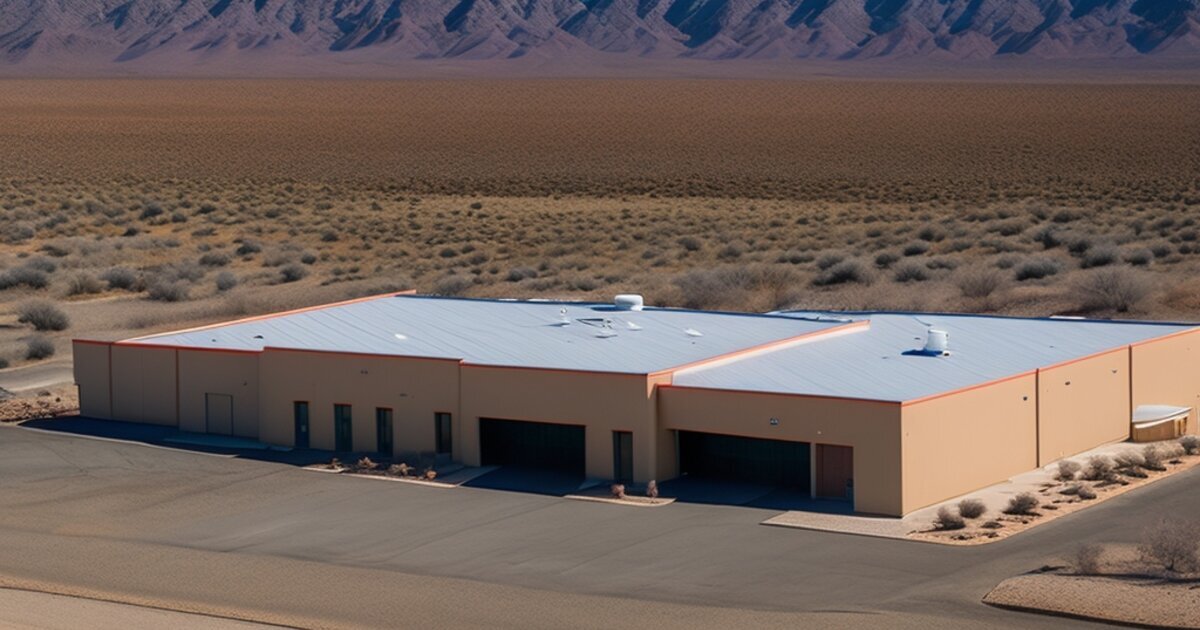
Reno has undergone one of the most significant economic transformations in the American West. Once known primarily for gaming and tourism, the city is now a critical logistics, manufacturing, and technology corridor anchored by the Tesla Gigafactory, massive distribution centers, and a rapidly expanding healthcare and senior living sector.
For facility managers overseeing commercial assets in Reno and Sparks, this growth brings unique painting and coating challenges. High-desert elevation, extreme UV exposure, freeze-thaw cycles, and the operational demands of 24/7 logistics facilities all influence how coating projects should be planned, specified, and executed.
This guide examines the commercial painting landscape in Reno through the lens of facility management: what climate and operational factors matter, which building types dominate the market, and how to approach coating decisions with long-term performance in mind. Working with a Reno commercial painting contractor who understands high-desert logistics, casino operations, and healthcare standards is essential for durable results.
Quick Answer
Commercial painting in Reno requires coating systems that handle high-desert UV, freeze-thaw cycles, wind abrasion, snow exposure, and continuous operations in logistics, casino, healthcare, and manufacturing facilities. Facility managers should specify UV-resistant exterior systems, durable warehouse floors, low-VOC occupied-space coatings, phased schedules that protect 24/7 operations, and a Reno commercial painting contractor with proven high-desert logistics and hospitality experience.
Key Takeaways
- Reno’s 4,500-foot elevation increases UV exposure and thermal cycling stress on exterior coatings.
- Logistics warehouses need dryfall ceiling coatings, durable floor systems, and off-shift application planning.
- Casino, hospitality, healthcare, and senior living projects require low-odor, cleanable coatings with careful containment.
- Freeze-thaw, snow, wind, and dust make substrate repair and lifecycle-based coating selection critical.
Reno Economic Growth Ecosystem
Warehouse and Distribution Center Painting
The logistics corridor stretching from Reno through Sparks and into the Tahoe-Reno Industrial Center is one of the largest in the Western United States. Amazon, Walmart, PetSmart, and dozens of regional distributors operate million-square-foot facilities here, many directly supporting Tesla’s supply chain and battery production operations.
These warehouses present painting challenges that differ from standard commercial projects. See our dedicated guide on warehouse and distribution center painting for a deep dive into high-bay interiors, rack protection, and floor marking systems.
High-bay ceilings. Distribution centers in the Reno corridor commonly feature 32- to 40-foot clear heights. Painting these ceilings requires specialized access equipment and dryfall paint formulations that convert overspray to dust before it reaches inventory below.
Operational continuity. Logistics facilities run continuously. Painting must be phased around active operations, with work scheduled during off-shifts, weekends, or holiday shutdowns. Contractors who understand FIFO (first-in, first-out) operations and can coordinate with warehouse management systems reduce disruption significantly.
Cold storage considerations. Facilities handling temperature-sensitive goods require coatings that perform in refrigerated and freezer environments. Standard latex and alkyd systems will fail in sub-freezing conditions. See our guide on cold storage and refrigerated facility painting for coating selection in these environments.
Floor systems. Warehouse floors in high-traffic logistics facilities require epoxy or polyurethane systems with appropriate slip resistance, chemical resistance for battery acid and hydraulic fluids, and durability against constant forklift and pallet jack traffic.
High-Desert Climate Challenges
Reno sits at approximately 4,500 feet above sea level in the rain shadow of the Sierra Nevada. This elevation and geography create a climate that is harsher on exterior coatings than many facility managers anticipate.
UV Exposure and Intense Solar Load
At 4,500 feet, ultraviolet radiation is significantly more intense than at sea level. UV degradation is the primary cause of coating chalking, fading, and binder breakdown on exterior metal and concrete substrates.
- South- and west-facing surfaces experience the most severe exposure.
- Dark colors absorb more solar energy and accelerate thermal cycling stress.
- Elastomeric coatings with high UV resistance outperform standard acrylics on concrete and stucco.
- PVDF and fluoropolymer coatings provide the longest service life on metal roofing and wall panels but require higher initial investment.
Freeze-Thaw Cycles
Reno experiences dramatic temperature swings, particularly in spring and fall. Daytime temperatures may reach 70°F while nights drop below freezing. These cycles cause substrate expansion and contraction that stress coating adhesion.
- Concrete and masonry are particularly vulnerable to freeze-thaw damage if water infiltrates micro-cracks.
- Breathable coatings that allow moisture vapor transmission reduce the risk of blistering and delamination.
- Joint and crack repair must precede any coating application on concrete tilt-up and masonry facades.
Wind and Abrasion
The Truckee Meadows and surrounding high-desert plains experience sustained winds, particularly in spring. Wind-driven dust and sand act as abrasive agents on exterior coatings, accelerating wear on lower wall surfaces and trim.
- Lower wall sections and corners facing prevailing winds show wear first.
- Abrasion-resistant topcoats extend service life in high-exposure areas.
- Regular pressure washing removes accumulated grit that would otherwise accelerate coating degradation.
Snow Load and Moisture
While Reno receives less precipitation than cities at lower elevations in the Pacific Northwest, winter snow and occasional rain events create moisture exposure that must be managed.
- Metal roof coatings must accommodate thermal movement and resist ponding water at seams and fastener locations.
- Exterior wood trim and fascia require penetrating stains or solid-color acrylic systems that resist moisture absorption.
- Loading docks and canopies need robust waterproofing membranes beneath traffic-bearing coating systems.
For coating selection in demanding climates, see our coating selection guide for a framework on matching materials to environmental exposure.
Casino and Hospitality Renovations
Reno’s casino and hospitality sector remains a significant portion of the commercial real estate market. Properties along the Truckee River and in the downtown core undergo regular renovation cycles to remain competitive with regional destinations.
Casino renovations present scheduling and logistical challenges similar to those in Las Vegas, though on a smaller scale. See our Las Vegas commercial painting guide for systems applicable to entertainment venues and high-traffic hospitality environments.
Guest-sensitive scheduling. Casino floor renovations, lobby refreshes, and corridor repainting must minimize disruption to guest experience. Night and early-morning windows are standard.
Odor and VOC management. Properties with continuous occupancy require low-VOC or zero-VOC coatings with minimal odor impact. Waterborne epoxy and acrylic systems are preferred over solvent-based alternatives in occupied spaces.
High-traffic durability. Casino floors, back-of-house corridors, and food service areas require coating systems that withstand heavy foot traffic, cart impact, and frequent cleaning with commercial-grade sanitizers.
Aesthetic refresh cycles. The competitive hospitality market drives more frequent aesthetic updates than industrial facilities. Facility managers should plan 5- to 7-year refresh cycles for public-facing interior surfaces.
Healthcare and Senior Living Growth
Reno’s healthcare and senior living construction pipeline has expanded dramatically, driven by population growth and regional demand for medical services. New construction and adaptive reuse projects both require coating systems that meet healthcare-specific standards.
Infection control. Painting in active healthcare or senior living facilities requires containment protocols, HEPA filtration, and scheduling around patient care hours. Contractors must understand ICRA (Infection Control Risk Assessment) procedures.
Antimicrobial coatings. High-touch surfaces in healthcare environments benefit from antimicrobial additive technologies. These are not a substitute for cleaning protocols but provide an additional layer of protection on doors, handrails, and wall surfaces in clinical areas.
Moisture resistance. Senior living facilities with memory care and assisted living components require coatings that withstand frequent cleaning and resist moisture accumulation in bathrooms and therapy areas.
Wayfinding and color psychology. Healthcare facility managers increasingly use color for departmental wayfinding, patient calming, and staff orientation. Coating selection must balance aesthetic goals with cleanability and durability requirements.
Choosing a Reno Commercial Painting Contractor
A qualified Reno commercial painting contractor should demonstrate experience with high-desert UV and freeze-thaw conditions, large-format logistics facilities, casino and hospitality renovations, and healthcare infection-control protocols across the Reno-Sparks market.
Facility Manager Checklist
- Assess UV exposure by facade orientation and specify UV-resistant coating systems for south- and west-facing exterior surfaces.
- Account for elevation—Reno’s 4,500-foot elevation intensifies UV and thermal cycling; adjust coating specifications accordingly.
- Plan for freeze-thaw by specifying breathable coatings on concrete and masonry with proper joint and crack prep.
- Phase warehouse painting around operational schedules, prioritizing off-shift and weekend windows.
- Specify dryfall paint for high-bay warehouse ceilings to protect inventory during application.
- Use cold-storage-rated coatings in refrigerated logistics facilities, not standard latex or alkyd systems.
- Install durable floor systems (epoxy or polyurethane) with appropriate slip resistance and chemical resistance for warehouse traffic.
- Manage casino renovation scheduling to minimize guest disruption during occupied operations.
- Specify low-VOC coatings for hospitality and healthcare renovations in occupied buildings.
- Request high-desert portfolio references from painting contractors bidding on Reno-area projects.
- Budget for 5-7 year refresh cycles on casino and hospitality interiors; 10-15 years on warehouse exteriors.
- Review coating costs against lifecycle value rather than first-cost alone. See our commercial painting cost guide for budgeting frameworks.
- Select a Reno Commercial Painting Contractor: Verify high-desert climate, logistics, casino, and healthcare project experience with Northern Nevada references.
Frequently Asked Questions
What coating issues are most common on Reno commercial buildings?
The most common issues are UV-driven fading and chalking, freeze-thaw damage in concrete or masonry, wind-blown dust abrasion, and premature floor wear in high-traffic logistics and hospitality facilities.
When is the best time to paint commercial exteriors in Reno?
Spring and fall are typically the most reliable seasons because they avoid peak summer surface temperatures, winter freeze risk, and many of the wind and snow conditions that complicate exterior coating cure.
How should Reno warehouse painting be scheduled around active operations?
Warehouse painting should be phased by zone, shift, or shutdown window, with dryfall products for high-bay ceilings, protected inventory paths, and clear coordination with warehouse traffic and safety teams.
Conclusion
Reno’s commercial painting market reflects the city’s economic diversity: logistics warehouses operating around the clock, casinos requiring guest-sensitive renovation, healthcare facilities with stringent infection control standards, and all of it exposed to a high-desert climate that punishes inadequate specifications.
Facility managers who understand these intersection points—climate exposure, operational constraints, and building-type-specific requirements—can specify coating projects that perform for their full intended service life rather than requiring premature rework.
The contractors best positioned to serve Reno are those with experience in large-format logistics facilities, high-desert climate coating selection, and the operational discipline to execute without disrupting 24/7 operations. Portfolio references in the Tahoe-Reno Industrial Center, downtown Reno hospitality properties, and regional healthcare systems should be standard due diligence items.
For commercial painting and coating services in Reno, Sparks, and the broader Northern Nevada market, contact Moorhouse Coating to discuss your facility requirements.
Related Reading
Related Resources
- Las Vegas Commercial Painting: Desert Heat, Dust, and Entertainment Venue Schedules
- Warehouse and Distribution Center Painting
- Cold Storage and Refrigerated Facility Painting
- Coating Selection Guide
- Commercial Painting Cost Guide
Frequently Asked Questions
What coating issues are most common on Reno commercial buildings?
The most common issues are UV driven fading and chalking, freeze thaw damage in concrete or masonry, wind blown dust abrasion, and premature floor wear in high traffic logistics and hospitality facilities.
When is the best time to paint commercial exteriors in Reno?
Spring and fall are typically the most reliable seasons because they avoid peak summer surface temperatures, winter freeze risk, and many of the wind and snow conditions that complicate exterior coating cure.
How should Reno warehouse painting be scheduled around active operations?
Warehouse painting should be phased by zone, shift, or shutdown window, with dryfall products for high bay ceilings, protected inventory paths, and clear coordination with warehouse traffic and safety teams.