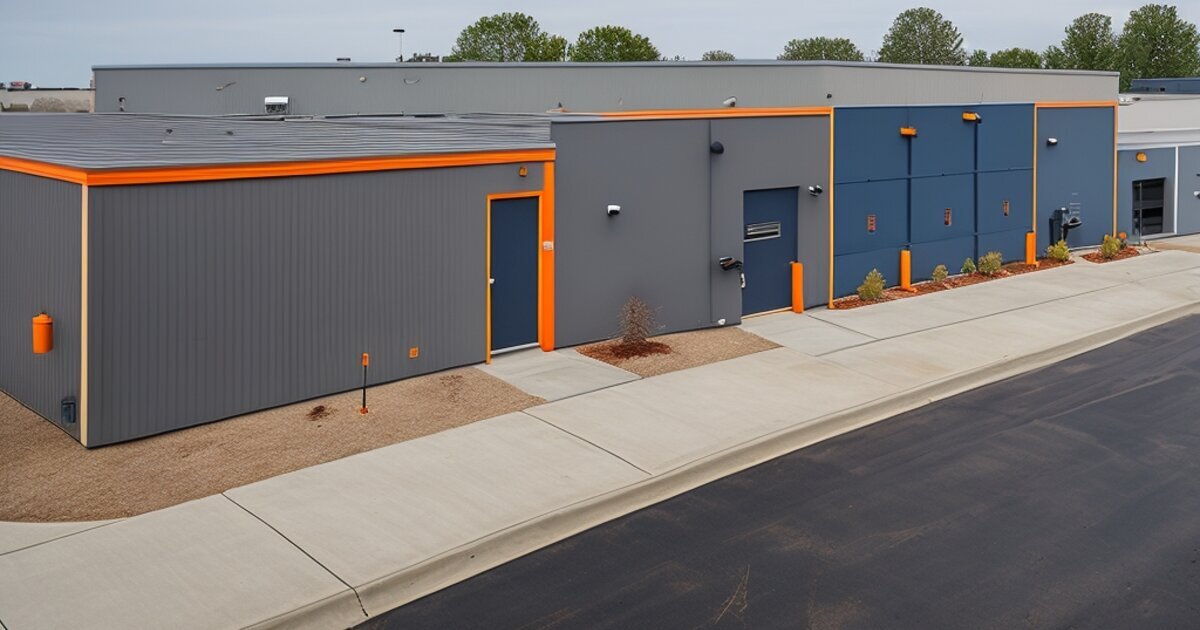
Religious facilities are unique commercial environments where architecture, symbolism, and community converge. From soaring sanctuaries with stained glass windows to fellowship halls that host weekly dinners, each space serves a distinct spiritual and social purpose. Painting these facilities requires sensitivity to sacred symbolism, scheduling around worship services, and expertise in handling ornate architectural details.
For clergy, trustees, and facility managers overseeing religious facility maintenance, understanding the specialized requirements of sacred spaces ensures that painting enhances rather than diminishes the spiritual environment.
Quick Answer
Religious facility painting should protect sacred elements, preserve architectural character, and schedule work around worship, classes, weddings, funerals, and major holy seasons. The best specifications separate sanctuary, fellowship, education, kitchen, and exterior areas because each space has different durability, odor, access, and color requirements.
Religious Facility Zones
Sanctuary and Worship Space Requirements
The sanctuary is the spiritual heart of the facility and demands the highest level of care and respect.
Architectural sensitivity. Many sanctuaries feature ornate architectural details: crown molding, wainscoting, decorative plaster, stained glass trim, and ornamental woodwork. Painting must preserve and enhance these details, not obscure them. Use brush and roller techniques that allow precise control near delicate features.
High ceilings. Sanctuary ceilings often reach 20-40 feet or higher. Specialized access equipment (scissor lifts, boom lifts) is required. Protect pews, altars, and flooring from overspray and drips. Cover organ pipes, sound equipment, and liturgical furnishings.
Acoustics. Painted surfaces affect sound quality. Hard, reflective surfaces (gloss paint on plaster) create reverberation. Soft, absorbent surfaces (acoustic panels, fabric) dampen sound. Consult with the music director or acoustical consultant before changing finishes in the sanctuary.
Color symbolism. Color choices carry spiritual significance. Many traditions associate specific colors with liturgical seasons:
- Purple: Advent and Lent (preparation, penitence)
- White: Christmas and Easter (purity, joy)
- Red: Pentecost and martyrs (Holy Spirit, sacrifice)
- Green: Ordinary time (growth, life)
Work with clergy to ensure color choices align with theological and seasonal intentions.
Stained glass protection. Mask and protect stained glass windows meticulously. Paint splatter on stained glass is extremely difficult to remove and can damage historic artwork. Use low-tack masking tape and paper or plastic sheeting.
Religious Facility Space Decision Table
| Space | Primary painting priority | Recommended finish focus | Scheduling concern |
|---|---|---|---|
| Sanctuary or worship hall | Reverence, acoustics, and architectural detail | Low-odor coatings with controlled sheen | Avoid services, weddings, funerals, and holy seasons |
| Fellowship hall | Durability for meals and events | Scrubbable, impact-resistant wall finishes | Coordinate around community dinners and rentals |
| Education wing | Child safety and cleanability | Zero-VOC, washable coatings | Complete before classes or youth programs resume |
| Historic exterior | Preservation and weather resistance | Compatible primers and breathable finishes where needed | Confirm preservation approvals before color changes |
Fellowship Hall and Social Spaces
Fellowship halls serve as multi-purpose community gathering spaces.
Multi-use durability. These spaces host dinners, meetings, classes, and events. Walls and floors must withstand tables, chairs, food service, and heavy foot traffic. Specify scrubbable, impact-resistant finishes.
Kitchen areas. Commercial kitchen requirements apply if the fellowship hall includes a kitchen. Moisture-resistant, antimicrobial coatings withstand cooking moisture and cleaning chemicals.
Flooring. Fellowship hall floors must resist folding chairs, buffet setups, and dancing. Hardwood, luxury vinyl tile, or epoxy coatings provide durability. Avoid carpet in dining areas.
Flexibility. Neutral colors allow the space to serve multiple functions. Accent walls in brand colors or seasonal decorations provide flexibility.
Educational Wings and Classrooms
Religious education spaces serve children, youth, and adults.
Children’s classrooms. Bright, cheerful colors create welcoming environments for young learners. Use zero-VOC, non-toxic paints. Specify scrubbable finishes that withstand crayons, markers, and cleaning.
Youth rooms. Teenagers appreciate modern, energetic spaces. Bold accent walls, contemporary colors, and durable finishes that withstand active use.
Adult classrooms. Professional, calming environments for Bible study and discussion. Neutral colors with good lighting for reading.
Safety markings. Emergency exits, fire extinguishers, and first aid stations must remain clearly visible. Do not paint over required safety signage.
Scheduling Around Worship and Events
Religious facilities have immovable schedules centered around worship services and holy days.
Liturgical calendar. Plan painting around the liturgical calendar. Avoid major work during Advent, Christmas, Lent, Holy Week, Easter, and other significant seasons. Summer is often the best window for major projects.
Weekly worship. Schedule painting to avoid interfering with weekly services. Friday-Saturday work may be acceptable for Sunday services, but verify with clergy.
Weddings and funerals. These cannot be rescheduled. Check the facility calendar and avoid painting near chapels or sanctuaries when services are scheduled.
Phased approach. Paint administrative areas first, then educational wings, then fellowship halls, and finally sanctuary. This allows worship to continue in unaffected areas.
Historic Preservation
Many religious facilities are historic buildings with preservation requirements.
Historic designation. Check whether the building is listed on the National Register of Historic Places or subject to local historic preservation ordinances. These designations may restrict color choices, materials, and methods.
Lead paint. Pre-1978 buildings likely contain lead paint. Any disturbance requires EPA RRP-certified contractors and lead-safe work practices. This is particularly important in facilities with children’s programs.
Original finishes. Document original paint colors and finishes before repainting. Historic paint analysis can reveal original color schemes that may be appropriate for restoration projects.
Appropriate materials. Use paints and finishes appropriate for the building’s era and construction. Modern latex paint may not be appropriate over historic plaster or woodwork. Consult preservation specialists for historic buildings.
Denominational Considerations
Different faith traditions have specific requirements.
Christian churches. Vary widely by denomination from ornate Catholic basilicas to simple Quaker meeting houses. Work with clergy and building committees to understand denominational expectations.
Jewish synagogues. May have specific requirements for the ark, bimah, and sanctuary orientation. Kosher considerations may affect kitchen painting and materials.
Islamic mosques. Often feature geometric patterns, calligraphy, and specific color traditions. Qibla wall orientation and prayer hall acoustics require careful consideration.
Buddhist temples. Often incorporate traditional colors (gold, red, saffron) and specific iconographic elements.
Hindu temples. May feature vibrant colors, deity representations, and specific directional alignments.
Clergy and Trustee Checklist
- Consult with clergy on color choices for liturgical alignment.
- Protect stained glass, altars, and liturgical furnishings during painting.
- Use zero-VOC paints in children’s areas and occupied spaces.
- Schedule around the liturgical calendar and worship services.
- Verify lead paint status for pre-1978 buildings before disturbance.
- Check historic preservation requirements before exterior color changes.
- Preserve architectural details with careful brush and roller work.
- Coordinate with music directors on acoustical impacts of finish changes.
- Maintain safety markings and emergency egress visibility.
- Request religious facility references from painting contractors.
Standards & Sources
Related Reading
- Church and Religious Facility Painting
- Zero-VOC Sustainable Coatings
- Lead Paint Safety Renovation
- Educational Facility Painting
- Phased Painting Schedules for 24/7 Operations
Frequently Asked Questions
When is the best time to paint a church, temple, mosque, or synagogue?
The best window is usually a low-activity season when worship, education, weddings, funerals, and major holy days are least affected. Many Southwest congregations use summer for larger interior projects.
What paint should be used in children’s classrooms?
Use zero-VOC or very low-odor coatings with washable finishes. Products should tolerate routine cleaning without creating lingering odors before children return.
How should historic religious buildings be handled?
Verify lead paint, preservation restrictions, and original finish conditions before surface disturbance. Historic plaster, woodwork, and exterior masonry may require specialized primers or preservation guidance.
Facility Manager Checklist
- Consult Clergy on Color Choices: Verify that proposed colors align with liturgical seasons, denominational traditions, and theological intentions before finalizing specifications.
- Schedule Around the Liturgical Calendar: Avoid major painting during Advent, Christmas, Lent, Holy Week, and Easter; target summer for extensive projects.
- Protect Sacred Elements: Require meticulous masking and protection for stained glass, altars, liturgical furnishings, and ornamental woodwork during all work phases.
- Use Zero-VOC Products in Occupied Areas: Specify non-toxic, low-odor paints in sanctuaries, classrooms, and fellowship halls to protect congregants and children.
- Verify Lead Paint Status: For pre-1978 buildings, require EPA RRP-certified contractors and lead-safe work practices before any surface disturbance.
- Check Historic Preservation Requirements: Confirm whether National Register or local historic designation restricts colors, materials, or methods before exterior changes.
- Preserve Acoustic Performance: Coordinate with music directors or acoustical consultants before changing sheen levels or surface finishes in the sanctuary.
Religious facility painting requires a contractor who understands sacred spaces, liturgical seasons, and architectural heritage. Clergy and trustees who plan carefully and select respectful partners maintain facilities that honor both tradition and community.
For religious facility painting in the Southwest, contact Moorhouse Coating.
Frequently Asked Questions
When is the best time to paint a church, temple, mosque, or synagogue?
The best window is usually a low activity season when worship, education, weddings, funerals, and major holy days are least affected. Many Southwest congregations use summer for larger interior projects.
What paint should be used in children's classrooms?
Use zero VOC or very low odor coatings with washable finishes. Products should tolerate routine cleaning without creating lingering odors before children return.
How should historic religious buildings be handled?
Verify lead paint, preservation restrictions, and original finish conditions before surface disturbance. Historic plaster, woodwork, and exterior masonry may require specialized primers or preservation guidance.
Facility Manager Checklist
Consult Clergy on Color Choices: Verify that proposed colors align with liturgical seasons, denominational traditions, and theological intentions before finalizing specifications. Schedule Around the Liturgical Calendar: Avoid major painting during Advent, Christmas, Lent, Holy Week, and Easter; target summer for extensive projects. Protect Sacred Elements: Require meticulous masking and protection for stained glass, altars, liturgical furnishings, and ornamental woodwork during all work phases. Use Zero VOC Products in Occupied Areas: Specify non toxic, low odor paints in sanctuaries, classrooms, and fellowship halls to protect congregants and children. Verify Lead Paint Status: For pre 1978 buildings, require EPA RRP certified contractors and lead safe work practices before any surface disturbance. Check Historic Preservation Requirements: Confirm whether National Register or local historic designation restricts colors, materials, or methods before exterior changes. Preserve Acoustic Performance: Coordinate with music directors or acoustical consultants before changing sheen levels or surface finishes in the sanctuary. Religious facility painting requires a contractor who understands sacred spaces, liturgical seasons, and architectural heritage. Clergy and trustees who plan carefully and select respectful partners maintain facilities that honor both tradition and community. For religious facility painting in the Southwest, contact Moorhouse Coating.