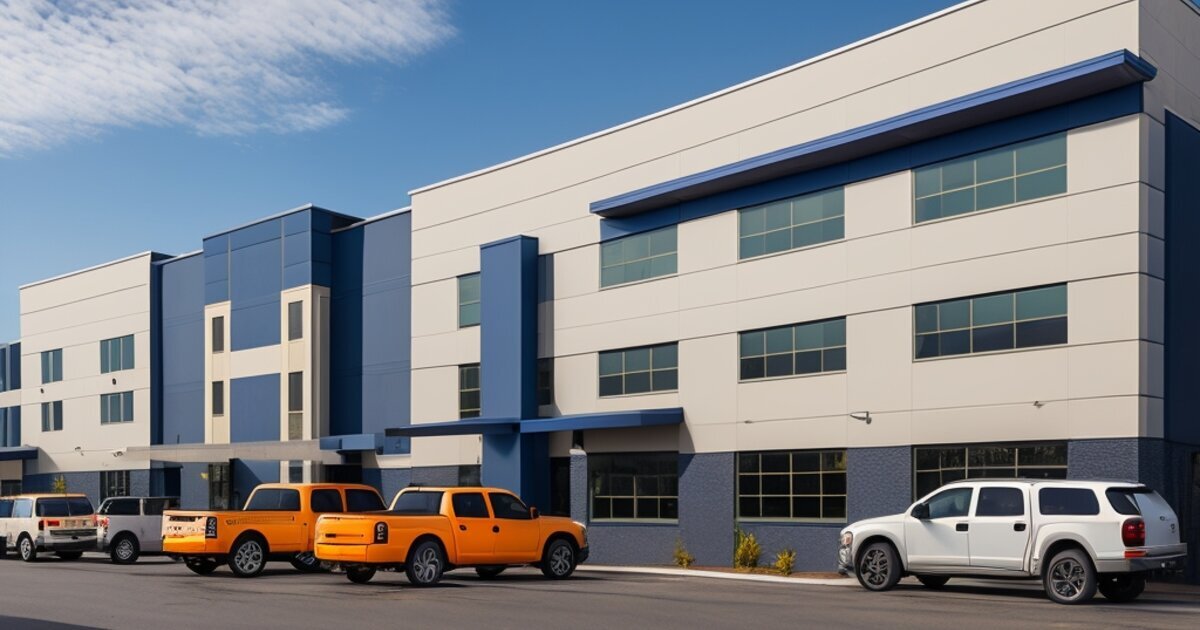
Pre-engineered metal buildings (PEMB) are the backbone of American commercial and industrial construction. Warehouses, distribution centers, manufacturing plants, and aircraft hangars rely on PEMB systems for their speed of construction, cost efficiency, and clear-span capability. But the factory-applied finishes that protect these buildings are not permanent. UV degradation, thermal cycling, cut-edge corrosion, and fastener failure create maintenance needs that, if ignored, lead to premature replacement of panels and structural elements.
For facility managers overseeing PEMB portfolios, understanding factory finish performance, field coating options, and preventive maintenance schedules protects both the building envelope and the capital budget.
Quick Answer
Pre-engineered metal buildings should be inspected annually for factory finish chalking, cut-edge corrosion, fastener washer failure, and panel damage. Field coating is appropriate when the original finish is degraded but panels remain structurally sound, with direct-to-metal acrylics, urethane-modified acrylics, or fluoropolymer systems selected based on expected service life and budget.
PEMB Coating Maintenance Cycle
Understanding Factory Finishes
PEMB manufacturers apply protective coatings in controlled factory conditions. Understanding these finishes helps facility managers plan maintenance.
Galvanized substrates. Steel panels are hot-dip galvanized (G90 or G60 coating) before painting. The zinc layer provides sacrificial corrosion protection even if the paint film is damaged.
Factory paint systems. Common factory finishes include:
- Silicone-modified polyester (SMP): Good color retention and durability. 20-30 year warranty. Standard for most commercial applications.
- Polyvinylidene fluoride (PVDF or Kynar 500): Premium finish with exceptional UV resistance and color retention. 30-40 year warranty. Used for high-profile buildings.
- Plastisol: Thick, flexible coating with excellent corrosion resistance. Common in Europe, less common in the US.
Warranty limitations. Factory warranties typically cover film integrity and color fade but exclude:
- Cut-edge corrosion
- Fastener failure
- Damage from contact, abrasion, or environmental factors
- Chalk accumulation (considered normal weathering)
Desert Climate Impact on PEMB Finishes
The Southwest climate accelerates factory finish degradation.
UV degradation. Desert UV intensity is among the highest in North America. South- and west-facing walls show failure first. PVDF finishes resist UV better than SMP, but all organic finishes degrade over time.
Thermal cycling. Daily temperature swings of 40-50°F cause panels to expand and contract. Factory finishes are designed to accommodate this movement, but after 15-20 years, the film loses flexibility and begins to crack at stress points.
Dust and sand abrasion. Wind-blown sand and dust act as abrasive agents, eroding the finish surface over time. This is particularly noticeable on lower wall panels and trim.
Monsoon moisture. While brief, monsoon storms drive water into panel laps, fastener holes, and trim joints. Repeated wet-dry cycles accelerate corrosion at these vulnerable points.
Cut-Edge Corrosion
Cut-edge corrosion is the most common and insidious PEMB failure mode.
What is cut-edge corrosion? When steel panels are cut to length at the factory or field, the cut exposes bare steel where the protective coating and galvanizing were sheared. Over time, corrosion begins at these exposed edges and migrates under the coating film.
Common locations.
- Panel ends at eaves and ridges
- Trim cuts at corners and penetrations
- Field-cut openings for doors, windows, and vents
- Fastener holes that were drilled but not properly sealed
Prevention. The best prevention is factory-applied edge sealers or field-applied cut-edge touch-up paint at installation. Many PEMB contractors skip this step to save time and money.
Repair. Address cut-edge corrosion promptly:
- Remove rust with wire brush or sanding
- Apply rust-inhibitive primer to bare metal
- Apply direct-to-metal (DTM) acrylic or urethane coating
- Seal edges with compatible sealant if needed
Fastener Maintenance
Exposed fasteners are a primary failure point in PEMB envelopes.
Fastener types. PEMB panels are attached with self-drilling screws that have neoprene washers. The washer creates a seal between the fastener head and panel surface.
Failure modes.
- Neoprene washer degradation: UV and heat cause washers to harden, crack, and lose compression.
- Back-out: Thermal cycling can cause screws to loosen over time.
- Oversize holes: If screws are removed and replaced, the hole may become oversized and no longer seal.
- Corrosion: Fastener heads rust, staining the panel surface.
Maintenance schedule. Inspect fasteners annually. Replace failed washers and screws. For widespread failure, consider fastener replacement programs that upgrade to longer-lasting washer materials (EPDM, silicone) or concealed fastening systems.
Field Coating Options
When factory finishes degrade, field-applied coatings extend building life.
Direct-to-metal (DTM) acrylics. The standard for field application over PEMB panels. These products adhere to properly prepared metal and provide 5-8 years of protection. Specify 100% acrylic DTM with UV stabilizers.
Urethane-modified acrylics. Enhanced durability and gloss retention. Provide 7-10 years of service but cost more than standard DTM.
Fluoropolymer field coatings. PVDF-based spray-applied coatings that match factory PVDF performance. Expensive but provide 15-20 year service life. Require professional spray application.
Elastomeric coatings. Used when panel seams or fastener patterns create a need for crack-bridging. Not ideal for large flat panel areas where thermal expansion is extreme.
Surface Preparation for Field Coating
Proper preparation ensures coating adhesion and longevity.
Cleaning. Remove all chalk, dust, dirt, and loose material. Pressure wash at low to moderate pressure. Chalky surfaces require scrubbing or light abrasive blasting to remove loose material.
Rust treatment. Remove all rust from cut edges, fastener heads, and damaged areas. Apply rust-converting primer if rust cannot be fully removed.
Compatibility testing. Before full application, test the field coating on a small area to verify adhesion to the factory finish. Some factory finishes (particularly PVDF) may require special primers for field coating adhesion.
Masking and protection. Protect windows, doors, HVAC equipment, and landscaping from overspray. Use drop cloths and plastic sheeting.
Color and Energy Considerations
Color matching. Matching faded factory finishes is difficult. Consider repainting the entire building or establishing a contrasting accent scheme. Document paint specifications for future maintenance.
Cool roof considerations. When coating roof panels, specify white or light-colored coatings with high solar reflectance. This reduces thermal cycling stress and lowers cooling costs.
IR-reflective pigments. Dark-colored coatings with IR-reflective pigments reduce surface temperature while maintaining color depth. These products extend coating life in desert conditions.
PEMB Field Coating Decision Table
| Condition Found | Recommended Action | Why It Matters |
|---|---|---|
| Light chalking with intact factory film | Clean, adhesion test, and plan maintenance coating | Early intervention extends panel life before corrosion starts |
| Cut-edge rust at eaves, ridges, or trim | Remove rust, prime bare steel, and seal exposed edges | Stops under-film corrosion from spreading beneath factory finish |
| Widespread fastener washer failure | Replace fasteners or washers before coating | Coating over failed seals does not stop water intrusion |
| Severe panel corrosion or perforation | Replace damaged panels before recoating adjacent areas | Coatings cannot restore lost structural section or watertightness |
| High-profile exterior needing long color retention | Consider fluoropolymer field coating | Higher upfront cost can reduce repaint frequency in desert UV |
Facility Manager Checklist
- Inspect Annually for Corrosion: Walk the building envelope to identify cut-edge rust, fastener back-out, and UV degradation before they spread.
- Address Cut-Edge Corrosion Immediately: Wire brush rusted edges, apply rust-inhibitive primer, and seal with direct-to-metal coating to stop under-film migration.
- Replace Failed Fasteners and Washers: Remove degraded neoprene washers and corroded screws before water intrusion damages panel substrates.
- Chalk-Test Surfaces Before Recoating: Clean and verify that chalky factory finishes are sufficiently abraded or primed for field coating adhesion.
- Specify DTM Acrylic or Urethane: Use direct-to-metal formulations with UV stabilizers for field-applied maintenance coats over factory finishes.
- Test Coating Compatibility: Apply trial patches on actual factory finish panels to verify adhesion before authorizing full-scale application.
- Budget for Field Recoating Every 10–15 Years: Plan maintenance coats before factory finishes expire to extend building life beyond 40 years.
Pre-engineered metal buildings are durable and cost-effective, but they are not maintenance-free. Facility managers who understand factory finish limitations, monitor for cut-edge corrosion, and maintain fastener integrity protect their buildings from premature failure and costly panel replacement.
Frequently Asked Questions
How often should a pre-engineered metal building be inspected?
Inspect PEMB roofs, wall panels, fasteners, trim, and cut edges at least annually, with an additional check after major monsoon storms, hail, or high-wind dust events.
Can you repaint over a factory finish on metal panels?
Yes, if the surface is cleaned, chalk is removed, rust is treated, and adhesion testing confirms the new coating is compatible with the factory finish.
Should fasteners be replaced before repainting a PEMB?
Replace failed, backed-out, or corroded fasteners before repainting. Painting over bad washers or loose screws can hide active leak points without correcting them.
For pre-engineered metal building coating and maintenance in the Southwest, contact Moorhouse Coating.
Related Reading
Related Resources
- Metal Building Painting
- Self-Storage Facility Painting
- Industrial Manufacturing and Fabrication Painting
- Roof Coating Systems
- Commercial Painting Costs
Frequently Asked Questions
How often should a pre engineered metal building be inspected?
Inspect PEMB roofs, wall panels, fasteners, trim, and cut edges at least annually, with an additional check after major monsoon storms, hail, or high wind dust events.
Can you repaint over a factory finish on metal panels?
Yes, if the surface is cleaned, chalk is removed, rust is treated, and adhesion testing confirms the new coating is compatible with the factory finish.
Should fasteners be replaced before repainting a PEMB?
Replace failed, backed out, or corroded fasteners before repainting. Painting over bad washers or loose screws can hide active leak points without correcting them. For pre engineered metal building coating and maintenance in the Southwest, contact Moorhouse Coating.