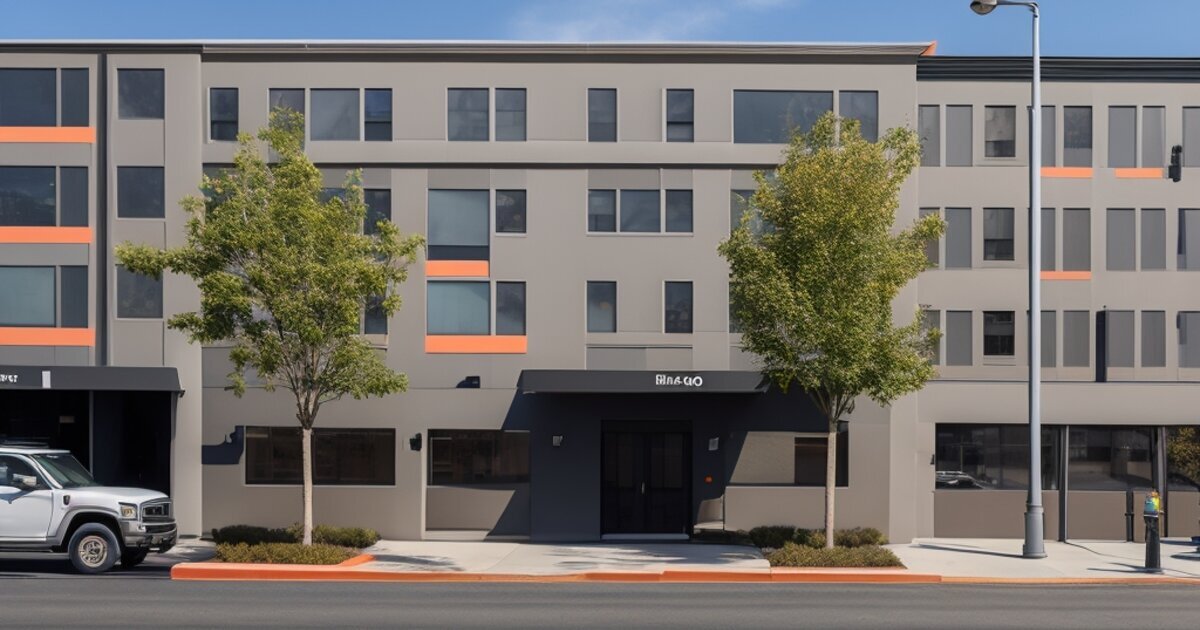
Cultural institutions face a coating challenge unlike any other commercial environment. Museums, libraries, archives, and historical societies must balance preserving irreplaceable collections with maintaining public spaces that welcome millions of visitors annually. The coatings specified for these facilities directly impact artifact longevity, indoor air quality, visitor experience, and operational budgets. Facility managers who understand preservation-grade coating systems can protect collections while meeting both stewardship and accessibility missions.
Quick Answer
Museums and libraries should specify low-emission, chemically stable coatings that protect collections while supporting public access. Collection storage needs inert, non-shedding finishes; exhibition halls need color-stable, low-glare surfaces; reading rooms and lobbies need durable, cleanable coatings with low odor and careful phasing.
Coating Requirements by Cultural Institution Zone
Collection Storage Areas: The Foundation of Preservation
Collection storage represents the most chemically sensitive environment in any cultural institution. Archives, rare book libraries, and museum storage facilities house materials permanently damaged by airborne contaminants, VOCs, and particulate shedding from conventional coatings.
Preservation-grade coatings for storage areas must meet conservation science criteria. The ideal coating is chemically inert with zero VOC emissions after curing. Many institutions specify coatings tested for off-gassing using Oddy testing or accelerated aging protocols.
Non-shedding properties are equally critical. Conventional paints release microscopic particles through chalking as they age. In storage environments with limited air circulation, these particles settle on collection surfaces. Specify coatings with verified non-shedding performance.
For wooden shelving and interior woodwork, proper preparation and inert sealants prevent lignin degradation and acid migration.
Exhibition Halls: Balancing Aesthetics and Artifact Protection
Exhibition spaces must protect artifacts, support curatorial vision, and withstand high visitor traffic. The background environment directly affects how visitors perceive objects. Color psychology research demonstrates that neutral backgrounds reduce visual fatigue and allow artifacts to command attention.
Lighting compatibility is critical. Coatings must maintain color stability across LED, fiber optic, and natural light spectra. Lightfast, UV-stable coatings prevent background discoloration over time.
Surface reflectance requires careful calculation. High gloss creates distracting reflections, while matte surfaces absorb too much light. Eggshell and satin finishes provide the optimal balance.
Durability extends beyond abrasion resistance. Frequent exhibit rotation requires coatings that withstand repeated cleaning and touch-up without lap marks. Maintain a reserve supply of the original product batch.
Public Spaces and Reading Rooms: Performance Under Pressure
Public spaces in libraries and museums experience foot traffic rivaling the most demanding commercial environments. Reading rooms, atriums, and circulation areas require coatings delivering long-term durability at predictable costs, with constraints related to occupant experience and collection protection.
Acoustic performance deserves attention in reading rooms. Hard, reflective surfaces amplify ambient noise. Textured and specialty coatings contribute to sound absorption on ceilings and upper walls.
Scuff and mar resistance are essential with mobile shelving and seating rearrangement. Specify water-based urethane or acrylic-urethane hybrid coatings for trim, doors, and lower walls. These offer cleanability without the VOC emissions unsuitable for collection environments.
Wayfinding and accessibility also influence selection. ADA-compliant contrast requirements apply to stairs, handrails, and door frames. Color selection for wayfinding must balance aesthetics with visibility.
Coating Selection by Institution Zone
| Facility zone | Primary risk | Recommended coating priority |
|---|---|---|
| Collection storage | VOCs, off-gassing, particulate shedding | Inert, zero- or ultra-low-emission, non-shedding coating with documented product data |
| Exhibition halls | Glare, color shift, frequent exhibit changes | Lightfast eggshell or satin finish with stable color and touch-up compatibility |
| Reading rooms | Odor, noise sensitivity, scuffs from furniture | Low-odor acrylic or acrylic-urethane system with cleanable, low-glare finish |
| Lobbies and corridors | High traffic, hand contact, wayfinding needs | Durable washable coating with ADA-appropriate contrast at doors, rails, and stairs |
| Historic interiors | Loss of historic fabric or incompatible materials | Preservation-reviewed products with documented colors, batches, and application dates |
Conservation and Restoration Considerations
Coating projects in historic institutions often involve surfaces with existing paint layers containing lead, asbestos, or other hazardous materials. Conduct materials testing before surface preparation to identify hazards and develop abatement protocols.
Reversibility is a core conservation principle. While fully reversible coatings are impractical for walls and ceilings, facility managers should document all products and application dates including data sheets, color formulas, and batch numbers.
Environmental monitoring during and after coating application protects collections. Portable air filtration, containment barriers, and phased project schedules isolate work areas and prevent VOC migration. Many institutions require a post-application curing period before collections return.
For green building certifications, zero-VOC and low-emission coatings contribute to LEED Indoor Environmental Quality credits while protecting collections.
Facility Manager Checklist
Use this checklist when planning coating projects for museum, library, or cultural institution facilities:
- Collection Impact Assessment: Verify coatings have been tested for off-gassing and chemical inertness using conservation-standard methods
- VOC Budget Analysis: Calculate total VOC load and compare against institutional air quality targets
- Lighting Compatibility Review: Verify color stability and reflectance under existing and planned lighting
- Traffic Pattern Mapping: Identify high-contact surfaces and specify appropriate durability grades
- Historic Preservation Clearance: Confirm selections comply with landmark requirements and preservation standards
- Contractor Qualification: Verify contractors have experience with occupied cultural institutions
- Phasing and Containment Plan: Isolate active construction from collection storage and public areas
- Post-Application Curing Protocol: Establish ventilation requirements before returning collections
- Documentation Package: Maintain records of products, colors, batches, and conditions for future reference
- Warranty Verification: Review coating warranties and establish inspection schedules
Frequently Asked Questions
What type of paint is safest for museum collection storage?
Collection storage should use inert, non-shedding, zero- or ultra-low-emission coatings with documented off-gassing performance. Many institutions also require conservator review before approval.
Can museums and libraries remain open during coating work?
Yes, but work should be phased with containment, filtration, after-hours scheduling, and curing periods that keep fumes and dust away from collections and public areas.
Why are standard commercial paints not always appropriate for archives?
Standard coatings may release VOCs, acids, plasticizers, or chalking particles that can damage paper, textiles, photographs, and artifacts over time.
Conclusion
Museum and library coating specification demands technical rigor that exceeds standard commercial practice. The consequences of poor coating selection extend far beyond aesthetics — they threaten the physical survival of irreplaceable cultural heritage. Facility managers who treat coating decisions as preservation decisions protect their institutions’ missions while creating environments that serve the public for generations.
Moorhouse Coating has extensive experience working with cultural institutions throughout the Southwest, delivering preservation-grade coating systems that meet the exacting standards of conservators, archivists, and facility directors. Our teams understand the protocols required for working in active collection environments and specify products that balance conservation requirements with operational durability.
Contact Moorhouse Coating to discuss your institution’s coating needs or develop a long-term maintenance schedule that protects your collections while managing costs predictably.
Standards & Sources
Related Reading
- Zero-VOC Sustainable Coatings for Commercial Buildings
- Color Psychology in Commercial Spaces
- Commercial Painting Costs: A Facility Manager’s Guide
- Preventive Maintenance Schedule for Commercial Coatings
- Exterior Wood Restoration in the Southwest
Frequently Asked Questions
What type of paint is safest for museum collection storage?
Collection storage should use inert, non shedding, zero or ultra low emission coatings with documented off gassing performance. Many institutions also require conservator review before approval.
Can museums and libraries remain open during coating work?
Yes, but work should be phased with containment, filtration, after hours scheduling, and curing periods that keep fumes and dust away from collections and public areas.
Why are standard commercial paints not always appropriate for archives?
Standard coatings may release VOCs, acids, plasticizers, or chalking particles that can damage paper, textiles, photographs, and artifacts over time.