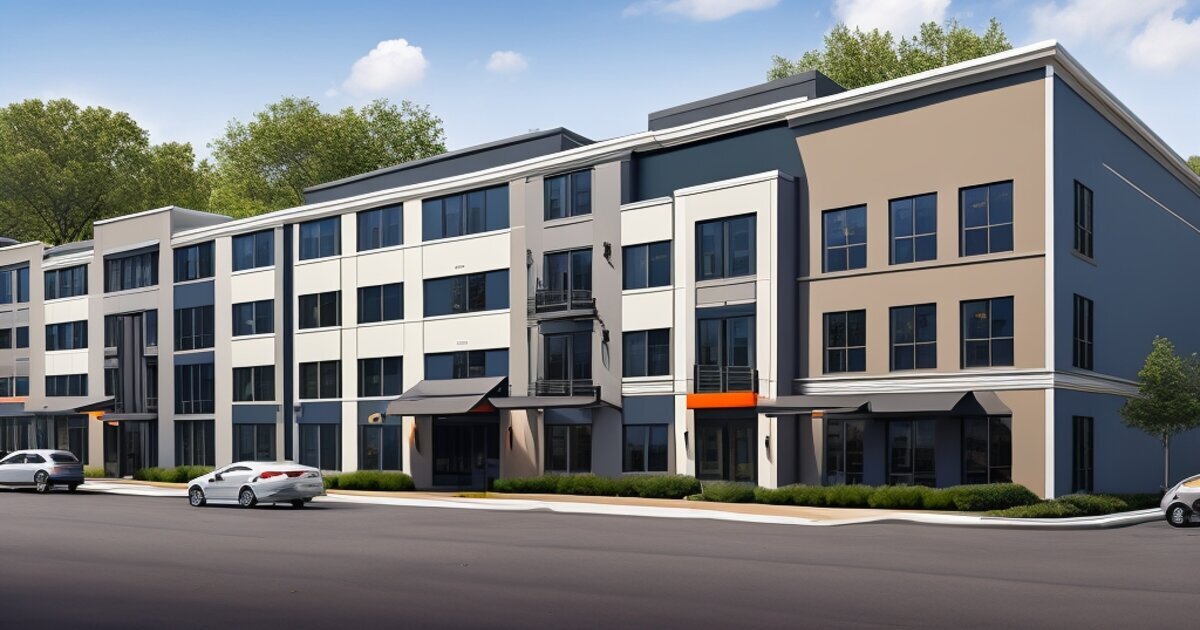
Municipal and government building painting projects operate under constraints that differ fundamentally from private commercial work. The procurement process is public and competitive, budgets are appropriated rather than discretionary, and the buildings remain open to citizens throughout construction. Fire stations must remain ready for calls, libraries must serve patrons, and city halls must conduct business. For painting contractors, success requires understanding public sector procurement, complying with prevailing wage requirements, and executing work without disrupting essential public services.
For facility managers and public works directors overseeing government building maintenance, understanding these unique requirements ensures compliant, on-time, and on-budget painting projects.
Quick Answer
Municipal and government building painting projects require public procurement planning, prevailing wage compliance, bonding, documented safety controls, and phasing that keeps essential services open. Public works teams should define the scope early, use zero-VOC products in occupied interiors, verify contractor public-sector experience, and coordinate access around citizens, staff, security, and agency calendars.
Government Painting Project Flow
Public Procurement Process
Government painting projects are procured through competitive bidding processes governed by federal, state, or local procurement laws. Understanding these processes is essential for both contractors seeking work and facility managers administering contracts.
Invitation for Bid (IFB) vs. Request for Proposal (RFP). IFBs are used for straightforward projects with clear scopes and specifications. Awards are based on lowest responsive, responsible bid. RFPs are used for complex projects where technical approach, experience, and qualifications matter alongside price. Awards are based on best value, not necessarily lowest price.
Competitive bidding requirements. Most jurisdictions require public advertisement, a defined bid opening period, and public bid opening. Sole-source awards are rare and require documented justification. Plan procurement timelines around these requirements—rushing public procurement invites protest and delay.
Bid bonds and performance bonds. Government projects typically require bid bonds (guaranteeing the bidder will enter the contract if awarded) and performance bonds (guaranteeing contract completion). These bonds cost 1% to 3% of contract value and must be obtained from surety companies. Contractors without bonding capacity cannot bid public work.
Prevailing wage requirements. Federal Davis-Bacon Act and state prevailing wage laws require payment of locally prevailing wages on public construction projects. Painting is classified under specific wage determinations that vary by locality. Contractors must certify payroll compliance weekly or monthly. Failure to pay prevailing wages can result in contract termination, debarment, and criminal penalties.
Procurement Method Comparison
| Procurement path | Best fit | Key facility-manager concern |
|---|---|---|
| Invitation for Bid (IFB) | Clearly defined repainting scope with standard specifications | Lowest responsive, responsible bid may not evaluate operational approach deeply |
| Request for Proposal (RFP) | Complex occupied facilities, historic buildings, or phased public access work | Evaluation criteria must clearly weight experience, safety, phasing, and price |
| Job order or cooperative contract | Smaller maintenance painting under an approved public contract vehicle | Confirm the contract allows the specific scope, labor classifications, and funding source |
| Emergency procurement | Urgent damage, safety, or service-continuity issues | Document the emergency basis and keep pricing, scope, and compliance records audit-ready |
Compliance and Documentation
Government projects generate documentation requirements that exceed private work.
Certified payrolls. Submit weekly or biweekly certified payroll reports showing each worker’s hours, wages, benefits, and classifications. These reports are public records and subject to audit.
Equal employment opportunity (EEO). Federal and many state projects require EEO compliance, including minority and women workforce participation goals. Contractors must document recruitment efforts and workforce demographics.
Safety compliance. Government projects typically require compliance with OSHA standards, often with additional agency-specific requirements. Maintain safety logs, conduct daily toolbox talks, and report incidents immediately.
Environmental compliance. Federal projects may require National Environmental Policy Act (NEPA) review. All projects must comply with EPA regulations for lead paint abatement, VOC emissions, and waste disposal. Document environmental compliance with inspection reports and disposal manifests.
Working Around Public Access
Government buildings serve the public and cannot close for painting. The contractor must work around citizens, employees, and operations.
Phased execution. Divide the project into zones that can be isolated without closing the facility. Typical phasing for a city hall:
- Phase 1: Administrative offices (evenings and weekends)
- Phase 2: Public corridors and lobbies (nights)
- Phase 3: Council chambers (between meetings)
- Phase 4: Exterior (business hours with pedestrian protection)
Public safety. Protect citizens from work hazards with barriers, signage, and alternate pathways. Never block accessible routes or exits. Coordinate with security and facilities staff for after-hours access.
Noise restrictions. Many government buildings have noise restrictions during business hours. Schedule power sanding, spray application, and loud equipment for off-hours. Brush and roller work may proceed during business hours in isolated areas.
Sensitive areas. Police stations, courts, and detention facilities have security requirements that restrict contractor access and tool screening. Obtain security clearances in advance and comply with all protocols.
Building Types and Requirements
Different government building types present unique painting challenges.
Fire stations. Must remain ready for emergency response. Painting in apparatus bays requires coordination with shift schedules. Never block bay doors or impede equipment access. Use fast-curing coatings that minimize downtime.
Police stations. Security screening, restricted areas, and evidence storage require special access protocols. Painting in booking areas, holding cells, and interview rooms may require after-hours work with security escort.
Libraries. Quiet environments that cannot tolerate noise or odors during operating hours. Schedule all work after closing. Use zero-VOC products that off-gas before the next opening. Protect books and materials from dust and fumes.
Courthouses. High-security environments with metal detectors, X-ray screening, and restricted zones. All tools and materials must be screened. Painting in courtrooms requires scheduling around trial calendars.
Public works and utilities. Industrial environments with equipment, chemicals, and safety hazards. Follow lockout/tagout procedures, wear appropriate PPE, and coordinate with operations staff.
Color and Finish Standards
Government buildings often have established color standards that must be maintained.
Standard color palettes. Many agencies maintain approved color schedules for interior and exterior surfaces. These palettes are typically conservative—whites, beiges, grays, and institutional blues and greens. Verify approved colors before specifying.
ADA compliance. All wayfinding, signage, and safety markings must comply with ADA standards for contrast and visibility. Restripe accessible parking, mark accessible routes, and maintain tactile signage.
Historic preservation. Older government buildings may be subject to historic preservation requirements. Check with the State Historic Preservation Office (SHPO) before changing exterior colors or finishes on buildings over fifty years old.
Budget and Appropriations
Government painting budgets are constrained by appropriations cycles and fiscal year limitations.
Fiscal year timing. Most government budgets expire at fiscal year end. Unspent funds may not carry over. Plan project timing to allow completion within the appropriated fiscal year.
Change order scrutiny. Government change orders receive heightened scrutiny and may require council or board approval. Minimize changes through thorough planning and clear specifications.
Value engineering. If bids exceed budget, value engineering may be required. Identify areas where scope reductions or alternative products can reduce cost without compromising critical requirements.
Public Works Director Checklist
- Plan procurement early. Allow time for public advertisement, bid opening, and award.
- Require prevailing wage compliance in all bid documents and contracts.
- Verify contractor bonding capacity before award.
- Specify zero-VOC products for occupied interior spaces.
- Phase work to maintain public access and essential operations.
- Coordinate with security for after-hours access and restricted areas.
- Require certified payrolls and EEO documentation per applicable laws.
- Check historic preservation requirements before exterior color changes.
- Budget for performance and payment bonds in project cost estimates.
- Request government project references from bidders before award.
Municipal and government building painting requires contractors who understand public procurement, comply with prevailing wage and safety requirements, and execute work without disrupting essential public services. Public works directors who select experienced partners and plan thoroughly deliver projects that meet compliance standards and public expectations.
Facility Manager Checklist
- Plan Procurement Early: Allow adequate time for public advertisement, bid opening, and award to avoid rushed or protested processes.
- Require Prevailing Wage Compliance: Include Davis-Bacon or state prevailing wage clauses and certified payroll reporting in contracts.
- Verify Contractor Bonding Capacity: Confirm bid and performance bonds from surety companies before awarding public work.
- Specify Zero-VOC Products: Use zero-VOC coatings in occupied interiors to protect public visitors and government employees.
- Phase Around Public Access: Schedule work in zones that maintain essential services like fire response, library access, and court operations.
- Coordinate Security Protocols: Obtain advance clearances, tool screening, and escort arrangements for sensitive facilities like police stations.
- Check Historic Preservation Requirements: Consult the State Historic Preservation Office before altering exterior colors on buildings over 50 years old.
Frequently Asked Questions
What makes government building painting different from private commercial painting?
Government projects usually require public bidding, bonding, prevailing wage documentation, public-record compliance, and work plans that maintain citizen access during normal operations.
Do municipal painting projects require prevailing wages?
Many public construction and maintenance projects do require federal or state prevailing wages, but thresholds and classifications vary by jurisdiction and funding source. Confirm requirements before issuing bid documents.
How can a city hall or library stay open during painting?
Use phased work zones, after-hours scheduling for noisy or odorous tasks, temporary pedestrian routes, clear signage, and zero-VOC interior coatings where public occupancy continues.
For municipal and government building painting that meets procurement requirements and public service standards, contact Moorhouse Coating.
Standards & Sources
- OSHA — Occupational Safety and Health Administration
- U.S. Environmental Protection Agency (EPA)
- ADA — Americans with Disabilities Act
Related Reading
Related Resources
- How to Write Coating RFP
- Facility Managers Guide to Coating Contractor RFQs
- OSHA Compliance Guide
- VOC Regulations Compliance 2025
- Phased Painting Schedules for 24/7 Operations
Frequently Asked Questions
What makes government building painting different from private commercial painting?
Government projects usually require public bidding, bonding, prevailing wage documentation, public record compliance, and work plans that maintain citizen access during normal operations.
Do municipal painting projects require prevailing wages?
Many public construction and maintenance projects do require federal or state prevailing wages, but thresholds and classifications vary by jurisdiction and funding source. Confirm requirements before issuing bid documents.
How can a city hall or library stay open during painting?
Use phased work zones, after hours scheduling for noisy or odorous tasks, temporary pedestrian routes, clear signage, and zero VOC interior coatings where public occupancy continues. For municipal and government building painting that meets procurement requirements and public service standards, contact Moorhouse Coating.