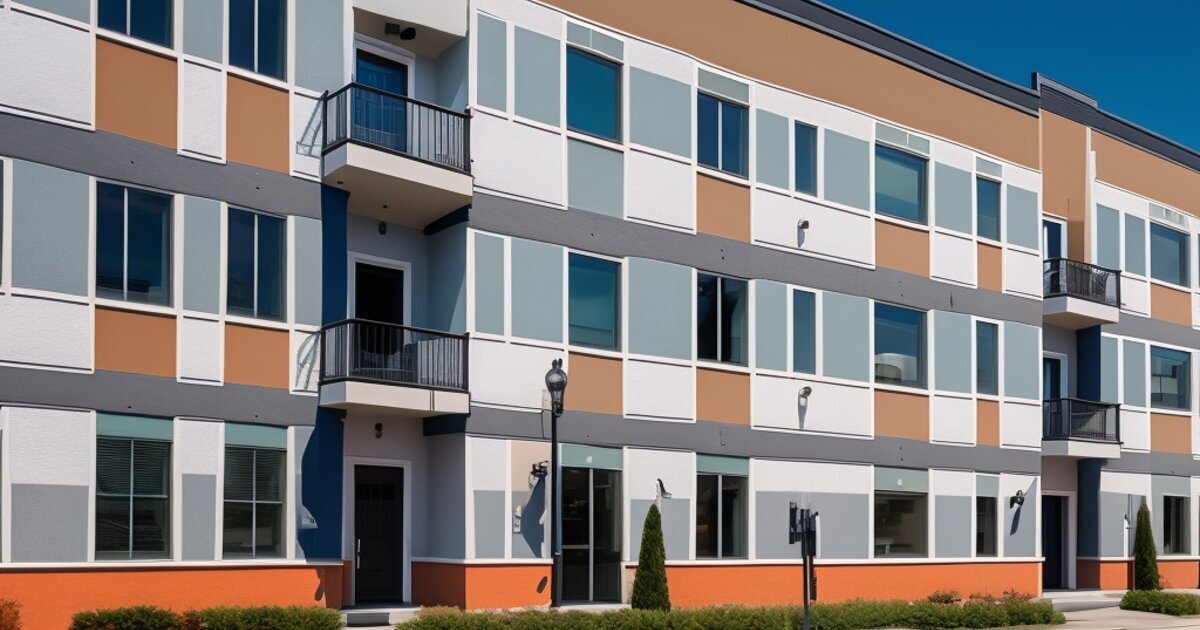
Multi-family properties—apartment communities, condominium complexes, and townhome associations—represent a recurring revenue opportunity for painting contractors and a significant maintenance responsibility for property managers. Unlike commercial buildings with long-term single tenants, multi-family properties experience constant unit turnover, requiring efficient make-ready painting that balances cost control with tenant satisfaction.
For property managers, HOA boards, and apartment operators, understanding the economics, scheduling, and coating requirements of multi-family painting ensures high occupancy rates, satisfied residents, and controlled maintenance costs.
Quick Answer
Multi-family painting should be managed as a recurring maintenance program, not a one-time repaint. Standardize unit colors, turn apartments within 24-48 hours, use durable cleanable finishes in common areas, and plan exterior coatings around Southwest stucco, EIFS, metal, HOA, and reserve-study requirements.
Multi-Family Painting Priorities
The Multi-Family Painting Model
Multi-family painting operates on a recurring maintenance model driven by turnover cycles and exterior weathering.
Unit turnover. The average apartment resident stays 2-3 years. Each move-out requires painting to prepare for the next resident. A 200-unit community with 50% annual turnover paints 100 units per year.
Exterior maintenance. Building exteriors require repainting every 5-10 years depending on substrate, exposure, and coating quality. Stucco, EIFS, wood siding, and metal all have distinct maintenance cycles.
Common areas. Hallways, clubhouses, gyms, and leasing offices see constant use and require periodic refresh. These areas impact first impressions and resident satisfaction.
Curb appeal and leasing. Fresh paint is one of the highest-ROI improvements for leasing. Prospective residents judge properties within seconds of arrival. Faded, peeling, or dated paint signals neglect.
Unit Turnover Painting
Unit turnover is the bread and butter of multi-family painting. Speed and cost control are paramount.
| Painting Need | Best Approach | Management Benefit |
|---|---|---|
| Standard unit turnover | 2-4 neutral colors with eggshell or satin walls | Faster make-ready and lower inventory cost |
| Premium unit refresh | Higher-durability paint and sharper trim scope | Supports rent positioning and fewer callbacks |
| Common areas | Scrubbable, high-traffic finishes | Better resident experience and easier cleaning |
| Exterior repaint | Phased elastomeric, DTM, or substrate-specific systems | Protects curb appeal while limiting disruption |
Standard make-ready scope. A typical unit turnover includes:
- Patch nail holes, wall damage, and minor drywall repair
- Spot prime repaired areas
- Apply one coat of paint to walls (eggshell or satin)
- Paint trim, doors, and closets as needed
- Touch-up ceilings if stained or damaged
A standard one-bedroom unit should take 4-6 hours for a two-person crew. Two-bedroom units take 6-8 hours.
Color standardization. Most properties use 2-4 neutral colors throughout the community. Standardization reduces paint inventory, simplifies ordering, and speeds application. Common colors:
- Warm beige or greige (versatile, hides scuffs)
- Light gray (modern, neutral)
- Soft white (bright, clean)
- Accent wall option (one wall in a deeper neutral)
Product selection for units.
- Walls: Eggshell or satin for scrubbability without excessive shine
- Trim and doors: Semi-gloss white enamel
- Bathrooms: Moisture-resistant semi-gloss
- Kitchens: Scrubbable eggshell or satin
- Closets: Flat or eggshell (economical)
Economy vs. premium. Budget properties use contractor-grade paint with 3-5 year life expectancy. Class A properties use premium paints with 7-10 year durability and superior scrubbability.
Exterior Painting and Maintenance
Building exteriors are the community’s curb appeal and protective envelope.
Stucco and EIFS. The most common exterior substrates in the Southwest. Require elastomeric coatings that bridge hairline cracks and resist moisture intrusion. See our stucco repair guide and EIFS repair guide for detailed information.
Wood siding and trim. Requires regular inspection for rot, pest damage, and paint failure. Solid-color stain or premium exterior paint with primer. Replace rotted wood before painting.
Metal railings and balconies. Prone to rust and corrosion in desert climates. Remove rust, apply rust-inhibitive primer, and finish with direct-to-metal coating. Regular maintenance prevents costly replacement.
Color scheme updates. Exterior color trends change. Updating from dated earth tones to modern grays or whites can transform a community’s appearance. Coordinate with HOA boards for approval.
Monsoon preparation. Inspect and repair sealant, caulking, and coatings before monsoon season. Water intrusion is the primary cause of interior damage in multi-family buildings.
Common Area Painting
Common areas create first impressions and support resident satisfaction.
Leasing office. The sales center for the property. Fresh, modern colors that reflect the brand and target demographic. Accent walls, updated lighting, and professional finishes that compete with new construction.
Hallways and corridors. High-traffic areas that show wear quickly. Dark colors hide scuffs but make spaces feel enclosed. Light colors with durable, scrubbable finishes balance aesthetics and maintenance.
Clubhouse and amenity spaces. Fitness centers, pools, game rooms, and lounges require finishes appropriate to each use. Moisture-resistant coatings near pools, durable finishes in gyms, and comfortable aesthetics in lounges.
Stairwells and elevators. Often neglected but highly visible. Durable, cleanable finishes. Safety markings for step edges and handrails.
HOA and Condominium Considerations
HOA-governed communities have additional decision-making and compliance requirements.
Board approval. Exterior color changes require HOA board approval, often with architectural review committee involvement. Provide color boards, renderings, and samples for review.
CC&R compliance. Covenants, Conditions, and Restrictions may dictate approved colors, materials, and maintenance schedules. Review governing documents before specifying work.
Assessment funding. Major exterior painting projects are often funded through special assessments. Plan projects with adequate lead time for assessment approval and collection.
Owner coordination. In condominium buildings, painting may require access to private balconies, patios, or windows. Coordinate with individual owners for access and protection of personal property.
Reserve studies. Professional reserve studies recommend painting intervals and budget allocations. Follow reserve study recommendations to maintain property values and avoid deferred maintenance.
Cost Management Strategies
Multi-family painting budgets are tight. Property managers use several strategies to control costs.
Volume pricing. Negotiate annual contracts with painting contractors for unit turnovers. Volume commitments secure lower per-unit pricing.
Bulk paint purchasing. Purchase paint in bulk for standard colors used across the portfolio. Store properly and rotate inventory to avoid waste.
Preventive maintenance. Address small issues (touch-up, sealant replacement) before they become major repairs. An annual exterior inspection and touch-up program extends the interval between full recoats.
Phased projects. For large exterior projects, phase by building or section to spread costs over multiple budget years and minimize resident disruption.
Property Manager Checklist
- Standardize unit paint colors to 2-4 neutrals for efficiency and inventory control.
- Use scrubbable eggshell or satin in units for durability and cleanability.
- Schedule unit turnover painting within 24-48 hours of move-out.
- Inspect building exteriors annually for paint failure, sealant issues, and substrate damage.
- Specify elastomeric coatings on stucco and EIFS exteriors.
- Address rust on metal railings immediately to prevent structural compromise.
- Coordinate with HOA boards for exterior color changes and major projects.
- Maintain common areas with durable, professional finishes.
- Follow reserve study recommendations for painting intervals and budgets.
- Request multi-family portfolio references from painting contractors.
Multi-family painting is a recurring maintenance discipline where efficiency, standardization, and curb appeal directly impact revenue. Property managers who develop systematic painting programs, control costs through standardization, and maintain exteriors proactively protect both property values and resident satisfaction.
Facility Manager Checklist
- Standardize Paint Colors: Limit unit turnovers to 2-4 neutral colors to reduce inventory, speed ordering, and simplify application.
- Specify Scrubbable Finishes: Use eggshell or satin sheens in units and durable coatings in common areas for long-term cleanability.
- Turn Units Within 24-48 Hours: Schedule painting immediately after move-out to minimize vacancy days and lost rent.
- Inspect Exteriors Annually: Check stucco, EIFS, wood, and metal surfaces for paint failure, sealant gaps, and substrate damage.
- Apply Elastomeric on Stucco: Use elastomeric coatings that bridge hairline cracks and resist moisture intrusion on Southwest exteriors.
- Coordinate with HOA Boards: Secure architectural review approval and follow CC&R requirements for any exterior color changes.
- Follow Reserve Study Schedules: Align painting intervals and budgets with professional reserve study recommendations for capital planning.
Frequently Asked Questions
How fast should apartment turnover painting be completed?
Most standard unit repainting should be completed within 24-48 hours after move-out when repairs are limited. Faster turnaround reduces vacancy loss and keeps leasing schedules predictable.
What paint finish works best for apartment interiors?
Eggshell or satin is typically best for walls because it balances appearance, touch-up ability, and scrubbability. Bathrooms, kitchens, trim, and doors usually need more moisture-resistant or semi-gloss finishes.
How often should multi-family exteriors be repainted in the Southwest?
Many Southwest multi-family exteriors need repainting every 5-10 years depending on substrate, exposure, coating quality, and maintenance. Stucco, EIFS, wood, and metal should be inspected annually to prevent deferred repairs.
For multi-family apartment, condominium, and HOA painting in the Southwest, contact Moorhouse Coating.
Related Reading
Related Resources
- HOA Community Painting Project
- HOA Planning Guide
- Commercial Stucco Repair and Recoating
- EIFS Repair and Recoating
- Multi-Family Repainting: Minimizing Tenant Disruption
Frequently Asked Questions
How fast should apartment turnover painting be completed?
Most standard unit repainting should be completed within 24 48 hours after move out when repairs are limited. Faster turnaround reduces vacancy loss and keeps leasing schedules predictable.
What paint finish works best for apartment interiors?
Eggshell or satin is typically best for walls because it balances appearance, touch up ability, and scrubbability. Bathrooms, kitchens, trim, and doors usually need more moisture resistant or semi gloss finishes.
How often should multi family exteriors be repainted in the Southwest?
Many Southwest multi family exteriors need repainting every 5 10 years depending on substrate, exposure, coating quality, and maintenance. Stucco, EIFS, wood, and metal should be inspected annually to prevent deferred repairs. For multi family apartment, condominium, and HOA painting in the Southwest, contact Moorhouse Coating.