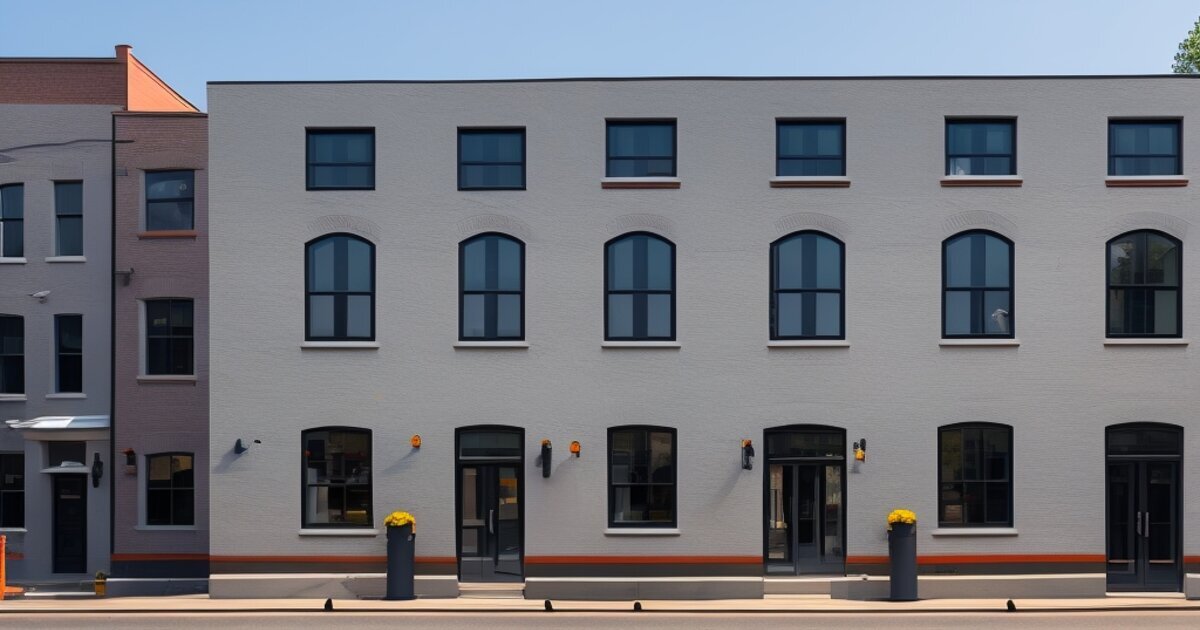
Masonry buildings—brick, stone, and terra cotta—are among the most durable commercial structures ever built. Many historic commercial buildings in the Southwest have stood for 80-120 years with minimal maintenance. But masonry is not maintenance-free. Mortar joints deteriorate, bricks spall, stones shift, and moisture intrusion causes progressive damage that accelerates exponentially if left unaddressed.
For facility managers overseeing historic commercial buildings, brick storefronts, or stone-clad office buildings, understanding masonry restoration, repointing, and protective coatings ensures that these assets continue performing for another century.
Quick Answer
Masonry restoration should begin with inspection, moisture-source correction, and mortar analysis before cleaning, repointing, or applying protective treatments. Historic brick and stone buildings need compatible mortar, gentle cleaning, breathable sealers, and minimal intervention so repairs protect the wall without trapping moisture or damaging original masonry.
Masonry Restoration Process
Understanding Masonry Deterioration
Masonry deterioration is a progressive process that accelerates if not addressed.
Mortar joint failure. Mortar is the sacrificial element in masonry construction—it is designed to deteriorate before the brick or stone. Over 50-100 years, mortar becomes friable, cracks, and erodes. Failed mortar joints allow water intrusion, which accelerates deterioration.
Spalling. Water enters masonry, freezes, and expands, causing the outer surface to spall (chip or flake away). In the Southwest, spalling is less common than in freeze-thaw climates but still occurs at foundation lines and parapets where moisture accumulates.
Efflorescence. Soluble salts migrate through masonry and crystallize on the surface. While primarily cosmetic, efflorescence indicates moisture movement that may cause damage over time.
Staining and soiling. Environmental pollutants, biological growth, and previous coating applications stain masonry surfaces. These stains detract from appearance and may indicate underlying moisture problems.
Structural movement. Settlement, thermal expansion, and seismic activity cause cracks and displacement in masonry. These issues require engineering evaluation before cosmetic repairs.
Assessment and Documentation
Before beginning restoration, conduct a thorough assessment.
Visual inspection. Walk the entire facade and document:
- Mortar joint condition (eroded, cracked, missing)
- Spalled or cracked bricks/stones
- Efflorescence locations
- Staining patterns
- Cracks and displacement
- Failed previous repairs
Mortar analysis. For historic buildings, analyze existing mortar composition (sand, binder, lime content). The replacement mortar must match the original in composition, color, and hardness. Harder mortar than the original causes the masonry units to deteriorate instead of the mortar.
Moisture evaluation. Identify sources of moisture intrusion. Common sources include:
- Failed roof drainage and gutters
- Capillary rise from ground contact
- Irrigation spray against walls
- Interior humidity migration
- Failed flashing and sealant
Photographic documentation. Before, during, and after photographs document the scope and quality of work. This is essential for historic tax credits and preservation compliance.
Cleaning Masonry Surfaces
Cleaning is the first step in restoration and must be performed carefully to avoid damage.
Water washing. Low-pressure water washing (400-600 PSI) removes loose dirt and biological growth. This is the gentlest method and should be attempted first.
Chemical cleaning. Proprietary masonry cleaners dissolve stains and soiling without damaging the substrate. Test on an inconspicuous area first. Common cleaners include:
- Acid-based (for mineral deposits and efflorescence)
- Alkaline-based (for organic stains and grease)
- Biocide treatments (for biological growth)
Abrasive cleaning. Gentle abrasive methods include:
- Glass bead blasting (micro-abrasion)
- Sponge blasting
- Brushing with nylon brushes
Avoid sandblasting, which destroys the masonry surface and accelerates future deterioration.
Poultices. For deep-set stains, poultices draw contaminants out of the masonry. Apply the poultice, allow it to dry, and remove with the absorbed stain.
Repointing (Tuckpointing)
Repointing is the process of removing deteriorated mortar and replacing it with new, compatible mortar.
Masonry Repair Decision Table
| Condition Found | Recommended Action | Why It Matters | Avoid |
|---|---|---|---|
| Mortar eroded 1/4 inch or more | Repoint with compatible mortar matched to original | Restores water shedding while preserving masonry units | Hard Portland cement mortar on historic brick |
| Isolated spalled brick or stone | Repair or replace individual units with matching material | Preserves original facade and limits scope | Replacing broad areas without matching color, texture, and size |
| Efflorescence or damp staining | Identify and correct moisture source before cleaning | Treats the cause instead of only the visible symptom | Sealing wet masonry with impermeable coatings |
| Surface soiling without structural damage | Use low-pressure washing or tested masonry cleaner | Removes contamination while protecting the fired face | Sandblasting or aggressive grinding |
| Hairline cracking with movement | Obtain engineering review before cosmetic repair | Movement may indicate settlement, thermal stress, or seismic effects | Filling cracks without addressing active movement |
When to repoint. Repoint when mortar joints have eroded to a depth of 1/4 inch or more, show cracking, or have missing sections. Do not repoint sound mortar—it causes unnecessary damage.
Mortar removal. Remove deteriorated mortar to a uniform depth of 2-2.5 times the joint width. Use hand tools (plugging chisels, joint rakes) or power tools with masonry blades. Avoid angle grinders, which damage adjacent masonry units.
Mortar selection. Match replacement mortar to original in:
- Color and aggregate size
- Compressive strength (should be weaker than masonry units)
- Permeability (should match or exceed original)
- Lime content (historic mortars are typically lime-rich)
Application. Pack mortar tightly into joints in 1/4-inch lifts. Tool joints to match original profile (concave, vee, weathered, etc.). Protect fresh mortar from rapid drying—mist with water and cover in hot, dry conditions.
Cure time. Lime-based mortars require 28-30 days to achieve initial set and continue curing for months. Protect from rain and rapid drying during cure.
Brick and Stone Repair
Individual masonry units may require repair or replacement.
Dutchman repairs. Replace damaged portions of brick or stone with matching material. This preserves original fabric while addressing damage.
Replacement units. When individual bricks or stones are beyond repair, replace with matching units. Source replacement materials that match color, texture, size, and weathering of originals.
Consolidation. Apply consolidants (silane, siloxane, or ethyl silicate) to deteriorated stone or terra cotta. These products penetrate and strengthen the substrate without changing appearance.
Terra cotta repair. Terra cotta is particularly vulnerable to moisture damage. Repair with compatible terra cotta or specialty repair compounds. Terra cotta restoration requires specialized expertise.
Protective Coatings for Masonry
After cleaning and repair, protective treatments extend masonry life.
Penetrating sealers. Clear, breathable treatments that repel water while allowing vapor transmission. Types include:
- Silane/siloxane: Deep penetration, long-lasting (10-15 years). Ideal for dense brick and stone.
- Silicates: React with masonry to form water-repellent barrier. Good for porous materials.
- Acrylics: Film-forming sealers that provide some gloss. Less breathable than silane/siloxane.
Breathability requirement. Masonry must breathe—water vapor must be able to escape. Impermeable coatings (standard paint, urethane) trap moisture and accelerate deterioration. Specify breathable treatments with permeance ratings above 5 perms.
Color matching. When coating is necessary for aesthetic reasons, use mineral paints or lime washes that are compatible with masonry chemistry. Standard latex paint is not appropriate for historic masonry.
Anti-graffiti treatments. Sacrificial or semi-sacrificial coatings protect masonry from graffiti while allowing removal without damage. Reapply sacrificial coatings after each graffiti removal.
Historic Preservation Considerations
Historic masonry buildings require specialized approaches.
Secretary of Interior Standards. Work on historic buildings should follow the Secretary of the Interior’s Standards for Rehabilitation. These standards emphasize preserving historic character and using compatible materials.
Historic tax credits. Federal and state historic tax credits may apply to masonry restoration. Work must meet preservation standards and be documented thoroughly.
Materials matching. Use historically appropriate materials. Modern Portland cement mortar is harder and less breathable than historic lime mortar. Using modern mortar on historic buildings causes damage.
Minimal intervention. Preserve as much original material as possible. Repair rather than replace. Document all interventions.
Frequently Asked Questions
When does masonry need repointing?
Masonry usually needs repointing when mortar has eroded at least 1/4 inch, cracked, become friable, or gone missing. Sound mortar should be left in place to avoid unnecessary damage to adjacent brick or stone.
Why is breathable masonry protection important?
Brick, stone, and mortar need to release water vapor. Breathable silane, siloxane, mineral paint, or lime wash systems help repel bulk water without trapping moisture inside the wall.
Can historic brick be cleaned with sandblasting?
No. Sandblasting can remove the fired face of brick and accelerate future deterioration. Low-pressure washing, tested chemical cleaners, poultices, or gentle micro-abrasive methods are safer choices.
Related Reading
- Commercial Stucco Repair and Recoating
- EIFS Repair and Recoating
- Window and Door Frame Restoration
- Expansion Joint and Caulking Replacement
- Coating Failure Modes and How to Spot Them Early
Facility Manager Checklist
- Inspect Mortar Joints Annually: Document erosion depth and identify repointing needs before water intrusion accelerates deterioration.
- Analyze Original Mortar Composition: Match replacement mortar in sand, binder, lime content, and compressive strength for historic compatibility.
- Identify Moisture Sources First: Correct failed drainage, gutters, flashing, and irrigation spray before cosmetic repairs.
- Clean Gently Before Repair: Start with low-pressure water washing; avoid sandblasting which destroys masonry surfaces permanently.
- Match Replacement Units: Source bricks or stones that match original color, texture, size, and weathering when replacement is necessary.
- Specify Breathable Sealers: Use silane or siloxane penetrating treatments with permeance above 5 perms to allow vapor escape.
- Photograph All Work Stages: Maintain before, during, and after documentation for historic tax credits and preservation compliance.
Masonry restoration is a specialized craft that requires knowledge of historic materials, mortar chemistry, and preservation principles. Facility managers who invest in proper assessment, compatible materials, and skilled craftsmen preserve buildings that will serve for generations.
For masonry restoration, repointing, and preservation in the Southwest, contact Moorhouse Coating.
Frequently Asked Questions
When does masonry need repointing?
Masonry usually needs repointing when mortar has eroded at least 1/4 inch, cracked, become friable, or gone missing. Sound mortar should be left in place to avoid unnecessary damage to adjacent brick or stone.
Why is breathable masonry protection important?
Brick, stone, and mortar need to release water vapor. Breathable silane, siloxane, mineral paint, or lime wash systems help repel bulk water without trapping moisture inside the wall.
Can historic brick be cleaned with sandblasting?
No. Sandblasting can remove the fired face of brick and accelerate future deterioration. Low pressure washing, tested chemical cleaners, poultices, or gentle micro abrasive methods are safer choices.