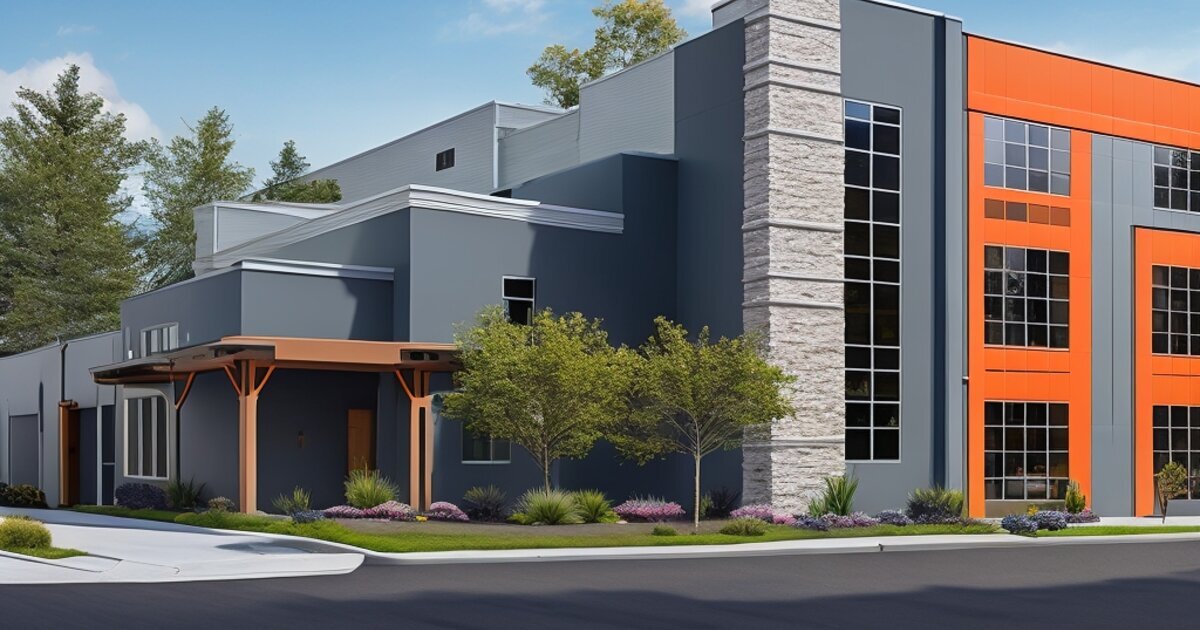
Wood brings architectural distinction to Southwest commercial buildings. From exposed timber beams to entry doors and pergolas, it elevates structures from functional to memorable. Yet in the desert climate, these elements are among the most vulnerable exterior features a facility manager must maintain.
Intense UV radiation, extreme dryness, and seasonal monsoon moisture create a deterioration cycle unique to this region. Understanding how desert climate affects wood, how to classify damage, and which coatings provide lasting protection helps preserve architectural character while avoiding maintenance cycles that drain budget and erode curb appeal.
Quick Answer
Commercial exterior wood restoration in the Southwest starts with damage classification and moisture testing, then proceeds through coating removal, decay repair or replacement, priming of bare wood and end grain, and a UV-resistant finish system. Solid-color acrylic stains and 100-percent acrylic paints usually provide the most durable commercial protection in high-sun desert exposures.
Key Takeaways
- Inspect exposed beams, doors, fascia, trim, and pergolas annually, with extra attention after monsoon season.
- Do not coat over gray, loose, soft, or moisture-damaged wood; remove failed fibers first.
- Replace structurally compromised elements instead of relying on filler or coating to hide decay.
- Choose pigmented, UV-resistant systems for long service life in Phoenix, Tucson, Las Vegas, and similar climates.
Wood Restoration Process
Desert Climate Damage to Exterior Wood
The Southwest desert attacks exterior wood through three mechanisms that facility managers must understand.
UV radiation is the primary accelerant. At Phoenix and Tucson latitudes, solar intensity exceeds 6.5 kWh per square meter daily. UV breaks down lignin, causing fibers to gray and lose integrity. Clear finishes fail first for lack of UV-absorbing pigments. Within two to three years, unprotected wood develops a silver-gray patina signaling surface fiber death.
Extreme dryness compounds the damage. Desert relative humidity drops below 15 percent regularly, causing shrinkage. Wet-dry cycling stresses joints and fasteners, opening checks and cracks that create pathways for moisture.
Monsoon moisture completes the failure chain. Wind-driven rain saturates cracked wood. In shaded exposures, moisture content can remain above 20 percent for days, creating conditions for decay fungi and compromised wood at beam ends and horizontal surfaces.
For more on desert heat effects on coatings and scheduling, see our Phoenix summer painting guide.
Assessment and Damage Classification
Effective restoration requires distinguishing superficial weathering from structural damage.
Class 1: Surface Weathering — Uniform graying; intact grain; aesthetic failure only.
Class 2: Moderate Degradation — Surface checks; minor fiber lifting; localized soft spots.
Class 3: Advanced Degradation — Deep checking, warping, or cupping; active decay or fungal growth; structural compromise.
Class 4: Structural Failure — Rot in load-bearing sections; connection failures; safety hazards.
Document with photographs and moisture meter readings. Readings above 20 percent moisture content warrant investigation for moisture sources and fungal activity.
Restoration Process
Stripping
Remove all failed coating and grayed fibers before refinishing. Chemical strippers handle multi-layer buildup with neutralization and rinsing. Walnut shell or corn cob media blasting removes weathered fibers without damaging profiles. Test readiness with a damp cloth: uniform soaking means the surface is ready.
Repair
Replace Class 3 and 4 elements rather than coating over decay. Use species-matched lumber for structural repairs. Epoxy consolidation can stabilize moderately decayed wood when replacement is impractical. Fill checks and cracks with exterior-rated epoxy filler or flexible acrylic caulk.
Priming
Bare desert wood needs an oil-based or alkyd primer to stabilize the surface and block end-grain moisture wicking. Apply generously to end grain, joints, and fastener heads, and back-prime replacement boards before installation.
Coating
Finish with a high-performance exterior coating matched to the species, exposure, and aesthetic requirements. For guidance on matching coatings to environmental demands, see our coating selection guide.
Protective Coating Selection for Wood in Desert Climates
Facility managers should specify coatings based on performance data.
Solid-color acrylic stains offer the best balance of UV protection and maintenance simplicity for commercial applications. High pigment loadings block UV while allowing vapor transmission. Expect five to seven years on full-sun elevations.
Semi-transparent stains preserve grain visibility but require reapplication every two to three years in high-UV conditions. Best for architectural showpieces where aesthetics justify the commitment.
Film-forming acrylic latex paints provide maximum UV protection for trim and details. Specify 100-percent acrylic formulations with UV-resistant pigments.
Avoid: oil-based varnishes that become brittle under UV; low-quality alkyd paints; clear preservatives without UV absorbers.
For budgeting, see our commercial painting cost guide. For complementary envelope strategies, see commercial stucco repair and masonry restoration.
Facility Manager Checklist
- Inspect exterior wood annually. Focus on beams, fascia, trim, and horizontal surfaces.
- Classify damage. Distinguish surface weathering from structural decay.
- Measure moisture content. Target below 15 percent before coating; investigate above 20 percent.
- Remove failed coating and grayed wood. Do not finish over degraded substrate.
- Replace decayed elements. Epoxy consolidation is temporary, not permanent.
- Prime bare wood, especially end grain. Use oil-based or alkyd primer.
- Specify 100-percent acrylic or high-performance stain. Confirm UV resistance in writing.
- Plan work for spring or fall. Avoid summer heat and monsoon moisture.
- Require wet film thickness verification. Confirm specified coverage rates.
- Recoat before visible failure. Proactive maintenance extends wood life.
Frequently Asked Questions
What is the best coating for exterior wood in the Southwest?
For most commercial properties, solid-color acrylic stain or 100-percent acrylic exterior paint provides the best balance of UV protection, vapor transmission, and maintainability. Semi-transparent stains can work for architectural features, but they require more frequent reapplication.
Can weathered gray wood be stained or painted directly?
No. Gray wood fibers are UV-damaged and should be removed before refinishing. Coating directly over weathered fibers leads to poor adhesion, uneven appearance, and faster failure.
When should exterior wood be replaced instead of restored?
Replace wood when it has active rot, deep checking, warping, cupping, connection failure, or moisture readings that indicate ongoing decay risk. Coatings can protect sound wood, but they cannot restore structural capacity.
Conclusion
Exterior wood is among the most significant—and most vulnerable—elements on Southwest commercial buildings. The desert accelerates deterioration rapidly once coatings fail.
Facility managers who inspect systematically, classify damage accurately, and follow proper restoration sequences can preserve wood for decades. Quality assessment and coating systems deliver extended service life and sustained curb appeal.
If your property has exterior wood showing weathering or coating failure, contact Moorhouse Coating for an assessment and restoration plan tailored to your building’s exposure.
Related Reading
- Commercial Painting Cost: Budget Drivers and Cost-Reduction Strategies
- Coating Selection Guide: Matching Products to Performance Requirements
- Phoenix Summer Painting: Heat Scheduling and Substrate Temperature Limits
- Commercial Stucco Repair and Recoating in the Desert Southwest
- Masonry Restoration and Repointing
- Silicone Coating Systems for Desert Climates
Frequently Asked Questions
What is the best coating for exterior wood in the Southwest?
For most commercial properties, solid color acrylic stain or 100 percent acrylic exterior paint provides the best balance of UV protection, vapor transmission, and maintainability. Semi transparent stains can work for architectural features, but they require more frequent reapplication.
Can weathered gray wood be stained or painted directly?
No. Gray wood fibers are UV damaged and should be removed before refinishing. Coating directly over weathered fibers leads to poor adhesion, uneven appearance, and faster failure.
When should exterior wood be replaced instead of restored?
Replace wood when it has active rot, deep checking, warping, cupping, connection failure, or moisture readings that indicate ongoing decay risk. Coatings can protect sound wood, but they cannot restore structural capacity.