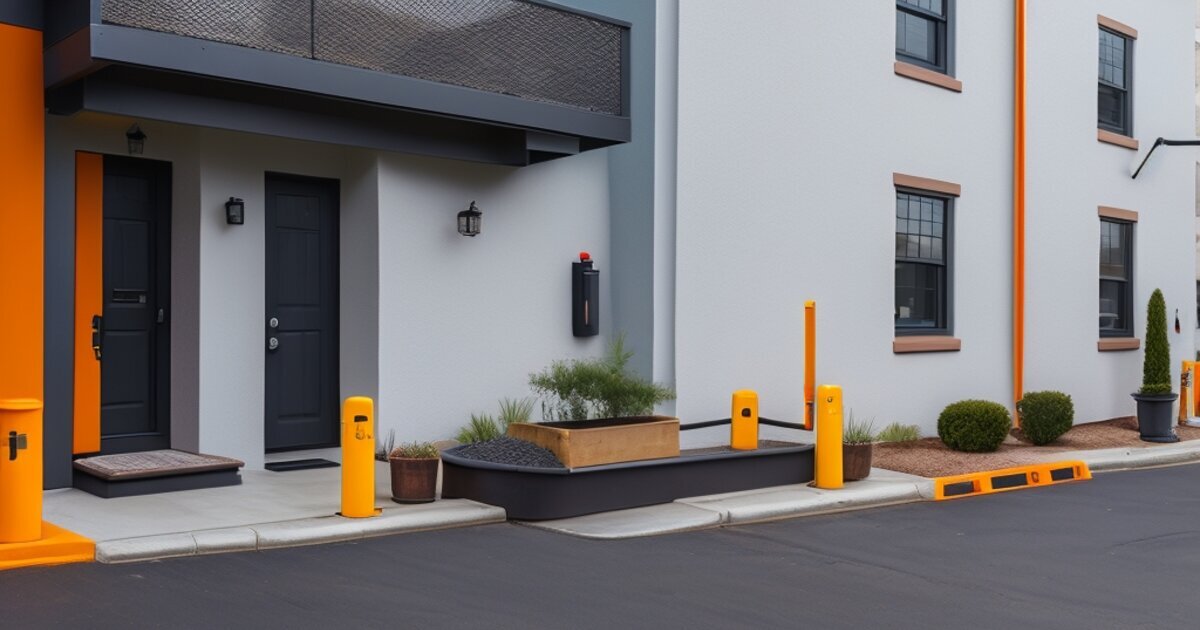
Exterior Insulation and Finish Systems (EIFS) are common on commercial buildings throughout the Southwest. The combination of continuous insulation and decorative finish makes EIFS an energy-efficient, architecturally versatile cladding. In the desert, however, EIFS faces unique challenges: intense UV radiation, thermal cycling, wind-driven rain during monsoons, and impact damage from landscaping equipment and hail.
When EIFS fails, the damage is often hidden until it becomes extensive. Facility managers who understand EIFS construction, failure modes, and proper repair techniques can address problems early and avoid the costly full-system replacement that results from deferred maintenance.
Quick Answer
EIFS repair and recoating should begin with a moisture and delamination assessment, not just cosmetic patching. Sound EIFS can often be repaired locally and recoated with breathable 100% acrylic elastomeric coatings, while moisture-damaged or hollow areas require removal, substrate repair, drainage verification, new mesh, and compatible finish coats.
Key Takeaways
- Inspect EIFS quarterly for cracks, staining, impact dents, soft spots, and failed sealants.
- Use tap testing and thermal imaging before recoating so trapped moisture is not sealed into the wall.
- Replace failed sealants every 5-7 years in desert exposure to prevent water intrusion.
- Choose light or medium elastomeric finishes with UV resistance and vapor permeability for Southwest buildings.
EIFS Layer Assembly
Understanding EIFS Construction
EIFS is a multi-layer exterior wall system consisting of:
- Substrate (plywood, OSB, or gypsum sheathing)
- Water-resistive barrier (WRB) or fluid-applied membrane
- Adhesive or mechanical fasteners attaching insulation to substrate
- EPS (expanded polystyrene) insulation board
- Base coat with embedded fiberglass mesh
- Finish coat providing color and texture
Modern EIFS includes a drainage plane—a gap between the WRB and insulation that allows water to escape. Older barrier EIFS systems lack this drainage and are more susceptible to moisture damage. Facility managers should determine which system is installed before planning repairs.
Desert-Specific Failure Modes
EIFS failures in the Southwest follow patterns distinct from humid climates.
UV degradation of finish coat. The acrylic finish coat contains pigments and binders that break down under intense UV. Chalking, fading, and embrittlement are the visible results. Once the finish coat loses flexibility, it cannot accommodate thermal movement and begins to crack.
Thermal cycling stress. Daily temperature swings of forty to fifty degrees cause the EPS insulation and substrate to expand and contract at different rates. Over time, this differential movement creates stress at joints, corners, and penetrations. The finish coat cracks first, followed by the base coat and mesh.
Impact damage. Landscaping equipment, hail, and foot traffic damage the relatively soft EPS core. Even small impacts create dents that collect water and compromise the system. In the desert, where irrigation systems are common, damaged EIFS near ground level is frequently saturated.
Sealant failure. EIFS relies on sealant joints at windows, doors, expansion joints, and penetrations. Desert UV degrades sealants faster than in milder climates. Failed sealants allow water entry at the most vulnerable points of the system.
Moisture intrusion. When water enters through cracks, failed sealants, or impact damage, it becomes trapped in barrier EIFS systems or drains slowly in modern drainage systems. The result is softened substrate, mold growth in the wall cavity, and delamination of the insulation from the sheathing.
Assessment: Identifying EIFS Damage
Early detection prevents minor repairs from becoming major system replacement.
Visual inspection. Walk the exterior quarterly, looking for:
- Cracking in the finish coat, particularly at joints and corners
- Discoloration or staining that indicates moisture
- Impact damage, dents, or punctures
- Separated or missing sealant
- Soft areas that indicate delamination
Tap testing. Use a rubber mallet or fist to tap the EIFS surface. Solid, bonded areas produce a sharp sound. Delaminated or moisture-damaged areas sound hollow or dull. Mark these areas for further investigation.
Thermal imaging. Infrared cameras can detect moisture trapped within the wall assembly. Wet insulation has different thermal properties than dry insulation and appears as temperature anomalies on thermal images. This is particularly useful for identifying moisture in barrier EIFS where there is no visible exterior damage.
Probe testing. In suspected moisture areas, small probe holes can be drilled to inspect the substrate and insulation. This is invasive and should be performed by qualified technicians, but it provides definitive evidence of moisture damage.
Repair Techniques
EIFS repair requires specialized knowledge and materials. Standard stucco or drywall repair techniques are not appropriate.
Small impact damage (under 6 inches).
- Cut away damaged finish and base coat back to sound mesh
- Remove damaged EPS insulation
- Fill void with compatible EPS patch material
- Apply new base coat with embedded mesh, feathering edges
- Apply finish coat matching existing texture and color
Crack repair. Hairline cracks can be bridged with elastomeric coatings if the substrate is sound. Wider cracks require cutting back to solid material, installing new mesh, and rebuilding the base and finish coats.
Large area damage or moisture intrusion. When damage exceeds isolated patches or moisture has compromised the substrate, partial or full system removal is necessary. This involves:
- Removing finish coat, base coat, and insulation back to sound substrate
- Inspecting and repairing sheathing and WRB
- Installing new insulation with proper drainage
- Rebuilding base coat with mesh
- Applying finish coat
Sealant replacement. Remove failed sealant completely, clean joints, install backer rod, and apply new compatible sealant. This is preventive maintenance that should be performed every five to seven years in desert climates.
Coating and Recoating EIFS
When the EIFS finish coat has degraded but the system is otherwise sound, recoating extends service life without full system replacement.
Elastomeric coatings are the preferred recoating product for EIFS in the desert. They bridge hairline cracks, provide a monolithic waterproof barrier, and accommodate thermal movement. Specify:
- 100% acrylic formulation
- Permeance rating that allows vapor transmission (breathable)
- UV resistance suitable for desert exposure
- Compatibility with existing EIFS finish
Application considerations. EIFS must be clean, dry, and sound before recoating. Pressure wash at low pressure to avoid damaging the finish. Allow thorough drying—typically twenty-four to forty-eight hours in desert conditions. Apply at the manufacturer’s specified thickness, typically two coats for elastomeric systems.
Color selection. Dark colors absorb more solar energy and accelerate thermal cycling stress. In the desert, specify light or medium colors with high solar reflectance. If brand colors require dark shades, expect shorter recoating intervals and consider IR-reflective pigment technology.
Frequently Asked Questions
Can EIFS be recoated without removing the existing finish?
Yes, but only when the EIFS is dry, bonded, clean, and free of active cracking or substrate damage. Moisture testing, tap testing, and selective probes should confirm the assembly is sound before an elastomeric coating is applied.
What are the most common EIFS problems in desert climates?
The most common issues are UV-degraded finish coats, cracked sealants, impact dents near grade, thermal movement cracks, and moisture intrusion after monsoon storms or irrigation exposure. These failures often start small but spread quickly if water reaches the insulation or sheathing.
How often should commercial EIFS be inspected?
Facility teams should perform visual inspections quarterly and after severe wind, hail, or monsoon events. A more detailed annual inspection should include sealant review, tap testing, and documentation of any hollow or stained areas.
Related Reading
- Commercial Stucco Repair and Recoating
- Coating Selection Guide
- Phoenix Commercial Painting Guide
- Arizona Monsoon Dust Storm Coating Protection
- Coating Failure Modes and How to Spot Them Early
Facility Manager Checklist
- Determine whether the system is barrier or drainage EIFS: Understanding the construction type guides repair strategy and moisture management expectations.
- Inspect the exterior quarterly: Walk the building after monsoon season and severe weather to identify cracking, staining, impact damage, and separated sealant.
- Tap test annually and mark hollow-sounding areas: Delaminated or moisture-damaged EIFS produces a dull sound requiring further investigation and repair.
- Replace sealants every 5-7 years in desert climates: Failed sealant at windows, joints, and penetrations is the primary water intrusion pathway and most cost-effective preventive maintenance.
- Address impact damage immediately before moisture intrusion: Remove damaged EPS, apply compatible patch material with mesh, and rebuild base and finish coats.
- Specify 100% acrylic elastomeric coatings for recoating: Verify compatibility with existing finish, require 300%+ elongation, and confirm breathable permeance ratings.
- Require thermal imaging before recoating: Use infrared cameras to detect moisture trapped in wall cavities and verify substrate integrity before coating application.
EIFS is a high-performance cladding when properly maintained. In the desert Southwest, proactive inspection, timely sealant replacement, and appropriate coating selection can extend EIFS service life to twenty-five years or more. Deferred maintenance turns minor repairs into five-figure replacement projects.
For EIFS assessment, repair, and recoating in Arizona and the Southwest, contact Moorhouse Coating.
Frequently Asked Questions
Can EIFS be recoated without removing the existing finish?
Yes, but only when the EIFS is dry, bonded, clean, and free of active cracking or substrate damage. Moisture testing, tap testing, and selective probes should confirm the assembly is sound before an elastomeric coating is applied.
What are the most common EIFS problems in desert climates?
The most common issues are UV degraded finish coats, cracked sealants, impact dents near grade, thermal movement cracks, and moisture intrusion after monsoon storms or irrigation exposure. These failures often start small but spread quickly if water reaches the insulation or sheathing.
How often should commercial EIFS be inspected?
Facility teams should perform visual inspections quarterly and after severe wind, hail, or monsoon events. A more detailed annual inspection should include sealant review, tap testing, and documentation of any hollow or stained areas.