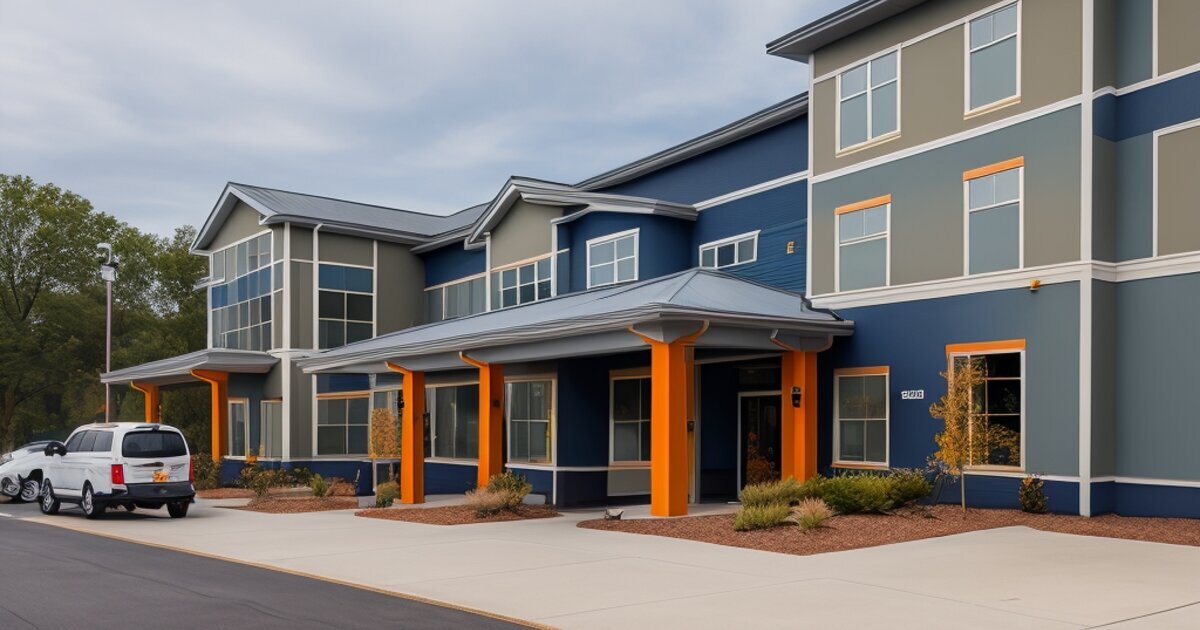
Educational facilities present a unique combination of institutional requirements, developmental sensitivity, and scheduling constraints. K-12 schools, daycare centers, and campus buildings must be safe for children, durable enough to withstand heavy use, and painted during limited windows when students are not present. The colors and finishes chosen can even influence learning outcomes and behavior.
For school administrators, facilities directors, and daycare operators, understanding the specialized requirements of educational painting ensures environments that support both safety and learning.
Quick Answer
Educational facility painting should prioritize zero-VOC, non-toxic coatings, durable scrubbable finishes, and work schedules that keep children and staff away from wet paint and odors. The best specifications account for academic calendars, lead-paint rules in older buildings, high-traffic abuse, and age-appropriate colors that support focus, wayfinding, and safety.
Key Takeaways
| Priority | Practical Requirement |
|---|---|
| Student safety | Use zero-VOC, low-odor, non-toxic coatings and verify ventilation before reopening. |
| Durability | Specify scrubbable satin or eggshell finishes in classrooms, corridors, cafeterias, and restrooms. |
| Scheduling | Complete major work during summer break or planned closures with time for off-gassing. |
| Compliance | Confirm EPA RRP procedures before disturbing pre-1978 painted surfaces. |
Educational Facility Painting Priorities
Safety Requirements for Educational Facilities
Children are more vulnerable to chemical exposure than adults. Educational facilities have the strictest requirements for paint safety.
Zero-VOC requirement. Many school districts and states mandate zero-VOC or ultra-low-VOC paints for all interior applications. California, for example, has strict limits on VOC content in schools. Specify products with VOC content below 5 g/L.
No lead paint. Schools built before 1978 may contain lead paint. Any disturbance of painted surfaces requires EPA RRP (Renovation, Repair, and Painting) certification and compliance. This includes sanding, scraping, or demolition that could release lead dust.
Odor sensitivity. Children, teachers, and staff are sensitive to paint odors. Use low-odor formulations and ensure thorough ventilation. Schedule painting when the building is unoccupied to allow complete off-gassing before students return.
Antimicrobial coatings. High-touch surfaces (door handles, railings, light switches) and restrooms benefit from antimicrobial coatings that reduce bacterial growth. While not a substitute for cleaning, these products provide an additional hygiene layer.
Slip resistance. Floors in entryways, cafeterias, and restrooms must maintain slip resistance even when wet. Specify appropriate floor coatings with anti-slip aggregates.
Scheduling Around Academic Calendars
Educational facilities have limited windows for painting, making scheduling critical.
Summer break. The primary painting season for K-12 schools. Typically 8-12 weeks between late May and early August. Contractors must complete all work before students return. Plan for weather delays and supply chain issues.
Winter break. A shorter window (2-3 weeks) suitable for smaller projects, touch-up, or isolated areas. Not suitable for major renovations.
Spring break. One week, appropriate for emergency repairs or small touch-up projects.
Weekends and nights. For schools that cannot close, painting must occur during off-hours. This increases labor costs but allows continuous operation.
Daycare and preschool. These facilities operate year-round with minimal closures. Painting must occur during evenings, weekends, or scheduled closures. Zero-odor products are essential since young children are especially sensitive.
College campuses. Universities have more flexibility with summer sessions, winter break, and semester transitions. However, dormitories, dining halls, and student centers may operate continuously.
Durability for High-Traffic Abuse
Educational facilities endure abuse that exceeds most commercial environments.
Walls. Backpacks, chairs, carts, and sports equipment strike walls daily. Specify high-build, scrubbable coatings that withstand impact and frequent cleaning. Eggshell or satin sheens balance durability with glare control.
Hallways and corridors. The highest-traffic areas. Dark colors hide scuffs but make spaces feel institutional. Light colors with durable finishes withstand cleaning. Consider chair rails or wainscoting in high-abuse zones.
Classrooms. Moderate traffic but frequent reconfiguration. Walls need scrubbability for marker, crayon, and adhesive residue. Magnetic or whiteboard paint on selected walls supports interactive learning.
Cafeterias and multipurpose rooms. Food spills, chair dragging, and equipment movement. Durable, scrubbable finishes. Floors require commercial-grade coatings that resist abrasion and staining.
Gymnasiums and locker rooms. Athletic facilities require specialized wood floor finishes, wall padding, and moisture-resistant locker room coatings. See our [sports facility painting guide] for detailed information.
Restrooms. Constant moisture and heavy use. Moisture-resistant, antimicrobial semi-gloss or gloss finishes. Epoxy or urethane floor coatings resist water and chemicals.
Color Psychology for Learning
Research demonstrates that color influences student behavior, attention, and academic performance.
Classroom colors.
- Blue and green: Calming colors that improve focus and reading comprehension. Ideal for classrooms and libraries.
- Yellow: Stimulates creativity and energy. Use as an accent, not a dominant color, to avoid overstimulation.
- Red: Increases alertness but can raise anxiety. Use sparingly for emphasis.
- Neutral backgrounds: Allow educational materials and student work to stand out.
Age-appropriate colors.
- Elementary: Warm, bright colors that create welcoming, stimulating environments.
- Middle school: Transition to more sophisticated palettes that respect growing independence.
- High school: Mature, professional colors that prepare students for college and career environments.
- Daycare: Warm, cheerful colors with high contrast for visual development.
Wayfinding and identity. Color-coded wings, grade levels, or departments help students navigate large campuses. Consistent color schemes create school identity and pride.
Daycare and Preschool Considerations
Young children have unique developmental and safety needs.
Non-toxic requirement. Specify paints certified non-toxic and safe for children. Look for certifications from organizations that verify child safety.
Chew resistance. Toddlers may chew on painted surfaces (cribs, railings, furniture). Use durable, non-toxic finishes that resist moisture and wear.
Easy cleaning. Finger paint, food, and bodily fluids require frequent cleaning. Specify highly scrubbable, stain-resistant finishes.
Sensory stimulation. Appropriate color contrast supports visual development. Avoid overly bright or busy patterns that may overstimulate.
Nap rooms. Calming colors (soft blue, green, lavender) promote rest. Matte finishes reduce light glare.
Regulatory and Compliance
Educational facilities operate under multiple regulatory frameworks.
EPA RRP Rule. Any renovation in pre-1978 schools that disturbs painted surfaces requires RRP-certified contractors, lead-safe work practices, and proper documentation.
State school facility standards. Many states have specific requirements for school building maintenance, including painting intervals, color restrictions, and product specifications.
ADA compliance. Educational facilities must maintain accessible routes, signage contrast, and wayfinding for students with disabilities.
Fire code. Interior finishes must meet flame spread ratings. Verify that specified coatings comply with applicable fire codes.
Indoor air quality. Many school districts have indoor air quality (IAQ) policies that restrict VOC emissions and require ventilation during and after painting.
Facility Manager Checklist
- Specify zero-VOC, non-toxic paints for all interior applications: Select products with VOC content below 5 g/L and factory-tinted options to avoid point-of-sale additives.
- Verify EPA RRP compliance for pre-1978 buildings: Confirm contractors hold RRP certification and follow lead-safe work practices before any surface disturbance.
- Use durable, scrubbable finishes in high-traffic areas: Specify eggshell or satin sheens in hallways, classrooms, and cafeterias to withstand impact and frequent cleaning.
- Apply calming colors in classrooms and libraries: Use blue and green tones to improve focus and reading comprehension while avoiding overstimulation.
- Schedule major painting during summer break: Plan 8-12 week projects with buffer time for weather delays and complete off-gassing before students return.
- Ensure thorough ventilation and off-gassing before occupancy: Use low-odor formulations and ventilate continuously; verify air quality before reopening to children and staff.
- Use antimicrobial coatings in restrooms and high-touch areas: Apply antimicrobial finishes on door handles, railings, and light switches to reduce bacterial growth between cleanings.
Educational facility painting requires a contractor who understands child safety, academic scheduling, and the developmental impact of the built environment. School administrators who prioritize safety, durability, and learning-conducive design create facilities that support both education and well-being.
For K-12 school, daycare, and educational campus painting in the Southwest, contact Moorhouse Coating.
Frequently Asked Questions
What type of paint is safest for schools and daycares?
Zero-VOC or ultra-low-VOC coatings with low odor and non-toxic certifications are the safest choice for occupied educational environments. Product selection should also consider cleanability, cure time, and whether factory tinting avoids added VOCs at the paint counter.
When should a school schedule interior painting?
Summer break is the best window for full-building work because it allows surface preparation, coating cure, ventilation, and contingency time before students return. Smaller areas can be completed during winter break, spring break, weekends, or nights when isolation and ventilation are planned carefully.
Do older schools need lead paint precautions?
Yes. Schools and child-occupied facilities built before 1978 may contain lead-based paint, so any sanding, scraping, or demolition that disturbs painted surfaces must follow EPA RRP requirements and be performed by certified contractors.
Standards & Sources
Related Reading
Related Resources
- School Painting Safety
- Zero-VOC Sustainable Coatings
- ADA-Compliant Wayfinding Surface Coatings
- Commercial Painting Costs
- Lead Paint Safety Renovation
Frequently Asked Questions
What type of paint is safest for schools and daycares?
Zero VOC or ultra low VOC coatings with low odor and non toxic certifications are the safest choice for occupied educational environments. Product selection should also consider cleanability, cure time, and whether factory tinting avoids added VOCs at the paint counter.
When should a school schedule interior painting?
Summer break is the best window for full building work because it allows surface preparation, coating cure, ventilation, and contingency time before students return. Smaller areas can be completed during winter break, spring break, weekends, or nights when isolation and ventilation are planned carefully.
Do older schools need lead paint precautions?
Yes. Schools and child occupied facilities built before 1978 may contain lead based paint, so any sanding, scraping, or demolition that disturbs painted surfaces must follow EPA RRP requirements and be performed by certified contractors.