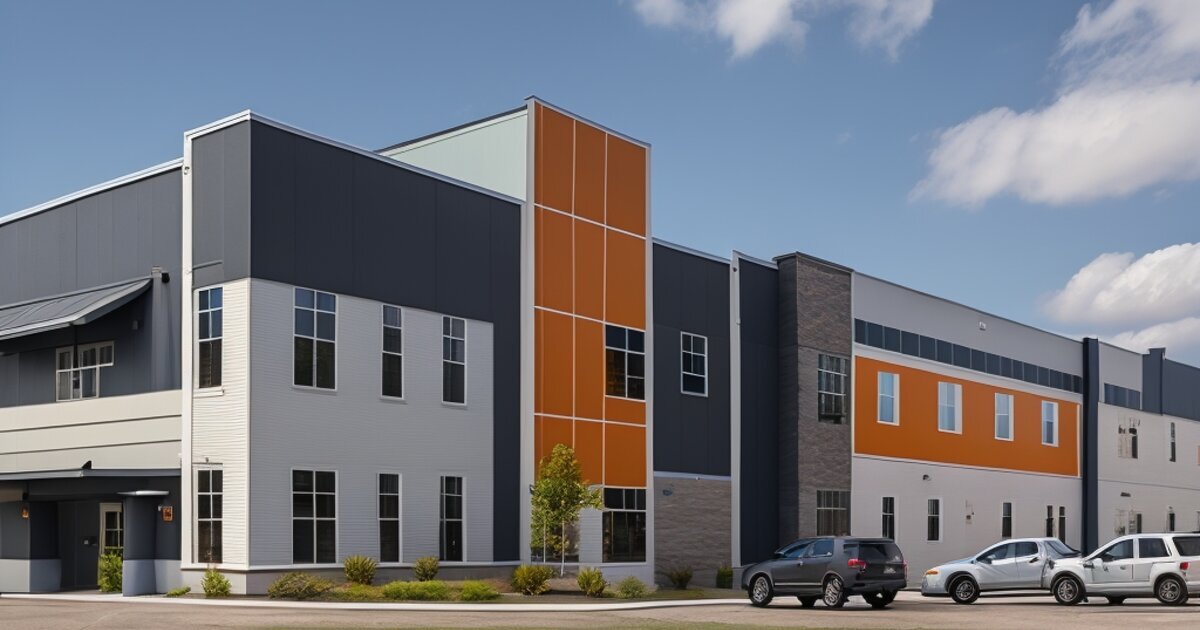
Religious facilities present a unique intersection of commercial painting challenges. The buildings are often architecturally complex, with soaring ceilings, ornate detail work, and mixed substrates that demand technical skill. The operational requirements are equally demanding: work must occur around worship services, funerals, weddings, and community events that cannot be rescheduled. And the stakeholders—clergy, trustees, building committees, and congregations—each have expectations that go far beyond a standard commercial repaint.
For facility managers and church trustees overseeing painting projects, understanding these constraints and planning accordingly is the difference between a smooth renewal and a disruptive, over-budget ordeal. Choosing a church painting contractor with sacred-space experience is the first step in protecting the building and the worship calendar.
Quick Answer
Church and religious facility painting succeeds when the project is planned around the worship calendar, high-ceiling access, sensitive substrates, and low-odor occupancy needs. The right church painting contractor will protect stained glass and millwork, preserve acoustics, phase work around services and events, and use durable low-VOC finishes appropriate for sanctuaries, halls, classrooms, and offices.
Key Takeaways
| Priority | Practical Action |
|---|---|
| Scheduling | Map services, holy days, weddings, funerals, and community events before setting phases. |
| Access | Confirm lift clearances, floor protection, and certified operators for sanctuary ceilings. |
| Protection | Mask stained glass, artwork, woodwork, and liturgical furnishings before prep begins. |
| Air quality | Use low-VOC or zero-VOC coatings with ventilation time before occupancy. |
| Budget | Phase work by zone so fundraising and disruption stay manageable. |
Church Painting Project Phases
The Scheduling Challenge
Unlike office buildings or warehouses where work can proceed during business hours, churches operate on a sacred calendar that cannot be adjusted for contractor convenience. Holy days, weddings, funerals, and weekly services create immovable boundaries around which all painting must be planned.
The most effective approach is to work with the clergy and administrative staff to map the liturgical calendar at least six months in advance. Identify blackout periods where no work can occur—typically Christmas, Easter, and major feast days—and plan the project around them. Many churches have reduced activity during summer months when congregations are smaller, making June through August an ideal window for sanctuary work.
Phased execution is essential. Rather than closing the entire facility, divide the project into zones that can be isolated with containment barriers. This allows worship to continue in unaffected areas while work progresses elsewhere. A typical phasing plan might look like:
- Phase 1: Narthex, hallways, and administrative offices
- Phase 2: Fellowship hall and classrooms
- Phase 3: Sanctuary walls and trim
- Phase 4: Sanctuary ceiling and high detail work
Each phase should include buffer days before major events to ensure odors have dissipated and the space is fully functional.
High Ceilings and Specialized Access
Sanctuary ceilings frequently exceed thirty feet, with some Gothic Revival and contemporary structures reaching sixty feet or more. Standard ladders and scaffolding are insufficient. The project plan must include specialized access equipment—scissor lifts, boom lifts, or suspended scaffolding—operated by certified technicians.
Floor protection becomes critical when heavy equipment is used over carpet, tile, or hardwood. Plywood runways distribute weight and prevent damage. In historic facilities with delicate flooring, additional protection such as Masonite or ram board may be required.
Acoustical considerations are often overlooked. Many sanctuary ceilings feature acoustical tile, wood slats, or textured plaster designed to enhance sound quality for music and spoken word. Painting over these surfaces without understanding their acoustic function can degrade the worship experience. If the ceiling requires coating, specify products that maintain porosity and avoid heavy-bodied paints that fill texture and deaden sound.
For painted plaster or drywall ceilings, flat or matte finishes are preferred because they minimize glare from stage lighting and natural light streaming through stained glass.
Substrate Complexity
Church buildings often span multiple construction eras, resulting in a mix of substrates that each require different preparation and coating approaches.
Plaster and drywall are common in sanctuary walls. Older plaster may contain lead paint if the building predates 1978. Test before disturbing the surface and follow EPA RRP protocols if lead is present. Newer drywall in educational wings requires standard preparation: patching, priming, and finish coating.
Wood trim and millwork demand careful attention. Baseboards, chair rails, wainscoting, and altar surrounds are often solid wood or veneer. Proper prep includes cleaning, light sanding, and a high-quality enamel finish that resists scuffing from processions and frequent cleaning.
Stained glass and leaded windows require protection during any adjacent painting. Masking and drop cloths prevent accidental splatter on irreplaceable art. Work around these features should be scheduled when the space is unoccupied to allow careful, unhurried execution.
Metal elements—radiator covers, HVAC grilles, door hardware, and lighting fixtures—should be removed where possible for off-site refinishing. This produces a superior result compared to painting in place and eliminates the risk of overspray on adjacent surfaces.
Color and Finish Selection
Color choices in religious facilities carry symbolic weight beyond aesthetics. While the facility manager or building committee may have preferences, it is wise to involve clergy and liturgical consultants in color decisions, particularly for sanctuary spaces.
Ceiling colors traditionally tend toward blues, whites, or golds that evoke the celestial. Dark colors absorb light and can make high ceilings feel lower, while overly bright colors may compete with stained glass and distract from worship.
Wall colors should complement, not compete with, architectural features and artwork. Neutral backgrounds allow icons, statuary, and textiles to remain focal points. When accent colors are used, they should align with the liturgical seasons or denominational traditions.
Finish selection affects both durability and atmosphere:
- Sanctuary walls: Eggshell or satin for cleanability without excessive shine
- Ceilings: Flat or matte to minimize glare
- Trim and millwork: Semi-gloss or satin enamel for durability
- High-traffic hallways: Satin or eggshell for scrubbability
- Classrooms and offices: Eggshell or low-sheen for a professional appearance
Managing Odors and VOCs
Occupant sensitivity to paint fumes is higher in religious facilities than in typical commercial settings. Congregants include elderly members, children, and individuals with respiratory conditions. Worshippers sit for extended periods in enclosed spaces where off-gassing is concentrated.
Specify low-VOC or zero-VOC coatings for all interior work, particularly in sanctuaries and fellowship halls. Many manufacturers now offer high-performance latex enamels with VOC content below 50 g/L that perform as well as traditional products.
Scheduling ventilation is critical. Plan painting so that each zone has seventy-two hours of off-gassing before occupancy. Run HVAC systems on high during this period, and consider portable air scrubbers with carbon filtration in spaces with limited air exchange.
Avoid oil-based products entirely. Alkyd enamels may offer hardness, but the solvent odors persist for weeks and are unacceptable in occupied religious facilities.
Budget Planning for Churches
Church painting budgets are constrained by fundraising cycles, stewardship campaigns, and donor expectations. Unlike corporate facilities with predictable capital budgets, churches often finance painting through special collections, building fund drives, or denominational grants.
Phased budgeting aligns with fundraising reality. Rather than pricing the entire facility, provide per-zone estimates that allow the church to tackle the project incrementally as funds become available. This approach has the added benefit of spreading disruption over multiple years rather than compressing it into a single season.
Value engineering should preserve quality on visible surfaces while identifying savings in low-visibility areas. For example, premium coatings in the sanctuary are justified by their visibility and longevity, while standard commercial grades may suffice in mechanical rooms and storage areas.
Donor recognition can be built into the project for major contributors. A discreet plaque noting the painting campaign, or recognition in the church bulletin, often satisfies donors who want to see tangible results from their contributions.
Facility Manager Checklist
- Map the liturgical calendar: Identify blackout periods around Christmas, Easter, and major feast days at least six months before project start.
- Phase by zone to maintain worship continuity: Divide work into narthex, fellowship hall, classrooms, and sanctuary phases with buffer days before major events.
- Test for lead paint on pre-1978 buildings: Follow EPA RRP protocols before disturbing older plaster or painted surfaces.
- Specify zero-VOC coatings for occupied spaces: Select products below 50 g/L VOC for sanctuaries and fellowship halls to protect sensitive congregants.
- Plan for specialized high-ceiling access: Confirm scissor lifts, boom lifts, or suspended scaffolding can operate within sanctuary clearances and floor load limits.
- Protect stained glass and irreplaceable artwork: Mask or remove vulnerable items before work begins in adjacent areas.
- Request references from religious facility projects: Verify the church painting contractor understands sacred scheduling, acoustic sensitivity, and congregational expectations.
Choosing a Church Painting Contractor
A church painting contractor should bring more than standard commercial painting credentials. Sacred spaces require respect for the worship calendar, protection of historic or irreplaceable finishes, and low-odor products that do not drive congregants away on Sunday morning.
Before selecting a contractor, ask about previous church or religious facility projects, how they handle high-ceiling access without damaging floors or pews, and how they phase work around weddings, funerals, and holy days. The right partner will ask detailed questions about the liturgical calendar before proposing a schedule.
Frequently Asked Questions
What is the best time of year to paint a church sanctuary?
Many churches schedule sanctuary work during lower-activity summer months, but the right window depends on the congregation’s liturgical calendar, weddings, funerals, school use, and community events. Major holy days should be treated as blackout periods.
Can high sanctuary ceilings be painted without damaging floors or pews?
Yes, but the access plan must be engineered before work starts. Scissor lifts, boom lifts, or scaffolding need certified operators, plywood runways, and protective coverings for pews, flooring, altars, and artwork.
Are zero-VOC paints durable enough for religious facilities?
Modern low-VOC and zero-VOC commercial coatings can provide strong durability for sanctuaries, fellowship halls, classrooms, and offices. Product selection should still match the traffic level, cleaning frequency, and substrate.
Painting a church is not simply a larger version of painting an office. The combination of architectural complexity, sacred scheduling, acoustic sensitivity, and congregational expectations demands a church painting contractor who understands the unique nature of religious facilities. Facility managers who plan meticulously and select experienced partners deliver projects that renew the space without disrupting the mission.
For a consultation on your church or religious facility painting project, contact Moorhouse Coating.
Standards & Sources
Related Reading
Related Resources
- Commercial Painting Costs: Budget Drivers and Cost-Reduction Strategies
- Phased Painting Schedules for 24/7 Operations
- Zero-VOC Sustainable Coatings
- Painting Timeline: What Facility Managers Should Expect
- Contractor Selection: How to Choose the Right Commercial Painting Partner
Frequently Asked Questions
What is the best time of year to paint a church sanctuary?
Many churches schedule sanctuary work during lower activity summer months, but the right window depends on the congregation's liturgical calendar, weddings, funerals, school use, and community events. Major holy days should be treated as blackout periods.
Can high sanctuary ceilings be painted without damaging floors or pews?
Yes, but the access plan must be engineered before work starts. Scissor lifts, boom lifts, or scaffolding need certified operators, plywood runways, and protective coverings for pews, flooring, altars, and artwork.
Are zero VOC paints durable enough for religious facilities?
Modern low VOC and zero VOC commercial coatings can provide strong durability for sanctuaries, fellowship halls, classrooms, and offices. Product selection should still match the traffic level, cleaning frequency, and substrate. Painting a church is not simply a larger version of painting an office. The combination of architectural complexity, sacred scheduling, acoustic sensitivity, and congregational expectations demands a church painting contractor who understands the unique nature of religious facilities. Facility managers who plan meticulously and select experienced partners deliver projects that renew the space without disrupting the mission. For a consultation on your church or religious facility painting project, contact Moorhouse Coating.