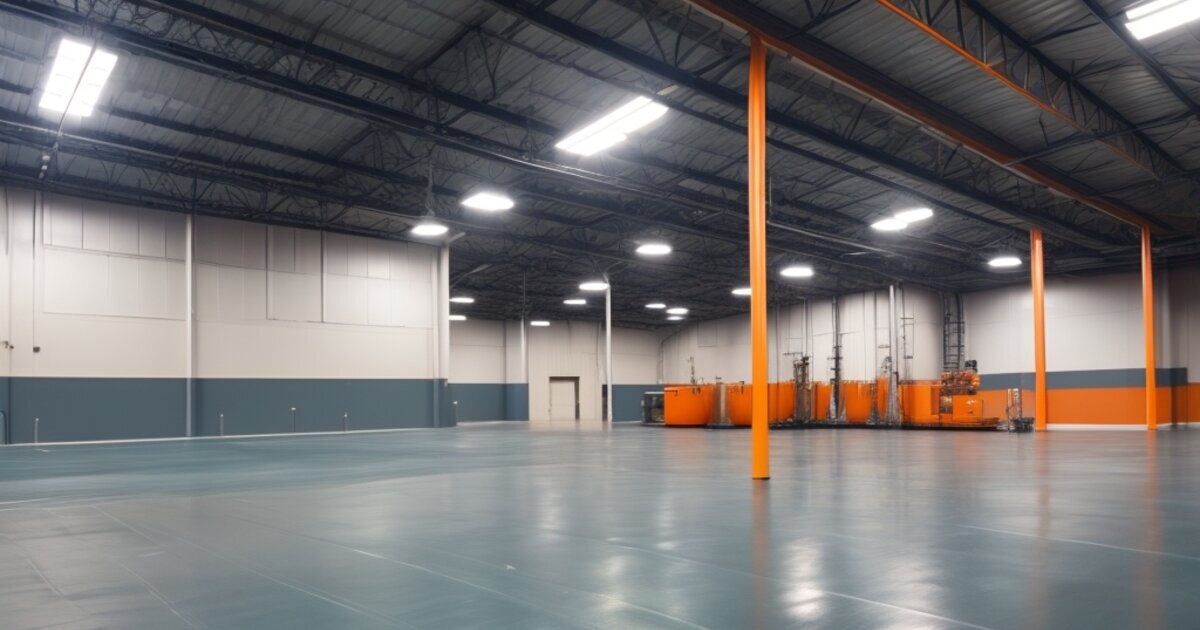
Chemical processing facilities operate in some of the most corrosive environments found in modern industry. From sulfuric acid storage tanks to caustic washdown areas and solvent handling zones, every surface faces relentless chemical attack that destroys unprotected substrates and threatens operational continuity. For plant managers and maintenance engineers, specifying the right protective coating system is not merely a maintenance decision—it is a strategic investment in asset longevity, worker safety, and regulatory compliance.
Understanding how coatings perform under aggressive chemical exposure requires moving beyond generic product labels to examine the specific interaction between coating chemistry and the corrosive agents present in your facility. The wrong system fails catastrophically, often without warning. The right system provides decades of protection with minimal intervention.
Quick Answer
Chemical plant painting requires coating systems matched to the exact chemicals, concentrations, temperatures, and exposure durations in the facility. Novolac epoxy and vinyl ester systems are commonly used for severe acid, caustic, solvent, and immersion service, but they only perform when surface preparation, film thickness, cure, holiday testing, and maintenance protocols are tightly controlled.
Key Takeaways
| Exposure or Requirement | Practical Coating Decision |
|---|---|
| Concentrated acids or solvents | Evaluate novolac epoxy or vinyl ester systems. |
| Exterior chemical plant steel | Use corrosion-resistant primers with UV-stable polyurethane or polysiloxane topcoats. |
| Concrete containment areas | Verify moisture, decontaminate, profile the slab, and use chemically resistant high-build systems. |
| Tank linings or immersion service | Require holiday testing, DFT verification, and manufacturer-approved cure windows. |
| Active production environments | Coordinate coating work with OSHA, hazmat, ventilation, and shutdown planning. |
Chemical Exposure & Coating Solutions
Types of Chemical Exposure
Chemical plants present a diverse spectrum of corrosive challenges, each requiring specific coating chemistry for effective protection. Understanding the exact nature of the exposure in your facility is the foundation of every successful coating specification.
Acidic Environments
Sulfuric acid, hydrochloric acid, and nitric acid attack unprotected steel and concrete through aggressive chemical reactions that dissolve substrate material and compromise structural integrity. Concentrated acids at elevated temperatures accelerate degradation exponentially. Coatings in acid service must form impermeable barriers that resist proton penetration and hydrolysis. Novolac epoxy and vinyl ester systems are commonly specified for concentrated acid exposure due to their dense cross-linked molecular structure.
Alkaline Environments
Caustic soda, sodium hydroxide, and calcium hydroxide solutions present equally destructive challenges, particularly in wastewater treatment and chemical processing areas. While mild alkaline exposure is less aggressive than strong acids, concentrated caustic solutions soften conventional epoxy coatings and attack concrete substrates through saponification reactions. High-build vinyl ester and specialized phenolic coatings provide superior resistance in high-pH environments.
Solvent and Organic Chemical Exposure
Solvents including toluene, methyl ethyl ketone, acetone, and aromatic hydrocarbons dissolve standard coating films through solvent attack, causing softening, blistering, and eventual disbondment. Areas near solvent storage, transfer stations, and processing equipment require coatings with exceptional solvent resistance. Novolac epoxy and polysiloxane formulations maintain integrity where conventional systems would rapidly fail.
Salt and Chloride Exposure
Coastal chemical plants and facilities using chloride-based process chemicals face accelerated corrosion from chloride-induced pitting of steel substrates. Chlorides penetrate coating films, concentrate at the substrate interface, and initiate rapid localized corrosion. High-performance epoxy and glass-flake-reinforced systems provide barrier protection against chloride ingress.
For a deeper understanding of how different coating systems respond to chemical attack, see our complete guide to industrial coatings.
Coating Selection for Different Chemical Environments
Selecting coatings for chemical plants requires matching specific coating chemistry to the exact exposure conditions. Generic “chemical-resistant” labels are insufficient when substrate failure can trigger environmental releases, production shutdowns, and regulatory penalties.
Epoxy Systems
Standard bisphenol-A epoxy coatings provide reliable protection against dilute acids, alkalis, and water-based chemicals in moderate exposure conditions. For aggressive chemical environments, novolac epoxy formulations deliver significantly enhanced resistance to concentrated acids, solvents, and elevated temperatures. Novolac systems are the default specification for chemical containment areas, tank linings, and process equipment where failure is not an option.
Vinyl Ester Coatings
Vinyl ester systems represent the premium choice for the most aggressive chemical exposures. Their molecular structure provides exceptional resistance to oxidizing chemicals, strong acids, and organic solvents that exceed the capabilities of standard epoxy formulations. Vinyl ester coatings are commonly specified for flue gas desulfurization systems, chemical storage tanks, and areas with continuous immersion in aggressive media.
Polyurethane and Polysiloxane Topcoats
While epoxy and vinyl ester systems provide the primary chemical barrier, polyurethane and polysiloxane topcoats extend service life by protecting underlying layers from UV degradation, mechanical abrasion, and weathering. In exterior chemical plant applications, these topcoats prevent chalking and gloss loss that would otherwise expose the chemical-resistant primer to premature failure.
For flooring-specific chemical resistance requirements, our guide to commercial chemical-resistant flooring covers systems designed for continuous foot and equipment traffic in spill-prone environments.
Surface Preparation for Aggressive Service Conditions
Surface preparation determines whether a coating system achieves its design life or fails prematurely. In chemical plant environments, inadequate preparation accelerates failure through blistering, disbondment, and underfilm corrosion that spreads rapidly once initiated.
Steel Substrate Preparation
Chemical plant steel structures require abrasive blasting to SSPC-SP10 (Near-White Metal Blast) or SSPC-SP5 (White Metal Blast) for immersion and severe chemical exposure conditions. Surface profile must match coating manufacturer specifications, typically 2-4 mils for high-build epoxy and vinyl ester systems. Soluble salt contamination from previous exposure or atmospheric deposition must be removed through chloride extraction or high-pressure water jetting before blasting.
Concrete Substrate Preparation
Concrete in chemical plants often suffers from acid attack, carbonation, and contamination that compromises coating adhesion. Surface preparation must remove deteriorated concrete, open pores through mechanical profiling to CSP 4-5, and neutralize acidic residues before coating application. Moisture testing per ASTM F1869 or ASTM F2170 is mandatory, as moisture vapor transmission will blister even the most chemically resistant coating system.
Contamination Removal
Oil, grease, and process chemical residues prevent coating adhesion regardless of mechanical preparation quality. Degreasing, detergent washing, and solvent cleaning must precede abrasive blasting. In chemical plants with chronic contamination, proprietary decontamination procedures may be required to achieve bondable surfaces.
For a comprehensive overview of surface preparation standards, see our detailed guide on surface preparation methods for commercial projects.
Inspection, Testing, and Maintenance Protocols
Coating systems in chemical plants require rigorous quality control during application and systematic monitoring throughout their service life. The consequences of undetected coating failure in a chemical processing environment extend far beyond cosmetic degradation.
Application Quality Control
Holiday detection using low-voltage wet sponge or high-voltage spark testing verifies film continuity on tank linings and containment areas where pinholes would permit chemical penetration to the substrate. Dry film thickness measurement per SSPC-PA 2 ensures the applied coating meets specification minimums. Adhesion testing per ASTM D4541 confirms coating-to-substrate bond strength exceeds project requirements.
In-Service Inspection
Monthly visual inspections should identify coating degradation, discoloration, chalking, blistering, and mechanical damage. Areas near pipe supports, weld seams, and equipment connections experience accelerated wear and require focused attention. Annual comprehensive surveys using ultrasonic thickness measurement and adhesion testing provide quantitative data on coating condition trends.
Maintenance and Repair
Small areas of coating damage must be repaired promptly to prevent underfilm corrosion from spreading. Repair procedures must match the original coating system specification, including surface preparation, application technique, and cure requirements. Spot repairs that skip preparation steps or use incompatible materials create failure points that propagate rapidly.
Plant managers must also ensure coating contractors follow proper hazmat handling procedures and maintain OSHA compliance throughout the project lifecycle. In facilities where fire protection is critical, coordinating chemical-resistant coatings with fire-resistant coatings requires careful system compatibility review.
Frequently Asked Questions
What coating is best for chemical plant corrosion protection?
The best coating depends on the chemical exposure. Novolac epoxy is a common choice for aggressive acids, solvents, and containment areas, while vinyl ester systems are often selected for the most severe oxidizing chemicals or immersion conditions.
Why is surface preparation so important in chemical plants?
Chemical residues, soluble salts, oil, and deteriorated substrate material can prevent adhesion and create failure points. In severe service, near-white or white metal blasting, concrete profiling, and decontamination are often as important as the coating chemistry itself.
How often should chemical plant coatings be inspected?
High-risk areas should receive monthly visual inspections, with annual comprehensive surveys that include thickness readings, adhesion checks where appropriate, and documentation of coating condition trends near welds, pipe supports, spill zones, and containment areas.
Facility Manager Checklist
Use this checklist when planning and executing chemical plant coating projects:
- Document complete chemical exposure profile including concentrations, temperatures, and contact duration
- Specify coating systems rated for the exact chemicals present, not generic “chemical-resistant” products
- Require SSPC-SP10 or SP5 surface preparation for immersion and severe chemical service
- Verify coating applicator experience with chemical plant environments and specific coating chemistries
- Require holiday detection and dry film thickness testing during application
- Establish baseline adhesion testing and coating thickness documentation
- Implement monthly visual inspection program with photographic documentation
- Schedule annual comprehensive coating surveys with quantitative testing
- Maintain repair materials and procedures matching original system specifications
- Verify contractor OSHA compliance and hazmat handling protocols before project start
- Review fire-resistant coating compatibility when both systems are present
- Budget for periodic recoating based on manufacturer service life projections and inspection data
Conclusion
Chemical plant painting demands a level of technical rigor that exceeds standard commercial and industrial coating applications. The aggressive chemical environments found in processing facilities destroy inadequate coating systems rapidly, creating safety hazards, environmental risks, and costly emergency repairs that disrupt production schedules.
Success requires precise matching of coating chemistry to specific exposure conditions, rigorous surface preparation that meets industry standards, application quality control that verifies system integrity, and a proactive maintenance program that addresses degradation before it propagates into catastrophic failure.
At Moorhouse Coating, we specialize in protective coating systems for Arizona’s most demanding industrial environments. Our technical team works directly with plant managers and maintenance engineers to specify, apply, and maintain coating systems engineered for your specific chemical exposure conditions. Contact us to discuss your chemical plant coating requirements and protect your facility investment with systems designed for aggressive service.
Standards & Sources
Related Reading
- Industrial Coatings: Complete Guide 2025
- Commercial Chemical-Resistant Flooring
- Fire-Resistant Coatings
- Hazmat Handling in Commercial Painting
- OSHA Compliance Guide
- Cannabis Cultivation and Dispensary Painting
- High-Temperature Coatings for Industrial Facilities
- Water Treatment Plant Coatings
Frequently Asked Questions
What coating is best for chemical plant corrosion protection?
The best coating depends on the chemical exposure. Novolac epoxy is a common choice for aggressive acids, solvents, and containment areas, while vinyl ester systems are often selected for the most severe oxidizing chemicals or immersion conditions.
Why is surface preparation so important in chemical plants?
Chemical residues, soluble salts, oil, and deteriorated substrate material can prevent adhesion and create failure points. In severe service, near white or white metal blasting, concrete profiling, and decontamination are often as important as the coating chemistry itself.
How often should chemical plant coatings be inspected?
High risk areas should receive monthly visual inspections, with annual comprehensive surveys that include thickness readings, adhesion checks where appropriate, and documentation of coating condition trends near welds, pipe supports, spill zones, and containment areas.
Facility Manager Checklist
Use this checklist when planning and executing chemical plant coating projects: [ ] Document complete chemical exposure profile including concentrations, temperatures, and contact duration [ ] Specify coating systems rated for the exact chemicals present, not generic "chemical resistant" products [ ] Require SSPC SP10 or SP5 surface preparation for immersion and severe chemical service [ ] Verify coating applicator experience with chemical plant environments and specific coating chemistries [ ] Require holiday detection and dry film thickness testing during application [ ] Establish baseline adhesion testing and coating thickness documentation [ ] Implement monthly visual inspection program with photographic documentation [ ] Schedule annual comprehensive coating surveys with quantitative testing [ ] Maintain repair materials and procedures matching original system specifications [ ] Verify contractor OSHA compliance and hazmat handling protocols before project start [ ] Review fire resistant coating compatibility when both systems are present [ ] Budget for periodic recoating based on manufacturer service life projections and inspection data