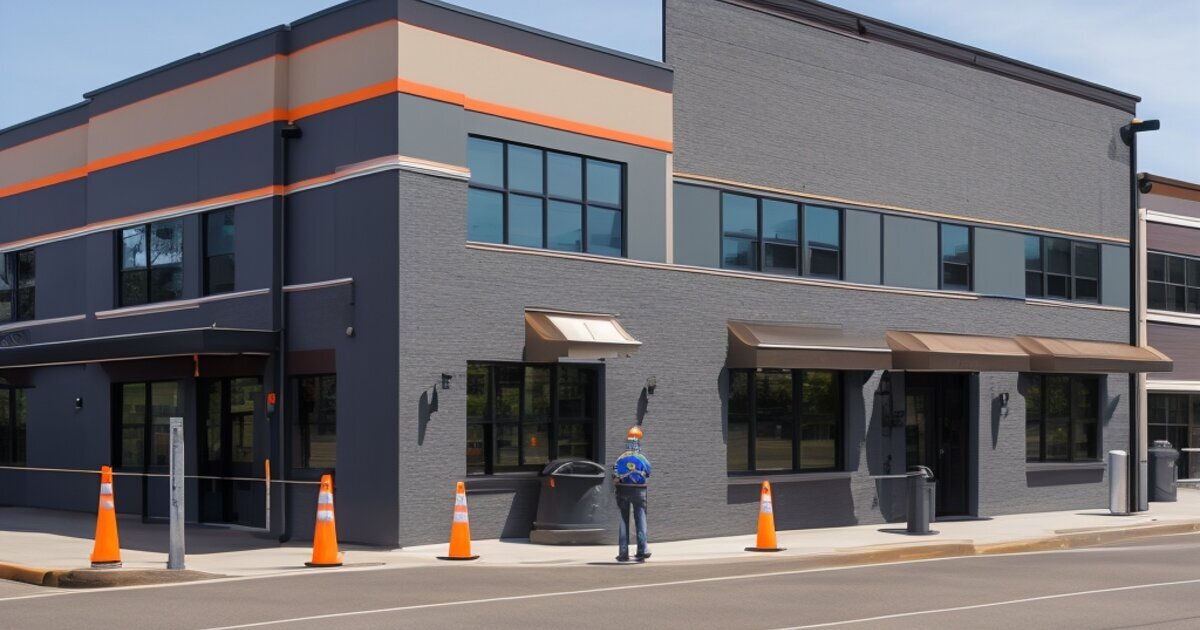
Breweries, wineries, and distilleries combine industrial production, chemical processing, and hospitality retail under one roof. The production floor handles caustic cleaning chemicals, alcohol vapors, and thermal cycling. The tasting room must project brand warmth and sophistication. The barrel room or cellar requires moisture-resistant, breathable coatings. And throughout, FDA and state health department regulations govern surface finishes.
For facility managers and owners in the craft beverage industry, understanding the distinct coating requirements of each zone ensures a facility that is both compliant and beautiful.
Quick Answer
Brewery, winery, and distillery painting requires chemical-resistant coatings in production areas, breathable mold-resistant finishes in cellars and barrel rooms, and scrubbable low-odor finishes in tasting rooms. The coating plan should separate wet production zones from hospitality spaces while supporting FDA, health department, fire code, and production-schedule requirements.
Key Takeaways
| Zone | Main Risk | Coating Priority |
|---|---|---|
| Production floor | Caustic cleaners, acids, thermal shock | Seamless epoxy or urethane systems |
| Fermentation room | Humidity, CO2, sanitation cycles | Moisture-resistant antimicrobial finishes |
| Barrel room/cellar | High humidity, mold, vapor movement | Breathable mold-resistant coatings |
| Tasting room | Spills, scuffs, brand perception | Scrubbable low-odor hospitality finishes |
Craft Beverage Facility Zones
Production Floor Requirements
The production floor is an industrial environment disguised as a craft workshop. Brewing kettles, fermentation tanks, bottling lines, and distillation equipment create splashes, spills, and chemical exposure that standard paint cannot withstand.
Chemical exposure. Caustic cleaners (sodium hydroxide), acid sanitizers (phosphoric acid), and alcohol solutions attack standard latex paint. Specify chemical-resistant epoxy or urethane wall and floor coatings that withstand routine cleaning protocols.
Moisture and humidity. Fermentation generates moisture and CO2. Walls and ceilings in fermentation rooms remain damp for extended periods. Standard paint will mildew and blister. Specify moisture-resistant, antimicrobial coatings or seamless epoxy wall systems.
Thermal cycling. Brew kettles and stills radiate heat, creating thermal gradients across adjacent walls. Coatings must accommodate thermal expansion without cracking or delaminating.
Floor requirements. Production floors must resist chemical attack, thermal shock from hot liquids, and heavy equipment traffic. Seamless epoxy or urethane mortar systems with coved bases are standard. Anti-slip additives are essential in wet areas.
FDA and health code compliance. The FDA Food Code and state health departments require food contact surfaces to be smooth, non-absorbent, and easily cleanable. While walls are not direct food contact surfaces, they must support sanitation standards. Avoid textured or porous coatings in production areas.
Cellar and Barrel Room Requirements
Wine cellars, barrel rooms, and barrel-aging areas present distinct challenges from active production floors.
High humidity. Barrel rooms maintain 70-90% relative humidity to prevent barrel dehydration and evaporation (the “angel’s share”). This extreme humidity promotes mold and mildew on surfaces.
Breathable coatings. Unlike production floors where impermeable epoxy is preferred, barrel rooms benefit from breathable coatings that allow moisture vapor to pass through the wall assembly. Trapping moisture behind impermeable coatings accelerates substrate damage.
Mold resistance. Specify coatings with integrated antimicrobial or mold-resistant additives. Even breathable finishes must resist biological growth on the surface.
Dark environments. Barrel rooms are typically dimly lit. Dark colors absorb limited light and make spaces feel smaller. Lighter colors improve visibility and safety while still maintaining the traditional cellar aesthetic.
Temperature stability. Cellar temperatures remain cool (55-60°F) year-round. Plan painting during warmer months when possible, or provide temporary heating to ensure proper cure.
Tasting Room and Retail Requirements
The tasting room is where craft beverage facilities generate revenue and build brand loyalty. The finish must balance hospitality aesthetics with the durability required for high-traffic commercial spaces.
Brand alignment. Color schemes, materials, and finishes should reflect the brand identity—whether rustic farmhouse, industrial chic, modern minimalist, or luxury lounge. The tasting room is a brand billboard.
Scrubbable finishes. Walls in tasting rooms require frequent cleaning to remove fingerprints, spills, and scuffs. Specify scrubbable eggshell or satin finishes in high-traffic areas.
Accent features. Many craft beverage facilities incorporate reclaimed wood, exposed brick, or steel elements as design features. Coordinate painting with these materials to enhance rather than compete with the aesthetic.
Bar and service areas. Bars and service counters see heavy use and moisture exposure. Specify moisture-resistant, scrubbable finishes behind bars and on adjacent walls. Epoxy or urethane bar top coatings provide superior durability compared to standard paint.
Odor management. Tasting rooms should not smell like production chemicals or cleaning agents. Use zero-VOC coatings and ensure adequate ventilation during and after painting.
Regulatory Compliance
Craft beverage facilities operate under multiple regulatory frameworks that affect painting decisions.
FDA Food Code. While primarily addressing food contact surfaces, the FDA code requires facility surfaces to be smooth, durable, and easily cleanable. This influences coating selection in production and packaging areas.
State health departments. Each state has specific requirements for food and beverage processing facilities. Arizona, New Mexico, and Nevada all require regular health inspections that include facility condition assessments.
TTB (Alcohol and Tobacco Tax and Trade Bureau). Federal regulations govern distillery and winery operations, including facility security, record-keeping, and labeling. Painting must not obstruct required signage or security measures.
Fire code. Facilities handling alcohol require fire-rated assemblies, proper egress markings, and flame-spread rated interior finishes. Verify that specified coatings meet fire code requirements for the occupancy classification.
OSHA. Confined space entry (tanks), chemical handling, and elevated work require OSHA compliance. Painting contractors must follow safety protocols for all work in production areas.
Product Selection by Zone
Production floor:
- Walls and ceilings: Chemical-resistant epoxy or urethane coating
- Floors: Seamless epoxy or urethane mortar with coved base
- Preferred finish: High-gloss for cleanability
- Colors: Light colors for visibility; avoid dark colors that hide contamination
Fermentation room:
- Walls and ceilings: Moisture-resistant, antimicrobial epoxy
- Floors: Seamless epoxy with anti-slip additive
- Preferred finish: High-gloss, non-porous
- Colors: White or light gray for contamination visibility
Barrel room/cellar:
- Walls and ceilings: Breathable, mold-resistant acrylic or silicate coating
- Floors: Breathable concrete sealer or epoxy (if moisture is controlled)
- Preferred finish: Matte or eggshell
- Colors: Warm neutrals, traditional cellar tones
Tasting room:
- Walls: Scrubbable eggshell or satin latex in brand colors
- Ceilings: Flat or matte to reduce glare
- Floors: Polished concrete, luxury vinyl tile, or epoxy
- Preferred finish: Durable hospitality grade
- Colors: Brand-aligned with accent walls
Packaging and storage:
- Walls and ceilings: Durable eggshell or semi-gloss
- Floors: Epoxy or sealed concrete
- Preferred finish: Industrial grade for durability
- Colors: Light colors for visibility and safety
Scheduling Around Production
Craft beverage facilities cannot stop production for painting. Schedule work around brewing, fermentation, and packaging cycles.
Seasonal timing. Many wineries schedule maintenance during winter when crush is complete. Breweries may schedule during slower summer months. Distilleries often have more flexibility but must coordinate around aging schedules.
Zone isolation. Use temporary walls or plastic sheeting to isolate painting from active production. Maintain negative air pressure to prevent dust and fumes from migrating.
Fermentation sensitivity. Active fermentation produces CO2 and sensitive yeast cultures. Avoid introducing chemical fumes or contaminants during active fermentation. Schedule painting in fermentation rooms during cleaning cycles between batches.
Tasting room off-hours. Tasting rooms can often be painted during closed days (Monday-Tuesday for many facilities) or overnight. Ensure thorough ventilation before reopening.
Frequently Asked Questions
What paint is best for brewery production areas?
Chemical-resistant epoxy or urethane coatings are typically best for brewery production areas because they withstand caustic cleaners, acid sanitizers, moisture, thermal shock, and repeated washdowns.
Should barrel rooms use epoxy coatings?
Not always. Barrel rooms often need breathable, mold-resistant coatings because impermeable epoxy can trap moisture behind walls when humidity is consistently high.
Can tasting rooms be repainted without interrupting service?
Yes. Tasting rooms are often painted on closed days or overnight with zero-VOC or low-odor products, temporary isolation, and ventilation before reopening.
Standards & Sources
Related Reading
- Restaurant Kitchen Coatings
- Coating Systems for Food and Beverage Washdown Areas
- Zero-VOC Sustainable Coatings
- Commercial Coating Selection Guide
- Cold Storage Coatings for Thermal Shock
Facility Manager Checklist
- Specify chemical-resistant coatings in production areas: Use epoxy or urethane systems that withstand caustic cleaners, acid sanitizers, and alcohol exposure.
- Apply antimicrobial coatings in fermentation rooms: Select moisture-resistant, mold-resistant systems for high-humidity environments.
- Use breathable coatings in barrel rooms: Specify silicate or acrylic systems that allow vapor transmission while resisting biological growth.
- Choose scrubbable finishes for tasting rooms: Select eggshell or satin latex in brand colors that withstand frequent cleaning and customer contact.
- Verify FDA and health code compliance: Confirm all production area coatings meet smooth, non-absorbent, and easily cleanable requirements.
- Coordinate painting with production schedules: Schedule work between brewing, fermentation, and packaging cycles to prevent contamination.
- Request craft beverage facility references: Verify contractors have documented experience with FDA compliance and brewery-winery environments.
Brewery, winery, and distillery painting requires a contractor who understands both industrial durability and hospitality aesthetics. Facility owners who specify appropriate coatings for each zone and schedule work around production cycles create facilities that are compliant, efficient, and inviting.
For craft beverage facility painting in Arizona, New Mexico, and Nevada, contact Moorhouse Coating.
Frequently Asked Questions
What paint is best for brewery production areas?
Chemical resistant epoxy or urethane coatings are typically best for brewery production areas because they withstand caustic cleaners, acid sanitizers, moisture, thermal shock, and repeated washdowns.
Should barrel rooms use epoxy coatings?
Not always. Barrel rooms often need breathable, mold resistant coatings because impermeable epoxy can trap moisture behind walls when humidity is consistently high.
Can tasting rooms be repainted without interrupting service?
Yes. Tasting rooms are often painted on closed days or overnight with zero VOC or low odor products, temporary isolation, and ventilation before reopening.