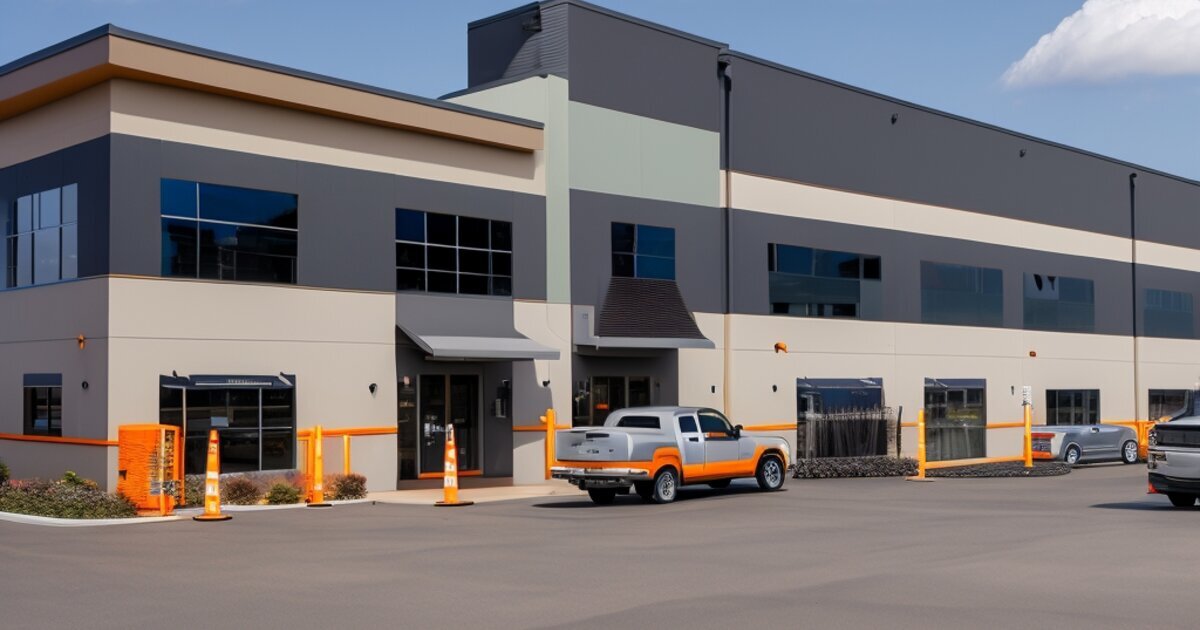
Auto dealerships are among the most visually demanding commercial painting projects. The facility serves as both a brand billboard and a high-traffic operational space, with distinct coating requirements for the showroom, service bays, body shop, and exterior. A dealership repaint is not merely maintenance; it is brand enforcement that directly impacts customer perception and manufacturer compliance.
For facility managers and general managers overseeing dealership painting projects, understanding the unique requirements of each zone, the color compliance obligations to OEM brands, and the durability demands of service areas is essential for a successful outcome.
Quick Answer
Auto dealership painting requires OEM-approved color matching for brand compliance, refined low-odor finishes for showrooms, chemical-resistant systems for service bays, and UV-stable exterior coatings that hold up in Southwest sun. The best projects are phased around sales, service, and signage schedules so the facility stays open while each zone receives the right coating system.
Key Takeaways
| Area | Priority | Recommended Focus |
|---|---|---|
| Showroom | Customer perception | Scrubbable, low-odor finishes in brand-aligned colors |
| Service bays | Durability | Epoxy or urethane systems resistant to automotive fluids |
| Exterior | Brand visibility | UV-resistant coatings matched to OEM standards |
| Scheduling | Revenue protection | Night, weekend, or phased work around operations |
Auto Dealership Painting Zones
Brand Color Compliance
Automotive manufacturers maintain strict facility standards that dictate everything from exterior colors to interior finishes. A dealership painting project that ignores these standards risks failing manufacturer inspections and losing incentives or co-op advertising funds.
OEM color programs specify exact paint colors for building exteriors, often requiring specific shades for wall fields, accent bands, and trim. These are not suggestions; they are contractual obligations. The colors are typically provided as Pantone or proprietary manufacturer codes that must be matched precisely—not approximated.
Accent colors and brand elements must also comply. Many manufacturers require specific colors for service drive entries, delivery areas, and signage backgrounds. The painting contractor must work from the manufacturer’s facility image standards document, not from photographs of other dealerships.
Color matching protocol requires spectrophotometer verification, not visual matching. Desert sun shifts color perception, and what looks correct at 9:00 AM may appear wrong at 3:00 PM. We verify all color matches under controlled lighting and document them with manufacturer-approved color chips before full application.
Showroom: The Sales Environment
The showroom is the dealership’s revenue center. It must project cleanliness, modernity, and brand alignment while withstanding heavy foot traffic, moving displays, and frequent reconfiguration of vehicle placement.
Wall finishes in showrooms are typically eggshell or satin sheen in neutral colors that do not compete with vehicle paint. White and light gray are common because they maximize the brightness of showroom lighting and make vehicle colors pop. The finish must be scrubbable to remove scuffs from moving vehicles and frequent cleaning.
Ceiling treatments often include acoustical ceilings with integrated lighting, HVAC, and sprinkler systems. Painting in this environment requires careful masking and protection of sensitive equipment. Flat or matte finishes minimize glare from overhead lighting.
Floor coatings in showrooms must balance aesthetics with durability. Polished concrete, epoxy with decorative flakes, or high-performance urethane systems are common. The floor must resist tire marks, oil drips, and the abrasion of vehicle movement while maintaining a glossy, attractive appearance.
Service Bays and Shop Areas
Service areas present the opposite challenge from showrooms: function over form, with extreme durability requirements.
Chemical resistance is paramount. Service bays are exposed to motor oil, transmission fluid, brake fluid, coolant, gasoline, and cleaning solvents. Standard paint will dissolve or stain within weeks. Specify epoxy or polyurethane floor systems and chemical-resistant wall coatings designed for automotive environments.
Abrasion resistance matters on walls and doors. Tool carts, vehicle doors, and equipment contact surfaces regularly. High-build epoxy or urethane coatings withstand this abuse far better than standard latex paints.
Floor marking and safety zones are often required by manufacturer standards and OSHA regulations. Color-coded areas for lifts, tool storage, and pedestrian walkways improve safety and organization. These markings must be applied with durable traffic coatings, not standard paint that wears away under vehicle traffic.
Body Shop and Paint Booth Areas
Body shops have unique coating requirements due to overspray, sanding dust, and chemical exposure.
Walls and ceilings in body shops should be coated with products that resist solvent attack and allow for periodic cleaning. Semi-gloss or gloss finishes prevent dust accumulation and allow wipe-downs. White or light colors maximize lighting efficiency in booths and prep areas.
Floors in paint booths require specialized coatings that withstand paint overspray, solvent spills, and the thermal cycling from booth operations. Static-dissipative flooring may be required in areas where flammable solvents are used.
Exterior: The Brand Billboard
The exterior of an auto dealership is a 24/7 advertisement. It must remain vibrant and clean through years of desert sun, monsoon storms, and dust.
Substrate considerations. Dealership exteriors are typically EIFS, stucco, metal panel, or a combination. Each requires different preparation and coating systems. EIFS and stucco need elastomeric coatings that bridge cracks and resist moisture intrusion. Metal panels require direct-to-metal primers and flexible topcoats that accommodate thermal expansion.
Color fastness is critical. Dark brand colors absorb more solar energy and fade faster than light colors. In Phoenix and Tucson, where UV intensity is extreme, specify premium acrylic or fluoropolymer coatings with enhanced UV resistance. Expect to repaint dark accent bands every five to seven years, even with high-performance products.
Signage integration. The painting contractor must coordinate with signage installers to ensure that building colors and sign backgrounds align precisely. Masking and protection during sign installation prevents damage to fresh coatings.
Scheduling Around Operations
Dealerships cannot close for painting. Lost sales days cost far more than the paint project. The work must be phased to maintain operations.
Typical phasing:
- Phase 1: Administrative offices and customer waiting areas (evenings/weekends)
- Phase 2: Service bays (during slow periods, often mid-week)
- Phase 3: Showroom (overnight, with thorough cleanup before opening)
- Phase 4: Exterior (during business hours, with customer parking redirected)
Odor control is critical in customer-facing areas. Zero-VOC coatings and accelerated ventilation allow spaces to reopen without residual fumes that deter customers.
Frequently Asked Questions
How often should an auto dealership repaint its showroom?
Most dealership showrooms benefit from repainting every five to seven years, or sooner after a brand refresh, remodel, or heavy scuffing from vehicle movement and customer traffic.
What coating is best for dealership service bay floors?
Chemical-resistant epoxy or polyurethane floor systems are typically best because they withstand motor oil, brake fluid, coolant, cleaners, tire traffic, and repeated abrasion.
Can dealership painting be completed without closing the business?
Yes. Most dealership projects are completed in phases using evenings, weekends, temporary barriers, and fast-curing low-odor coatings to keep sales and service operations open.
Standards & Sources
Related Reading
- Commercial Coating Selection Guide
- Paint Color Matching
- Commercial Painting Project Management
- Commercial Painting Costs
- Contractor Selection: How to Choose the Right Commercial Painting Partner
Facility Manager Checklist
- Obtain OEM facility standards document: Verify all required brand colors, accent bands, and finish specifications before project start.
- Require spectrophotometer color verification: Confirm color matches under controlled lighting with manufacturer-approved color chips, not visual approval alone.
- Specify chemical-resistant coatings for service bays: Use epoxy or polyurethane systems designed to withstand motor oil, brake fluid, and cleaning solvents.
- Plan phasing around sales events and model launches: Schedule painting to avoid blackout periods and maintain revenue-generating operations.
- Coordinate with signage contractors: Align building paint colors and sign backgrounds precisely before installation begins.
- Use zero-VOC products in customer areas: Specify low-odor coatings in showrooms and waiting areas to prevent customer disruption.
- Request dealership-specific contractor references: Verify painting contractors have completed similar auto dealership projects with brand compliance requirements.
Auto dealership painting demands a contractor who understands brand compliance, operational continuity, and the distinct performance requirements of each zone. Facility managers who plan meticulously and specify appropriately protect both the brand image and the facility’s long-term value.
For a dealership painting consultation that respects your brand standards and operational requirements, contact Moorhouse Coating.
Frequently Asked Questions
How often should an auto dealership repaint its showroom?
Most dealership showrooms benefit from repainting every five to seven years, or sooner after a brand refresh, remodel, or heavy scuffing from vehicle movement and customer traffic.
What coating is best for dealership service bay floors?
Chemical resistant epoxy or polyurethane floor systems are typically best because they withstand motor oil, brake fluid, coolant, cleaners, tire traffic, and repeated abrasion.
Can dealership painting be completed without closing the business?
Yes. Most dealership projects are completed in phases using evenings, weekends, temporary barriers, and fast curing low odor coatings to keep sales and service operations open.