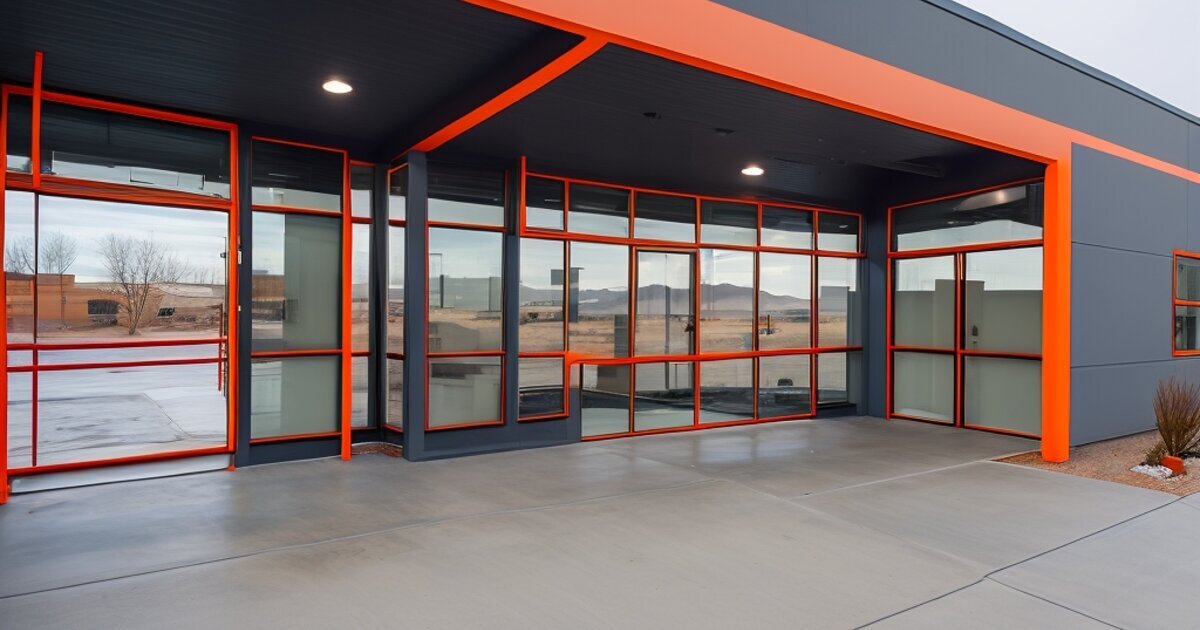
Albuquerque sits at 5,300 feet above sea level in the high desert, where commercial coating systems face a distinctly different challenge than buildings at lower elevations. The combination of thinner atmosphere, more intense UV radiation, wider temperature swings, and freeze-thaw cycles creates a stress environment that standard desert painting strategies often fail to address.
For facility managers in Albuquerque, Santa Fe, and the broader New Mexico market, understanding how high-altitude conditions affect coating selection, application timing, and long-term performance is essential for protecting commercial assets. Working with an Albuquerque commercial painting contractor who understands 5,300-foot elevation, UV exposure, and freeze-thaw risk ensures durable results.
Quick Answer
Commercial painting in Albuquerque requires high-UV, freeze-thaw-tolerant coating systems because the city’s 5,300-foot elevation increases solar exposure while winter temperature swings drive moisture damage in stucco, concrete, masonry, and EIFS. Facility managers should prioritize elastomeric exterior coatings, UV-stable pigments, spring or fall application windows, New Mexico VOC compliance, and an Albuquerque commercial painting contractor with high-altitude project experience.
Key Takeaways
- Albuquerque receives roughly 20-25% more UV intensity than lower-elevation desert markets like Phoenix.
- Freeze-thaw cycling makes crack repair, sealant inspection, and breathable waterproof coatings essential.
- April-June and September-October are the most reliable exterior painting windows.
- New Mexico VOC limits and historic district rules can affect product selection and project approval.
Albuquerque Climate Stress Factors
The High-Altitude UV Factor
UV radiation increases approximately 4 to 6 percent for every 1,000 feet of elevation gain. At 5,300 feet, Albuquerque receives roughly 20 to 25 percent more UV intensity than Phoenix at 1,100 feet. This difference is not incremental—it is transformative for coating performance.
Binder degradation. The acrylic and urethane binders in exterior coatings break down faster under high-altitude UV. Standard-grade exterior paints that last six to eight years in Phoenix may chalk and fade within four to five years in Albuquerque. This accelerated photodegradation attacks both color and protective properties simultaneously.
Pigment stability. Organic pigments are particularly vulnerable to high-altitude UV. Reds, blues, and dark colors fade most rapidly. Inorganic pigments (metal oxides, titanium dioxide) offer superior stability but limit color palette.
Substrate impact. UV degradation is not limited to the coating surface. Prolonged exposure embrittles underlying substrates, particularly EIFS and wood trim, making them more susceptible to thermal and moisture damage.
For Albuquerque commercial buildings, specify coatings with enhanced UV resistance: 100% acrylic formulations with high titanium dioxide content, UV-stable colorants, and manufacturer testing that demonstrates performance at high altitude or equivalent accelerated weathering exposure.
Freeze-Thaw Cycling
Albuquerque’s high desert climate produces sharper freeze-thaw cycles than lower-elevation desert cities. Overnight lows in winter routinely drop below freezing, while daytime highs reach the 40s and 50s. This cycle repeats dozens of times per season.
Moisture intrusion. Water enters coating systems through cracks, failed sealants, or porous substrates. When temperatures drop below freezing, the water expands, creating internal pressure that delaminates coatings from the substrate. Each cycle worsens the damage.
Substrate vulnerability. Stucco, concrete, and masonry are particularly susceptible. Water trapped in these porous materials freezes, expands, and creates micro-cracks that propagate with each cycle. Over multiple winters, the substrate surface begins to spall and crumble.
Coating flexibility. Rigid coatings cannot accommodate the dimensional changes that freeze-thaw cycling produces. Elastomeric coatings with elongation ratings of 300% or higher bridge small cracks and flex with the substrate, reducing freeze-thaw damage.
Facility managers should inspect exterior surfaces in early spring for new cracking, spalling, or delamination that appeared over winter. Address these issues before summer heat accelerates further degradation.
Monsoon Patterns
Albuquerque’s monsoon season runs from July through September, later and less intense than Phoenix’s monsoon but still capable of delivering heavy, localized rainfall. The high desert soils and terrain create flash flood risks that commercial buildings must withstand.
Wind-driven rain. Southwest monsoon storms often combine heavy rain with strong winds. Wind-driven rain finds entry points that vertical rainfall does not: under eaves, around window perimeters, and through gaps in flashing. These are the same areas where freeze-thaw damage has compromised sealants and coatings.
Rapid humidity changes. Desert humidity can spike from 15% to 80% during monsoon events. For coatings applied in the days before a storm, this rapid humidity increase can interfere with cure chemistry, causing blushing, poor adhesion, or surface defects.
Drainage and grading. Albuquerque’s terrain and caliche soils create unique drainage challenges. Ensure that grading directs water away from building foundations. Verify that scuppers, downspouts, and drainage systems are clear before monsoon season.
Coating Selection for Albuquerque
Coating specifications for Albuquerque must address UV, freeze-thaw, and moisture simultaneously.
Exterior walls. Specify high-build elastomeric coatings for stucco, EIFS, and concrete substrates. These products provide:
- UV resistance for high-altitude exposure
- Flexibility to accommodate thermal and freeze-thaw movement
- Waterproofing to prevent moisture intrusion
- Breathability to allow vapor transmission
Apply at 10 to 14 dry mils for vertical surfaces to achieve crack-bridging and waterproofing performance.
Metal surfaces. Pre-engineered metal buildings and trim require direct-to-metal (DTM) acrylic or urethane coatings with UV stabilizers. Ensure all cut edges are primed with rust-inhibitive products. Fastener heads are common failure points and should receive special attention during preparation.
Wood trim and fascia. Solid-color stains or high-quality acrylic latex systems with back-priming protect wood from UV and moisture. Wood moves significantly with Albuquerque’s dry winters and occasional humidity spikes, requiring flexible coatings.
Roof coatings. For flat commercial roofs, specify white or light-colored elastomeric roof coatings with high solar reflectance. These reduce thermal cycling stress and extend membrane life. Cool roof performance is particularly valuable in Albuquerque, where high altitude increases solar radiation intensity.
Application Timing
Albuquerque’s climate provides distinct painting seasons that differ from lower-elevation deserts.
Ideal painting season. April through June and September through October offer the best conditions. Daytime temperatures are moderate, overnight lows rarely threaten freezing during cure, and monsoon activity is minimal.
Summer painting. July and August are workable but require monsoon awareness. Check weather forecasts and avoid application when storms are predicted within twenty-four hours. Substrate temperatures on south-facing walls can exceed 120°F by midday—monitor with infrared thermometers and stop work when substrate exceeds manufacturer limits.
Winter painting. November through March is challenging. Overnight freezes are common, and many high-performance coatings require minimum temperatures of 50°F for twenty-four to forty-eight hours after application. If winter work is necessary, specify low-temperature formulations and provide temporary heating for enclosed spaces.
New Mexico Regulatory Considerations
New Mexico maintains environmental regulations that affect commercial painting projects.
VOC regulations. New Mexico has adopted VOC limits for architectural coatings based on EPA Model Rule standards. These limits vary by product category:
- Flat coatings: 100 g/L
- Non-flat coatings: 150 g/L
- Primers and undercoaters: 200 g/L
Verify that specified products comply with current New Mexico VOC regulations. Most national manufacturers formulate to these standards, but confirmation is essential.
Environmental permits. Large-scale abrasive blasting or chemical stripping may require air quality permits from the New Mexico Environment Department. Consult with the painting contractor about permit requirements before work begins.
Historic districts. Albuquerque’s Old Town and other historic districts have design review requirements for exterior modifications. Check with the city’s Historic Preservation Board before specifying color changes on properties within historic districts.
Water restrictions. Periodic drought conditions may trigger watering restrictions that affect pressure washing and surface preparation. Plan alternative cleaning methods if water restrictions are in effect.
Choosing an Albuquerque Commercial Painting Contractor
A qualified Albuquerque commercial painting contractor should explain UV-stable product selection, breathable masonry systems, freeze-thaw crack repair, monsoon hold points, and New Mexico VOC compliance specific to the 5,300-foot elevation. Ask for portfolio examples from Albuquerque, Santa Fe, and similar high-altitude desert markets.
Facility Manager Checklist
- Specify high-altitude UV-resistant coatings: Select enhanced formulations rated for 20-25% increased UV intensity at 5,300 feet elevation.
- Inspect for freeze-thaw damage each spring: Check exterior surfaces for new cracking, spalling, or delamination after winter cycling.
- Apply elastomeric coatings on porous substrates: Use high-build elastomeric systems on stucco, EIFS, and concrete for crack bridging and waterproofing.
- Monitor substrate temperatures directly: Use infrared thermometers on sun-exposed walls that can exceed 120°F by midday.
- Plan application around monsoon forecasts: Avoid coating work when storms are predicted within twenty-four hours during July through September.
- Verify New Mexico VOC compliance: Confirm all specified products meet state limits: 100 g/L flat, 150 g/L non-flat, 200 g/L primers.
- Request high-altitude performance data: Ask manufacturers for accelerated weathering test results demonstrating performance at high elevation.
- Select an Albuquerque Commercial Painting Contractor: Verify high-altitude UV and freeze-thaw experience, New Mexico VOC compliance, and a documented local portfolio.
Albuquerque’s high desert environment demands more from commercial coatings than simple desert-grade products. The combination of high-altitude UV, freeze-thaw cycling, and monsoon moisture creates a multi-stress environment that only properly specified, professionally applied coating systems can withstand.
For commercial painting expertise tailored to Albuquerque’s unique climate and regulatory environment, contact Moorhouse Coating.
Frequently Asked Questions
What coating system works best for Albuquerque stucco buildings?
High-build elastomeric acrylic coatings are usually the strongest option for Albuquerque stucco because they bridge hairline cracks, resist UV degradation, and help keep freeze-thaw moisture out of porous wall assemblies.
When is the best time to paint a commercial building in Albuquerque?
April through June and September through October typically provide the best balance of moderate temperatures, lower monsoon risk, and fewer overnight freeze concerns during coating cure.
Do Albuquerque commercial painting projects need special regulatory review?
Many projects only require standard VOC-compliant coatings, but large abrasive blasting, chemical stripping, water-restricted cleaning, or exterior changes in historic districts may require additional review or permits.
Standards & Sources
Related Reading
Related Resources
- Flagstaff Commercial Painting: High Altitude UV and Freeze-Thaw Challenges
- Phoenix Commercial Painting Guide
- Tucson Commercial Painting: Climate and Coating Considerations
- Coating Selection Guide
- VOC Regulations Compliance 2025
Frequently Asked Questions
What coating system works best for Albuquerque stucco buildings?
High build elastomeric acrylic coatings are usually the strongest option for Albuquerque stucco because they bridge hairline cracks, resist UV degradation, and help keep freeze thaw moisture out of porous wall assemblies.
When is the best time to paint a commercial building in Albuquerque?
April through June and September through October typically provide the best balance of moderate temperatures, lower monsoon risk, and fewer overnight freeze concerns during coating cure.
Do Albuquerque commercial painting projects need special regulatory review?
Many projects only require standard VOC compliant coatings, but large abrasive blasting, chemical stripping, water restricted cleaning, or exterior changes in historic districts may require additional review or permits.